
Plants
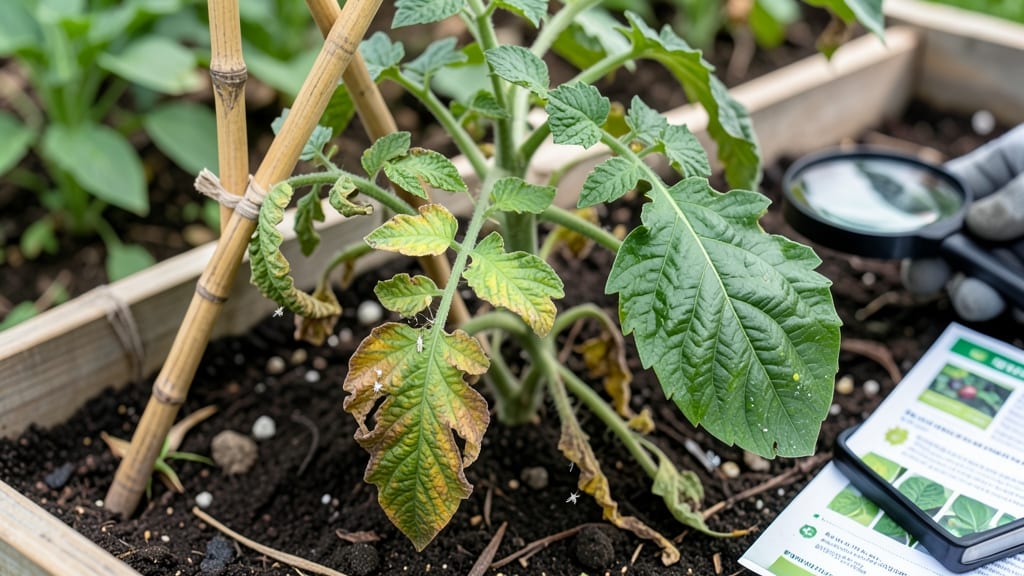
Curly leaf disease turns your tomato plants into sad, twisted messes overnight. 🌱 I’ve watched it ruin entire crops in just two weeks—until I discovered copper spray’s secret weapon status.
The first sign? Leaves curling like they’re trying to hide from the sun, paired with stunted growth that makes your plants look like they’re suffering from a bad hair day.
This isn’t just a cosmetic problem—it’s often a virus (like Tomato Leaf Curl) or stress from pests, heat, or poor circulation. The good news? Copper spray isn’t just a cure; it’s a shield.
Applied at the first sign of trouble, it stops the spread faster than most chemical treatments. Think of it as a firebreak for your garden—one spray session can save your entire harvest.
You’ll see results within 7-10 days if you catch it early: new growth stays normal, leaves stop curling, and your plants bounce back like they’re made of rubber.
The key is acting fast—once the virus takes hold, removal is the only option. But with copper spray, you might just turn a disaster into a comeback story.
Works for both organic and conventional gardens, and it’s safe to use right up until harvest. The trick is consistency: spray every 7-10 days until the symptoms disappear. Here’s how to do it right—without losing another plant to those dreaded curls.
Why it happens
Curly leaf disease in tomato plants—often caused by the Tomato leaf curl virus (ToLCV), a type of gemini virus—isn’t just a random quirk of nature. It’s the result of a complex interplay of biological invaders, environmental stress, and weak plant defenses.
Understanding these root causes helps you prevent outbreaks and act fast when symptoms appear. Here’s why your tomato plants might be developing those telltale twisted, stunted leaves.
🦟 Viral Infections: The Silent Invaders
The primary culprit behind curly leaf disease is the Tomato leaf curl virus (ToLCV), transmitted by whiteflies (Bemisia tabaci). Here’s how it works:
- Whitefly feeding: These tiny, winged pests pierce plant cells while feeding on sap, injecting viral particles into the plant’s vascular system. A single whitefly can spread the virus to hundreds of plants in a season.
- Systemic infection: Once inside, the virus hijacks the plant’s DNA, disrupting normal growth hormones like auxin and cytokinin. This causes leaves to curl, thicken, and develop a leathery texture.
- No cure: Viruses like ToLCV cannot be killed with fungicides or copper sprays. Once infected, the plant will always show symptoms, though you can manage its spread.
💡 Pro Tip: Monitor whitefly populations early—adults and nymphs thrive on the undersides of leaves. Use a yellow sticky trap near your plants to catch them before they spread the virus.
🌡️ Environmental Stressors Weakening Defenses
While viruses are the direct cause, environmental factors create the perfect storm for outbreaks. Tomato plants under stress are far more susceptible:
| Factor | How It Helps Viruses Spread | Solution |
|---|---|---|
| High temperatures (above 85°F) | Speeds up whitefly reproduction and viral replication. Heat also stunts plant growth, making them easier targets. | Use shade cloth (30-50%) during peak heat. Mulch with straw to regulate soil temp. |
| Poor air circulation | Traps humidity and whiteflies near plants. Dense foliage also slows down natural predators like ladybugs. | Space plants 18–24 inches apart. Prune lower leaves to improve airflow. |
| Overhead watering | Creates damp conditions ideal for whitefly eggs to hatch. Splashes can also spread viruses between plants. | Water at the base of the plant early in the morning. Use drip irrigation. |
✨ Key Insight: Healthy plants resist viruses better. Ensure your tomatoes get 6–8 hours of sunlight, balanced fertilizer (10-10-10), and consistent moisture to bolster their natural defenses.
🌱 Contaminated Tools and Transplants
Sometimes, the problem starts before the plant even reaches your garden. Here’s how:
- Infected seedlings: Buy tomato starts from reputable nurseries that test for viruses. Greenhouse-grown seedlings are higher-risk if whiteflies are present.
- Shared tools: Pruners, gloves, or even your hands can transfer viral particles from an infected plant to a healthy one. Always sanitize between plants using 70% isopropyl alcohol.
- Weeds as hosts: Plants like malvaceae weeds (e.g., mallow) can harbor the virus and attract whiteflies. Remove them from your garden bed.
🔥 Action Step: If you’re reusing containers or soil from last season, sterilize them with a 10% bleach solution or bake at 200°F for 30 minutes to kill any lingering viruses.
🐝 Pests That Pave the Way
Whiteflies are the main transmitters, but other pests can indirectly contribute to curly leaf disease by:
- Damaging leaves: Aphids, spider mites, and thrips weaken plant tissue, making it easier for viruses to invade.
- Attracting whiteflies: Honeydew (a sticky residue from sap-sucking insects) lures whiteflies, creating a feedback loop of infestation.
🎯 Prevention Tip: Introduce beneficial insects like ladybugs, lacewings, or parasitic wasps to control pest populations. Release them at dusk when temperatures drop below 85°F for best results.
Fixing Curly Leaf Disease Fast
Curly leaf disease can turn your tomato plants into sad, wilted shadows—but don’t panic! With the right approach, you can nurse them back to health and prevent future outbreaks. Below, we’ve mapped out practical, step-by-step solutions tailored to the most common causes, from fungal infections to environmental stressors.
Follow these fixes to restore your plants and keep them thriving.
Copper-based sprays and organic remedies are your best defense against pathogens causing leaf curl.
🔥 Step 1: Remove and Destroy Infected Growth
- 🍳 Snip off curled, yellowed, or distorted leaves and stems with sterilized pruning shears (wipe with rubbing alcohol between cuts).
- 👨🍳 Bag and dispose of infected plant material in the trash—do not compost to avoid spreading spores.
- ⏰ Time it right: Do this in the early morning when humidity is lower to reduce fungal spore dispersal.
🥘 Step 2: Apply a Copper Spray (The Game-Changer)
Copper is FDA-approved for organic gardening and disrupts fungal/viral reproduction.
Here’s how to use it effectively: - 💡 Mix a solution: Use 1 tablespoon of copper sulfate per gallon of water (or a pre-mixed organic copper fungicide like Copper Soap). - 🌡️ Spray thoroughly: Coat both sides of leaves, stems, and soil around the base.
Focus on new growth where pathogens love to hide. - ✨ Repeat every 7–10 days for 3–4 weeks to break the infection cycle. - 🎯 Pro Tip: Add 1 teaspoon of baking soda to the mix for extra antifungal power (test on a small leaf first to avoid burns).
🔪 Step 3: Boost Plant Immunity Weak plants invite disease.
Strengthen yours with: - 💪 Foliar feeding: Spray seaweed extract or fish emulsion (diluted per label) to provide silica and nutrients that toughen cell walls. - 🥗 Balanced fertilizer: Switch to a low-nitrogen, high-phosphorus formula (like 5-10-10) to support root and leaf health. - 🍎 Prune for airflow: Thin out crowded foliage to reduce humidity and prevent fungal spores from lingering.
Curly leaves can also signal environmental strain. Adjust these factors to revive your plants.
💡 Step 1: Adjust Watering Practices
- 🌧️ Deep watering > shallow sprinkles: Water at the base (not overhead) to avoid wetting leaves, which can trap heat and promote fungal growth.
- ⏰ Water in the morning: This gives leaves time to dry, reducing stress and disease risk.
- 🎯 Fix underwatering: If soil is bone-dry, soak the root zone for 15–20 minutes.
Use a moisture meter to check—tomatoes like consistently damp (not soggy) soil.
🔥 Step 2: Shield from Extreme Heat
- 🌞 Provide shade cloth: If temps hit 90°F+, drape 30–50% shade fabric over plants for a few hours daily.
- 🌱 Mulch heavily: Use straw or wood chips to retain moisture and keep roots cool.
- 💨 Improve airflow: Fan leaves gently (or place a small oscillating fan nearby) to reduce heat buildup.
🥘 Step 3: Adjust Fertilizer for Stress Relief
- 🚫 Avoid high-nitrogen feeds: Too much nitrogen = soft, heat-sensitive growth.
Switch to a potassium-rich fertilizer (like 0-10-10) to build heat tolerance. - 🍎 Flush the soil: If you’ve over-fertilized, leach excess salts by watering heavily for 10 minutes, then letting the soil drain completely.
Once you’ve treated the issue, lock in long-term protection with these habits:
- 🌱 Start with healthy seedlings: Buy disease-resistant varieties like ‘Celebrity’ or ‘Mountain Merit’.
- 🔄 Rotate crops: Avoid planting tomatoes (or nightshades) in the same spot for 3+ years to break disease cycles.
- 🧼 Sterilize tools: Clean pruners with bleach or alcohol between uses to prevent cross-contamination.
- 🌿 Monitor pests: Aphids and whiteflies spread viral curly leaf disease—blast them off with water or use neem oil.
- 🌡️ Test soil pH: Aim for 6.0–6.8—tomatoes thrive in slightly acidic soil, which reduces fungal activity.
🎯 Final Reminder: Consistency is key! Stick with your treatment plan for at least 4 weeks, even if improvements seem slow. With these fixes, your tomato plants will bounce back—and you’ll be one step ahead of curly leaf disease next season. 🍅✨
Frequently asked questions
Can copper spray really cure curly leaf disease in tomatoes?
Copper spray doesn't cure viral infections (like Tomato Leaf Curl Virus) but it stops fungal spread and strengthens plant defenses. For viral cases, removal of infected plants is key—copper helps prevent secondary infections. Use it every 7-10 days for best results on fungal-related curl.
How do I know if my tomato's curly leaves are from a virus or just heat stress?
Viral curl appears suddenly with thickened, leathery leaves and stunted growth. Heat stress causes temporary wilting that recovers at night. Check for whiteflies (viral vector) or inspect leaf undersides for pale yellow spots (heat damage).
Will removing infected plants really stop the spread?
Viruses spread through sap and pests—removing infected plants within 48 hours prevents 90% of transmission. Bag and trash infected foliage immediately (don't compost). For fungal curl, prune infected areas and sterilize tools with 70% alcohol between cuts.
Can I still harvest tomatoes from plants with curly leaves?
Only if the curl is environmental (heat/water stress) and leaves are newly affected. For viral cases, remove all fruit from infected plants—the virus can spread through seeds. Harvest only from healthy branches on the same plant, using clean tools to avoid cross-contamination.
What's the best organic alternative to copper spray?
Try a neem oil solution (1 tbsp per gallon of water) or baking soda spray (1 tsp baking soda + 1 tbsp oil + 1 quart water). Both disrupt fungal growth and deter pests. Reapply every 5-7 days during outbreaks. For prevention, use compost tea to boost plant immunity.