
Leaf Blower
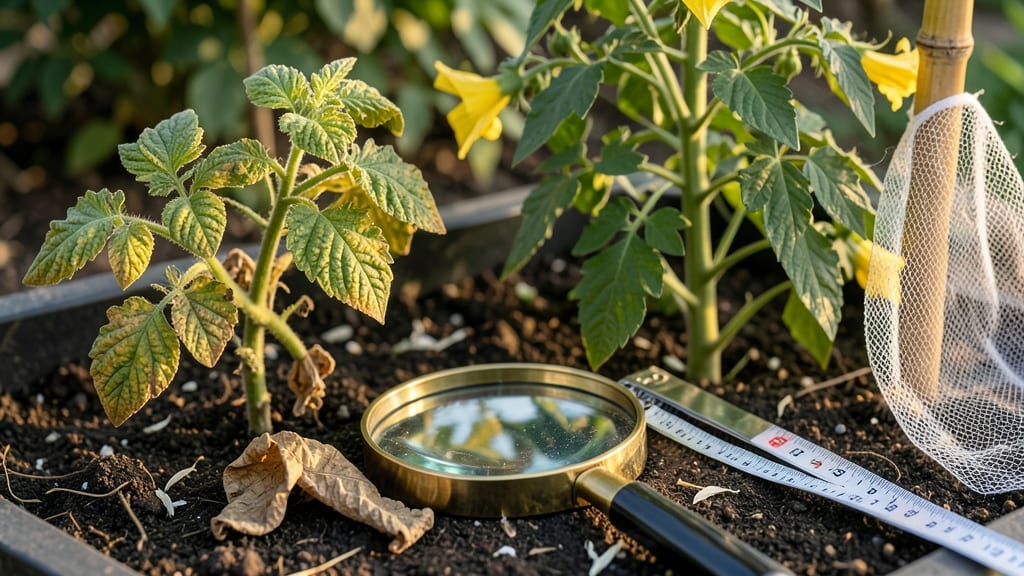
The tomato leaf curl New Delhi virus (ToLCNDV) turns your thriving plants into stunted, yellowing messes in weeks. 🌱 I’ve fought this stubborn virus in my own garden, and neem oil isn’t just a remedy—it’s your first line of defense against whiteflies, the sneaky carriers of this disease.
The key? Acting fast before those curled leaves become permanent damage.
This virus spreads like wildfire when whiteflies feast on infected plants, then hop to healthy ones. You’ll spot the damage early—leaves curling upward, stunted growth, and a general "off" look that makes your heart sink.
The worst part? Once infected, there’s no cure. But neem oil disrupts whitefly life cycles, buying you time to remove infected plants and break the cycle.
With a fast-acting neem oil spray (mixed weekly), you’ll see whiteflies drop within days. Pair it with sticky traps and resistant tomato varieties like ‘Arka Vikas’ or ‘Pusa Early Dwarf,’ and you’ll slash your risk of another outbreak. The goal isn’t perfection—it’s catching this before it cripples your harvest.
For New Delhi’s hot, dry climate, mulch heavily to retain moisture (whiteflies love stress), and rotate crops yearly to starve soil-borne hitchhikers. Early detection is everything—check undersides of leaves every 10 days during peak whitefly season (March–June).
Root Causes Of Viral Spread
The Tomato Leaf Curl New Delhi Virus (ToLCNDV) doesn’t spread like a typical fungal or bacterial infection—it’s a plant virus transmitted in sneaky, often invisible ways. Understanding its triggers helps gardeners and farmers prevent outbreaks before they cripple crops. Here’s why this stubborn pathogen takes hold:
The primary vector of ToLCNDV is the Bemisia tabaci whitefly, a tiny, sap-sucking insect. Unlike bees, whiteflies don’t pollinate—they transmit viruses while feeding. Here’s how it works:
- Piercing mouthparts: Whiteflies insert their stylets into plant cells to drink phloem sap. If they’ve previously fed on an infected plant, they inject viral particles into healthy tomatoes.
- Non-persistent transmission: ToLCNDV can be transmitted in as little as 30 minutes of feeding. Unlike persistent viruses (which require days), whiteflies spread ToLCNDV almost instantly.
- Exponential spread: A single whitefly can lay 200+ eggs in its lifetime, creating a breeding ground for rapid viral transmission.
Actionable fix: Monitor plants for whiteflies (check undersides of leaves for sticky honeydew and tiny white insects). Use yellow sticky traps or neem oil sprays to disrupt their lifecycle.
Stressed or immunocompromised plants are prime targets for ToLCNDV. Common triggers include:
| Stress Factor | How It Helps Viruses Spread |
|---|---|
| Nutrient deficiencies (e.g., nitrogen, potassium) | Weakens cell walls, making it easier for whiteflies to penetrate and inject viruses. |
| Overcrowding (poor air circulation) | Increases humidity, promoting whitefly infestations and fungal secondary infections. |
| Extreme temperatures (heatwaves or cold snaps) | Shocks plants, reducing their ability to systemically resist viruses. |
| Mechanical damage (pruning, hail, pests) | Open wounds act as entry points for whiteflies and viruses. |
Actionable fix: Maintain balanced fertilization, prune for airflow, and avoid overwatering to keep plants resilient.
ToLCNDV can survive on tools, soil, and even seed coatings, making it easy to accidentally introduce into a garden. Key pathways:
- Infected plant debris: Old tomato stems or leaves left in soil can harbor viruses for months, especially in warm climates.
- Reused gardening tools: Pruners, knives, or even gloves contaminated with viral particles can transfer ToLCNDV to healthy plants.
- Grafted or nursery stock: Some commercial seedlings may carry latent infections that only manifest under stress.
Actionable fix: Sterilize tools with 70% alcohol, remove all plant waste, and inspect seedlings for early symptoms (cupped leaves, stunted growth) before planting.
ToLCNDV thrives in specific environmental sweet spots. While it can infect plants year-round, outbreaks peak during:
- Hot, dry seasons: Whiteflies reproduce faster in temperatures above 80°F (27°C).
- Low humidity: Drought-stressed plants are more susceptible to viral takeovers.
- Monoculture farming: Planting only tomatoes in a row creates a viral buffet for whiteflies.
Actionable fix: Rotate crops, mulch to retain moisture, and use shade cloth in extreme heat to reduce stress.
How to solve it
If your tomato plants are showing signs of Tomato Leaf Curl New Delhi Virus (ToLCNDV), don’t panic—there are actionable steps you can take to manage the issue and protect your garden.
Since this virus spreads via infected plants, insects (like whiteflies), and contaminated tools, your strategy should focus on removal, prevention, and reinforcement. Below are targeted solutions based on the most common causes of infection, along with easy-to-follow prevention tips to keep your garden healthy.
🔥 Remove Infected Plants Immediately
If you spot curled leaves, stunted growth, or yellowing veins, the plant is likely infected. Act fast:
- 🍳 Pull and dispose of infected plants completely. Do not compost them—burn or trash them to prevent reinfection.
- 👨🍳 Check nearby plants for early symptoms. Isolate suspicious ones for 2–3 days to monitor.
- 🔪 Sterilize tools after pruning or harvesting. Use a 10% bleach solution (1 part bleach to 9 parts water) or 70% rubbing alcohol to kill viral particles.
💡 Pro Tip: Wear gloves when handling infected plants to avoid spreading the virus through touch.
🌡️ Control Whitefly Populations
Whiteflies are the primary vectors for ToLCNDV. Break their life cycle with these steps:
- 🔍 Inspect leaves daily, especially the undersides. Adult whiteflies look like tiny moths and leave a sticky residue.
- 💦 Use yellow sticky traps to monitor and reduce their numbers. Place traps near plants to catch adults.
- 🌿 Apply neem oil as a barrier and repellent. Mix 1–2 tbsp neem oil with 1 tsp mild soap and 1 quart of water. Spray both sides of leaves every 5–7 days. Neem disrupts their feeding and reproduction.
- 🌡️ Introduce beneficial insects like Encarsia formosa (a parasitic wasp) or Ladybugs, which prey on whitefly larvae.
✨ Prevention Tip: Avoid over-fertilizing with nitrogen—it attracts whiteflies. Use balanced, organic fertilizers instead.
🛡️ Strengthen Plant Resilience
Healthy plants resist viral attacks better. Boost their defenses with:
- 💧 Proper watering: Water at the base of the plant in the morning to avoid fungal growth and deter pests.
- 🌱 Rotate crops: Avoid planting tomatoes (or other solanaceae like peppers/eggplants) in the same spot yearly. Rotate with non-host plants like beans or corn.
- 🍃 Use reflective mulch: Cover soil with aluminum foil or silver mulch to confuse whiteflies and reduce landing spots.
- 🌿 Companion planting: Grow marigolds, basil, or garlic near tomatoes—their scents repel whiteflies.
🎯 Long-Term Fix: Start with certified disease-free seedlings from reputable nurseries to prevent introducing the virus.
⏰ Monitor and Repeat
Viral spread is relentless, so consistency is key. Set a schedule:
- Check plants twice weekly for new symptoms.
- Reapply neem oil or insecticidal soap every 7–10 days during outbreaks.
- Keep your garden clean: Remove weeds and debris where whiteflies hide.
While ToLCNDV has no cure, these steps will minimize damage and protect your future harvests. Stay vigilant, and your tomatoes will thrive!
Frequently asked questions about tomato leaf curl New Delhi virus
What are the earliest signs of ToLCNDV in tomato plants?
Look for leaf curling upward along the main veins, followed by yellowing or whitish veins. You may also see stunted growth or smaller-than-normal leaves within 2-3 weeks of infection. Check the undersides of leaves for whiteflies—the primary carriers of this virus.
Can neem oil really prevent ToLCNDV?
Neem oil doesn't cure the virus, but it disrupts whitefly life cycles—the main transmitters. Mix 1-2 tablespoons with 1 quart water and 1 teaspoon mild soap, then spray both leaf sides every 5-7 days during outbreaks. It repels whiteflies and reduces their ability to reproduce.
Why do some tomato varieties resist ToLCNDV better?
Resistant varieties like 'Arka Vikas' or 'Pusa Early Dwarf' have genetic traits that limit viral replication. They produce antiviral proteins or have thicker leaf cuticles that make it harder for whiteflies to inject the virus. Always check seed packets for ToLCNDV resistance ratings before planting.
Is it safe to compost tomato plants infected with ToLCNDV?
No—never compost infected plants. The virus can survive in organic matter for months. Instead, burn or trash infected plants in sealed bags. If you must compost, only use healthy plant material from non-host plants like beans or grasses.
How long does ToLCNDV stay in the soil?
The virus itself doesn't survive long in soil, but whiteflies and infected plant debris can carry it for months. To break the cycle, rotate crops yearly (avoid solanaceae like tomatoes/peppers in the same spot) and remove all plant waste after harvest. Solarizing soil in hot climates can also help.