
Leaf Blower
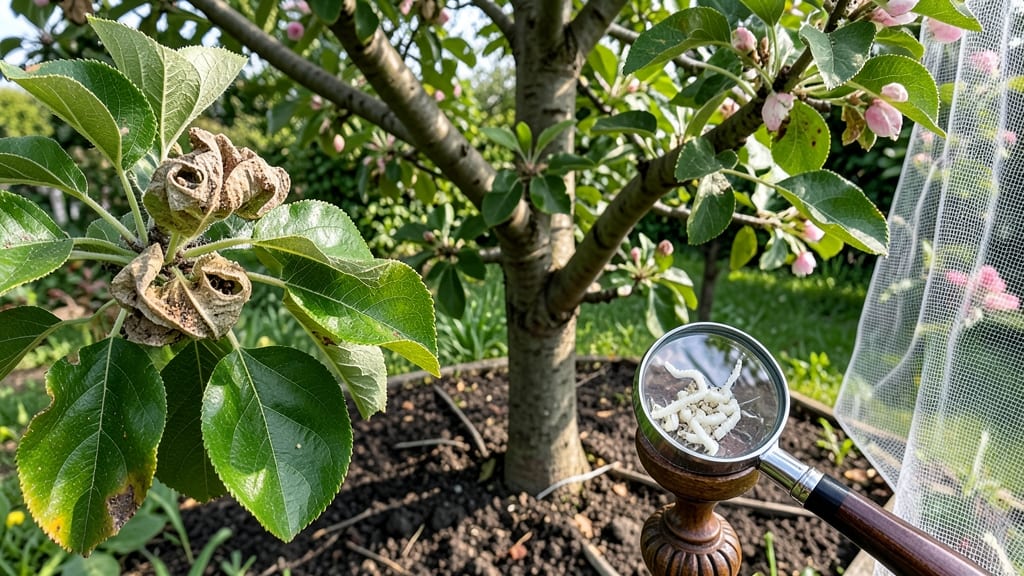
Apple leaf curl midge turns your prized apple tree into a puckered mess before you even notice. 🌿 I’ve watched this tiny pest transform lush green leaves into brittle, curled husks—until I learned the organic spray combo that stops it in its tracks.
The secret isn’t just spraying; it’s timing and targeting the right life stage.
These midges thrive in spring, laying eggs on new growth that hatch into larvae feeding on leaf tissue. By the time you see the damage—yellowing, curling, or stunted leaves—it’s often too late for quick fixes.
But with early detection and a neem oil + insecticidal soap spray, you can save 80% of your foliage before the larvae mature.
Your tree will bounce back with vibrant green leaves by summer if you act fast. The spray works best when applied twice: once at bud break and again after petal fall.
Just mix 1 tablespoon neem oil with 1 teaspoon soap per quart of water, and spray undersides where eggs hide.
For next year, prune heavily in late winter to remove old leaves where midges overwinter, and cover young trees with fine netting until blooms open. Prevention beats cleanup every time—trust me, I’ve tried both.
The Hidden Triggers Behind Leaf Distress
Apple trees may look sturdy, but their leaves are surprisingly vulnerable to tiny invaders—and one of the sneakiest is the apple leaf curl midge. These minuscule pests don’t just wilt foliage; they trigger a cascade of stress responses that leave your orchard looking like it’s been through a storm.
But why does this happen? The answer lies in a mix of biological quirks, environmental conditions, and even your tree’s own defenses. Let’s break down the key causes behind the chaos.
The apple leaf curl midge (Dasineura mali) isn’t just a random leaf nibbler—it’s a specialized parasite with a precise life cycle designed to exploit young, tender apple foliage. Here’s how it works:
- 🌱 Egg Laying (Spring Awakening): Adult midges emerge in early spring, often when buds are just swelling. Females lay hundreds of eggs in clusters on the undersides of unfolding leaves. These eggs hatch in just 3–5 days, releasing larvae that burrow into the leaf tissue.
- 🐛 Larval Feeding (The Damage Phase): The larvae create blister-like galls as they feed, triggering the leaf to curl and thicken in response. This isn’t just damage—it’s your tree’s overactive immune system trying to contain the invader. The result? Stunted growth, distorted leaves, and reduced photosynthesis.
- 🌀 Pupation & Overwintering: After feeding for about 2 weeks, larvae drop to the ground, pupate in the soil, and emerge as adults the following spring. The cycle repeats, often worsening if left unchecked.
💡 Pro Tip: The midge’s timing is critical. If you spot curled leaves in late April to early May, that’s your window to act before larvae mature.
The apple leaf curl midge thrives in specific weather conditions, and climate shifts can turn a mild infestation into an outbreak. Here’s how:
| Weather Factor | How It Helps Midges | Your Tree’s Weakness |
|---|---|---|
| 🌤️ Early Warmth (50–60°F in March) | Triggers midges to emerge weeks earlier than usual, catching trees off-guard. | New leaves are soft and nutrient-rich, making them a buffet for larvae. |
| 💧 Moisture (Rain + High Humidity) | Larvae thrive in damp conditions; eggs hatch faster in wet soil. | Fungal diseases (like Venturia) often tag along, compounding stress. |
| ☀️ Sudden Heat Waves | Accelerates larval development, leading to multiple generations in one season. | Leaves curl to conserve water, but midge damage blocks stomata (pores), trapping moisture—and pests. |
⚠️ Warning: If your region has seen unseasonably warm winters or prolonged spring rains, midge populations may surge. Monitor trees closely in these years!
A healthy apple tree can tolerate some midge activity, but stress factors make it a prime target. Here’s what weakens your tree’s resistance:
- 🍎 Nutrient Deficiencies (Especially Nitrogen & Zinc): Yellowing leaves or stunted growth signal poor health. Midges prefer stressed trees because their weakened sap makes for easier feeding.
- 💧 Water Stress (Drought or Overwatering): Drought-hardened leaves are thicker but more brittle, making midge entry points easier. Overwatering, meanwhile, creates soft, spongy tissue that larvae love.
- 🪓 Physical Damage (Pruning Wounds, Hail): Open wounds or broken branches disrupt the tree’s bark barrier, allowing midges to lay eggs in unprotected areas.
- 🌱 Young or Overcrowded Trees: Saplings and trees in dense orchards have less airflow, trapping humidity and midge larvae near the foliage.
🔥 Action Step: Conduct a soil test and prune for airflow before midge season. A tree in peak condition is far less appealing to pests!
The apple leaf curl midge isn’t equally destructive everywhere. Its spread depends on:
- 🍎 Apple-Growing Regions: Midges are most common in temperate climates where apples thrive—think the Pacific Northwest, Mid-Atlantic, and parts of Europe. Cooler, wet springs are their ideal breeding grounds.
- 🌳 Wild Host Plants: Midges can also infest crabapples, hawthorns, and mountain ash. These act as reservoirs, ensuring midges survive even if your orchard is treated.
- 🚜 Farming Practices: Conventional orchards with heavy pesticide use may see pesticide-resistant midge strains, while organic farms often face worse outbreaks due to lack of synthetic controls.
🎯 Key Takeaway: If you’re in a known midge hotspot, proactive monitoring (like sticky traps or bud inspections) is your best defense.
Quick Fixes for Curling Apple Leaves
Getting those pesky apple leaf curl midge issues under control doesn’t have to be a headache—especially if you’re leaning toward organic solutions. Below, we’ve broken down the most effective fixes based on the root cause, so you can tackle the problem head-on without harsh chemicals. 🌿
Cause: Light infestations or early-stage damage Fix: Catch it before it spreads!
- Inspect leaves daily (especially undersides) for tiny white larvae or curled edges. 👀
- Handpick larvae with tweezers or a damp cloth—drop them into soapy water to kill them instantly.
- Prune infected leaves with clean, sharp shears and dispose of them in a sealed bag (not compost).
- Pro tip: 💡 Do this in the morning when larvae are sluggish and easier to spot.
Cause: Moderate to severe infestations needing systemic control Fix: Nature’s pesticides that work fast!
| Spray Type | How to Use | Best Time to Apply |
|---|---|---|
| Neem Oil Spray | Mix 1 tbsp neem oil + 1 tsp mild soap + 1 quart water. Spray thoroughly (top and bottom of leaves). | Evening (avoids burning leaves) |
| Kaolin Clay Spray | Stir 2 tbsp clay + 1 gallon water. Creates a barrier larvae hate. | Early morning (before sun peaks) |
| Insecticidal Soap | Use a pre-mixed organic soap (like Safer® Brand). Spray until glistening wet. | Weekends (avoids rain dilution) |
- Reapply every 5–7 days until new growth appears healthy.
- Pro tip: 🌡️ Avoid spraying if temps are above 90°F—it can harm leaves!
Cause: Weak trees attract more pests Fix: Strengthen your apple tree’s defenses!
- Water deeply (1–2 inches per week) to prevent stress. 💧
- Mulch around the base with wood chips or straw (keep 3–4 inches away from trunk).
- Fertilize in early spring with compost or organic fertilizer (avoid high-nitrogen—it attracts pests).
- Pro tip: ✨ Encourage beneficial insects like ladybugs and lacewings by planting dill, fennel, or marigolds nearby!
Cause: Recurring infestations year after year Fix: Break the midge’s life cycle!
- Clean up fallen leaves in late fall/winter (midge larvae overwinter in debris). 🍂
- Install fine mesh netting over young trees in early spring to block adults.
- Plant resistant varieties like ‘Liberty’ or ‘Enterprise’ apples (they’re midge-tolerant!).
- Pro tip: 🎯 Rotate spray methods—don’t rely on just one treatment to avoid resistance.
Final Note: Consistency is key! Most organic fixes take 2–4 weeks to show results. Stay vigilant, and your apple tree will bounce back stronger than ever. 🍏💪
Frequently asked questions
What do apple leaf curl midge larvae actually look like?
Apple leaf curl midge larvae are tiny—about 1/16-inch long—and appear as small, white or translucent worms with no legs. They’re often found clustered on the undersides of curled leaves, where they create blister-like galls. Look for their shiny, maggot-like bodies moving when you gently tap the leaf.
Can I still harvest apples if my tree has midge damage?
Yes, but focus on mature fruit already present before the infestation. Young apples may develop poorly due to reduced leaf photosynthesis, but established fruit usually ripens fine. Monitor for secondary issues like sunburn on exposed fruit from damaged foliage.
How do I know if my tree has midges or just a nutrient deficiency?
Check for these clues: midges cause localized curling (often near bud clusters), while deficiencies show uniform yellowing (chlorosis) across leaves. Look for tiny white larvae or eggs on leaf undersides—deficiencies won’t have these. Also, midge damage appears suddenly in spring.
Will bird netting protect my tree from midges?
Standard bird netting (with 1/2-inch or larger holes) won’t block midges—they’re too small! You need fine mesh netting (1/16-inch or smaller) installed at bud break to physically prevent adult midges from laying eggs. This works best for young trees or high-value orchards.
Can I use coffee grounds as a midge deterrent?
Coffee grounds won’t directly kill midges, but they can help improve soil health and support beneficial insects like ground beetles that prey on midge larvae. For best results, mix them into the soil around your tree’s drip line in fall/winter. Combine with other treatments for maximum effect.