
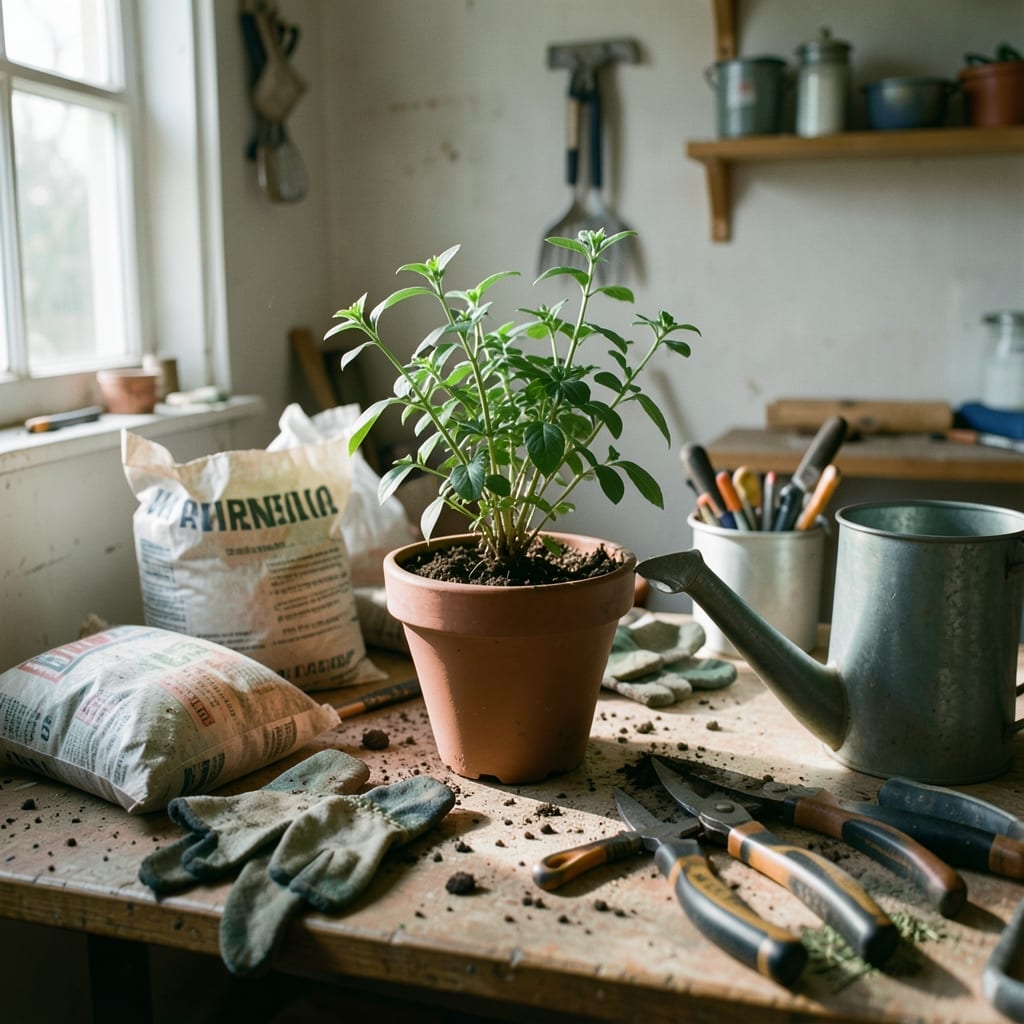
You have read a hundred of these
We know it’s frustrating. A site that tells you to ‘plant in well-draining soil’ without saying *what* that means when your local clay stays soggy for weeks isn’t helping. We don’t do that.
Every tip here comes from a real failure: the basil that bolted because we forgot to pinch it back, the tomato plants that collapsed under too much rain, the seeds we planted in January that just sat there, stubborn and silent, until the snow melted in March.
The difference? We write about the *actual* conditions—like how to save a wilting fern when your apartment’s air is drier than a desert, or why your marigolds keep attracting pests (spoiler: it’s probably the neighbor’s chemical fertilizer drifting over).
No generic ‘add compost’ without explaining how much, or which kind, or how to tell if yours is still useful after sitting in a bag for two years.
This isn’t a wishlist. It’s a ledger of what we’ve lost—plants, time, patience—and what we’ve learned from it. If you’ve ever watered a seedling until it rotted or watched a prized rose bush get munched overnight, you’ll recognize the work here.
You’re not wrong—most sites promise ‘easy’ or ‘foolproof’ while ignoring the mess in between.
Anyone can write that they test things
Testing here means planting the same variety in three different spots—full sun, partial shade, and a north-facing windowsill—and recording the results.
It means starting 50 tomato seeds in February, thinning to the 12 strongest, and then watching half of those still fail because the seedlings outgrew their pots before we could transplant. It means keeping a spreadsheet of soil pH, rainfall, and fungal outbreaks for three years to spot patterns.
We don’t just test once. If a method works in May but fails in August (hello, powdery mildew), we note why. If a ‘hardy’ perennial dies in a mild winter, we adjust.
The ‘tips’ here are distilled from dozens of attempts—like how to revive a root-bound snake plant by cutting it back in September instead of March, or why your zucchini vines might be stunted (answer: not enough potassium, not ‘not enough water’).
And yes, some things still die. But we write about those too—the ones that teach us more than the successes ever could.
We’ve kept records of every experiment—some lasted a season, others got dug up after three weeks.
About the author
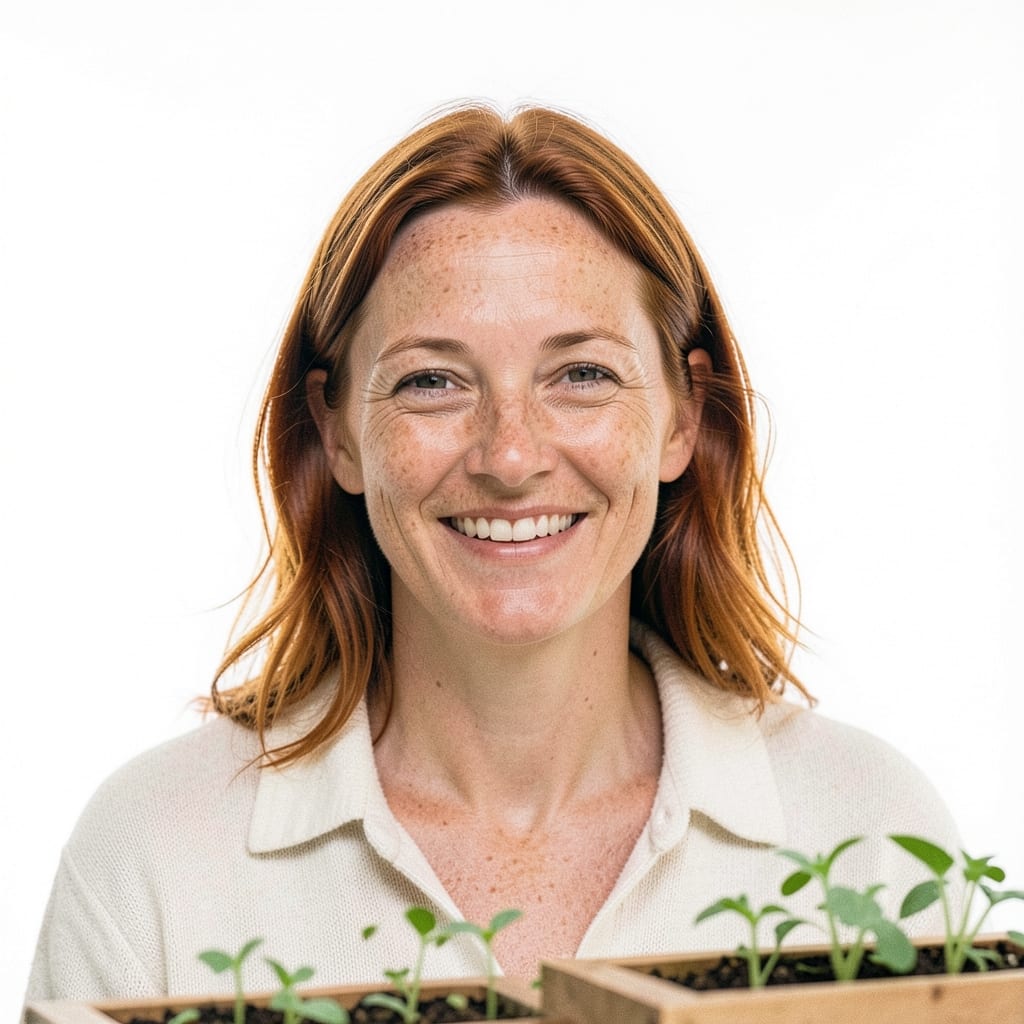
Nadia Dellinger is the founder and editor of *Leaf And Stem*, and she’s the one who still scratches dirt out from under her nails after repotting.
Rules we work by
- 1No ‘trust the process’
Every claim here comes with a ‘but here’s when it fails’ clause. If we say ‘mulch in fall,’ we’ll also tell you which mulches rot too fast and which attract termites. Rules without exceptions are just guesses.
- 2Seasonal truth over theory
A tip that works in Zone 5 might kill your plants in Zone 9. We adjust for climate, soil type, and even urban microclimates—like how a downtown balcony stays 10°F warmer than a suburban yard. No generic advice.
- 3Failure is data
We keep a ‘graveyard journal’ of plants that died, noting the symptoms, conditions, and what we’d do differently. Some entries are from 2019. Yes, we’re that stubborn.
- 4Tools matter
A $10 trowel won’t cut through compacted clay like a $50 d-handle one. We test equipment too—like why our cheap pruners rusted after one wet season and the stainless ones didn’t.
- 5No shortcuts for basics
You won’t find ‘use coffee grounds’ without explaining how much to use, how to mix it in, or why it might lower your soil pH to unusable levels. We’d rather you grow a mediocre tomato than a perfect myth.
Breaking a rule here isn’t a mistake—it’s a lesson. Last year, we swore by ‘never prune spring-blooming shrubs in fall’ and then did it anyway with a lilac that had outgrown its space. It survived, but the blooms were sparse the next year.
Now that rule has a footnote: *‘unless you’re desperate for space and willing to sacrifice next year’s flowers.’*
This will not be right for everyone
If you’re looking for a site that tells you *exactly* what to plant, when to plant it, and how to arrange your garden like a postcard, close this page. We don’t do color-coded planting charts or step-by-step ‘garden in a day’ guides.
Our focus is on the *why*—why your peppers keep blighting, why your soil stays too acidic, why your neighbor’s roses thrive while yours don’t. If you’d rather scroll past problems to solutions, this isn’t for you.
This site is for gardeners who’ve Googled a symptom and gotten 50 conflicting answers, or who’ve spent $20 on a ‘miracle’ soil amendment only to watch their plants wilt.
It’s for people who’d rather know *how* to fix a problem than be told to ‘buy this product.’ If you’d prefer a polished, ad-free catalog of ‘ideal’ gardens, there are plenty of those. Here, we deal in dirt, doubt, and the occasional victory.
You could just be told what you want to hear
If there’s something else you’d like to see us write about—like troubleshooting a specific plant disease, or how to garden in a tiny urban space—let us know. The contact page is the place for it.
Worth telling us
- The exact conditions where a ‘foolproof’ method actually fails (and how to salvage it).
- What we’ve thrown out—plants, tools, or advice—that didn’t work, no matter how many times we tried.
- The personal cost: the weekends spent digging up failed beds, the money wasted on dead stock, or the plants we’ve loved so much we’ve kept them alive despite every logical reason to kill them.
The guides are grouped by category: Advice, Aphids, Blooming, Companion Plants, Container Gardens and Leaf Blower.