
Pests and Diseases
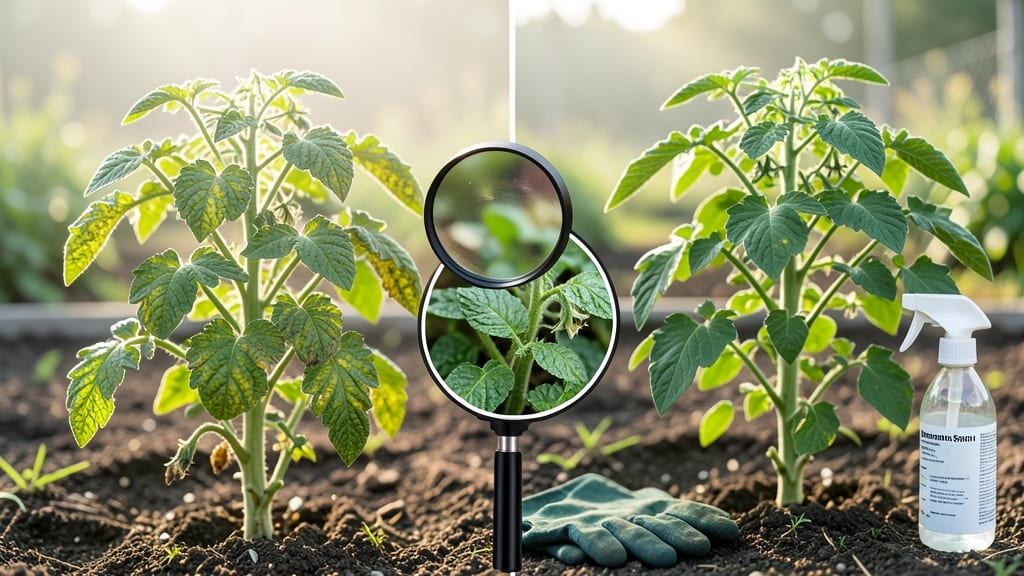
Your plants' curled, distorted leaves aren’t just a cosmetic issue—curly leaf disease signals a viral attack or environmental stress that spreads fast. 🌿 I’ve seen cucumber mosaic virus turn a thriving garden into a sad, stunted mess in weeks, but these three steps will help you catch it early and stop the damage.
The real culprits? Viruses like cucumber mosaic, aphids that spread them, or even too much heat and drought stressing plants. Symptoms start with leaves curling upward or downward, then yellowing, stunted growth, and eventually plant death. The worst part? Once a plant is infected, there’s no cure—only prevention and removal.
Start by yanking out infected plants (bag them immediately!) and sterilizing tools with rubbing alcohol. Then, boost plant health with balanced fertilizer and companion plants like marigolds to repel pests. For prevention, choose resistant varieties and keep aphids under control with neem oil or insecticidal soap.
This approach works for tomatoes, peppers, cucumbers, and even ornamentals. The key is acting fast—once the virus takes hold, your garden’s future harvests are at risk. Let’s get those plants back on track before it’s too late.
Root Causes Of Leaf Distortion
Understanding why your plants develop distorted, curled leaves is the first step toward prevention and treatment. Curly leaf disease—often caused by fungal pathogens, environmental stressors, or pest infestations—disrupts normal growth patterns. Below, we break down the key culprits behind this frustrating problem, backed by science and actionable insights.
Fungal pathogens like Erysiphe (powdery mildew) or Pseudoperonospora (downy mildew) are among the most common triggers. These fungi thrive in humid, poorly ventilated conditions, secreting toxins that warp leaf cells and stunt photosynthesis.
- How it works: Fungal spores land on leaves, germinate, and penetrate plant tissues.
As they feed, they release ethylene gas, a plant hormone that accelerates abnormal growth—resulting in curling, puckering, or yellowing. - Red flags: Look for white powdery patches (powdery mildew) or fuzzy gray growth on undersides (downy mildew), often paired with stunted shoots. - Actionable fix: Improve airflow with spacers or pruning, and apply copper-based fungicides (e.g., copper sulfate) at the first sign of infection.
Sap-sucking insects like aphids, spider mites, or whiteflies inject toxins while feeding, forcing leaves to curl as a defensive response. Their saliva contains enzymes that disrupt cell structure, leading to misshapen growth.
- How it works: Pests pierce leaf cells, withdrawing sap and leaving behind toxic saliva.
The plant reacts by overproducing ethylene, causing curling to limit further damage. - Red flags: Check leaf undersides for sticky residue (honeydew), fine webbing (mites), or tiny crawling insects. - Actionable fix: Blast pests off with water spray (for aphids) or use neem oil (a natural miticide).
Introduce beneficial insects (e.g., ladybugs) for long-term control.
Extreme conditions—whether scorching sun, high winds, or inconsistent watering—can physically stress leaves, causing them to curl as a survival mechanism.
- How it works: - Heat stress: High temperatures denature proteins in leaf cells, leading to curling to reduce water loss. - Wind damage: Strong gusts desiccate leaf edges, forcing them to roll inward for protection. - Over/under-watering: Root suffocation (from overwatering) or drought stress (from underwatering) disrupt nutrient transport, triggering curling. - Red flags: Leaves curl along the edges first (wind/heat) or entirely (water issues).
Check soil moisture with your finger—top 1–2 inches should be dry for most plants. - Actionable fix: - Shade cloth for heat-sensitive plants. - Mulch to retain moisture and regulate soil temp. - Adjust watering: Deep, infrequent watering (1–2 inches per week) beats shallow, frequent soaks.
A lack of magnesium, nitrogen, or potassium weakens cell walls, making leaves prone to curling. These deficiencies often stem from poor soil quality or over-fertilization (which burns roots).
- How it works:
- Magnesium deficiency (common in sandy soils) causes interveinal chlorosis (yellowing between veins) and curling.
- Nitrogen deficiency leads to pale, weak growth as the plant can’t produce enough chlorophyll.
- Potassium deficiency results in brown, crispy edges and curled leaves due to poor water regulation.
- Red flags: Yellowing between veins (magnesium), overall pale foliage (nitrogen), or brown tips (potassium).
- Actionable fix:
- Test soil pH (ideal: 6.0–7.0 for most plants).
- Amend soil with Epsom salt (magnesium), compost (nitrogen), or wood ash (potassium).
- Avoid synthetic fertilizers—opt for slow-release organic options to prevent burns.
Viruses like Tobacco Mosaic Virus (TMV) or Cucumber Mosaic Virus (CMV) hijack plant cells, altering growth patterns. These are often spread by infected tools, sap-sucking insects, or contaminated seeds.
- How it works: Viruses disrupt protein synthesis, causing leaves to curl, pucker, or develop mosaic patterns.
Infected plants may also show stunted growth or dieback. - Red flags: Mottled leaves, yellow rings, or systemic decline (affecting new growth). - Actionable fix: - Remove infected plants immediately (burn or bag them—do not compost). - Disinfect tools with 70% rubbing alcohol between uses. - Use pest barriers (e.g., row covers) to block insect vectors.
Residual pesticides, herbicides, or even hard water minerals (like calcium buildup) can damage leaf tissues, leading to curling as the plant tries to "seal off" damaged areas.
- How it works: Chemicals disrupt cell membranes, causing oxidative stress and physical deformation.
Hard water (high in calcium/magnesium) can also clog stomata, reducing gas exchange. - Red flags: Curling paired with brown spots or uneven discoloration. - Actionable fix: - Flush soil with rainwater (avoid tap water if minerals are an issue). - Use organic pesticides (e.g., pyrethrin-based sprays) to reduce chemical buildup. - Test water hardness—if high, install a simple filter for irrigation.
Can’t pinpoint the issue? Isolate variables:
- Check one plant at a time—is the problem localized (pests/fungus) or systemic (nutrients/soil)?
- Observe patterns: Does curling happen after rain (fungus), in hot spells (heat stress), or post-fertilizer (chemical burn)?
- Take a sample: Bag a curled leaf and visit a local extension office for lab testing if unsure.
Fixing Distorted Leaf Issues Fast
Now that you’ve identified the root cause of your plant’s curly leaf disease—whether it’s fungal, viral, pest-related, or environmental—it’s time to act. The good news? Most cases can be reversed or managed with targeted strategies.
Below, we map the most common causes to practical fixes, plus prevention tips to keep your plants thriving.
If your plant’s leaves are curling due to a fungal or bacterial pathogen (like Pseudomonas or Erwinia), act quickly to prevent spread.
🔪 Step 1: Remove the Damaged Parts
- Prune infected leaves with sterilized scissors or shears (wipe with rubbing alcohol between cuts).
- Dispose of clippings in the trash—not compost—to avoid reinfection.
- Isolate the plant until it recovers to stop spores from jumping to neighbors.
🧴 Step 2: Apply Fungicide or Antibacterial Spray
- For fungi: Use a copper-based fungicide (like copper sulfate) or a neem oil spray (1 tsp neem oil + 1 tsp mild soap per quart of water).
Reapply every 7–10 days. - For bacteria: A hydrogen peroxide solution (1 part 3% H₂O₂ to 9 parts water) can help.
Spray on leaves and stems, avoiding direct sunlight for 24 hours. - 💡 Pro Tip: Water plants early in the day so foliage dries quickly, reducing humidity—fungi love damp conditions!
🌡️ Step 3: Adjust Growing Conditions
- Improve air circulation by spacing plants apart or using a small fan (on low).
- Avoid overhead watering—use drip irrigation or water at the base instead.
- Sterilize tools and pots with a 10% bleach solution (1 part bleach to 9 parts water) to kill lingering pathogens.
If tiny invaders like aphids, spider mites, or thrips are causing leaf distortion, tackle them with precision.
🕷️ Step 1: Inspect and Identify the Culprit
- Check undersides of leaves and new growth for pests.
- Shake plants over a white tray—pests will reveal themselves.
- Common pests & their signs:
- Aphids: Sticky residue (honeydew), curled leaves.
- Spider mites: Fine webbing, yellow speckling.
- Thrips: Silver streaks on leaves.
🚫 Step 2: Disrupt Their Life Cycle
- Blast them off with a strong spray of water (repeat every 2–3 days).
- Use insecticidal soap (mix 2 tbsp mild soap + 1 quart water) or neem oil (follow label rates).
- Introduce beneficial insects like ladybugs or lacewings for organic control.
- 💡 Pro Tip: Sticky traps near plants can catch flying pests (like whiteflies) and monitor infestations.
🌿 Step 3: Strengthen Plant Resilience
- Fertilize lightly with a balanced, low-nitrogen formula to boost immunity.
- Avoid overwatering—pests thrive in stressed, soggy plants.
- Rotate plants occasionally to disrupt pest habitats.
Sometimes, curling leaves are a cry for help from your plant’s environment. Adjust these factors to restore health.
☀️ Too Much or Too Little Sun
- If leaves curl upward (sunburn): Move the plant to partial shade or use a sheer curtain to filter light.
- If leaves curl inward (etiolation): Provide 4–6 hours of direct sunlight (or supplement with a grow light).
- 💡 Pro Tip: Rotate plants weekly to ensure even light exposure.
💧 Watering Woes: Find the Sweet Spot
- Underwatering: Leaves may curl downward and feel crispy. Water deeply until it drains from the bottom.
- Overwatering: Leaves curl upward, turn yellow, or develop mushy stems.
Let the top 1–2 inches of soil dry out before watering again. - 🎯 Fix: Use well-draining soil (add perlite or sand) and terracotta pots to prevent root rot.
🌬️ Wind or Drafts
- If leaves curl from wind damage: Relocate the plant to a sheltered spot or use a windbreak (like a lattice screen).
- Avoid cold drafts (e.g., near AC vents or open windows in winter).
Once your plant recovers, lock in its health with these habits:
| Issue | Prevention Fix |
|---|---|
| Fungal spread | Space plants 12–18" apart for airflow. |
| Pest reinfestation | Inspect new plants before bringing them home. |
| Overwatering | Use a moisture meter or stick your finger 1" into soil. |
| Sunburn | Acclimate plants to sunlight gradually (harden off). |
| Nutrient deficiency | Test soil every 6–12 months and amend as needed. |
If your plant:
- Won’t respond to treatment after 2–3 weeks,
- Drops leaves rapidly, or
- Develops blackened stems (sign of advanced rot),
…it may be beyond saving. Start fresh with a healthy cutting or plant to avoid spreading the issue.
Final Thought: Most leaf curl problems are fixable with the right care. Stay vigilant, adjust conditions, and your plants will bounce back—often stronger than before! 🌱✨
Frequently asked questions
Can curly leaf disease spread to other plants in my garden?
Yes, it absolutely can! Viral causes like cucumber mosaic virus spread through sap-sucking insects (aphids, whiteflies) or contaminated tools. Fungal versions spread via spores carried by wind or water. The best defense is immediate removal of infected plants and sterilizing tools with 70% rubbing alcohol between uses.
Will pruning curled leaves help my plant recover?
For fungal or pest-related curling, yes! Remove affected leaves to stop the spread and redirect the plant's energy. For viral infections, pruning won't cure it but may slow progression. Always use sterilized shears and dispose of clippings in the trash—not compost—to prevent reinfection.
How can I tell if my plant has a nutrient deficiency vs. curly leaf disease?
Nutrient deficiencies show distinct patterns: magnesium deficiency causes yellowing between veins, nitrogen shows pale overall leaves, and potassium results in brown edges. Curly leaf disease often appears with distorted shapes, stunted growth, and may include mottled patterns or sticky residue (from pests).
Are there any plants naturally resistant to curly leaf disease?
Some varieties show better resistance. For tomatoes, look for resistant cultivars like 'Defiant' or 'Mountain Merit'. In cucumbers, 'Straight Eight' has some tolerance. Always check seed packets or plant tags for disease-resistant labels—it's your first line of defense against viral and fungal strains.
Can I save a plant already showing severe curly leaf symptoms?
For viral infections, no—once symptoms appear, the plant is likely beyond saving. For fungal or pest-related curling, you may recover it with immediate action: remove affected parts, apply targeted treatments (copper fungicide or neem oil), and adjust growing conditions. If the plant doesn't improve in 2-3 weeks, consider replacing it.