
Leaf Blower
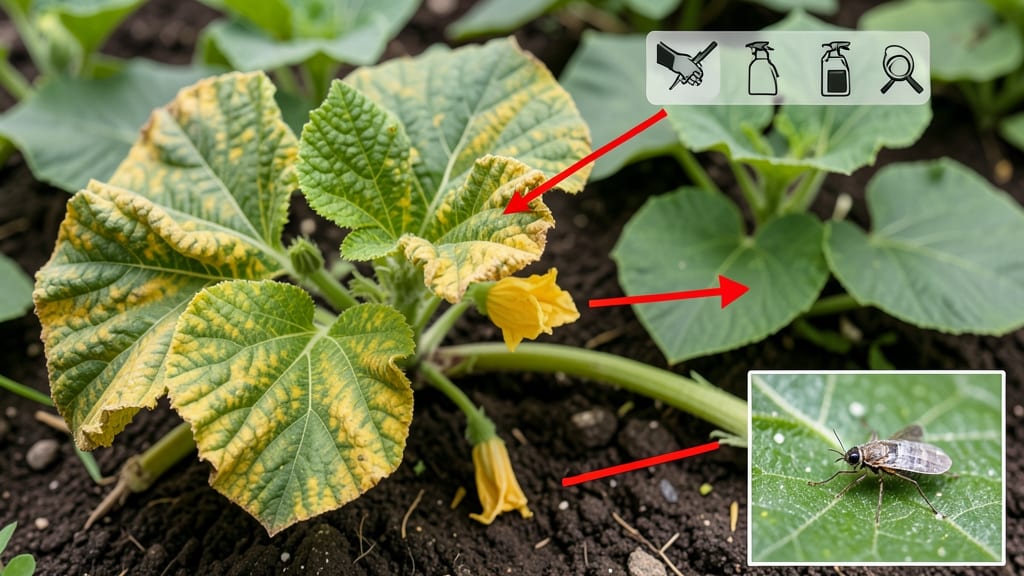
The virus spreads through aphids, so the first step is cutting off infected plants at the base (yes, even if they’re still green) to stop the spread. Then, I turn to a neem oil spray mixed with insecticidal soap—applied every 5-7 days—to starve aphids and break their life cycle.
It’s not a cure, but it buys you time to harvest what you can from healthy plants.
By the time you’ve removed the worst cases and sprayed, your garden’s aphid population will crash, and new growth will push out straighter and stronger. The key is speed—catch it early, and you’ll salvage at least half your crop.
If this happens again next season, switch to resistant varieties like ‘Defender’ or ‘Early Prolific Straightneck’—they’re the only real long-term fix.
This isn’t just about saving a few squash—it’s about stopping the virus from turning your whole garden into a leaf-curl disaster. Grab the spray bottle, and let’s get those vines back on track before the aphids win.
Root Causes of Squash Leaf Curl
Squash leaf curl virus (SLCV) is a stubborn foe for gardeners and farmers alike, but understanding why it strikes can help you fortify your defenses. This virus, spread primarily by insects and contaminated tools, thrives in specific conditions and exploits weaknesses in your plants.
Below, we break down the key factors that turn a healthy squash patch into a battleground for curled, stunted leaves.
The primary culprit behind squash leaf curl virus is the whitefly, a tiny, sap-sucking insect that spreads the virus like a digital file through a network. Here’s how it works:
- Viral Transmission: Whiteflies don’t just feed—they inject the virus into your plants while sucking out nutrients. A single whitefly can carry multiple strains of SLCV, making it a walking (or flying) biohazard.
- Exponential Spread: These insects reproduce rapidly (up to 400 eggs per female!) and thrive in warm, humid conditions—ideal for virus proliferation. Once established, they create a feedback loop: more whiteflies = more virus = more whiteflies.
- Seasonal Surges: Whiteflies peak during summer months (June–August in most climates), which is why squash plants often show symptoms mid-season when vines are already stressed from flowering and fruiting.
Actionable Insight: If you spot whiteflies (tiny, white, moth-like insects fluttering above leaves), act immediately. Delaying treatment gives the virus time to spread to neighboring plants.
SLCV isn’t just about insects—it’s also about environmental conditions that create the perfect storm for outbreaks. Research shows the virus replicates faster in:
- Temperatures Between 70–90°F (21–32°C): Whiteflies and the virus itself are most active in this range. Cooler mornings or evenings slow them down, but consistent heat accelerates the problem.
- High Humidity (60%+): Humid air doesn’t just make you uncomfortable—it weakens plant defenses and creates a sticky, ideal environment for whiteflies to thrive. Think of it as a buffet for pests.
- Overcrowded Plants: Squash vines left too close together trap moisture and reduce airflow, turning your garden into a whitefly paradise. Poor circulation = slower drying = longer virus spread.
Pro Tip: 🌡️ Monitor your local weather forecasts and use shade cloth or drip irrigation (to keep foliage dry) during peak whitefly seasons.
You might assume SLCV only spreads via insects, but human activity plays a surprising role. The virus can survive on:
- Pruning Shears: If you snip an infected leaf and then use the same tool on a healthy plant, you’re directly transferring the virus. SLCV can linger on metal blades for hours.
- Gloves and Hands: Sap from infected plants can contain viral particles. Rubbing your hands on your face or touching other plants after handling sickly squash is a fast track to contamination.
- Reused Grafting Materials: If you’re grafting squash (a common practice for disease resistance), ensure all tools and rootstocks are sterilized with rubbing alcohol.
Critical Step: 🔪 Sanitize tools between plants with a 10% bleach solution (1 part bleach to 9 parts water) or 70% isopropyl alcohol. Never reuse gloves or rags without washing them.
A healthy squash plant is like a fortress—strong cell walls and robust defenses make it harder for viruses to take hold. But when plants are stressed, they become vulnerable:
- Nutrient Deficiencies: Lack of nitrogen, phosphorus, or potassium weakens leaves, making them easier targets for whiteflies. Yellowing leaves (chlorosis) are a red flag.
- Water Stress: Both overwatering (root rot) and underwatering (wilting) compromise a plant’s ability to fight off pathogens. Aim for consistent moisture, not soggy soil.
- Poor Soil Health: Compacted or depleted soil limits root growth, reducing the plant’s overall vitality. Add compost or organic matter to boost resilience.
- Pest Damage: Other insects (like aphids or spider mites) pre-weaken plants, creating entry points for SLCV. A single infestation can turn into a viral outbreak.
Defensive Strategy: 💪 Start with healthy seedlings from reputable sources, use mulch to retain moisture, and rotate crops yearly to prevent soil-borne stress.
By addressing these root causes—whiteflies, climate conditions, tool contamination, and plant stress—you’ll disrupt the virus’s lifecycle and give your squash a fighting chance. The next section covers how to treat infected plants before the damage spreads further.
How to Fix Squash Leaf Curl
Squash leaf curl virus (SLCV) can turn your thriving vines into a sad, stunted mess—but don’t give up yet! While there’s no cure for this viral infection, you can manage symptoms, protect healthy plants, and prevent further spread using organic, practical strategies.
Below, we break down cause-specific fixes and prevention tips to help you reclaim your garden.
Cause: Once a plant shows symptoms (curled leaves, stunted growth, yellowing), the virus is already spreading via aphids or contaminated tools. Fix:
- 🔪 Snip and toss infected plants (including roots) before aphids jump ship to healthy vines.
- 🚯 Do NOT compost—burn or bag them in sealed plastic to prevent reinfection.
- 🌿 Quarantine new plants for 2–3 weeks to spot early signs before they spread.
Pro Tip: 💡 Check the undersides of leaves daily—aphids love hiding there and are the #1 virus spreader!
Cause: Aphids transmit SLCV while feeding, and they thrive in crowded, dusty gardens. Fix:
- 🍃 Interplant with aphid-repelling herbs like basil, mint, or marigolds near squash.
- 🌿 Use reflective mulch (aluminum foil or silver plastic) to disorient aphids—they hate shiny surfaces!
- 💦 Spray plants with neem oil (1 tsp per quart of water + a drop of dish soap) every 5–7 days to deter pests.
Pro Tip: 🌡️ Water in the morning—aphids despise dry conditions and will flee to shadier spots.
Cause: Contaminated pruners, gloves, or soil can carry the virus between seasons. Fix:
- 🧼 Wipe tools with 70% rubbing alcohol or a 10% bleach solution between uses.
- 🌍 Solarize soil in late summer: Cover beds with clear plastic for 4–6 weeks to kill virus particles.
- 🪴 Avoid overhead watering—wet leaves attract aphids and spread disease faster.
Pro Tip: ✨ Rotate crops—never plant squash, cucumbers, or melons in the same spot two years in a row.
Cause: Weak, nutrient-deficient plants are easier targets for viruses and pests. Fix:
- 🍄 Add compost or worm castings to boost soil health before planting.
- 💧 Use liquid seaweed fertilizer (every 2 weeks) for natural disease resistance.
- 🌞 Ensure 6–8 hours of sunlight—weak, shaded plants stress easier.
Pro Tip: 💪 Prune lower leaves to improve airflow and reduce humidity (viruses love damp conditions).
If your squash shows early symptoms (just a few curled leaves), try: 1. 🍋 Spray with garlic-chili mix (blend 2 garlic cloves + 1 tbsp cayenne + 1 quart water; strain and spray).
- 🌿 Apply kaolin clay (like Surround WP) to create a protective barrier.
- 🔄 Monitor daily—if symptoms worsen, remove the plant ASAP.
✅ Buy certified disease-free seedlings (avoid bargain plants from sketchy nurseries). ✅ Inspect plants before bringing them home—look for aphids, sticky residue (honeydew), or odd leaf shapes. ✅ Install yellow sticky traps near plants to catch aphids early. ✅ Rotate crops—don’t plant squash family (Cucurbitaceae) in the same bed two years in a row.
Final Thought: While SLCV is stubborn, aggressive early action can save your garden. Focus on aphid control, sanitation, and plant strength—and you’ll minimize damage next season! 🌱💪
Frequently asked questions about squash leaf curl virus
Can I save a squash plant already showing leaf curl symptoms?
Unfortunately, once a plant shows symptoms like curled leaves or stunted growth, there's no cure. The virus spreads systemically, so remove the entire plant (roots and all) immediately to prevent further contamination. Even if it looks healthy, nearby plants may already be infected.
How do I tell if my squash has leaf curl virus or just nutrient deficiency?
Leaf curl virus causes distinct upward curling of leaves with a brittle, leathery texture, while nutrient deficiencies (like nitrogen lack) cause yellowing between veins or general wilting. Check for aphids or whiteflies—if present, it's likely viral. Nutrient issues respond to fertilizers; viral symptoms don't.
What’s the best organic spray to prevent aphids from spreading the virus?
A neem oil + insecticidal soap mix works best: blend 1 teaspoon neem oil with 1 quart water and 1 teaspoon dish soap. Spray every 5-7 days at dawn or dusk to avoid harming beneficial insects. For extra protection, add garlic spray (blended garlic + water) to repel aphids naturally.
Will my squash plants grow back next year if I remove infected ones now?
Yes, but you must sanitize the soil first. Solarize the bed by covering it with clear plastic for 4-6 weeks in summer heat to kill virus particles. Also rotate crops—don’t plant squash, cucumbers, or melons in the same spot for 2+ years to break the virus cycle.
Are there squash varieties that resist leaf curl virus?
Yes! Look for resistant hybrids like 'Defender' or 'Early Prolific Straightneck'—they’re bred to tolerate viral pressure. For heirlooms, 'Table Queen' shows moderate resistance. Always buy from certified disease-free nurseries to avoid introducing infected seedlings.