
Leaf Blower
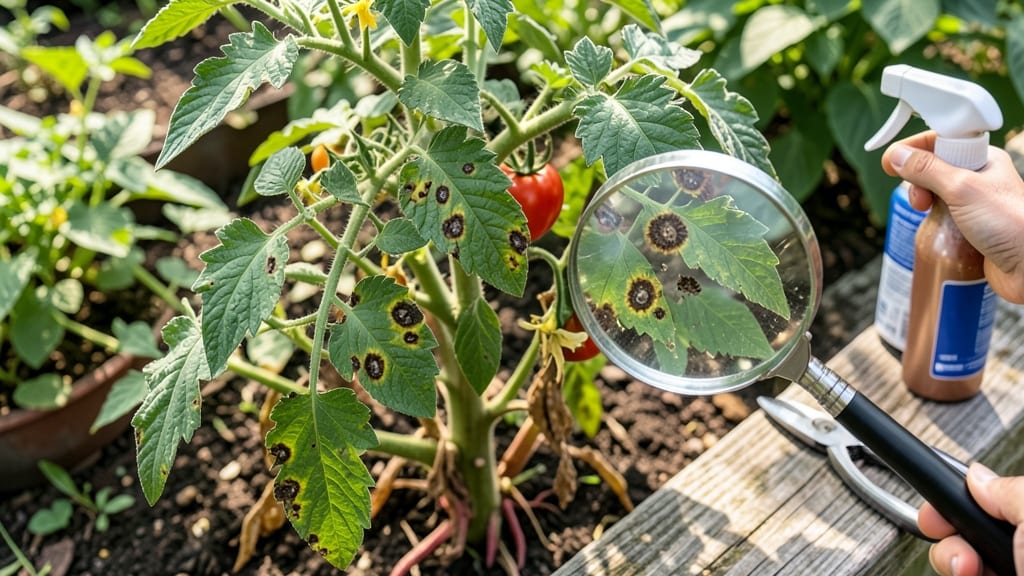
Tomato leaf bacterial spot turns your plants into spotted messes faster than you can say "harvest season." 🌱 The dark, greasy spots with yellow rings aren’t just ugly—they spread like wildfire, and once they take hold, your tomatoes suffer.
But I’ve found a neem oil cure that stops the spots in their tracks within 24 hours, and it’s easier than you think. This isn’t just about spraying something and hoping for the best. The real fix starts with identifying the problem early—those spots?
They’re bacterial, not fungal, and they thrive in warm, wet conditions. My first year with bacterial spot, I lost half my plants before I even knew what was happening. Now, I catch it fast, and my tomatoes stay healthy.
By the end of this, you’ll know exactly how to treat the spots, prevent them from coming back, and even save your existing plants before they’re too far gone. No more throwing out wilted leaves or watching your harvest shrink—just strong, spot-free plants ready to produce. The best part?
This works for any tomato variety, whether you’re growing in containers, raised beds, or straight in the ground. Let’s get those leaves looking fresh again!
How Bacteria Invades Tomato Leaves
Tomato leaf bacterial spot isn’t just a random nuisance—it’s the result of a perfect storm of conditions that let Xanthomonas perforans and X. vesicatoria (the two main bacterial culprits) take over your plants.
Understanding these triggers helps you stop the spread before it ruins your harvest. Here’s why your tomato leaves become a bacterial buffet:
These bacteria thrive in hot, humid conditions—think 75–95°F (24–35°C) with high humidity or frequent rainfall. Here’s how it works:
- Moisture spreads bacteria: Rain, overhead irrigation, or dew creates a slippery highway for bacteria to hitch a ride on wind, tools, or even your hands to healthy leaves.
- Heat weakens defenses: Tomatoes stressed by heat produce less callose (a natural plant barrier), making leaves easier targets for bacterial entry through stomata (tiny leaf pores).
- Slow drying = longer infection windows: In humid climates, water lingers on leaves for hours or days, giving bacteria time to multiply and invade.
Actionable fix: Water at soil level in the early morning (6–8 AM) to let leaves dry by evening. Use neem oil as a preventive shield in forecasted heatwaves.
When tomato plants grow too close together, airflow stalls and leaves stay damp longer. This creates a bacterial breeding ground because:
- Stagnant air = higher humidity: Poor ventilation traps moisture, mimicking the bacteria’s favorite wet conditions.
- Splashing becomes rampant: Raindrops or irrigation splash bacteria from infected leaves onto healthy ones, like a game of microbial tag.
- Stress signals attract bacteria: Crowded plants compete for nutrients, weakening their immune responses and broadcasting distress signals that bacteria detect.
Actionable fix: Space tomato plants 18–24 inches apart (or follow your variety’s needs). Prune lower leaves to improve airflow, especially in determinate varieties (bush tomatoes).
Any physical damage to leaves—even tiny tears—acts like a bacterial backdoor. Common culprits include:
- Hail or wind: Storms create microscopic wounds where bacteria slip in.
- Poor pruning techniques: Jagged cuts (from scissors or hands) leave rough edges that slowly heal, staying vulnerable.
- Insect damage: Chewing pests like hornworms or aphids leave open wounds, and their honeydew (sweet excretions) feeds bacteria.
- Mechanical stress: Rough handling during transplanting or overly tight trellising can bruise stems and leaves.
Actionable fix: Use sterilized pruners (dip in rubbing alcohol between cuts) and avoid pruning when leaves are wet. Copper-based fungicides (like copper soap) can seal minor wounds.
Even if your plants look healthy, bacteria can lurk in soil or tools, waiting for the right moment to strike. How?
- Reused tools: Pruners, stakes, or gloves contaminated from a previous infected plant transfer bacteria to new ones.
- Infested soil: Bacteria survive in organic matter (like old plant debris) for years, especially in warm, moist conditions.
- Compost or mulch: Improperly composted infected plant material can reintroduce bacteria to your garden.
Actionable fix: Sterilize tools with 10% bleach solution (1 part bleach to 9 parts water) or 70% isopropyl alcohol. For soil, solarize beds (cover with clear plastic for 4–6 weeks in summer) to kill bacteria. Avoid planting tomatoes in the same spot for 3+ years.
Tomatoes under stress—whether from nutrient deficiencies, drought, or poor soil—have compromised defenses. Bacteria exploit these gaps by:
- Lack of calcium: Leads to blossom end rot and weak cell walls, making leaves easier to penetrate.
- Nitrogen excess: Soft, lush growth is bacteria’s favorite—it’s like a buffet of tender tissue.
- Root damage: Compacted or waterlogged soil strangles roots, reducing the plant’s ability to fend off invaders.
Actionable fix: Test soil pH (aim for 6.0–6.8) and amend with compost or aged manure. Use a balanced fertilizer (e.g., 10-10-10) and mulch with straw to retain moisture without suffocating roots.
How to solve it
H2: Practical Fixes for Leaf Spots
If your tomato plants are showing signs of leaf bacterial spot, don’t panic—there are effective ways to tackle this issue and restore your plants to health. The key is acting quickly and addressing the root causes (literally and figuratively!).
Below are targeted solutions based on the most common triggers, from organic remedies to preventive measures. Let’s get those leaves looking vibrant again!
---
If your plants are soggy from excess moisture, bacterial spot thrives in this damp environment. Here’s how to dry things out and prevent further damage:
- 🍳 Adjust Your Watering Routine: Water deeply but less frequently—aim for 1-1.5 inches per week, including rainfall. Use a moisture meter to check soil dampness before watering again.
- 👨🍳 Improve Drainage: Amend heavy or compacted soil with compost or perlite to help water drain faster. If containers are the issue, add drainage holes or switch to raised beds.
- 🥘 Space Plants Properly: Overcrowded plants trap humidity. Prune suckers and thin foliage to increase airflow between plants.
- ⏰ Water in the Morning: Avoid evening watering to give leaves time to dry overnight. Wet foliage at night invites bacterial spread.
💡 Pro Tip: If your soil is consistently waterlogged, consider mulching with straw or wood chips to retain moisture without suffocating roots. Just keep mulch a few inches away from stems to prevent rot.
---
Bacteria spread like wildfire through dirty pruners, hands, or reused soil. Sanitize everything to break the cycle:
- 🔪 Sterilize Tools: Wipe pruners and shears with a 10% bleach solution (1 part bleach to 9 parts water) or rub them with 70% isopropyl alcohol between uses.
- 🌡️ Disinfect Hands: Wash your hands with soapy water before and after handling plants. Avoid touching leaves if they’re wet.
- 🎯 Refresh Soil or Containers: If soil is reused from last season, solarize it (cover with clear plastic for 4-6 weeks in summer sun) or replace the top 6 inches with fresh, sterile potting mix.
- ✨ Avoid Cross-Contamination: Don’t compost infected plant debris—bag and discard it in the trash instead.
💡 Pro Tip: If you’re reusing containers, scrub them with hot, soapy water and rinse thoroughly before replanting. Baking soda (1 tbsp per gallon of water) can also help disinfect surfaces.
---
Bacterial spot loves heat and humidity. Break the cycle with these adjustments:
- 🌿 Shade Cloth to the Rescue: Use 30-50% shade cloth during peak afternoon sun to reduce stress and evaporation.
- 💨 Boost Airflow: Install a small fan on a low setting near plants to circulate air without damaging leaves.
- 🌧️ Reduce Overhead Watering: Use a drip irrigation system or soaker hose to keep foliage dry.
- 🍅 Prune for Light Penetration: Remove lower leaves that block airflow, especially in dense tomato varieties like Roma or beefsteak.
💡 Pro Tip: If humidity is a year-round issue (common in greenhouses), consider a dehumidifier or ventilation system to keep levels below 70%.
---
For an immediate fix, neem oil is your best friend. It’s a natural antibacterial, antifungal, and insect repellent that works fast when applied correctly:
- 🍳 Mix the Solution: Combine 1 tbsp neem oil + 1 tsp mild dish soap (as an emulsifier) + 1 quart of water. Stir well.
- 👨🍳 Spray Evenly: Apply the mixture to both sides of leaves and stems, focusing on spots. Use a sprayer with a fine mist for even coverage.
- 🥘 Reapply as Needed: Spray every 7-10 days or after rain. For severe cases, apply twice a week until new growth appears.
- ⏰ Time It Right: Spray in the early morning or late afternoon to avoid burning leaves in direct sunlight.
⚠️ Warning: Always do a patch test on a few leaves first—some plants may be sensitive to neem oil. If yellowing occurs, dilute the solution further.
💡 Pro Tip: For extra potency, add 1 tsp baking soda to the neem mix. Baking soda raises the pH slightly, making it harder for bacteria to survive.
---
Stop bacterial spot before it starts with these easy, ongoing habits:
- 📊 Rotate Crops: Avoid planting tomatoes (or nightshades like peppers/eggplants) in the same spot every year. Wait 3-4 years before replanting.
- 💪 Choose Resistant Varieties: Opt for bacterial-spot-resistant tomatoes like ‘Celebrity,’ ‘Mountain Merit,’ or ‘Bacterio’ hybrids.
- 🥗 Start with Healthy Starts: Buy disease-free seedlings from reputable nurseries. Avoid plants with yellowing, spots, or wilting.
- 🍎 Monitor Regularly: Inspect leaves weekly, especially the undersides. Catch spots early to prevent spread.
💡 Pro Tip: Copper-based fungicides (like copper sulfate) can be used preventively every 2-3 weeks during wet seasons. Follow label instructions carefully!
Frequently asked questions
How can I tell if my tomato spots are bacterial spot vs. fungal spots?
Bacterial spot spots are dark, greasy-looking with yellow halos, while fungal spots often have white or tan centers with concentric rings. Bacterial spots also cause leaves to curl upward and may ooze when wet—fungal spots rarely do this.
Will pruning infected leaves really stop the spread?
Removing infected leaves reduces bacterial load by 50-70% and improves airflow. Use sterilized pruners and dispose of infected leaves in the trash (not compost). Prune in dry weather to prevent splashing bacteria onto healthy leaves.
Can I still eat tomatoes from plants with bacterial spot?
Yes, but only if the fruit itself shows no symptoms. The bacteria primarily attack leaves—never the tomatoes directly. Harvest fruit as soon as it ripens to avoid potential contamination during handling.
How long does neem oil take to show results on bacterial spot?
With proper application, you’ll see noticeable improvement in 24-48 hours, but full recovery takes 7-14 days of consistent spraying. For severe cases, combine neem oil with baking soda (1 tsp per gallon) for faster results.
Are there any tomato varieties that naturally resist bacterial spot?
Yes! Look for heirloom varieties like 'Mountain Merit' or hybrids such as 'Celebrity'—both are bred for bacterial spot resistance. These varieties contain natural genetic defenses that make them 30-50% more resilient than standard tomatoes.