
Pests and Diseases
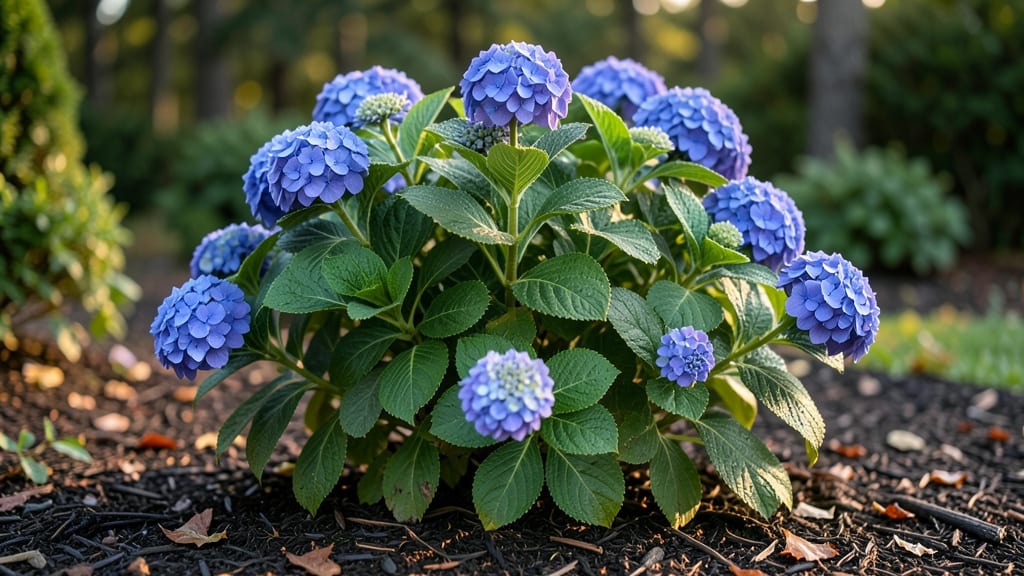
Your big leaf hydrangea could be struggling from one simple oversight—watering too much or too little. 💧 I’ve nursed back more than a few wilted bushes by adjusting just these two things, and the difference in blooms is shocking.
These plants thrive when their roots stay consistently moist but never soggy, especially during summer’s heat waves.
The secret isn’t just water, though. Big leaf hydrangeas demand morning sun and afternoon shade, rich but well-draining soil, and a winter blanket of mulch to protect their roots. Skip any of these, and you’ll see yellowing leaves or sparse blooms by summer.
I’ve learned the hard way—my first plant nearly died from too much shade, while another nearly drowned in heavy clay soil.
With the right care, you’ll end up with vibrant blooms from early summer through fall, and the foliage stays lush even in heatwaves. The key is pruning at the right time—right after flowering—and feeding them in early spring.
Once you nail these basics, your hydrangeas will reward you with colorful clusters that last all season.
Works in zones 5-9, whether you’re growing in full sun or partial shade. Let’s fix those wilting leaves for good—here’s how to keep them thriving all year.
📚 In This Guide
- What you need
- Instructions
- Tips and common mistakes
- Wrapping up and next steps
What you need
- ● Big leaf hydrangea plant – Choose a healthy, disease-free specimen from a reputable nursery. Opt for potted plants (3-5 gallons) or bare-root varieties for transplanting.
- ● Well-draining soil mix – A blend of 50% garden soil, 30% compost, and 20% perlite or sand (for aeration). pH 5.5–6.2 is ideal for blue/purple flowers; pH 6.0–7.0 for pink blooms.
- ● Organic mulch – 2–4 inches of pine bark, wood chips, or shredded leaves to retain moisture and regulate soil temperature.
- ● Slow-release fertilizer – Balanced 10-10-10 or acid-loving plant fertilizer (e.g., Miracle-Gro Azalea, Camellia & Rhododendron). Apply 2–3 times per year (spring, summer, early fall).
- ● Watering can or hose with adjustable nozzle – Aim for 1–1.5 gallons of water per week (deep watering 2–3 times per week).
- ● Pruning shears – Bypass pruners (sharp, clean, and disinfected) for shaping and deadheading. Avoid dull tools to prevent tearing stems.
- ● Gloves – Heavy-duty gardening gloves to protect hands from thorns and soil-borne pathogens.
- ● pH testing kit – Digital or liquid test kit to monitor soil acidity (critical for flower color!).
- ○ Fungicide (optional but recommended) – Copper-based or neem oil spray (e.g., Bonide Copper Fungicide) for preventive care against powdery mildew or leaf spot.
- ● Soil moisture meter – Ensures hydrangeas get the right amount of water without over- or under-saturating.
- ● Epsom salt (magnesium sulfate) – 1 tbsp per gallon of water (monthly spray) to prevent yellowing leaves caused by magnesium deficiency.
- ● Plant support (stakes or cages) – For heavy blooms (e.g., 3–4 ft bamboo stakes or metal cages).
- ● Rain barrel or drip irrigation system – Automates watering and reduces stress on roots.
- ● Aluminum sulfate or sulfur – Adjusts soil pH if natural amendments (e.g., pine needles) aren’t enough.
Step-by-step year-round care for big leaf hydrangeas
Here’s how to keep your hydrangeas lush and vibrant—no more wilting or yellowing leaves.
☀️ Step 1: Plant in the Right Spot with Full Sun to Partial Shade
Big leaf hydrangeas thrive in morning sun and afternoon shade, especially in hotter climates. I always plant mine where they get 4-6 hours of direct sunlight but avoid harsh afternoon rays that can scorch leaves. Dig a hole twice as wide as the root ball but only as deep—planting too deep suffocates roots.
Mix in 2-3 inches of compost into the bottom of the hole to boost soil fertility. This ensures your hydrangea gets the nutrients it needs right from the start. After planting, water deeply to settle the soil around the roots. You’ll know it’s right when the soil feels firm but still slightly loose.
💧 Step 2: Water Deeply and Consistently for Healthy Blooms
Hydrangeas love moisture, but soggy roots are a disaster. Water once a week (more in extreme heat) until the soil is 6 inches deep and damp. I check by sticking my finger into the soil—if it feels dry, it’s time to water. Mulch around the base with 2-3 inches of organic mulch to retain moisture and keep roots cool.
Yellowing leaves often mean overwatering or poor drainage. If your hydrangea sits in waterlogged soil, amend the area with sand or perlite to improve drainage. Avoid wetting the leaves when watering—this can lead to fungal issues. Water at the base instead.
✂️ Step 3: Prune in Late Winter or Early Spring for Stronger Growth
Prune after the last frost but before new growth starts. Cut back last year’s stems to 2-3 sets of buds from the base—this encourages bushier, fuller blooms. Avoid heavy pruning in fall, as it removes next year’s flower buds. I always use clean, sharp pruners to prevent tearing stems.
Remove any dead, diseased, or weak stems first. Then, shape the plant by cutting back overgrown branches. You’ll notice new shoots emerging within 4-6 weeks—that’s your sign the pruning worked. Never prune in summer, as it stresses the plant and reduces flowering.
🌿 Step 4: Feed and Protect for Year-Round Health
Apply a balanced, slow-release fertilizer in early spring and again in midsummer. I use a 10-10-10 formula to keep growth steady without burning roots. Avoid high-nitrogen fertilizers—they promote leaves over flowers. Water the soil well before and after applying fertilizer to help it absorb.
In winter, protect young plants with 2-3 inches of mulch to insulate roots from freezing temps. Older hydrangeas usually handle cold fine, but a thick layer of mulch prevents soil heaving. Watch for aphids or spider mites—spray with neem oil if you spot them early.
⏰ Step 5: Monitor and Adjust for Seasonal Changes
In summer, hydrangeas need more frequent watering—up to twice a week in heatwaves. If leaves start curling or wilting, move the plant to a shadier spot temporarily. I also check soil pH every spring—hydrangeas love acidic soil (pH 5.5-6.2) for those stunning blue blooms.
If your hydrangea isn’t blooming, it might need more sunlight or better drainage. Adjust its location or amend the soil as needed. With consistent care, your hydrangea will reward you with bold, vibrant blooms year after year.
Tips & tricks for perfect big leaf hydrangea care
Between us, these small adjustments make all the difference when your hydrangeas refuse to cooperate.
Location is Everything: That 4-6 hours of morning sun is non-negotiable for blue blooms. I’ve learned this the hard way—planting mine in full afternoon sun scorched the leaves by summer. If you don’t have morning sun options, consider a spot where they get filtered light through nearby trees. The key is avoiding that intense midday heat that causes wilting.
Soil Test Before Planting: Big leaf hydrangeas are divas about pH—aim for that 5.5-6.2 range for blue flowers. I test my soil every spring with a simple kit from the garden center. If it’s too alkaline (pH above 7), mix in sulfur or peat moss to lower it gradually. This isn’t a quick fix—it can take a season or two to shift the pH properly.
Watering Wisdom: The finger test is your best friend. Stick your finger 2 inches into the soil—if it feels dry, water until moisture reaches 6 inches deep. I’ve seen gardeners overwater because they think "more is better," but soggy roots lead to yellowing leaves and root rot. A soaker hose makes this easier by delivering water slowly at the base without wetting the leaves.
Pruning Precision: Those 2-3 sets of buds from the base? Count them carefully. I mark the spots with a pencil first to visualize where I’ll cut. And here’s the thing—never prune in summer. The plant needs all its energy for flowering, not recovering from cuts. Wait until after the last frost, and you’ll see new growth within 4-6 weeks that’ll make it worth the wait.
Pro Tips for Big Leaf Hydrangea
- Between us, these small adjustments make all the difference when your hydrangeas refuse to cooperate.
- Location is Everything: That 4-6 hours of morning sun is non-negotiable for blue blooms. I’ve learned this the hard w...
- Soil Test Before Planting: Big leaf hydrangeas are divas about pH—aim for that 5.5-6.2 range for blue flowers. I test...
Frequently asked questions
Got questions about keeping your big leaf hydrangea thriving? You’re not alone!
Here are answers to the most common concerns—from wilting leaves to seasonal care—so you can enjoy lush blooms all year.
Why are my big leaf hydrangea leaves wilting or turning yellow?
Wilting or yellowing leaves often signal overwatering or underwatering. Big leaf hydrangeas thrive in moist but well-draining soil. Check the top 2 inches—if it’s soggy, reduce watering; if dry, give it a deep drink. Yellowing can also mean nutrient deficiency (try a balanced fertilizer) or root rot (improve drainage ASAP).
When is the best time to prune big leaf hydrangeas?
Prune right after flowering (late summer to early fall) to avoid cutting off next year’s blooms. Avoid heavy pruning in spring—these hydrangeas bloom on old wood. For shaping, use clean shears to trim back 1/3 of the stems to encourage bushier growth. Never prune in winter—it stresses the plant.
What pests or diseases should I watch for?
Big leaf hydrangeas are tough but can fall prey to aphids, spider mites, or powdery mildew. Spot aphids? Blast them off with water or use insecticidal soap. For mildew, improve airflow and apply neem oil. Leaf spot fungus? Remove infected leaves and avoid overhead watering. Prevention is key!
How do I protect big leaf hydrangeas in winter?
Mulch the base with 3–4 inches of organic mulch (like shredded bark) in late fall to insulate roots. Wrap young plants in burlap if temps drop below 10°F. Avoid pruning in winter—wait until spring to check for dead stems. No need to cover mature plants unless your winters are brutally harsh.
Can I grow big leaf hydrangeas in containers?
Choose a large container (at least 15 gallons) with drainage holes and use well-draining potting mix. Move pots to partial shade in summer to prevent leaf scorch. Water consistently—containers dry out faster—and fertilize monthly during growing season. Pro tip: Repot every 2–3 years to refresh nutrients!
Still stumped?
Drop your question in the comments—we’re happy to help your hydrangea bounce back!
Wrapping up and next steps
Caring for your big leaf hydrangea is all about consistency, patience, and a little know-how!
By mastering year-round maintenance—from pruning at the right time to watching for pests and diseases—you’ll keep those lush blooms vibrant and healthy. 🌿 Remember, even the most experienced gardeners face challenges, but with these tips, your hydrangea will thrive for seasons to come.
Ready to take the next step? Grab your pruners and soil pH tester—then schedule a monthly check-in with your plant. Observe, adjust, and enjoy the rewarding journey of growing a stunning big leaf hydrangea that steals the show in your garden! 🌸