
Pruning
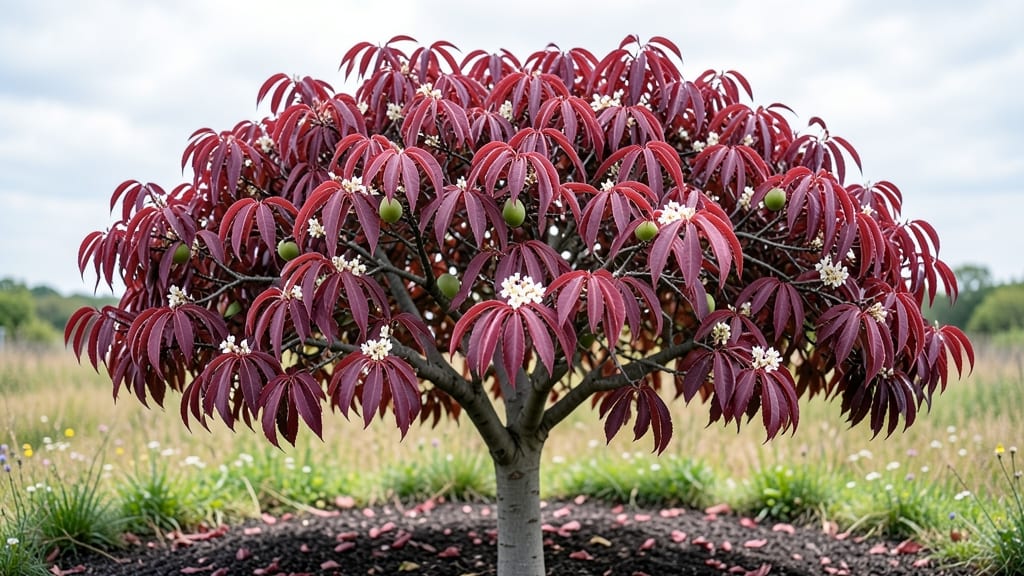
The Royal Red Leaf peach tree turns your yard into a fireworks display every fall. 🌟 Its brilliant red foliage outshines any ornamental tree, and the bonus is those sweet, juicy peaches in summer.
I planted mine in zone 5 last spring, and it’s now the star of my landscape—with zero fuss. This tree thrives where others fail: full sun, well-drained soil, and 15-20 feet of space to stretch its branches. The secret to its cold hardiness?
Planting in a sheltered spot and watering deeply once a week during dry spells. Prune in late winter to shape it and improve airflow, which keeps diseases at bay. By summer, you’ll be harvesting peaches that taste like childhood memories.
The foliage stays vibrant until frost, and even when bare, its sturdy branches add winter structure. Best of all, it’s disease-resistant, so you spend less time spraying and more time admiring. Works in urban yards, rural homesteads, or even large containers if you’re short on space.
Here’s how to keep it thriving for decades—no green thumb required.
📚 In This Guide
- What you need
- Instructions
- Tips and common mistakes
- Wrapping up and next steps
What you need
- ● Pruning shears: Sharp, bypass-style shears (2-4 inches long) for clean cuts on small branches.
- ● Loppers: 6-8 inch bypass loppers for thicker branches (up to 2 inches in diameter).
- ● Pruning saw: A curved-tooth saw for branches thicker than 2 inches.
- ● Gloves: Heavy-duty, cut-resistant gloves (size medium to large) for protection.
- ● Disinfectant: 70% rubbing alcohol or bleach solution (1 part bleach to 9 parts water) to sterilize tools.
- ○ Pruning sealant: Tree wound pruning paste (optional but helpful for large cuts).
- ● Bucket or bag: For collecting pruned branches (5-gallon capacity recommended).
- ● Ladder (if needed): Sturdy, extension ladder (16-20 feet) for taller trees.
- ● Hand saw: For stubborn, oversized branches.
- ● Pole pruner: Extendable tool for high branches (10-15 feet).
- ● Work boots: With ankle support for stability on uneven ground.
- ● Safety glasses: To protect eyes from debris.
- ● Notepad & pen: To jot down pruning notes or sketch a tree map.
Step-by-step instructions for planting and caring for a Royal Red Leaf peach tree
Here's how to establish this cold-hardy beauty for years of reliable harvests.
🌱 Step 1: Choose the Perfect Planting Site
The Royal Red Leaf peach thrives in full sun—at least 6-8 hours of direct sunlight daily. I always pick the warmest, most sheltered spot in my yard, protected from late spring frosts. This variety handles colder climates better than most peaches, but it still needs well-drained soil with a pH between 6.0 and 7.0. Test your soil first—amending with compost improves drainage and fertility.
Dig a hole twice as wide as the root ball but only as deep as the container it came in. The tree's graft union (the swollen area near the base) should sit 2-3 inches above ground level—this prevents rot and ensures proper growth. Loosen the roots gently if they're circling or bound, then spread them out in the hole.
💧 Step 2: Plant and Water Deeply
Backfill the hole with native soil, tamping lightly every 6 inches to remove air pockets. Water deeply as you go—this helps soil settle around the roots. Once planted, water again until the soil is thoroughly moist 12 inches down. A young Royal Red Leaf needs 1-2 gallons of water per week during its first year, more in extreme heat.
Mulch the base with 3-4 inches of organic mulch (like wood chips), keeping it 6 inches away from the trunk to prevent rot. This mulch layer retains moisture and regulates soil temperature. Avoid piling mulch against the trunk—it traps moisture and invites pests. After planting, avoid disturbing the root zone for at least 4-6 weeks to let roots establish.
☀️ Step 3: Provide Seasonal Care for Optimal Growth
In early spring, apply a balanced 10-10-10 fertilizer (about ½ pound per 100 square feet) when buds swell but before leaves emerge. This jumpstarts growth after winter dormancy. Prune in late winter or early spring before new growth begins—remove dead, crossing, or diseased branches first. Thin out crowded branches to improve airflow and sunlight penetration.
During summer, water deeply once a week unless rainfall provides 1 inch of moisture. The Royal Red Leaf handles heat well, but consistent moisture prevents fruit drop. Watch for peach tree borers—wrap the trunk with burlap or tree guard in early summer to deter them. Harvest fruit when it's firm but yields slightly to gentle pressure—usually late July to early August depending on your zone.
✂️ Step 4: Winterize for Cold-Hardy Success
In fall, reduce watering as temperatures drop—keep the soil moist but not soggy. Apply a 2-3 inch layer of mulch around the base (but not touching the trunk) to insulate roots. The Royal Red Leaf handles down to -20°F, but young trees benefit from wrapping the trunk with burlap or tree wrap to prevent sunscald. Prune again in late winter to remove any winter-damaged branches.
Here's the thing—this variety's cold hardiness is its superpower, but it still needs proper winter care to thrive long-term. Avoid heavy pruning in winter, as new growth is vulnerable to late frosts. Instead, focus on cleaning up debris around the tree to reduce pest overwintering. With consistent care, your Royal Red Leaf will reward you with juicy, flavorful peaches for decades.
Tips & tricks for perfect Royal Red Leaf peach tree planting and care
Real talk: Getting your Royal Red Leaf peach tree off to the right start makes all the difference. Here's what nobody tells you about maximizing its cold-hardy potential.
Site Selection Insight: While the 6-8 hours of sun requirement is non-negotiable, I always scout locations during the warmest part of the day—typically mid-afternoon. The Royal Red Leaf's cold tolerance shines when it gets afternoon warmth to ripen fruit properly. Look for spots protected from prevailing winds, especially if you're in Zone 4 or 5 where late spring frosts are more common. A south-facing wall or fence adds valuable heat during chilly mornings.
Planting Precision: That 2-3 inch graft union elevation is critical—don't guess! Use a level to ensure proper positioning. I've seen many gardeners bury the graft union too deep, which leads to weak growth from the rootstock rather than the desired Royal Red Leaf variety. Also, consider planting a few inches deeper in sandy soil (which drains too quickly) to help retain moisture during establishment. The wider hole you dig (twice as wide as the root ball) gives roots room to spread without circling, which is especially important for this vigorous variety.
Watering Wisdom: The 1-2 gallons weekly guideline works for average conditions, but I've learned the hard way that extreme heat demands more. In summer heatwaves, I increase to 3-4 gallons weekly and monitor soil moisture by sticking my finger 2-3 inches down—if it's dry, water again. The key is deep, infrequent watering that encourages deep root growth. A soaker hose or drip irrigation system makes this easier and prevents fungal issues from overhead watering.
Seasonal Care Secret: When applying that ½ pound of 10-10-10 fertilizer per 100 square feet in early spring, I always split it into two applications—half when buds swell and half again in early summer after fruit set. This two-step approach prevents over-fertilizing while still giving your tree the nutrients it needs for both growth and fruit production. And here's a pro move: mix a handful of bone meal into the soil at planting time for extra phosphorus, which supports strong root development and fruit formation.
Pro Tips for Royal Red Leaf Peach Tree
- Real talk: Getting your Royal Red Leaf peach tree off to the right start makes all the difference.
- Site Selection Insight: While the 6-8 hours of sun requirement is non-negotiable, I always scout locations during the warmest part of the day—typically mid-afternoon.
- Planting Precision: That 2-3 inch graft union elevation is critical—don't guess!
Frequently asked questions
Can Royal Red Leaf peaches survive in Zone 4 winters?
The Royal Red Leaf is one of the few peach varieties bred for cold hardiness, but Zone 4’s harsh winters (below -20°F) can still stress young trees. Protect mature trees with mulch (4-6 inches) and tree wraps, and plant in sheltered microclimates like south-facing slopes. For extra safety, consider container growing and overwintering indoors.
When is the best time to prune my Royal Red Leaf peach tree?
Prune late winter or early spring (before buds swell) to avoid disease spread. Remove dead/diseased wood first, then thin branches for airflow. Avoid heavy pruning in fall—it can stimulate late growth vulnerable to frost. Summer pruning (after harvest) is optional but helps shape the tree and reduce fruit load for next year.
What pests or diseases should I watch for with Royal Red Leaf peaches?
Common issues include:
- Peach leaf curl: Fungal disease causing puckered leaves. Spray copper fungicide in late fall/winter as prevention.
- Brown rot: Fungal spots on fruit. Remove infected fruit immediately and thin branches for airflow.
- Peach tree borers: Look for sawdust-like frass. Apply systemic insecticide in early summer or use beneficial nematodes.
- Aphids/mites: Spray with neem oil or insecticidal soap for mild infestations.
How long does it take for a Royal Red Leaf peach tree to bear fruit?
Patience is key! Royal Red Leaf trees typically bear fruit in 3–5 years from planting, but dwarf varieties may fruit sooner (2–3 years). Ensure full sun (6+ hours/day), well-draining soil, and consistent watering to speed up fruiting. Avoid over-fertilizing with nitrogen—it delays fruit production.
Can I grow Royal Red Leaf peaches in containers?
Yes! Dwarf or semi-dwarf Royal Red Leaf trees thrive in containers (15–25 gallon pots for mature trees). Use:
- Fast-draining mix (60% potting soil, 30% compost, 10% perlite).
- Large pots with drainage holes to prevent root rot.
- Move containers indoors (garage/unheated shed) in Zone 4 winters or use tree blankets.
What’s a good alternative if Royal Red Leaf isn’t available?
If you’re hunting for cold-hardy peaches, consider these Zone 4–9 friendly varieties:
- Reluctant Peach – Ultra-hardy (Zone 3!), reliable producer.
- Contender Peach – Disease-resistant, sweet fruit.
- Redhaven – Classic choice (Zone 5–9) with great flavor.
- Honey Babe – Early-season, cold-tolerant, and prolific.
Wrapping up and next steps
Growing a Royal Red Leaf peach tree is a rewarding journey that brings vibrant color and delicious fruit to your landscape—even in colder climates!
With the right pruning techniques, you’ll ensure a healthy, productive tree that thrives for years. Now’s the perfect time to roll up your sleeves and give your tree the care it deserves!
🌱 Your Next Step:
Start by scheduling your first pruning session in early spring or late winter. Grab your tools, follow the steps you’ve learned, and watch your Royal Red Leaf peach tree flourish! Happy pruning—and enjoy the sweet rewards of your labor! 🍑✨