
Shrubs
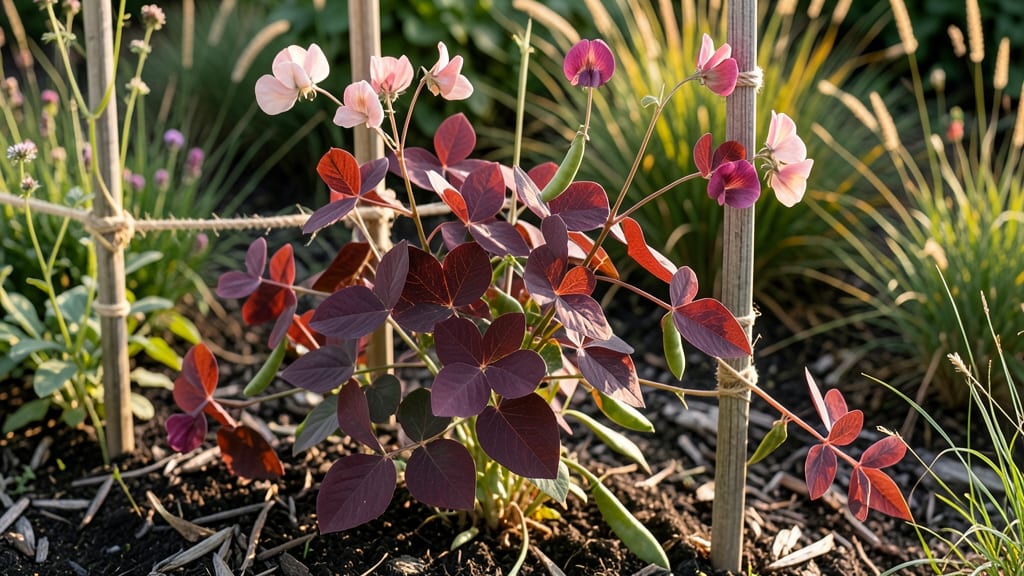
That fiery red foliage will make your garden the talk of the neighborhood—the Red Leaf Peach isn't just a tree, it's a year-round showstopper with stunning leaves and the bonus of edible fruit. 🌿 I planted mine last spring, and by summer, the deep burgundy leaves created a dramatic contrast against the green backdrop of my yard.
The secret to those vibrant leaves lies in the right balance of sunlight, soil, and a little pruning know-how.
This tree thrives in full sun but handles partial shade too, making it versatile for most gardens. Well-draining soil is key—think loamy and slightly acidic—because soggy roots lead to leaf drop faster than you can say "fall colors."
Water consistently but avoid overdoing it, especially once established. The first year is all about getting those roots strong, so mulch around the base to keep moisture in and weeds out.
By midsummer, you'll see clusters of small, peach-colored fruit forming—sweet but not the star of the show. The real magic happens in the leaves: they turn even more intense in cooler weather, creating a fiery display that lasts well into winter.
Prune in late winter to shape the tree and remove dead branches, but don't overdo it—this tree grows moderately fast and rewards patience with bold, healthy foliage.
Watch for spider mites or aphids, which love to snack on tender new growth. A strong spray of water usually sends them packing, but if they persist, neem oil works wonders.
With proper care, your Red Leaf Peach will become the centerpiece of your landscape, drawing admiring glances and maybe even a few questions about what kind of "magic" you used to keep those leaves so vibrant.
📚 In This Guide
- What you need
- Instructions
- Tips and common mistakes
- Wrapping up and next steps
What you need
- ● Red Leaf Peach plant: 1 healthy nursery-grown shrub (ensure it’s labeled Prunus cerasifera 'Atropurpurea' for the classic deep red foliage).
- ● Well-draining soil: A mix of native soil, compost (20% by volume), and perlite or sand (10%) to prevent waterlogging.
- ● Sunlight access: A location with full sun (6+ hours/day) or partial shade (4-6 hours) for milder climates.
- ● Watering supplies: Garden hose with adjustable nozzle or watering can (1-2 gallons capacity).
- ○ Drip irrigation kit (optional but recommended for consistent moisture).
- ● Fertilizer: Slow-release balanced fertilizer (10-10-10 or 20-20-20) or organic options like composted manure or worm castings.
- ● Mulch: 2-3 inches of organic mulch (e.g., wood chips, shredded bark) to retain moisture and suppress weeds.
- ● Garden tools: Trowel or hand shovel for planting.
- ● Pruning shears (sterilized with rubbing alcohol).
- ● Gloves (gardening or work gloves for protection).
- ○ Planting container (optional): A 15-20 gallon pot with drainage holes if growing in containers.
- ○ pH testing kit (optional): To check soil pH (ideal range: 6.0-7.0).
- ● Cold protection (for colder climates): Burlap wrap or frost cloth for young plants in zones < 6.
- ● Anti-desiccant spray (e.g., Wilt-Pruf) for winter.
- ● 🌡️ Climate note: Red Leaf Peach thrives in USDA zones 5-9. In hotter zones, provide afternoon shade to prevent leaf scorch.
- ● 💡 Soil prep: Amend heavy clay soil with gypsum or compost to improve drainage.
- ● 🎯 Planting time: Best planted in early spring or fall when temperatures are mild.
How to grow stunning red leaf peach trees
Here's the straightforward approach I've used to grow vibrant red-leaf peach trees that thrive year after year.
🌱 Step 1: Choose the Right Location and Planting Time
Red leaf peach trees need full sun—at least 6-8 hours daily—to develop their signature deep burgundy foliage. I always plant mine in late winter or early spring, when the soil is workable but before new growth begins. This gives roots time to establish before summer heat arrives.
Check your hardiness zone—red leaf peaches thrive in zones 5-9. If you're in a colder zone, plant near a south-facing wall for extra winter protection. The tree's vibrant color actually helps it tolerate colder temperatures better than standard peaches.
☀️ Step 2: Prepare the Soil and Plant Correctly
Dig a hole twice as wide as the root ball but only as deep as the container's base. Red leaf peaches prefer well-draining soil with a pH between 6.0-7.0. I mix the native soil with compost to improve fertility without compacting the roots.
Place the tree so the top of the root ball sits 1 inch above ground level. This prevents water from pooling around the trunk. Backfill with soil, tamp gently, and water deeply. The soil should settle about 1 inch—add more if needed to maintain that slight elevation.
💧 Step 3: Water and Mulch for First-Year Establishment
Water deeply once a week during the first growing season, providing 1-2 gallons per tree. You'll know it's enough when water drains 6 inches deep—stick your finger in to check. Overwatering is the biggest mistake here; soggy roots lead to root rot.
Apply 2-3 inches of mulch around the base, keeping it 6 inches away from the trunk. I use wood chips because they break down slowly and improve soil structure. This mulch layer helps retain moisture while keeping roots cool in summer and insulated in winter.
✂️ Step 4: Prune for Shape and Health Annually
Prune in late winter or early spring before buds swell. Remove dead, crossing, or diseased branches first. Then shape the tree by cutting back last year's growth by about one-third. This encourages bushier growth and better red foliage development.
Watch for suckers—those vigorous shoots growing from the base. Remove them immediately to direct the tree's energy into the main structure. Thin out crowded branches to improve airflow, which prevents fungal diseases that can dull the vibrant red color.
🌿 Step 5: Maintain Year-Round for Best Color
Fertilize in early spring with a balanced 10-10-10 formula, applying 1/2 pound per inch of trunk diameter. Red leaf peaches don't need heavy feeding—they're grown more for foliage than fruit. Too much nitrogen will encourage leaf growth at the expense of color intensity.
In fall, reduce watering but keep the soil slightly moist. The tree's striking red leaves actually develop deeper color when temperatures drop. Avoid heavy pruning in late fall—it stimulates new growth that won't harden off before winter.
Tips & tricks for growing vibrant red leaf peaches
Real talk: The difference between a red leaf peach tree that wows and one that fades comes down to these simple but critical steps I've learned over years of growing them.
Location is Everything: That 6-8 hours of full sun isn't just a suggestion—it's non-negotiable for those deep burgundy leaves. I've seen trees planted in partial shade develop pale, almost greenish foliage. If your yard doesn't get full sun, consider planting near a south-facing wall or fence that reflects sunlight. The tree's color actually intensifies in cooler climates, so don't be afraid to plant in zone 5 if you give it that extra winter protection near a wall.
Soil Science Matters: When mixing your native soil with compost, aim for a ratio of about 70% native soil to 30% compost. The key is improving drainage without overwhelming the roots. I test my soil pH every spring—if it's below 6.0, I add a bit of lime to bring it up. That 1-inch elevation you place the root ball on? It's not just about drainage—it prevents water from sitting against the trunk, which can cause rot. Think of it like creating a tiny hill for your tree to sit on.
Watering Wisdom: The 6-inch deep watering check is your best friend. I use a long screwdriver to test moisture—if it comes out dry, that's your cue to water. One mistake I made early on was watering too frequently with shallow watering. Now I set a timer for that weekly deep watering. And that 2-3 inches of mulch? It's not just decoration—it's insulation. In summer, it keeps roots cool; in winter, it protects against temperature swings that can stress the tree.
Pruning Payoff: That one-third cut back on last year's growth might seem dramatic, but it's what creates those lush, bushy trees with vibrant foliage. I always prune just after the late winter frost but before buds swell—this timing gives the tree time to heal before spring growth. And those suckers? They're sneaky. I make it a habit to check the base of the tree every couple of weeks during growing season and snip them as soon as I see them. It takes about 10 minutes but saves me from dealing with a jungle of unwanted growth later.
Pro Tips for Red Leaf Peach
- Real talk: The difference between a red leaf peach tree that wows and one that fades comes down to these simple but critical steps I've learned over years of growing them.
- Location is Everything: That 6-8 hours of full sun isn't just a suggestion—it's non-negotiable for those deep burgundy leaves.
- Soil Science Matters: When mixing your native soil with compost, aim for a ratio of about 70% native soil to 30% compost.
Frequently asked questions
How fast does a red leaf peach grow?
A red leaf peach grows at a moderate pace, typically adding 12–24 inches per year under ideal conditions. With proper care, it can reach its mature height of 6–10 feet in 3–5 years. Pruning in early spring encourages bushier growth and vibrant foliage.
When is the best time to plant a red leaf peach?
Plant your red leaf peach in early spring or fall, when soil temperatures are cool (above 40°F) but not scorching. Avoid summer heatwaves, as they stress young roots. If planting in fall, do so 6–8 weeks before the first frost to allow roots to establish before winter.
Why are the leaves turning brown or yellow?
Brown or yellow leaves usually signal overwatering, underwatering, or nutrient deficiencies. Check soil moisture—it should stay evenly moist but not soggy. Yellowing edges often mean low nitrogen; amend soil with compost. For crispy brown tips, reduce watering and ensure good drainage.
Can I grow a red leaf peach in a container?
Yes! This shrub thrives in large containers (15+ gallons) with drainage holes. Use a well-draining potting mix and repot every 2–3 years. Place in full sun to partial shade and water consistently. Containers limit root spread, so prune annually to maintain shape.
Are red leaf peaches prone to pests or diseases?
While generally hardy, they can attract aphids, spider mites, or scale insects. Treat infestations early with neem oil or insecticidal soap. Fungal issues (like powdery mildew) may occur in humid, poorly ventilated areas. Improve airflow and avoid overhead watering to prevent problems.
Wrapping up and next steps
Growing red leaf peach shrubs is a rewarding way to add vibrant color and texture to your landscape year-round! With the right care—sunlight, well-draining soil, and patience—their striking foliage will become the star of your garden.
Whether you’re a seasoned gardener or just starting, these hardy shrubs are a low-maintenance yet high-impact choice.
Ready to transform your outdoor space? Plant one today and watch it thrive—your garden will thank you! 🌿 For extra inspiration, explore companion plants or creative landscaping ideas to maximize its beauty.