
Leaf Blower
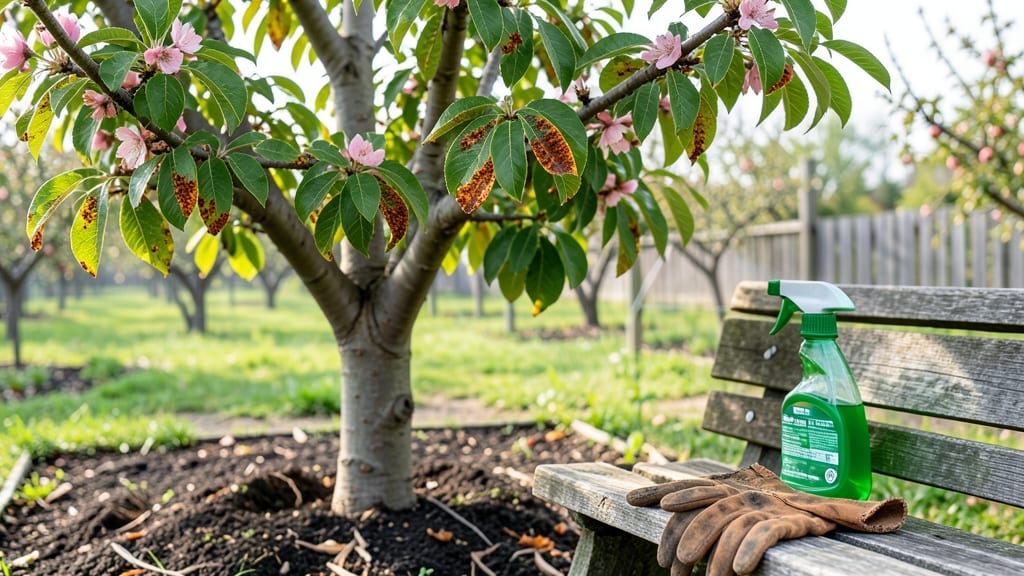
Peach leaf rust turns your tree’s canopy into a rust-colored nightmare—those bright orange pustules aren’t just ugly, they’re stealing your fruit’s future. 🌿 I’ve battled this fungus for years, and copper spray isn’t just a treatment; it’s the secret weapon that stops it before it spreads.
The key is acting fast, knowing what to look for, and applying the right mix at the right time.
This disease thrives when wet leaves linger, so prune for airflow and remove infected branches immediately. Organic options like copper fungicide work, but timing matters—spray before buds swell in early spring, then again after rain.
Chemical sprays like chlorothalonil offer stronger protection, but they require careful handling. Either way, you’ll see fewer pustules and more peaches if you stay ahead of the fungus.
By summer, your tree should look healthier with fewer curled leaves and more energy going into fruit. The copper spray builds up on leaves, creating a protective shield that lasts through multiple rain events. Just don’t skip the cleanup—bag and toss infected leaves to break the cycle next year.
Works for home orchards, backyard peach trees, and even container-grown varieties. Here’s how to make it happen without losing your sanity—or your harvest.
Root Causes Of Fungal Spread
Peach leaf rust isn’t just a random nuisance—it’s the result of specific conditions that create the perfect storm for fungal growth. Understanding these triggers helps you take targeted action to prevent or manage outbreaks before they spiral out of control.
Here’s a breakdown of the key factors that turn your peach tree’s leaves into a fungal buffet.
Fungal spores love moisture—they need it to germinate, infect, and spread. Peach leaf rust thrives when leaves stay wet for prolonged periods, which happens most often during:
- Heavy or frequent rain: Each rainfall event can splash spores onto leaves, increasing infection rates. Trees in low-lying areas or with poor drainage are especially vulnerable.
- Morning dew or fog: Overnight moisture lingers on leaves, giving spores up to 12 hours of ideal conditions to infect plant tissues. This is why rust often appears in patches rather than uniformly.
- Overhead irrigation: Watering from above mimics rain, spreading spores and keeping foliage damp. Drip irrigation or soaker hoses reduce this risk.
Actionable fix: Improve airflow around trees (prune dense branches) and avoid watering in the evening. If rain is forecasted, a copper fungicide spray can create a protective barrier.
Peach leaf rust spores dormant in winter but wake up when temperatures rise. The fungus peaks during:
- Spring and early summer (50°F–85°F / 10°C–29°C): Moderate warmth combined with humidity creates the sweet spot for spore germination. Rust often appears 3–4 weeks after bud break when new leaves are tender.
- Nighttime temperature swings: Cool nights followed by warm days increase dew formation, extending the window for infection.
- High humidity (>75%): Spores release sexual spores (teliospores) in wet conditions, which can overwinter on fallen leaves or bark, ready to reinfect the next season.
Actionable fix: Monitor local weather forecasts and apply preventive copper sprays before warm, humid periods begin. Resistant peach varieties (like ‘Redhaven’ or ‘Elberta’) can also help.
Trees with dense foliage or those planted too closely together trap moisture and reduce sunlight penetration—both of which fuel fungal growth. Key red flags:
- Overgrown branches: Pruning is often neglected, leaving shaded inner leaves damp and prone to rust.
- Compacted soil: Roots struggle to absorb water efficiently, leading to stress that weakens the tree’s natural defenses.
- Adjacent vegetation: Tall grass, weeds, or other plants near the tree create microclimates with higher humidity.
Actionable fix:
- 🔪 Prune in late winter to open the canopy and improve airflow.
- 🌱 Mulch with wood chips (not plastic) to regulate soil moisture without suffocating roots.
- 🌿 Remove competing plants within a 3-foot radius of the tree.
A healthy peach tree can tolerate some rust spores, but stress makes it an easy target. Common stressors include:
| Stressor | How It Helps Rust Spread |
|---|---|
| 💧 Drought or overwatering | Disrupts nutrient uptake, making leaves less resistant to fungal invasion. |
| 🍄 Previous fungal/bacterial infections | Compromises the tree’s ability to fight off new pathogens. |
| 🐛 Pest damage (e.g., aphids, mites) | Insects create wounds that provide entry points for spores. |
| 🌱 Poor soil nutrition | Deficiencies in nitrogen, phosphorus, or zinc weaken leaf structure, making them easier to penetrate. |
Actionable fix: Conduct a soil test and amend with compost or balanced fertilizer (e.g., 10-10-10). Apply neem oil to deter pests and ensure the tree gets 1–1.5 inches of water per week.
By addressing these root causes—moisture, weather, airflow, and tree health—you’re not just treating symptoms; you’re starving the fungus of the conditions it needs to thrive. The next step? A proactive copper spray schedule to keep your peach tree rust-free.
Quick Fixes for Leaf Spot Woes
Fungal leaf spots can turn your peach tree’s lush green canopy into a sad, brown mess—but don’t panic! With the right approach, you can revive your tree’s health and prevent future outbreaks. Below are targeted solutions based on the root cause of your problem, from quick fixes to long-term strategies.
If you’ve already spotted yellow-orange patches or curling leaves, act fast to stop the spread and protect your tree.
🔥 Prune Infected Branches
- Why? Removing infected leaves and branches stops the fungus from spreading to healthy parts of the tree.
- How?
- Use sterilized pruners (wipe with rubbing alcohol or bleach solution between cuts).
- Cut 6 inches below the last visible spot of infection.
- Dispose of clippings in a sealed bag (don’t compost them!).
- Pro Tip: 💡 Prune early in the day when branches are dry to reduce spore dispersal.
🍳 Apply a Fungicide Spray (Copper-Based Works Best)
Copper sprays are organic, effective, and safe for peach trees when used correctly.
- Best Options:
- Bordeaux mixture (copper sulfate + lime)
- Copper fungicide sprays (like Copper Soap or Cueva)
- Neem oil (mild option, best for prevention)
- How to Spray:
- Timing: Apply at dawn or dusk (avoid direct sunlight).
- Coverage: Spray both sides of leaves and the trunk until glistening wet.
- Frequency: Reapply every 7–14 days until new leaves emerge (then switch to prevention mode).
- ⚠️ Warning: Avoid spraying if rain is forecasted within 24 hours—it washes off the treatment.
Fungal spores love humidity and poor airflow. Tweak your tree’s environment to make it less hospitable.
🌬️ Improve Air Circulation
- Thin the canopy if branches are too dense (fungus thrives in shady, damp spots).
- Space trees properly (peach trees need 12–15 feet apart for airflow).
- Avoid overhead watering—use drip irrigation or water at the base.
☀️ Boost Sunlight & Reduce Moisture
- Prune nearby shade trees if they’re blocking sunlight.
- Water in the morning so leaves dry quickly.
- Mulch properly (2–3 inches of wood chips or straw, but keep it away from the trunk).
Once your tree is healthy, prevent recurrence with these low-maintenance habits:
🔄 Annual Copper Spray Schedule
- Preventative spray timing:
- Early spring (before buds swell)
- After heavy rains
- Every 4–6 weeks during growing season
🌱 Strengthen Tree Immunity
- Fertilize properly: Use a balanced fertilizer (10-10-10) in early spring—too much nitrogen weakens defenses.
- Watch for stress: Drought or root damage makes trees vulnerable. Mulch well and water deeply (1 inch per week).
🧹 Clean Up Debris Year-Round
- Rake and remove fallen leaves (fungus overwinters in them).
- Sanitize pruning tools after each use.
- Avoid planting peach trees in the same spot for 3+ years (rotates fungus buildup in soil).
- Compost tea (rich in beneficial microbes) can enhance soil health and tree resilience.
- Beneficial bacteria like Bacillus subtilis (found in some organic fungicides) outcompete harmful spores.
- Plant companion plants like garlic or marigolds near your peach tree—they repel fungi naturally.
Remember: Consistency is key! One treatment won’t cure chronic infections—but a combination of pruning, spraying, and good habits will save your peach tree’s beauty for years. 🌿🍑
Frequently asked questions about peach leaf rust
What do peach leaf rust pustules look like?
Peach leaf rust pustules appear as small, bright orange-yellow spots on the undersides of leaves, which later turn brown. The top of leaves may show yellow-orange patches that curl upward. These spots are actually fungal spores that release into the air when wet, spreading the disease.
Can I still harvest fruit from a tree with peach leaf rust?
Yes, but severe infections may reduce fruit quality. Remove heavily infected leaves to stop spore spread, but the fruit itself isn’t directly affected by the fungus. Monitor for secondary infections like brown rot, which can impact fruit quality more directly.
How often should I apply copper spray for prevention?
Apply copper fungicide every 10-14 days during peak growing season (spring to early summer) and after heavy rains. For prevention, 3-4 applications at 7-10 day intervals starting before bud break works best. Always follow label instructions for concentration.
Will pruning alone stop peach leaf rust?
No, pruning alone won't eliminate the fungus - it only removes infected parts. Combine it with copper spray treatments and proper sanitation (disposing of pruned material) for best results. The fungus overwinters in fallen leaves and buds, so comprehensive control requires multiple approaches.
Are there peach tree varieties resistant to leaf rust?
Some varieties show better resistance, like 'Redhaven' and 'Elberta'. However, no variety is completely immune. Focus on cultural practices (proper spacing, airflow) and preventive sprays for the best protection, especially in humid climates where rust spreads rapidly.