
Pests and Diseases
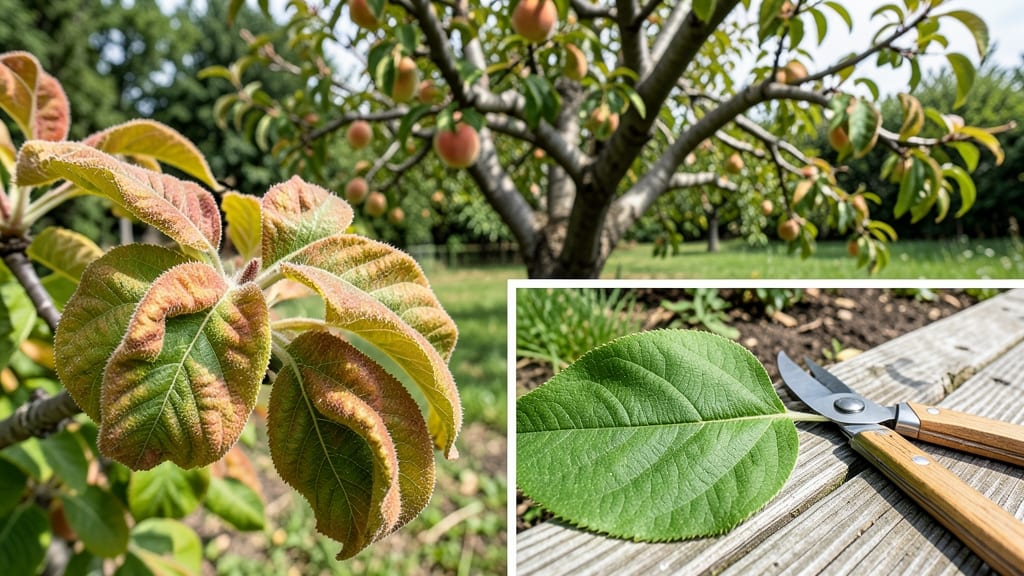
Your peach tree’s leaves curling into tight, twisted shapes isn’t just a quirky growth habit—it’s a cry for help. 🌿 Curly leaf peach disease turns vibrant foliage into brittle, stunted messes, and without action, your tree’s future hangs by a thread.
The good news? You can still fight back with the right approach, even if the cause—likely peach yellows phytoplasma—sounds scary.
This isn’t just about pruning away the obvious damage. The real battle starts with understanding why it happens: wind-borne insects spread the disease, and once it takes hold, your tree’s vascular system gets clogged like a flooded drain.
But here’s the thing—some trees can recover if you act fast, while others need the humane option of removal. We’ll cut through the confusion so you know exactly what to do.
By the end, you’ll spot early signs before they spiral, use organic treatments that actually work (yes, even for stubborn cases), and decide whether to nurse your tree back to health or make room for a replacement.
No more guessing—just clear, actionable steps that protect your harvest and your peace of mind.
Whether you’re dealing with a single branch or a full tree in crisis, this guide gives you the tools to turn the tide. Let’s get your peach tree back on track—before the next heatwave makes things worse.
Root Causes Behind Leaf Distortion
When your peach tree’s leaves start curling, twisting, or developing strange patterns, it’s rarely a coincidence—it’s usually a response to stress or infection. Curly leaf peach disease, caused by the Peach Rosette Virus (PRV), thrives under specific conditions, often linked to environmental factors, pests, or poor tree health.
Understanding these triggers is the first step to prevention and treatment. Let’s break down the key reasons why this frustrating disease takes hold.
The Peach Rosette Virus spreads most aggressively in hot, dry climates, particularly during late spring and summer when temperatures soar. Here’s how heat plays a role:
- Weakened Tree Defense: Extreme heat stresses peach trees, reducing their ability to fight off viral infections. When trees are already struggling with drought or nutrient deficiencies, they become prime targets for PRV.
- Viral Vector Activity: The virus is primarily transmitted by the peach aphid (Brachycaudus hellazoni), which thrives in warm weather. Aphids feed on infected leaves, then move to healthy trees, spreading the virus like a biological courier.
- Symptom Flare-Up: Heat accelerates viral replication, causing leaves to curl, thicken, and develop a reddish hue—classic signs of PRV. Cooler weather may mask symptoms, but heat forces them to surface.
Actionable Tip: Monitor aphid populations during heatwaves. Use neem oil or insecticidal soap to reduce their numbers before they spread the virus. 🌿
Aphids aren’t just a nuisance—they’re the primary vectors for Peach Rosette Virus. Here’s how they enable the disease:
- Persistent Feeding: Unlike some pests that bite and move on, aphids insert their mouthparts into plant tissue to suck out sap. This prolonged contact allows the virus to transfer from infected to healthy trees.
- Colony Behavior: Aphids reproduce rapidly, forming large colonies on new growth. A single infected aphid can start an outbreak, especially if it’s feeding on a tree already weakened by stress.
- No Cure, Only Control: Once a tree is infected, there’s no cure for PRV. The only way to stop the spread is to eliminate aphids before they infect other trees.
Pro Tip: Introduce ladybugs or lacewings to your orchard—they’re natural aphid predators! 🐞 For severe infestations, apply kaolin clay to create a barrier that aphids avoid.
A peach tree fighting malnutrition or disease is like an open invitation for PRV. Weak trees can’t resist viral attacks, leading to:
- Nitrogen Deficiency: Yellowing leaves (chlorosis) and stunted growth make trees more susceptible to infections. PRV exploits these gaps in the tree’s immune system.
- Water Stress: Overwatering or drought weakens root systems, reducing the tree’s ability to transport nutrients and fight pathogens. Even slight dehydration can trigger stress responses that make PRV symptoms worse.
- Previous Disease Damage: Trees recovering from fungal infections (like brown rot) or bacterial issues are often already compromised. PRV can move in and take over.
Fix It: Conduct a soil test to check nutrient levels. Amend soil with compost or organic fertilizer (like fish emulsion) to boost tree resilience. 🌱 Mulch around the base to retain moisture and reduce stress.
Human activity can accidentally spread PRV through:
- Infected Pruning Tools: If you prune an infected tree and then use the same shears on a healthy one, the virus can hitch a ride via sap or sap-smeared blades.
- Grafting with Infected Scions: PRV can be present in the buds or bark of grafted material. If you’re propagating peach trees, ensure your source plants are certified virus-free.
- Cross-Contamination in Nurseries: Shared equipment, potting soil, or even water sources can spread the virus between seedlings.
Prevent It: Always sterilize pruning tools with rubbing alcohol between trees. Avoid grafting from unknown sources, and quarantine new plants for symptoms. 🧼
By addressing these root causes—heat stress, aphid infestations, poor tree health, and contaminated tools—you can dramatically reduce the risk of curly leaf peach disease. Early intervention is key, so stay vigilant and act fast if you spot the first signs! 🚀
Fixing Peach Tree Leaf Issues Naturally
Curly leaf peach disease—caused by the Taphrina deformans fungus—can turn your peach tree’s leaves into twisted, stunted messes if left unchecked. But don’t worry! With the right approach, you can reverse damage, restore health, and prevent future outbreaks using organic, garden-friendly methods.
Below, we break down cause-specific fixes, step by step, so you can tackle the problem at its root.
Cause: Fungal spores thrive on diseased leaves, spreading to new growth. Fix:
- 🔪 Trim and dispose of all curled, discolored, or deformed leaves immediately. Use sterilized pruners (wipe with rubbing alcohol between cuts) to avoid cross-contamination.
- 🗑️ Bag and trash infected leaves—do not compost them, as the fungus can survive.
- 🌿 Prune for airflow: Thin out dense branches to improve circulation, reducing humidity (fungi love damp conditions).
💡 Pro Tip: Prune in early morning when leaves are dry to minimize spore spread.
Cause: The Taphrina deformans fungus spreads via spores, especially in wet springs. Fix:
- 🍯 Baking soda spray: Mix 1 tbsp baking soda + 1 tsp horticultural oil + 1 gallon water + a drop of dish soap (as a surfactant). Spray every 7–10 days during peak growth (spring to early summer).
- 🌿 Copper fungicide: Use a fixed copper spray (like Bonide Copper Fungicide) before buds swell in early spring. Follow label rates—copper is safe but can burn leaves if overused.
- 🍄 Neem oil: A preventative treatment, neem oil disrupts fungal spores. Mix 1 tbsp neem oil + 1 tsp soap + 1 quart water and spray weekly during rainy seasons.
⚠️ Warning: Avoid fungicides with sulfur—it can harm peach trees.
Cause: Overwatering or poor drainage creates soggy soil, perfect for fungal growth. Fix:
- 💧 Water deeply but less often: Peach trees need 1–1.5 inches of water per week. Water at the base (not overhead) to keep leaves dry.
- 🏗️ Amend soil: Mix in compost or sand to improve drainage, especially if your garden stays waterlogged.
- 🌧️ Use mulch: Apply 2–3 inches of organic mulch (straw or wood chips) around the base to reduce soil splashing onto leaves.
🌡️ Heat Tip: Water early in the day so foliage dries quickly, discouraging fungal spores.
Cause: Weak trees are more susceptible to fungal attacks. Fix:
- 🍄 Beneficial microbes: Apply mycorrhizal fungi or compost tea to strengthen roots and improve nutrient uptake.
- 🌿 Balanced fertilizer: Use a low-nitrogen, high-potassium fertilizer (like 5-10-10) in early spring to promote disease resistance.
- 🍎 Avoid over-fertilizing: Too much nitrogen = soft, susceptible leaves. Stick to moderate feeding.
✨ Bonus: Plant companion crops like marigolds or garlic nearby—they repel pests and improve soil health.
Cause: Fungal spores can overwinter in bark or fallen leaves. Fix:
- 🧹 Clean up debris: Rake and remove all leaf litter from under the tree fall and winter.
- 🎯 Dormant season spray: In late winter (before buds swell), spray the tree with copper fungicide or neem oil as a preventative shield.
- 🌿 Monitor regularly: Check leaves weekly in spring for early signs (yellowing, curling). Act fast—catching it early makes treatment easier!
💡 Final Tip: Rotate fungicides if you use chemical options to prevent resistance.
By combining pruning, organic sprays, smart watering, and soil care, you can save your peach tree and enjoy healthy, straight leaves—and juicy peaches! 🍑🌿
Frequently asked questions
What are the earliest signs of curly leaf peach disease?
Look for small, puckered leaves that appear thicker than normal, often with a yellowish or reddish tint. These symptoms first show up on new growth in spring, before progressing to full leaf curling. Check the undersides of leaves for white, powdery fungal growth—this confirms Taphrina deformans infection.
Can I save a peach tree already showing severe curly leaf symptoms?
It depends on how far the disease has spread. If only a few branches are affected, aggressive pruning (removing all infected growth) combined with copper fungicide sprays can help. However, if over 50% of the tree shows symptoms, removal may be the kindest option to prevent spread. Young trees often recover better than mature ones.
Is baking soda really effective against this fungal disease?
Yes! The alkaline nature of baking soda disrupts fungal spores when used correctly. Mix 1 tablespoon baking soda + 1 teaspoon horticultural oil + 1 gallon water and spray every 7-10 days during active growth. For best results, apply in early morning when humidity is lower. The oil helps the solution stick to leaves longer.
Will my peaches still be safe to eat if the tree has curly leaf disease?
The disease primarily affects leaves, not fruit directly. However, severely infected trees may produce smaller, lower-quality peaches due to reduced photosynthesis. Always wash fruit thoroughly before eating. If you're concerned, harvest peaches before they fully ripen and store them indoors to prevent fungal contamination.
How can I prevent this disease in my peach orchard next year?
Start with dormant season cleanup: Remove all fallen leaves and debris from under trees. Apply copper fungicide in late winter, then mulch heavily (2-3 inches) to prevent spore splash. Plant marigolds or garlic nearby as natural fungicides. Finally, sterilize pruning tools between trees using rubbing alcohol.