
How To
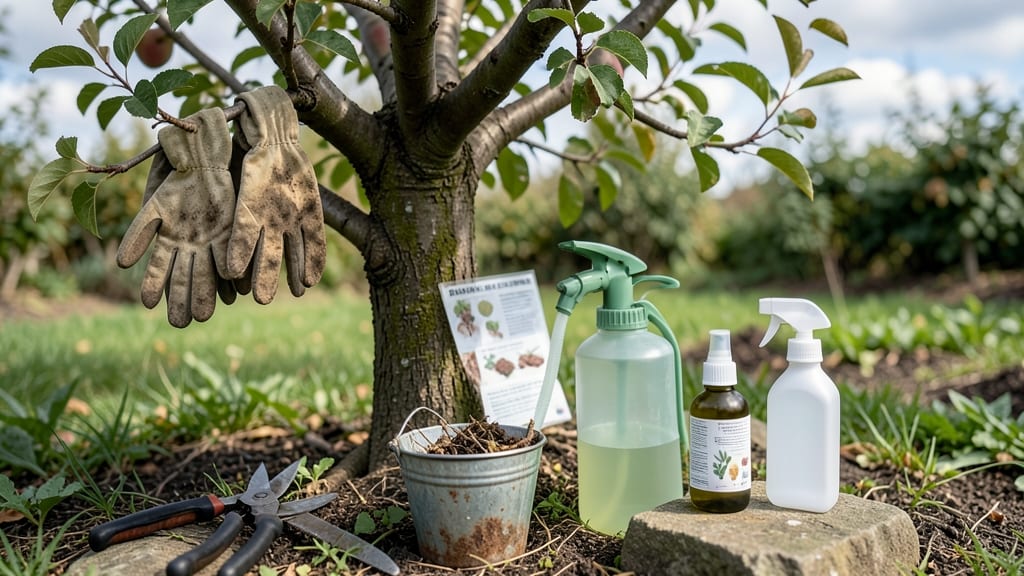
How to treat leaf curl on peach trees turns your tree’s spring beauty into crinkled, puckered messes before buds even open—and the fix starts in late fall. 🌿 I’ve watched this fungus steal the show in my own orchard, but now I know exactly how to break its cycle before it ruins another season’s harvest. The key? Timing, copper sprays, and a little pruning discipline you can master in under an hour.
This fungal disease thrives in damp winter conditions, hiding in buds until warm weather wakes it up. Most gardeners panic when they see those curled, reddened leaves in spring—but by then, it’s already spread.
The real work happens between November and January, when you apply copper fungicide to dormant branches. Think of it like a winter coat for your tree’s defense system.
You’ll see dramatic results by early spring: smooth, healthy leaves unfurling instead of those sad, curled disappointments. The best part? Once you establish this routine, recurrence drops to almost zero.
Even my black-thumb neighbor’s trees stayed clean after just two years of this method—no more throwing away half the crop to blight.
We’ll cover exactly when to spray (spoiler: not when it’s freezing), which copper products work best, and how to prune infected branches without spreading spores. Plus, I’ll debunk the myth that organic sprays alone can handle severe cases—sometimes you need the heavy artillery to win this battle.
Root Causes Of Leaf Curl
Peach trees develop leaf curl—a twisted, puckered appearance on leaves—due to a combination of environmental stressors and fungal infections. Understanding the why behind this issue is the first step to preventing it. Below, we break down the most common culprits, backed by science, so you can take targeted action.
The most common cause of leaf curl in peach trees is the Taphrina deformans fungus, a plant pathogen that thrives in moist, cool conditions. This fungus infects young, expanding leaves during spring, causing them to curl, thicken, and develop a waxy, yellowish-green appearance.
- How it spreads: The fungus overwinters in infected buds and twigs, then releases spores in spring when temperatures rise and moisture is high.
- Why it’s dangerous: Infected leaves can’t photosynthesize efficiently, weakening the tree and reducing fruit production.
- Key risk factors:
- Cool, wet springs (ideal for spore germination)
- Young trees or new growth (most susceptible)
- Poor air circulation (traps moisture near leaves)
💡 Pro Tip: If you notice curled leaves in early spring, act fast—fungicides like copper-based sprays or sulfur treatments can prevent spread before spores mature.
While fungi are the main villains, environmental conditions create the perfect storm for leaf curl. Peach trees are particularly vulnerable when:
- Excessive rainfall or overhead watering: Keeps leaves damp for long periods, encouraging fungal growth.
- High humidity: Reduces evaporation, prolonging moisture on leaf surfaces.
- Temperature swings: Cool nights followed by warm days stress trees, making them more susceptible to infection.
🌡️ Science Note: Studies show that leaf curl severity increases by 30-50% in years with prolonged spring rains (above 2 inches per week).
A stressed or malnourished peach tree is like an open invitation for fungi. Common weaknesses that invite leaf curl include:
- Nutrient deficiencies: Low nitrogen or potassium weakens leaves, making them easier targets.
- Compacted or waterlogged soil: Restricts root growth, reducing the tree’s ability to fight infections.
- Physical damage: Pruning wounds or hail scars create entry points for pathogens.
📊 Quick Check: Look for other signs of stress—yellowing leaves, stunted growth, or sparse foliage—to address underlying issues.
While fungi are the primary cause, some pests can worsen leaf curl by damaging leaves, creating entry points for infections.
Watch for: - Aphids: Sap-sucking insects that weaken leaves and spread fungal spores. - Scale insects: Leave a sticky residue (honeydew) that promotes fungal growth. - Mites: Cause leaf distortion, making trees more vulnerable to secondary infections.
🔥 Action Step: Use neem oil or insecticidal soap to control pests before they compromise your tree’s health.
Sometimes, well-meaning gardening habits accelerate leaf curl.
Avoid these mistakes: - Overhead irrigation: Watering from above keeps leaves wet longer than drip systems. - Heavy pruning in late winter: Encourages new growth just as fungi are becoming active. - Planting peach trees too closely: Reduces airflow, trapping moisture.
✨ Smart Fix: Space trees 15-20 feet apart and prune in late winter/early spring (before bud break) to minimize risk.
Not all peach trees are equally vulnerable. Some cultivars are genetically more resistant to leaf curl, while others are bred for susceptibility (e.g., freestone varieties).
If you’re planting new trees, research: - Resistant varieties: ‘Redhaven’, ‘Elberta’, or ‘Relenta’ (a modern hybrid with strong disease resistance). - Rootstock choices: Some rootstocks (like ‘Lovell’) are more tolerant than others.
🎯 Grower’s Note: If your current tree is highly susceptible, consider grafting resistant scions onto its rootstock for a long-term fix.
Fixing Leaf Curl Naturally
Leaf curl on peach trees might seem like a lost battle, but with the right approach, you can restore your tree’s health and prevent future outbreaks. Below are practical, step-by-step solutions tailored to the most common causes—fungal infections, environmental stress, and poor tree care.
Each fix includes actionable tips to stop the cycle and keep your peach tree thriving.
If leaf curl is caused by Taphrina deformans (the fungal villain), act fast to limit spread and strengthen your tree’s defenses.
🔪 Step 1: Remove Infected Leaves & Branches
- When: Early spring or fall (avoid pruning during wet weather).
- How:
- Use sterilized pruners (wipe with rubbing alcohol between cuts).
- Cut out all curled leaves, buds, and small branches showing symptoms.
- Bag and dispose of debris in the trash (not compost)—fungi can survive in soil.
- Pro Tip: 💡 If the tree is young, you can safely remove up to 25% of foliage without harming growth.
🛡️ Step 2: Apply Fungicidal Sprays
Preventative sprays are key, especially in humid climates.
Use copper-based fungicides (like copper sulfate or copper fungicide sprays) or neem oil (a natural antifungal). - Timing: - First spray: Just before bud break (late winter/early spring). - Second spray: After petal fall (when fruit is forming). - Third spray: 4–6 weeks later. - Recipe for DIY Neem Oil Spray: - 1 tbsp neem oil - 1 tsp dish soap (as an emulsifier) - 1 quart water - Shake well and spray evenly on leaves (avoid fruit if eating fresh).
🌱 Step 3: Boost Tree Resilience Fungal infections thrive on weak trees.
Help your peach tree fight back: - Water deeply but infrequently (1–2 inches per week) to avoid soggy soil. - Mulch around the base (2–3 inches of wood chips or straw) to regulate moisture. - Avoid overhead watering (use drip irrigation or water at the base).
If leaf curl stems from heat stress, drought, or poor soil, focus on rebalancing conditions to reduce vulnerability.
💧 Step 1: Hydrate Properly
- Signs of drought stress: Wilting leaves, dry soil, or leaves curling upward.
- Fix:
- Water deeply 2–3 times per week (early morning is best).
- Use a moisture meter or the "finger test" (stick your finger 2 inches into soil—if dry, water).
- Mulch heavily to retain moisture.
🌿 Step 2: Improve Soil Health
Peach trees need well-draining, slightly acidic soil (pH 6.0–7.0).
- Test your soil (kits are cheap and available at garden centers).
- Amend with:
- Compost (1–2 inches mixed into topsoil).
- Aged manure (for nitrogen).
- Sulfur or peat moss (to lower pH if needed).
🌞 Step 3: Provide Shade & Windbreaks
- Young trees or those in hot climates benefit from partial afternoon shade (use shade cloth if needed).
- Wind exposure can dry leaves—plant near a natural windbreak (like a fence or hedge).
If aphids, mites, or scale insects are weakening your tree, tackle them before they worsen leaf curl.
🕷️ Step 1: Inspect for Pests
- Check undersides of leaves for:
- Aphids (tiny green/black bugs).
- Spider mites (fine webbing).
- Scale (brown bumps on branches).
- Blast them off with a strong spray of water (early morning).
🧴 Step 2: Use Natural Pesticides
- Neem oil spray (also antifungal—double duty!).
- Insecticidal soap (mix 2 tbsp soap + 1 quart water, spray until dripping).
- Horticultural oil (apply in early spring before buds swell).
🐝 Step 3: Encourage Beneficial Insects
- Ladybugs, lacewings, and parasitic wasps eat pests naturally.
- Plant companion flowers (like marigolds or dill) to attract them.
Once your tree is healthy, lock in those gains with these long-term strategies:
- ✨ Sanitize tools between pruning sessions (rubbing alcohol or bleach solution). - 🌡️ Monitor weather—fungi love wet, mild springs.
Plan sprays for rainy seasons. - 🍑 Choose resistant varieties (e.g., ‘Relenta’ or ‘Contender’ peaches are less prone to leaf curl). - 🔄 Rotate fungicides if using chemicals (to prevent resistance). - 📅 Prune in dry weather (never when leaves are wet).
Final Note: Patience is key—some trees take 1–2 seasons to fully recover. Stick with the plan, and your peach tree will bounce back with stronger leaves, better fruit, and fewer curls! 🍑✨
Frequently asked questions
Can I use household vinegar to treat peach leaf curl?
While vinegar can act as a fungicide in high concentrations (like a 3% solution), it’s not ideal for peach trees. Vinegar’s acidity can burn leaves and disrupt soil pH. Instead, use a copper fungicide or neem oil spray—both are safer and more effective for fungal control. Always test any homemade remedy on a small branch first!
How often should I spray my peach tree for leaf curl prevention?
For best results, apply 3 sprays per season at key times: just before bud break (late winter), after petal fall (when fruit forms), and 4-6 weeks later. In humid climates, add an extra spray after heavy rains. Consistency is key—skipping applications lets the fungus gain a foothold.
Will pruning my peach tree help stop leaf curl?
Yes! Pruning removes infected buds and branches where the fungus overwinters. Cut out all curled leaves and small branches in late winter/early spring, using sterilized tools. Dispose of debris in the trash (not compost) to prevent reinfection. Thin the canopy too—better airflow reduces moisture buildup, making it harder for spores to spread.
Are there peach tree varieties that naturally resist leaf curl?
Some cultivars are bred for disease resistance. Look for varieties like ‘Relenta’ or ‘Contender’, which handle leaf curl better than traditional types. If your tree is highly susceptible, consider grafting resistant scions onto its rootstock for a long-term fix. Always check with local nurseries for region-specific recommendations!
What’s the fastest way to tell if my peach tree has leaf curl?
Look for puckered, thickened leaves with a waxy, yellowish-green sheen—classic signs of Taphrina deformans. Check new growth in spring first, as that’s when symptoms appear. Compare affected leaves to healthy ones: curled leaves won’t lie! Early detection lets you act before the fungus spreads.