
Diseases
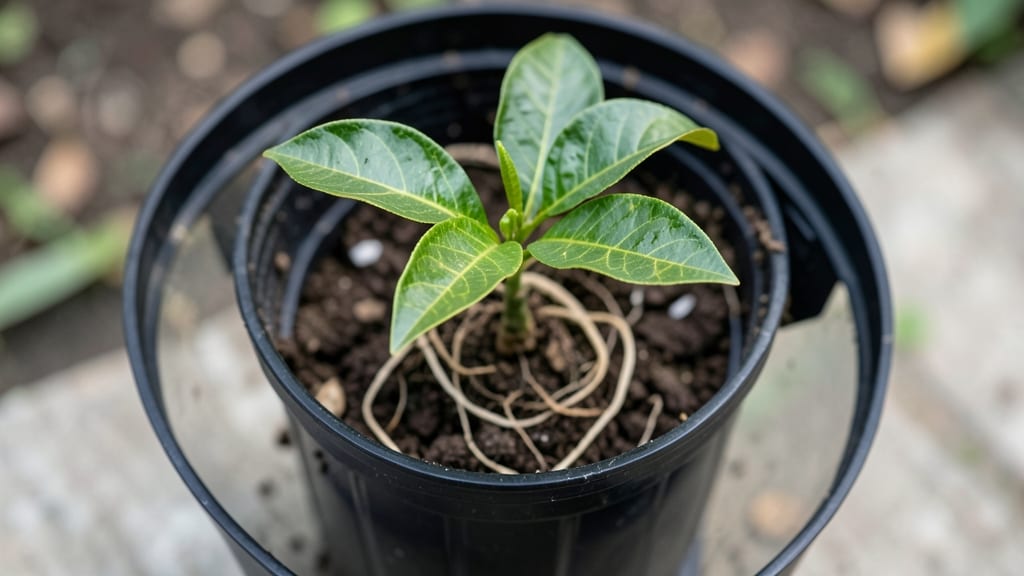
Struggling with mango seedlings showing curled leaves? This common issue can signal stress or disease, but quick fixes exist. Discover 10 targeted solutions to restore your seedlings' health and encourage vibrant growth before it's too late.
Adjusting Watering Schedule for Seedlings
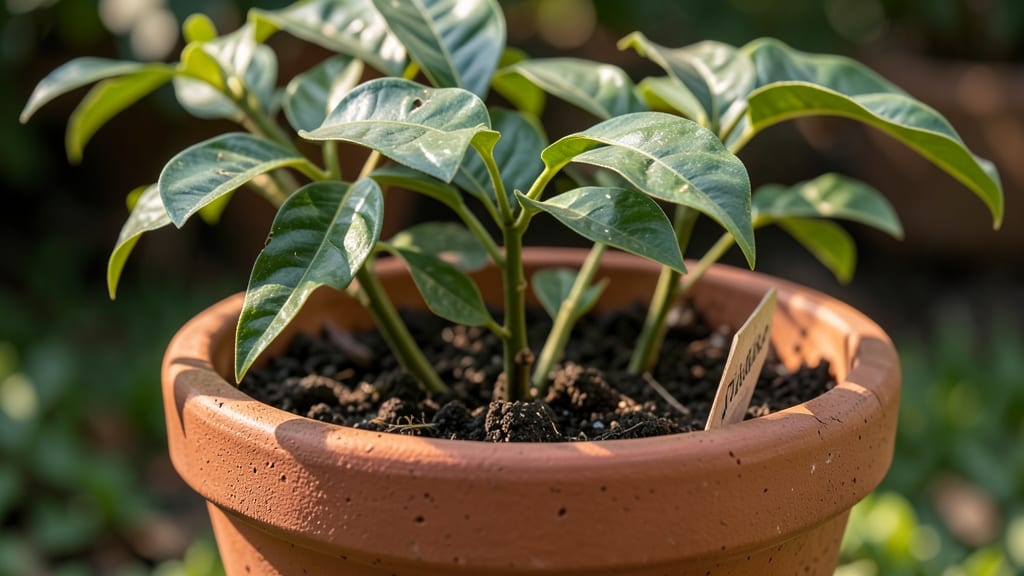
Mango seedlings with curled leaves often signal a watering imbalance—too much or too little can trigger the same stress response. The key lies in establishing a consistent rhythm that mimics their tropical roots' needs without drowning them.
Water your seedlings when the top inch of soil feels dry to the touch, typically every 2-3 days for young plants in warm conditions. Use a moisture meter to avoid guesswork, and always ensure pots have drainage holes to prevent root rot. Mango seedlings prefer even moisture—never let them sit in soggy soil, but avoid letting the soil dry out completely between waterings.
This method is especially helpful for container gardeners or those in humid climates where overwatering risks are higher. Mastering this rhythm will give your seedlings the stable foundation they need to grow strong and healthy. 💚
Improving Soil Drainage for Root Health
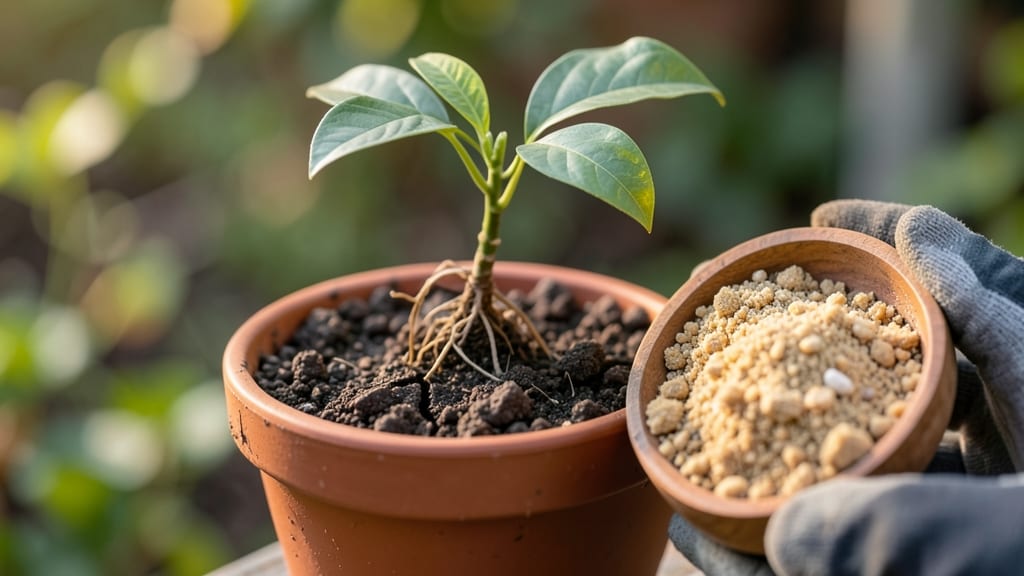
If your mango seedlings are struggling with compacted soil, their roots can’t breathe—leading to curling leaves and stunted growth. The fix is simpler than you think: amending the soil to create a light, airy mix that prevents waterlogging while retaining moisture.
Start by mixing coarse sand or perlite (20-30%) into your existing soil to improve aeration. For container-grown seedlings, use a well-draining potting mix with added orchid bark or vermiculite. Test drainage by pouring water into the pot—if it drains within 10-15 minutes, your mix is ideal. Avoid heavy clays or garden soil alone, as they compact easily.
This method is especially helpful for urban gardeners or those with heavy clay soil. A quick soil upgrade can transform struggling seedlings into thriving plants. 🌱
Protecting Seedlings from Direct Sunlight
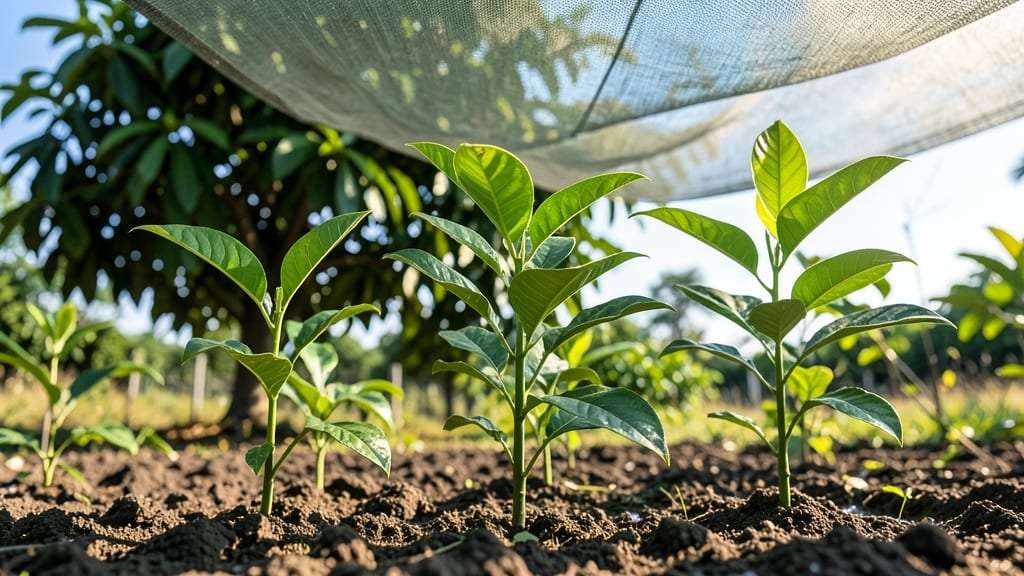
Mango seedlings may look delicate, but they’re surprisingly sensitive to intense midday sun—even when mature trees thrive in full light. The key is providing partial shade during peak hours (10 AM–3 PM) to prevent leaf burn while still allowing enough light for photosynthesis to occur.
Use 50% shade cloth or position seedlings under a light canopy (like a sheer curtain or dappled tree shade). Avoid full shade, which weakens stems, or direct sun, which causes leaf scorching and curling. For container growers, move pots to a shadier spot during hot afternoons, then return them to brighter light in the morning or evening.
This method is perfect for urban gardeners with limited shade options or those growing seedlings in greenhouses where temperatures spike. With the right balance, your seedlings will develop strong, resilient leaves ready for transplanting. 💚
Fertilizing with Low-Nitrogen Organic Mix
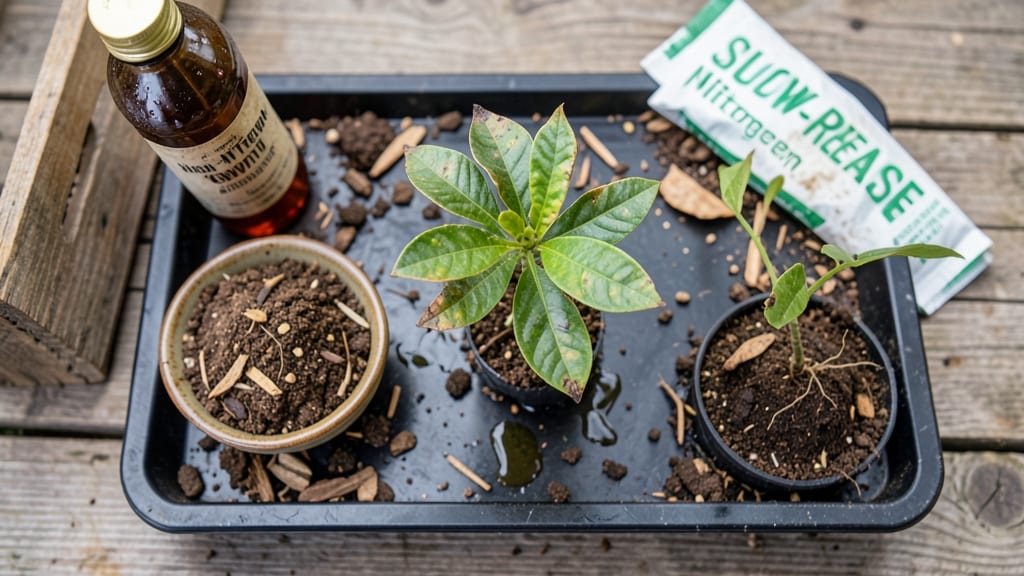
If your mango seedlings are showing curled leaves, high-nitrogen fertilizers might be the culprit. While they promise rapid growth, they can scorch delicate seedlings by overwhelming their systems with too much nitrogen at once.
Instead, opt for a low-nitrogen organic mix like composted leaf mold or worm castings, which provide balanced nutrients without burning. Mix 1 part organic fertilizer with 3 parts potting soil around the seedling’s base, avoiding direct contact with stems. This approach strengthens cell walls and promotes steady, healthy growth rather than rapid but unsustainable spurts.
This method is ideal for new gardeners or those growing seedlings in containers, where nutrient control is easier. It’s also perfect for tropical plants like mangoes that thrive with gentle, consistent feeding. 🌱
Treating Fungal Infections with Neem Oil
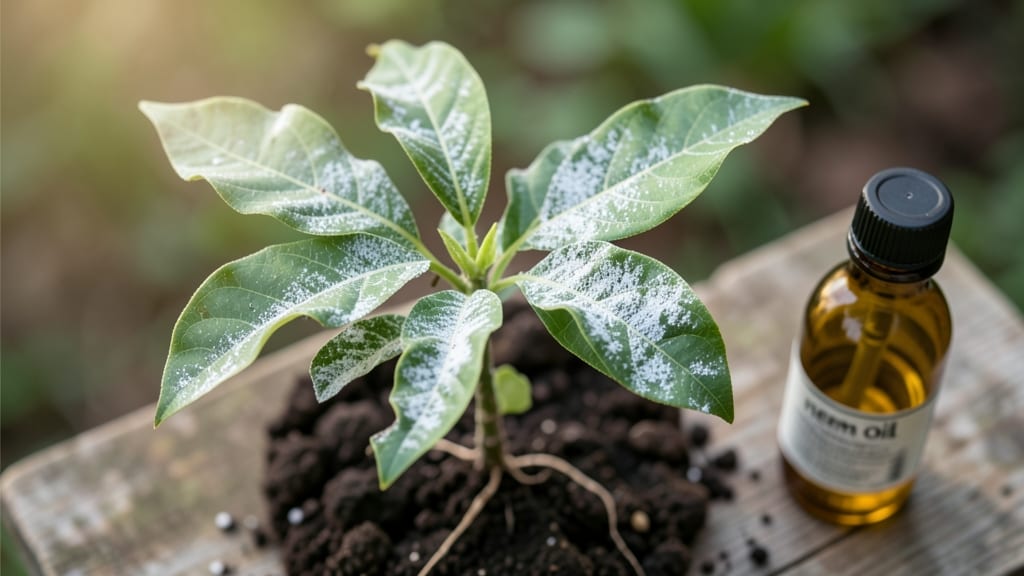
If your mango seedling’s leaves are curling with a white powdery residue, fungal infections like powdery mildew or anthracnose are likely the culprit. Unlike pests, these pathogens thrive in humid conditions and spread rapidly, weakening young plants before they can establish strong roots.
Neem oil is a broad-spectrum antifungal that disrupts fungal spores while being gentle enough for seedlings. Mix 1 teaspoon of neem oil with 1 quart of water and a dash of mild soap (to help it stick). Spray the entire plant, including the undersides of leaves, every 5–7 days for two weeks. This treatment not only kills existing spores but also prevents reinfection by creating a protective barrier.
Gardeners with limited chemical options or those prioritizing organic methods will find neem oil especially valuable—it’s safe for the soil’s beneficial microbes and won’t harm pollinators when applied in the early morning or evening. 🌿
Pruning Damaged Leaves to Reduce Stress
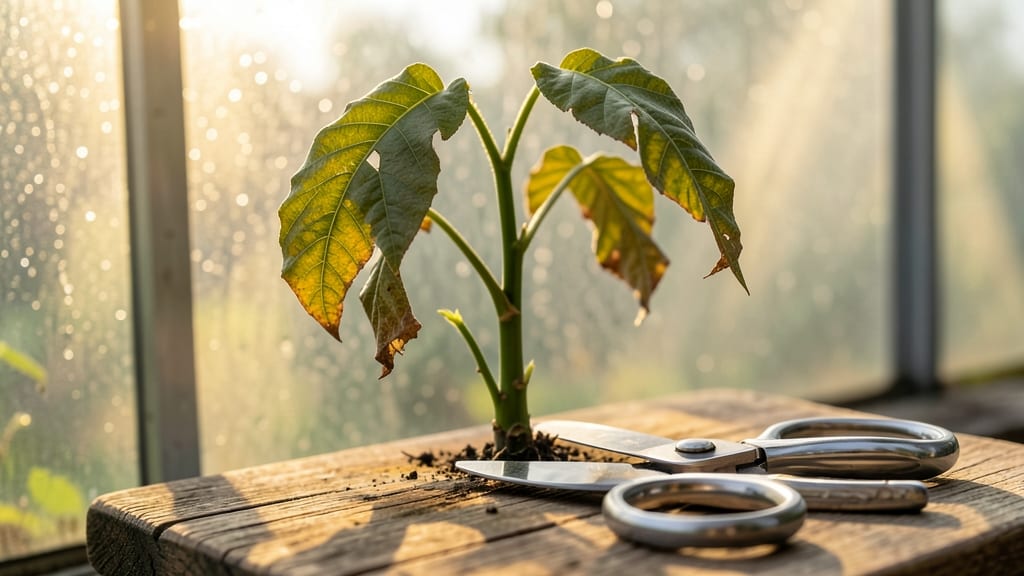
When your mango seedling leaves curl severely, they’re essentially screaming for help—draining energy that could fuel new growth. Instead of panicking, try this targeted pruning method to redirect the plant’s focus toward recovery.
Use clean, sharp pruning shears to remove only the most damaged leaves, cutting just above a healthy leaf node. Avoid over-pruning—never trim more than 20% of the foliage at once, as this can stress the seedling further. Focus on leaves with crispy edges or those curled tightly around themselves, as these are the biggest energy vampires. Disinfect your tools with rubbing alcohol between cuts to prevent spreading disease.
This technique is perfect for beginners who want to avoid harsh chemicals while giving their seedlings a fighting chance. By removing only the worst offenders, you’ll help the plant redirect its resources to producing fresh, healthy leaves—often within days. 💪
Introducing Beneficial Nematodes for Pest Control
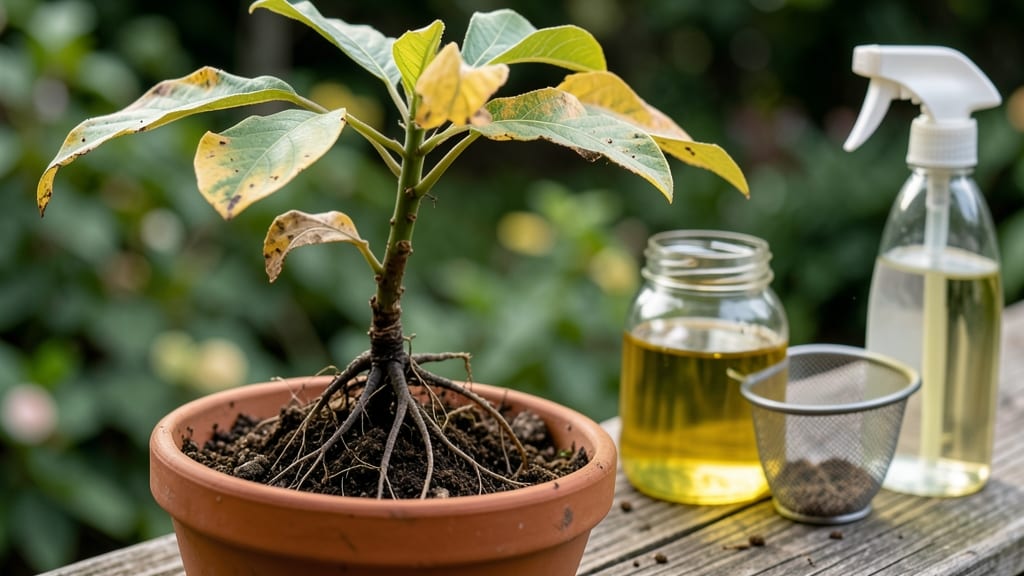
If your mango seedling’s leaves are curling despite proper watering, drainage, and sunlight, the culprit might be hidden beneath the soil—root-feeding nematodes or mites. These microscopic pests thrive unseen, sapping nutrients and causing stunted growth, but a natural solution exists without harsh chemicals.
Beneficial nematodes (Steinernema or Heterorhabditis species) are microscopic predators that hunt and eliminate harmful nematodes and soil-dwelling pests. Apply them by mixing the liquid or powder with water and drenching the soil around your seedling’s roots—especially effective in warm, moist conditions. These microscopic allies multiply quickly, providing long-term protection without harming plants, people, or pets.
This method is ideal for organic gardeners or those with sensitive seedlings, as it targets pests at their source while preserving soil health. Try it to restore your seedling’s vigor naturally. 💚
Adjusting Humidity Levels for Seedling Comfort
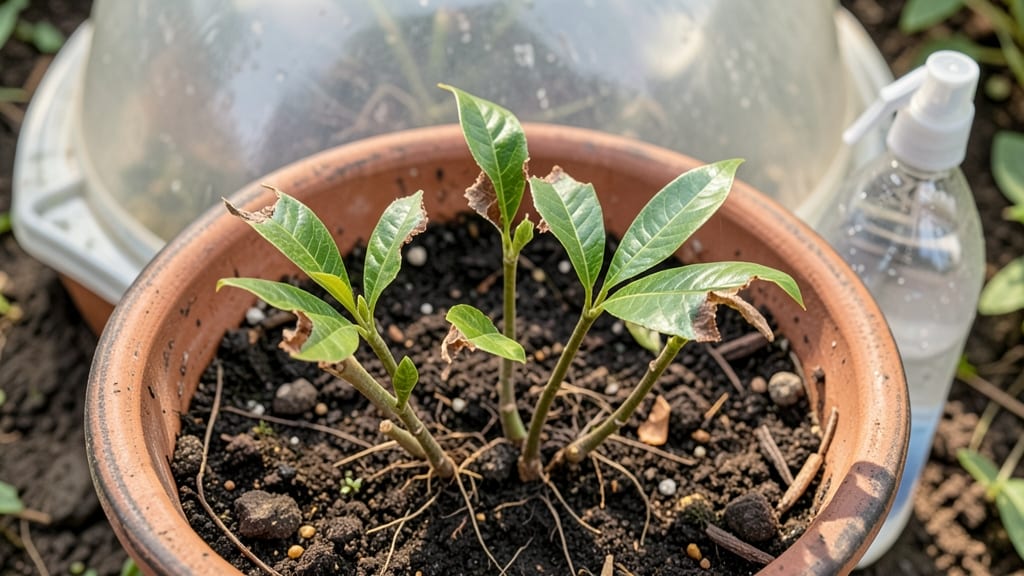
Notice those crispy, curled edges on your mango seedlings? Dry air is likely the culprit—low humidity forces leaves to curl as a survival tactic. The good news? Mimicking their natural tropical environment is easier than you think, and it works fast.
Start by placing a clear plastic dome or even a humidity tray (filled with water and pebbles) over your seedlings. For extra moisture, mist the leaves lightly twice daily with room-temperature water—just enough to create a light fog. Aim for 60-70% humidity, which prevents transpiration stress while keeping the soil moist but not soggy. This setup also deters spider mites, a common pest in dry conditions.
This method is ideal for indoor growers or anyone dealing with dry climates—especially during winter when indoor air gets parched. With consistent humidity, your seedlings will unfurl within days, ready for stronger growth. 🌱
Testing Soil pH for Nutrient Absorption
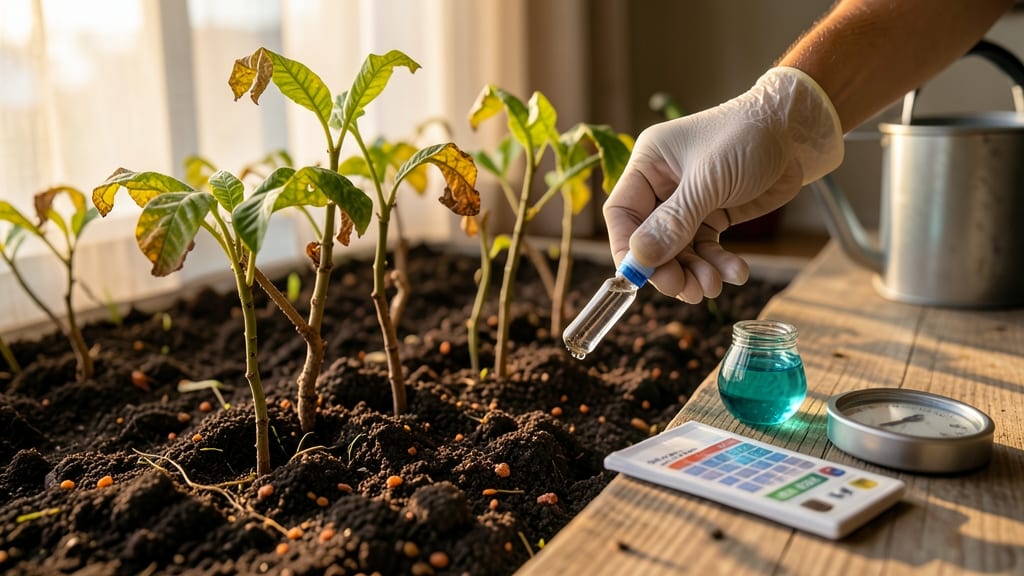
If your mango seedlings are struggling despite perfect watering and sunlight, the issue might be hiding in plain sight—your soil’s pH balance. A simple test can reveal whether your seedlings are starving for nutrients because the soil is too acidic or alkaline, locking out essential elements like phosphorus and calcium.
Use a digital pH meter or test kit to check your soil’s pH—mango seedlings thrive in a slightly acidic range of 5.5 to 6.5. If your reading is off, amend the soil with elemental sulfur (to lower pH) or lime (to raise it), following package instructions. Re-test after 2 weeks to confirm the adjustment before replanting or fertilizing.
This step is especially critical for container-grown seedlings, where soil pH can shift quickly. A balanced pH ensures your seedlings absorb nutrients efficiently, leading to straighter stems and lush foliage. 💚
Transplanting to Larger Pots for Root Expansion

When your mango seedling’s leaves start curling from the edges, it might be screaming for more space—not just nutrients or water. Root-bound seedlings develop tight, circling roots that strangle growth, causing stress that manifests as curling. The solution? A stress-free transplant into a container just 1-2 inches larger in diameter, with fresh, well-draining soil.
Start by watering the seedling 24 hours before transplanting to reduce shock. Gently loosen the root ball from its current pot, then place it in the center of the new container, filling gaps with a mix of peat moss and perlite (60/40 ratio) to prevent compaction. Avoid burying the stem deeper than it was originally planted—this can suffocate the seedling. After transplanting, keep the soil lightly moist for 7-10 days while the roots adjust to their new space.
This method is ideal for container gardeners or those growing mango seedlings in small spaces. By giving roots room to expand, you’ll see new growth within 2-3 weeks, with leaves unfurling and regaining their natural shape. 🌱