
Pruning
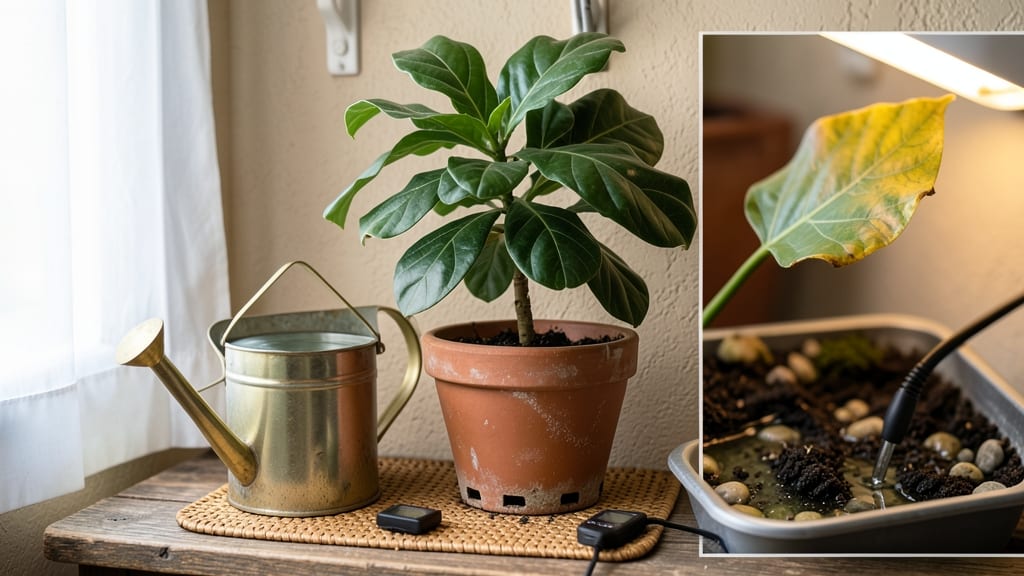
Why is my fiddle leaf fig droopy? That sad, wilted look is more common than you’d think—and the fixes are simpler than they seem. I’ve nursed more than my share of these picky plants back to health, and the solutions are usually straightforward. Most droop comes from one of five common issues: underwatering, overwatering, root rot, pests, or environmental stress. The good news? Each has a quick fix that gets those leaves perking up in days.
First, check the soil: stick your finger in 2 inches deep. If it’s bone-dry, water thoroughly until it drains from the bottom. If it’s soggy, hold off and let it dry out—root rot is the silent killer of fiddle leaf figs.
Then inspect the leaves for pests like spider mites or mealybugs (they love hiding under droopy foliage). A damp cloth wipe-down or neem oil spray often works wonders.
Once you’ve ruled out water issues, tweak the environment. These tropical divas thrive in bright, indirect light—no harsh sun or dim corners. A sudden temperature drop (below 60°F) or dry air from heaters can also cause droop.
Move it to a stable spot, mist the leaves, or bump up humidity with a pebble tray. Within a week, you’ll see those glossy leaves bouncing back.
Prevention is key: water only when the top 1-2 inches of soil are dry, avoid cold drafts, and dust the leaves monthly. If your fig still won’t cooperate, it might be time for a pruning reset—snip off the droopy stems at the base and let it regrow.
Trust me, your plant’s comeback is closer than you think.
📚 In This Guide
- What you need
- Instructions
- Tips and common mistakes
- Wrapping up and next steps
What you need
- ● Water: Room-temperature, filtered or distilled water (1–2 gallons, depending on pot size). Avoid tap water if it’s heavily chlorinated or hard.
- ● Spray bottle: 8–16 oz (for misting leaves if humidity is low). Look for one with a fine-mist nozzle.
- ○ Humidity tray or pebble tray: Medium to large size (to place under the pot if your home is dry). Optional but highly recommended for dry climates!
- ● Well-draining potting mix: 1–2 bags (look for a chunky, airy mix labeled for tropical plants or fiddle leaf figs. Avoid dense, peat-heavy soil.)
- ● Pruning shears or clean scissors: Sharp and sterilized (for trimming dead or yellowed leaves). A bypass pruner is ideal.
- ● Glove: 1 pair (to protect your hands from sap and soil bacteria). Latex or nitrile gloves work great.
- ● Container or bucket: Large enough to hold your plant’s pot (for bottom-watering if needed). A clean, shallow tray or basin suffices.
- ● Hydrometer or pH test kit: To check water quality (especially if you’re unsure about tap water safety).
- ● Plant food or fertilizer: Balanced, diluted liquid fertilizer (like a 10-10-10 or 20-20-20). Only use after your plant shows signs of recovery!
- ● Grow lights or LED bulb: If your plant lacks natural light, a full-spectrum LED (6,500K color temperature) can help. Aim for 12–14 hours of light daily.
- ● Rooting hormone: If you plan to propagate cuttings (e.g., powder or gel form).
- ● Plant support (e.g., moss pole or trellis): If your fiddle leaf fig is leggy or needs structural help.
How to diagnose and fix a droopy fiddle leaf fig
Don’t panic—droopiness usually means your fiddle leaf fig just needs a simple adjustment, not a funeral.
Check the Soil Moisture First
Stick your finger 1-2 inches deep into the soil. If it feels dry, that’s your culprit—fiddle leaf figs hate bone-dry roots. Water until it drains from the bottom, then let excess water escape completely. Overwatering is just as deadly, so wait until the top ½ inch feels dry before watering again.
Here’s the thing—fiddle leaf figs store water in their stems, so they can handle a little neglect, but they cannot handle soggy soil. If the soil smells musty or feels cold, you’ve got root rot brewing, and you’ll need to repot into fresh, dry mix.
Assess Light Exposure
Drag your plant near a bright, indirect light source—think east or north-facing window, or 6 feet from a south-facing window. Direct sun burns those gorgeous leaves, while dim light causes that sad, leggy droop. You’ll know it’s the right light when new leaves emerge bright green and upright within a week.
If your plant’s been in a dark corner, don’t rush it—move it gradually over 3-5 days to avoid leaf shock. And watch for brown crispy edges—that’s a sunburn warning. Rotate the pot quarter-turn weekly so growth stays even.
Inspect for Pests or Disease
Flip those leaves over and look for tiny webs, white cottony stuff, or black spots—those are spider mites, mealybugs, or fungal issues. Wipe leaves with a damp cloth to remove dust (which blocks light) and spray undersides with neem oil or insecticidal soap if pests are present. Isolate the plant until treated to avoid spreading.
Yellow leaves with brown edges? That’s often fluoride buildup from tap water. Switch to filtered or distilled water and flush the soil monthly by running water through until it drains clean. Fiddle leaf figs are sensitive—give them the best H₂O you can.
Adjust Humidity and Temperature
If your home feels like a desert (below 40% humidity), mist the leaves daily or place a pebble tray with water under the pot. Grouping plants together also raises humidity naturally. Aim for 50-60% humidity—you’ll see leaves perk up within 24-48 hours if this was the issue.
Keep temps between 65-75°F—cold drafts or heat vents dry out leaves faster. Move the plant away from AC vents, radiators, or glass doors where temps swing wildly. A sudden drop below 55°F can shock the plant into drooping overnight.
Prune and Encourage New Growth
Once leaves perk up, trim any yellow, brown, or crispy leaves at the base with clean scissors. Don’t cut into healthy tissue—just remove the damaged parts. This redirects energy to new growth. If stems are woody and bare, you can propagate those cuttings in water or fresh soil.
Give your plant a balanced liquid fertilizer (like 10-10-10) diluted to half-strength every 4-6 weeks in spring/summer. Over-fertilizing causes salt buildup, which stresses roots. You’ll know it’s working when you see new leaves unfurling within a month.
Tips & tricks for reviving a droopy fiddle leaf fig
Here's what nobody tells you about fixing a droopy fiddle leaf fig—these are the details that make all the difference.
Soil Test Trick: In Step 1, when checking soil moisture, don't just rely on visual cues. Press your finger 1-2 inches deep—if the soil feels like a dry sponge, water immediately. But here's the catch: fiddle leaf figs store water in their stems, so they can tolerate brief dryness better than soggy conditions. If the soil smells musty or feels cold to the touch, you're dealing with root rot, and you'll need to repot into fresh, well-draining mix right away.
Light Transition Hack: Moving your plant to better light too quickly can cause leaf shock. In Step 2, if your fiddle leaf fig has been in low light, gradually move it closer to a bright, indirect window over 3-5 days. Watch for crispy brown edges—this is your plant's way of saying "slow down!" Rotate the pot a quarter-turn weekly to ensure even growth, which prevents lopsided development.
Pest Detection Pro Tip: For Step 3, pests often hide on the undersides of leaves. Use a magnifying glass if needed to spot tiny webs (spider mites), white cottony patches (mealybugs), or black spots (fungal issues). Here's a secret: dust blocks light absorption, so wipe leaves with a damp cloth before treating pests. This doubles as a quick health check—if dust comes off easily, your plant's been well cared for.
Humidity Boost: If your home's humidity drops below 40%, your fiddle leaf fig will show it. In Step 4, place a pebble tray with water under the pot or group plants together to raise humidity naturally. You should see leaves perk up within 24-48 hours if this was the issue. Pro tip: avoid misting in direct sunlight—water droplets can act like magnifying glasses and burn leaves.
Pro Tips for Why Is My Fiddle Leaf Fig Droopy
- Here's what nobody tells you about fixing a droopy fiddle leaf fig—these are the details that make all the difference.
- Soil Test Trick: In Step 1, when checking soil moisture, don't just rely on visual cues.
- Light Transition Hack: Moving your plant to better light too quickly can cause leaf shock.
Frequently asked questions
about droopy fiddle leaf figs—because every plant parent deserves a little clarity! Here are answers to the most common concerns:Why does my fiddle leaf fig get droopy even after watering?
Overwatering is a sneaky culprit! Fiddle leaf figs hate soggy roots. Check the soil—if it’s still damp 1-2 inches down, hold off on watering. Let the top 2-3 inches dry out before watering again. Pro tip: Use a moisture meter or the "finger test" to avoid guesswork.
How long does it take for a droopy fiddle leaf fig to perk up?
With proper care, you may see improvement in 24-48 hours—but full recovery can take weeks. If the droop persists beyond a week, the roots may be damaged. Trim any mushy roots, repot in fresh soil, and adjust care. Patience is key!
Can temperature swings make my fiddle leaf fig droopy?
These tropical beauties thrive in 65–80°F and hate drafts (hello, AC or heaters!). Sudden temperature drops or cold windowsills can shock the plant. Keep it away from doors, vents, and glass in winter. A happy plant = fewer droopy leaves!
Should I prune droopy leaves immediately?
Not always! Only prune brown, crispy, or mushy leaves—healthy droopy leaves can recover. Wait 1-2 weeks to see if the plant rebounds. If pruning, use clean scissors and sterilize with rubbing alcohol. Pro tip: Propagate healthy cuttings in water while you troubleshoot!
What if my fiddle leaf fig’s leaves feel mushy or squishy?
That’s a red flag for root rot or overwatering. Act fast: Remove the plant from its pot, trim mushy roots (healthy roots are firm), and repot in sterile, well-draining soil. Skip watering for 10 days to let roots recover. If the stem is soft, the plant may not survive—consider propagation from healthy stems.
Wrapping up and next steps
A droopy fiddle leaf fig doesn’t mean it’s time to say goodbye—it’s often just a cry for a little TLC! 🌿 Whether it’s thirst, stress, or overwatering, you now have the tools to diagnose and fix the issue.
Remember, plants thrive on consistency, so check soil moisture, adjust light, and trim as needed.
Your next step? Observe and adapt! Keep an eye on your plant’s progress over the next few weeks, and don’t hesitate to tweak your care routine. With patience and love, your fiddle leaf fig will bounce back—and reward you with those stunning, lush leaves. You’ve got this! ✨