
Leaf Blower
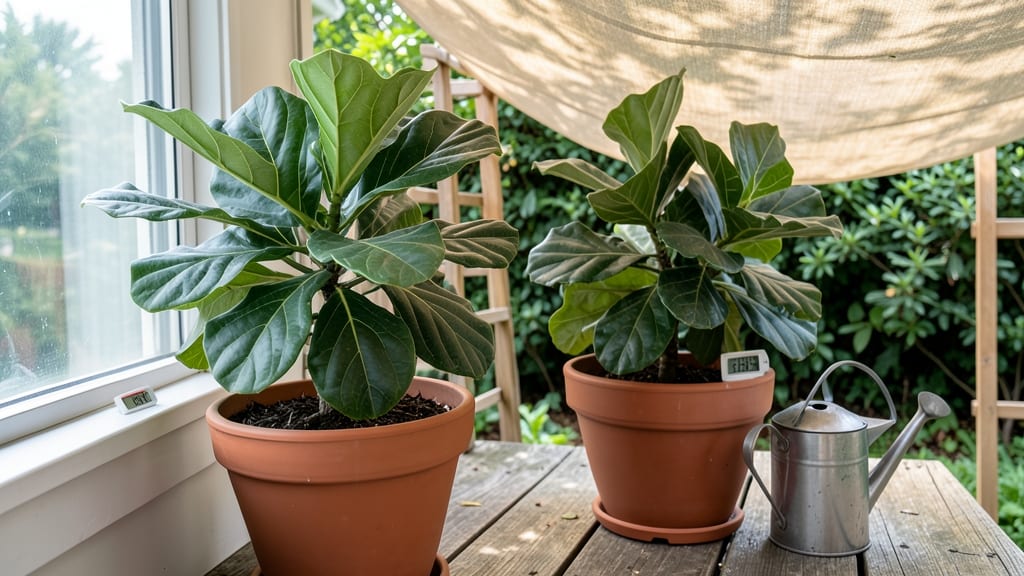
You can put your fiddle leaf fig outside during mild weather, but protect it from direct sun, strong winds, and temperatures below 55°F or above 85°F. Acclimate it slowly to sunlight and watch for stress signals like leaf drop or brown edges.
Fiddle leaf figs thrive indoors but can enjoy outdoor time with the right conditions. 🌿 The key is gradual exposure—start with just 1-2 hours of morning sun in a shaded spot, then increase time over 1-2 weeks. Direct sunlight causes leaf scorch, while sudden temperature drops stress the roots.
I always move mine to a covered patio during spring and fall, where it gets filtered light and gentle breezes. Remember, even outdoor-friendly plants need consistent care, so keep checking the soil moisture and watch for pests that might move in from outside.
If you're considering permanent outdoor planting, choose a well-draining container with at least 12 inches of depth to prevent root rot. The transition back inside in fall is just as important—bring it in before nights dip below 60°F to avoid shock.
A slow, steady move back indoors (over 5-7 days) helps the plant adjust without dropping leaves.
💡 In This Article
- Fiddle Leaf Fig Outdoor Conditions: Sunlight, Temperature, and Humidity Needs
- Step-by-Step Guide to Moving Fiddle Leaf Figs Outdoors Safely
Fiddle leaf fig outdoor conditions: sunlight, temperature, and humidity needs
Fiddle leaf figs (Ficus lyrata) originate from the rainforests of West Africa, where they thrive under dappled sunlight with 60-80% humidity and consistent warmth. When you move yours outside, the biggest challenge becomes replicating these conditions.
Direct sun exposure—especially between 10 AM and 4 PM—can cause leaf scorch within 2-3 hours, visible as crispy brown edges on leaves. The plant’s thick waxy cuticle helps reflect some light, but intense UV rays still penetrate and damage cells, triggering stress responses like premature leaf drop.
The ideal outdoor setup mimics its native understory habitat: place your fiddle leaf fig in a location with morning sun only (maximum 3-4 hours daily) or under a 50% shade cloth. Temperature extremes are equally critical—roots are particularly sensitive to cold, with damage occurring below 55°F.
Even brief exposure to 40°F or lower can kill root tips, disrupting nutrient uptake and causing wilting. On the heat side, temperatures above 85°F stress the plant by increasing transpiration (water loss) faster than roots can absorb moisture, leading to dehydration symptoms like drooping leaves or yellowing.
Humidity plays a surprising role in outdoor success. Urban environments often have 30-40% humidity—far drier than the fig’s needs—while indoor homes typically maintain 40-60%. To compensate, place the pot on a pebble tray with water or use a fine misting system during dry spells.
Grouping plants together also creates a microclimate that raises humidity around the leaves. 🌿 The key is consistency: sudden humidity swings (like moving from a humid morning to dry afternoon) can cause leaf edges to curl or develop brown spots within 48 hours.
Seasonal transitions require careful planning. Spring is the best time to move fiddle leaf figs outside, starting with 1-2 hours of filtered light per day and increasing by 1 hour every 3-4 days.
This gradual hardening-off process helps the plant adjust its photosynthesis rate and stomatal response (how leaves regulate water loss).
In fall, reverse the process: bring the plant indoors before nighttime temperatures drop below 60°F, then place it in a bright, indirect-light room for 5-7 days to stabilize before full indoor care resumes.
Pest risks increase outdoors, particularly with spider mites and scale insects, which thrive in dry conditions. Inspect leaves weekly for webbing or sticky residue (honeydew), and treat infestations immediately with neem oil or insecticidal soap. The plant’s natural defenses weaken when stressed, making it more vulnerable to attacks.
Even well-acclimated fiddle leaf figs may show signs of leaf drop if moved too quickly or exposed to sudden weather changes—this is the plant’s way of conserving energy during stress.
One common misconception is that fiddle leaf figs can tolerate full sun if given enough water. In reality, overwatering to compensate for sun stress leads to root rot, while underwatering causes leaf scorch. The solution?
Monitor soil moisture with your finger—water only when the top 1-2 inches are dry, and always use a pot with drainage holes. Mulching with orchid bark helps retain moisture while improving aeration, reducing the risk of fungal issues that thrive in soggy conditions.