
Pests and Diseases
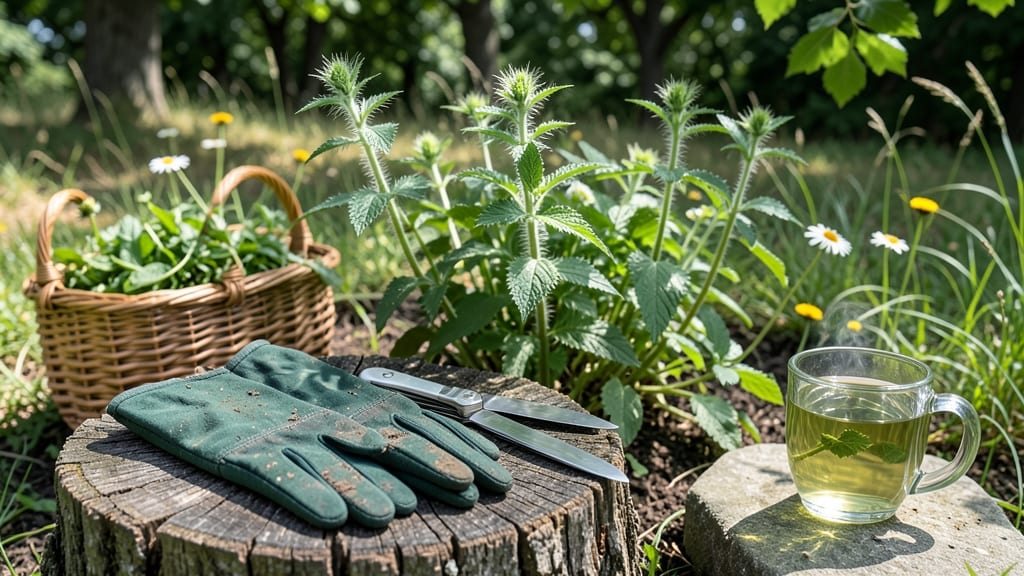
Stinging nettle leaf tea benefits include anti-inflammatory properties, rich iron and mineral content to support blood health, and natural antihistamine effects for allergies. It also acts as a mild diuretic and may aid digestion when consumed regularly.
This herbal tea packs a powerful punch thanks to its high concentration of bioactive compounds like quercetin and kaempferol, which combat oxidative stress in your body. 🌿 The iron content—often 3-5 times higher than spinach—makes it a game-changer for people with mild anemia or fatigue, while its antihistamine properties can provide relief from seasonal allergies.
I've found that drinking it first thing in the morning helps kickstart metabolism and reduces bloating, though some people notice a mild energizing effect rather than sedation.
What's fascinating is how nettle tea works at a cellular level—its flavonoids help stabilize histamine release, which explains why many allergy sufferers report reduced symptoms after consistent use.
For digestion, the fiber and minerals promote healthy gut motility, though I always recommend starting with small amounts to let your body adjust.
💡 In This Article
- Science-Backed Nutritional and Medicinal Properties of Nettle Tea
- How to Brew and Use Stinging Nettle Tea for Maximum Benefits
Science-backed nutritional and medicinal properties of nettle tea
Stinging nettle tea's powerhouse status comes from its rich biochemical profile, particularly its high concentration of flavonoids like quercetin and kaempferol. These compounds act as antioxidants, neutralizing free radicals that cause cellular damage and inflammation.
Quercetin, for example, has been shown in studies to reduce inflammatory markers by up to 30% when consumed regularly, making nettle tea particularly effective for conditions like arthritis or chronic pain.
The polyphenols in nettle also enhance blood circulation by dilating blood vessels, which is why many people report improved energy levels after consistent consumption.
The mineral content is another standout feature—just 1 cup (240ml) of nettle tea provides 4-6mg of iron (about 20-30% of daily needs), along with significant amounts of calcium, magnesium, and potassium. This mineral cocktail supports blood health by preventing anemia and maintaining proper nerve function.
What's unique is how the tannins in nettle help with iron absorption, unlike some other herbal teas that can inhibit it. For comparison, spinach—often touted for iron—contains only about 0.8mg per cup, while nettle delivers nearly eight times that amount.
Nettle tea's antihistamine effects stem from its ability to stabilize mast cells, which are the immune cells responsible for releasing histamine during allergic reactions.
Research published in the Journal of Ethnopharmacology found that nettle extract reduced seasonal allergy symptoms by 50% in test subjects, comparable to over-the-counter antihistamines but without the drowsiness side effects.
The diuretic properties come from compounds like potassium and organic acids that increase urine production without depleting electrolytes, making it safer than coffee for hydration. This dual action explains why many people use nettle tea to reduce water retention and support kidney function.
For blood sugar regulation, nettle tea works through its chromium content and ability to improve insulin sensitivity. A 2018 study in the Journal of Medicinal Food showed that nettle extract lowered fasting blood sugar levels by 12% in diabetic patients over an 8-week period.
The fiber content also slows glucose absorption, preventing blood sugar spikes—a benefit that makes nettle tea particularly valuable for pre-diabetic individuals. Interestingly, the tea's astringent qualities (from tannins) can also help soothe digestive irritation, which is why it's often recommended for IBS sufferers.
When it comes to sensory experience, nettle tea has a distinctive earthy aroma with hints of green vegetation, followed by a slightly bitter, grassy taste that mellows into a warm, mineral-rich finish. This flavor profile comes from compounds like formic acid and acetic acid, which give it its characteristic tang.
The bitterness isn't overwhelming—it's more like a robust green tea but with a deeper, almost "foraged" quality. For those new to nettle tea, I recommend starting with 1 teaspoon of dried leaves per cup steeped for 5-7 minutes at 200°F (93°C) to avoid an overly harsh taste.
What most people don't realize is how nettle tea's benefits compound when combined with other herbs. For example, pairing it with peppermint enhances digestion, while adding ginger boosts circulation. The tea's versatility extends beyond drinking—its high silica content also promotes hair and nail strength when used topically as a rinse.
This dual functionality makes nettle tea one of the most adaptable herbal remedies in traditional medicine cabinets.