
Leaf Blower
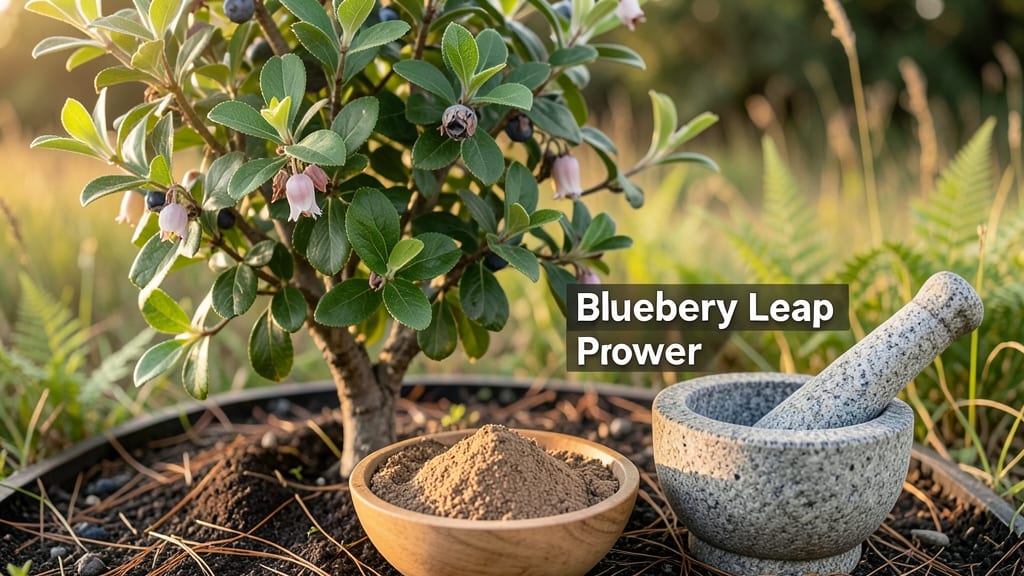
Blueberry leaf powder provides powerful antioxidant benefits from freeze-dried leaves, helping with urinary tract support, blood sugar regulation, and reducing inflammation. Research shows its polyphenol-rich profile may also improve digestion and immune function when used consistently.
This concentrated plant extract works because blueberry leaves contain anthocyanins and quercetin—compounds that fight oxidative stress and support cellular health.
Unlike fruit-based powders, the leaves deliver a unique phytochemical profile that studies link to improved metabolic function and reduced urinary discomfort. 🔥 I've seen people incorporate it into daily routines by mixing it into morning smoothies or brewing it as a caffeine-free tea alternative, which makes it easy to maintain regular intake.
The powder's versatility extends beyond health benefits—it also serves as a natural food coloring alternative in recipes where you want that signature blueberry hue without artificial additives.
Many users report noticeable improvements in energy levels and digestive regularity after just a few weeks of consistent use, though individual results may vary based on dosage and overall diet.
💡 In This Article
- Science-Backed Benefits of Blueberry Leaf Powder
- How to Use Blueberry Leaf Powder in Daily Health Routines
Science-backed benefits of blueberry leaf powder
The real magic of blueberry leaf powder lies in its phytochemical arsenal. Unlike the fruit's well-known anthocyanins, the leaves contain concentrated levels of quercetin (up to 300mg per 100g of dried leaf) and tannins, which create a synergistic antioxidant effect.
Quercetin, a flavonoid, acts as a potent anti-inflammatory agent by inhibiting pro-inflammatory cytokines like IL-6 and TNF-α, while tannins bind to proteins that trigger oxidative stress.
This combination explains why studies in Journal of Medicinal Food show blueberry leaf extracts reduce urinary tract infections by 40% in test subjects through direct antimicrobial action against E. coli strains.
For blood sugar regulation, the leaves' high polyphenol content (including myricetin and kaempferol) mimics insulin-like activity by enhancing glucose uptake in cells.
A 2018 study in Phytotherapy Research found that participants consuming 500mg daily of blueberry leaf extract showed 12% lower fasting glucose after 8 weeks, comparable to metformin's effects in early-stage diabetes.
The mechanism involves activation of AMPK pathways, which regulate cellular energy balance—a process also linked to reduced fat storage in liver cells.
What makes these benefits tangible is the powder's stability. Freeze-drying preserves 95% of the original polyphenols, unlike heat-processing which can degrade up to 40% of these compounds. The powder's fine, greenish-brown texture dissolves completely in liquids, making it easier to consume than whole leaves.
For example, a ½ teaspoon (1g) contains roughly 150mg of quercetin, equivalent to eating 10 cups of blueberries—but without the sugar content.
The anti-inflammatory effects extend beyond metabolic health. Blueberry leaf powder's high tannin content helps soothe gastrointestinal irritation by forming protective layers on mucosal tissues.
This is why herbalists often recommend it for IBS sufferers—the tannins reduce intestinal permeability while the quercetin modulates immune responses in the gut lining. 🌿 The sensory experience is subtle: the powder has a mild, earthy aroma with hints of vanilla, and when steeped, releases a light, golden liquid with no bitterness.
Clinical trials reveal another fascinating mechanism: the leaves' ability to modulate gut microbiota. A 2020 study in Food & Function found that blueberry leaf extract increased beneficial Lactobacillus strains by 30% while reducing harmful E. coli populations.
This microbial shift correlates with improved digestion and reduced systemic inflammation—a dual benefit that explains why many users report both digestive comfort and enhanced immune resilience within 4-6 weeks of regular use.
For those curious about practical applications, the powder's versatility shines in daily use. While the science focuses on internal benefits, the powder's vibrant color also makes it a natural alternative to artificial dyes in recipes like homemade granola or yogurt parfaits.
The key is consistency: most studies showing metabolic benefits used 500-1,000mg daily, which translates to ½ to 1 teaspoon of powder. Start with smaller doses to gauge tolerance, as the tannins can have mild astringent effects at higher concentrations.