
Lawn
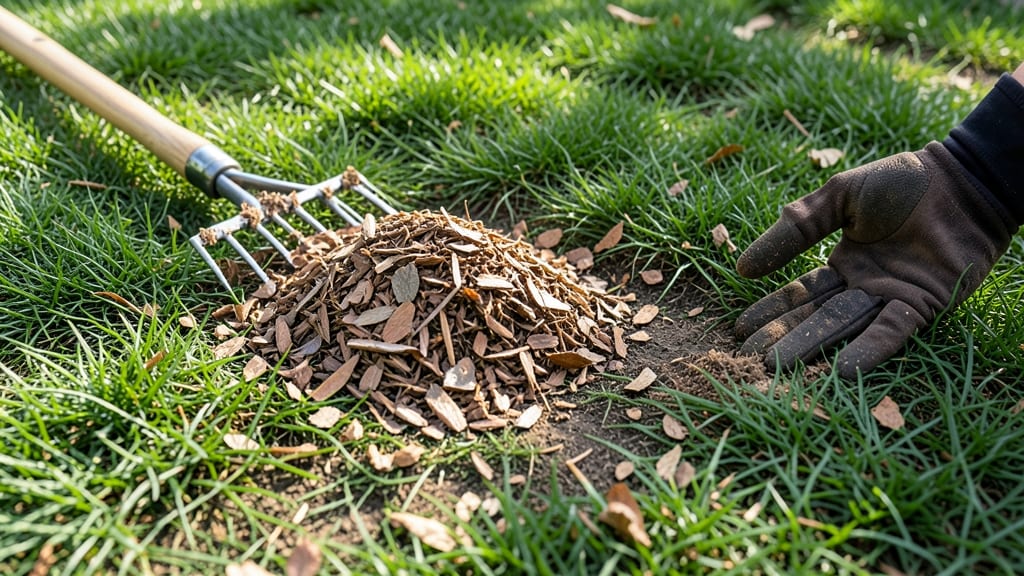
This leaf mulch is good for lawns because it locks in moisture, blocks weed growth, and slowly feeds the soil with nutrients while fostering helpful soil organisms. Just remember to shred it finely to prevent clumping and mold issues.
Using leaf mulch on your lawn works like a natural blanket—it keeps the soil damp longer by reducing evaporation, which is especially helpful during dry spells. 🌱 The organic material breaks down over time, adding vital nutrients like nitrogen and phosphorus while improving soil structure.
Many gardeners swear by it because it also creates a barrier that stops weeds from sprouting, saving time and effort on maintenance.
For best results, spread a thin layer—about 1/4 to 1/2 inch—after mowing, and make sure the leaves are shredded small enough to decompose quickly. This prevents that thick, soggy mess that can smother grass and attract pests.
I’ve found that applying it in early fall or late spring works best, giving the leaves time to settle before summer heat or winter freeze.
💡 In This Article
- How Leaf Mulch Improves Soil Structure and Lawn Health
- Best Practices for Applying Leaf Mulch to Lawns
How leaf mulch improves soil structure and lawn health
Leaf mulch works like a slow-release fertilizer for your lawn, breaking down into humus—a dark, spongy substance that improves soil texture. When leaves decompose, they release nutrients like nitrogen, phosphorus, and potassium over months rather than all at once.
This gradual process mimics natural forest floor conditions, where fallen leaves nourish plants without overwhelming them. The organic matter also binds soil particles together, creating larger aggregates that improve aeration and drainage—critical for healthy root growth.
One of the most noticeable benefits is moisture retention. A 1-inch layer of leaf mulch can reduce soil evaporation by up to 30%, keeping grass hydrated during dry spells. This works because the mulch creates a protective barrier that shields the soil from direct sunlight and wind.
For comparison, bare soil loses moisture 10 times faster than mulched soil. The mulch also insulates roots against temperature extremes, protecting them during both summer heatwaves and winter frosts.
The decomposition process also stimulates beneficial microbes and earthworms, which are the unsung heroes of lawn health. Earthworms alone can process 1 ton of organic matter per acre per year, turning it into nutrient-rich castings.
These soil organisms break down complex organic compounds into simpler forms that grass roots can absorb. Without mulch, lawns often lack this microbial activity, leading to nutrient deficiencies and weaker grass growth. The mulch provides both food and habitat for these creatures, creating a self-sustaining ecosystem.
However, the benefits only work when the leaves are properly prepared. Whole leaves create a dense mat that blocks water and air from reaching the soil below, while finely shredded leaves decompose quickly and blend seamlessly into the lawn.
The ideal particle size should be about 1/4 to 1/2 inch—small enough to break down within a few months but large enough to prevent clumping. This balance prevents that unpleasant, soggy layer that can smother grass and create anaerobic conditions where harmful fungi thrive.
Consider this comparison: A lawn covered with 2 inches of whole leaves might look like a natural carpet, but it can actually suffocate grass by blocking sunlight and trapping moisture against the blades. In contrast, a 1/4-inch layer of shredded leaves disappears within weeks, enriching the soil without creating problems.
The key is creating a thin, even layer that lets sunlight reach the grass while still providing all the benefits of organic matter.
For homeowners using leaf mulch, the results often show up within 3-6 months—thicker grass blades, fewer weeds, and soil that stays moist longer between waterings. The transformation happens because the mulch doesn't just add nutrients; it fundamentally changes the soil structure to better support plant life.
This is why many professional landscapers recommend leaf mulch as the first step in revitalizing tired lawns.