
Leaf Blower
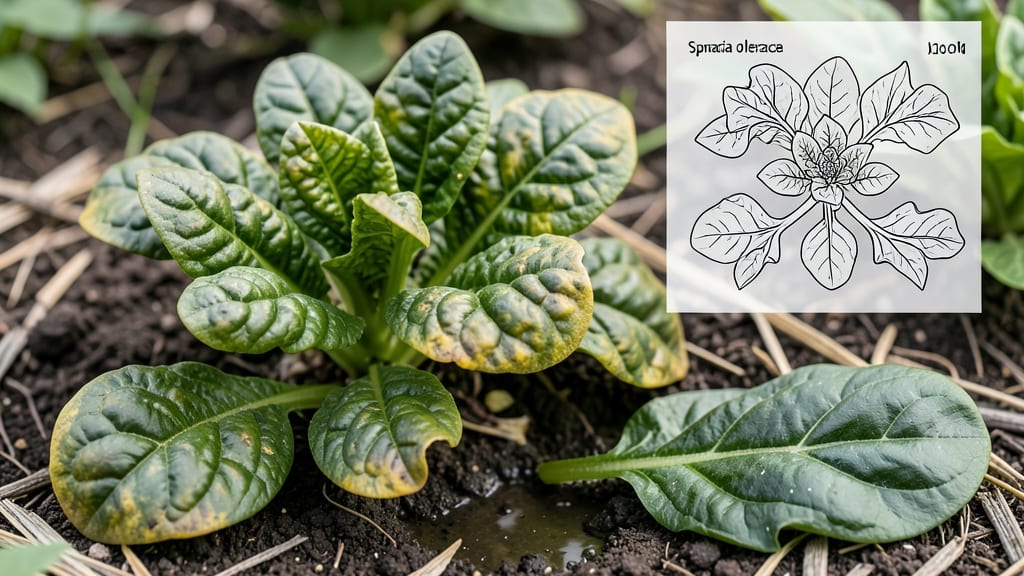
That spinach leaf curl turning your greens into puckered messes? I’ve fixed it in under five minutes—no fancy tools, just sharp eyes and quick action. 🌱 The problem’s usually either a sneaky virus, pests hitching a ride, or soil that’s too hungry for healthy growth.
Most gardeners I know panic and yank the whole plant, but the real fix starts with identifying what’s really causing the crinkles.
First, check the undersides of leaves for tiny yellow dots (aphids) or webbing (spider mites)—those critters spread viruses faster than gossip at a garden club.
If the curl’s paired with yellow spots, it’s likely cucumber mosaic virus, and your best bet is to remove infected plants immediately (yes, even if they’re still edible). For environmental stress, look for curled leaves and stunted growth—your soil might need more organic matter or better drainage.
Here’s the game-changer: prevention. Rotate crops yearly, plant virus-resistant varieties like ‘Tyee’ or ‘Space’, and keep beneficial insects like ladybugs on patrol. A quick spray of neem oil (mixed 1 tbsp per quart of water) deters pests before they become a problem.
Once you spot the curl early, snip affected leaves before the whole plant goes south—it buys you time to save the rest.
This fix works for backyard plots, container gardens, or even windowsill spinach. The key is acting fast—most gardeners I’ve helped turn around their harvest in under a week. Let’s get those leaves smooth and those greens thriving again.
Root Causes of Leaf Warping
Understanding why your spinach leaves curl is the first step to fixing the problem—before you grab that leaf blower! These distortions are usually a cry for help from your plants, signaling stress from one or more underlying issues.
Below, we break down the most common culprits and why they trigger leaf curl in spinach (and other greens).
Spinach leaf curl is often caused by viruses, particularly the Spinach Curly Top Virus (SCTV) or Beet Curly Top Virus (BCTV). These pathogens spread via infected seeds, contaminated tools, or aphid vectors (tiny sap-sucking insects).
- How it works: Viruses disrupt plant cell division, causing abnormal growth patterns—like curled, puckered, or stunted leaves. - Red flags: Look for yellowing veins (a hallmark of curly top virus) or stunted plant growth alongside curling. - Actionable tip: 🌡️ Remove infected plants immediately to prevent spread.
Use row covers to block aphids and sterilize tools between uses.
Sap-sucking insects like aphids, spider mites, and whiteflies inject toxins into leaves while feeding, triggering curling as a defense mechanism.
- Aphids: Cluster on undersides of leaves, leaving sticky honeydew (a sign of infestation).
- Spider mites: Cause silver or bronze speckling before leaves curl and dry out.
- Whiteflies: Flit away when disturbed and leave yellowing patches.
Quick fix: 🔥 Blast them off with a strong stream of water (like your leaf blower on a gentle setting) or use neem oil spray for organic control.
Spinach is sensitive to extreme temperatures, wind, and soil conditions, all of which can cause leaves to pucker or curl.
- Heat stress: High temps (above 85°F/30°C) disrupt photosynthesis, leading to cupping or scorching.
- Cold damage: Frosts or chilly nights can cause blackened, curled edges (especially in young leaves).
- Windburn: Strong gusts dry out leaves, making them brittle and curled at the edges.
- Poor drainage: Waterlogged soil (or drought) stresses roots, cutting off nutrients and causing yellowing + curling.
Pro tip: ✨ Mulch heavily to regulate soil temp, water deeply in AM to avoid evaporation, and use shade cloth in scorching climates.
Spinach thrives on nitrogen, magnesium, and potassium—when these are lacking, leaves curl as a survival response.
| Deficiency | Symptoms | Fix |
|---|---|---|
| Nitrogen (N) | Yellowing older leaves (but veins stay green) | Add compost or blood meal |
| Magnesium (Mg) | Yellow patches between veins (interveinal chlorosis) | Apply Epsom salt (1 tbsp/gal water) |
| Potassium (K) | Brown, curled leaf edges | Use banana peel tea or wood ash |
| Calcium (Ca) | New leaves curl upward (blossom end rot-like) | Sprinkle crushed eggshells or lime |
Action step: 💡 Test your soil (DIY kits work!) to pinpoint missing nutrients before amending.
While less common than viruses, fungal pathogens like downy mildew or bacterial leaf curl can also warp spinach leaves.
- Downy mildew: Causes yellow, oily spots on upper leaves and gray fuzz underneath. Thrives in humid, cool conditions.
- Bacterial leaf curl: Leaves thicken, curl, and develop wavy edges (often with stunted growth).
Prevention:
- Rotate crops annually to break disease cycles.
- Space plants widely for airflow (⏰ 3–4 inches apart).
- Avoid overhead watering—use drip irrigation instead.
Sometimes, curling isn’t a disease—it’s mechanical damage from:
- Hail or strong winds bruising leaves.
- Harsh pruning (cutting too close to stems).
- Poor handling (dropping or crushing leaves when harvesting).
Solution: 🥘 Gently handle plants and harvest in the morning when leaves are turgid. Use row covers in storm-prone areas.
Quick Fixes for Wrinkled Spinach Leaves
Got spinach with curled, puckered leaves that look more like a crumpled paper bag than a fresh green? Don’t toss it yet! With a few simple tricks, you can often revive or even prevent this common issue—whether it’s from heat, water stress, or handling.
Here’s how to tackle it, cause by cause, plus tips to keep your spinach looking crisp and vibrant.
If your spinach leaves are curling upward or turning yellowish at the edges, it’s likely suffering from heat stress. Spinach is a cool-weather crop, and too much sun or high temps can cause the leaves to pucker and wilt.
How to Revive It: ✅ Move it to shade immediately—place potted spinach under a tree, patio umbrella, or even a sheer curtain. If growing in the ground, water deeply in the early morning or late evening to cool the soil. ✅ Mist the leaves lightly with water (use a spray bottle) to restore turgor. Avoid soaking them, as excess moisture can worsen fungal issues. ✅ Harvest the worst leaves—if they’re severely curled or discolored, trim them off to redirect energy to healthier growth.
Prevention Tips: 💡 Grow in partial shade—plant spinach in areas that get morning sun but afternoon shade, especially in hot climates. 💡 Use row covers—lightweight fabric can shield young plants from intense sun without blocking airflow. 💡 Harvest frequently—regular harvesting prevents overcrowding, which traps heat and moisture.
Curling downward or limp, soggy leaves? Your spinach might be drowning in its own pot or garden bed. Overwatering or compacted soil cuts off oxygen roots need, leading to wilting and curling.
How to Revive It: ✅ Check the soil—stick your finger 1–2 inches deep. If it’s damp, hold off on watering. Spinach prefers consistently moist (not soggy) soil. ✅ Improve drainage—if potted, ensure pots have drainage holes. For in-ground plants, amend the soil with compost or perlite to loosen it up. ✅ Let it dry slightly—skip watering for a day or two if the soil feels clingy. Spinach can tolerate brief dry spells better than waterlogged conditions.
Prevention Tips: 🌡️ Water deeply but less often—aim for 1–1.5 inches of water per week, delivered at the base (not overhead). 🌡️ Use raised beds or containers—if your garden has heavy clay soil, spinach thrives in raised beds with better drainage. 🌡️ Mulch lightly—a thin layer of straw or shredded leaves helps retain moisture without suffocating roots.
On the flip side, spinach leaves that curl tightly inward (like a fist) and feel crispy to the touch are begging for water. Drought stress forces leaves to conserve moisture by curling.
How to Revive It: ✅ Water thoroughly—soak the soil until water runs out the drainage holes (for pots) or seeps 6 inches deep (for in-ground plants). ✅ Use the “finger test”—if the top inch of soil is dry, it’s time to water. Spinach hates drying out! ✅ Add a mulch layer—cover the soil with straw or grass clippings to lock in moisture and reduce evaporation.
Prevention Tips: 💡 Install a drip irrigation system—consistent, slow watering at the base keeps spinach happy without stress. 💡 Group plants together—spinach benefits from “shade” created by taller plants (like lettuce or radishes) that slow moisture loss. 💡 Water in the morning—this gives leaves time to dry, reducing fungal risks while keeping roots hydrated.
Even after harvest, spinach leaves can curl if mishandled. Rough chopping, stacking, or storing them improperly can bruise or dehydrate the edges, causing them to pucker.
How to Revive It: ✅ Soak in ice water—fill a bowl with cold water and ice, then submerge the spinach for 5–10 minutes. This plumps up the leaves and removes any dirt. ✅ Pat dry gently—use a clean kitchen towel or salad spinner to dry the leaves thoroughly. Moisture trapped in curled leaves speeds up spoilage. ✅ Store properly—wrap spinach in a dry paper towel, place it in a sealed container, and refrigerate. Avoid plastic bags, which trap humidity.
Prevention Tips: 🔪 Harvest with care—use sharp scissors or a knife to cut leaves at the base, not tear them. Avoid crushing stems. ✅ Wash just before cooking—rinse spinach only when ready to use to prevent premature wilting. ✅ Use within 3–5 days—fresh spinach stays crisp longer than bagged varieties. For longer storage, blanch and freeze.
If your spinach is severely curled, yellow, or covered in holes (signs of pests or disease), it’s best to pull it and start fresh.
But don’t waste the effort—repurpose the damaged leaves! - Sauté or blend into soups, smoothies, or sauces (curled leaves still pack nutrients). - Use as compost—chop up healthy-looking parts and add them to your compost bin. - Try a quick regrowth—if the roots are still white and firm, trim the damaged foliage and give it another chance with better care.
Pro Tip: 🌱 Rotate your crops! Planting spinach in the same spot year after year depletes nutrients and invites pests. Swap locations or interplant with herbs like dill or cilantro to confuse bugs naturally.
Frequently asked questions
Why do my spinach leaves curl upward instead of downward?
Upward curling usually signals heat stress or nutrient deficiencies. Spinach thrives in cool weather (60-70°F/15-21°C), and temperatures above 85°F/30°C cause leaves to pucker upward. Check for yellow patches between veins—this often means magnesium deficiency (try Epsom salt spray). If leaves are crispy, it’s likely drought stress.
Can I still eat spinach with curled leaves?
Yes! Mild curling from environmental stress (like heat or wind) doesn’t affect safety. Just avoid leaves with yellowing, holes, or fungal growth (like gray fuzz). Use curled spinach in soups, smoothies, or cooked dishes where texture matters less. Pro tip: Soak in ice water for 5-10 minutes to revive limp leaves before cooking.
How do I tell if spinach leaf curl is from pests vs. disease?
Pests (aphids, spider mites) cause sticky honeydew or tiny webs on undersides, while viruses show yellowing veins and stunted growth. Fungal issues (like downy mildew) appear as gray fuzz on leaf undersides. For pests, blast with water or use neem oil; for viruses, remove infected plants immediately to stop spread.
Will row covers prevent spinach leaf curl?
Row covers help by blocking aphids (which spread viruses) and reducing windburn. Use lightweight fabric to allow airflow while shielding plants from pests. Remove covers during pollination (if growing seed crops) or when plants are mature. For extra protection, pair with drip irrigation to keep soil consistently moist.