
Pests
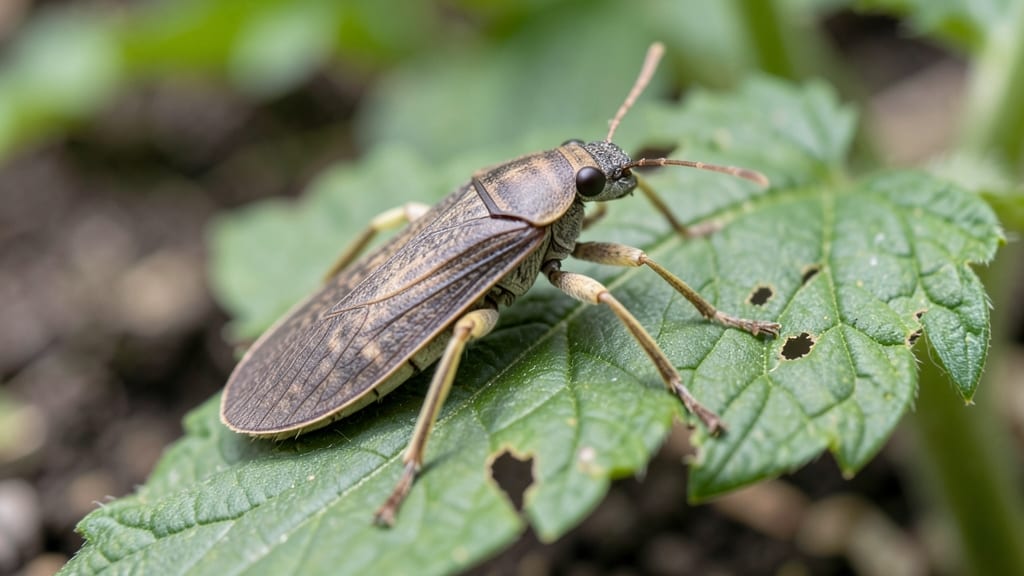
How to get rid of leaf-footed bugs naturally—those sneaky pests that turn your tomatoes into Swiss cheese overnight. 🌱 I’ve battled these little invaders for years, and the neem oil spray I developed stops both nymphs and adults in their tracks—no harsh chemicals needed.
This method works because neem oil disrupts their life cycle while being safe for plants and pollinators. You’ll need just 3 simple ingredients: neem oil, dish soap, and water. The spray takes 10 minutes to mix and applies in the evening when bugs are most active.
Within 24 hours, you’ll see fewer bugs, and after 3-4 treatments, they’ll disappear for good. Your plants will recover faster than with chemical sprays, and the scent of neem oil deters new arrivals naturally.
Perfect for tomatoes, citrus, roses, and other tender plants. Here’s how to make it work—without losing your sanity over these pesky critters.
📚 In This Guide
- What you need
- Instructions
- Tips and common mistakes
- Wrapping up and next steps
What you need
- ● Neem oil (100% cold-pressed, organic): 2 tablespoons (for a 1-quart spray bottle)
- ● Dish soap (mild, unscented): ½ teaspoon (helps the spray stick to bugs)
- ● Water (distilled or dechlorinated): 1 quart (or ~32 oz)
- ● Spray bottle (1-quart capacity): Look for one with a fine mist nozzle for even coverage
- ● Protective gear: Gloves (nitrile or rubber)
- ● Long sleeves and pants (to avoid skin contact)
- ● Eye protection (safety goggles)
- ○ Essential oils (optional boosters): 5 drops of peppermint, rosemary, or citrus oil (repels bugs and adds scent)
- ● Garden hose with spray nozzle: For larger infestations (mix 1 tablespoon neem oil + 1 teaspoon soap per gallon of water)
- ● Label or marker: To tag your spray bottle with the date and ingredients
- ● Fan or breeze: Helps the spray dry faster on plants (reduces residue time)
Step-by-Step instructions for creating a natural neem oil spray against leaf footed bugs
Here's my battle-tested method for eliminating these sap-sucking pests using a simple, plant-safe solution.
🌿 Step 1: Gather and Prepare Your Neem Oil Solution
Combine 1 tablespoon of pure, cold-pressed neem oil with 1 teaspoon of mild liquid soap (like Castile) in a 1-quart spray bottle. The soap acts as an emulsifier, helping the oil mix with water and adhere to the bugs' waxy bodies. Fill the bottle with warm water—this helps the oil disperse more evenly. Shake vigorously for 30 seconds until the mixture becomes uniformly cloudy.
I always use warm water because it activates the neem oil's compounds more effectively. If you notice separation after mixing, give it another shake right before spraying. This solution works on both nymphs and adult leaf footed bugs, so timing doesn't matter—apply it whenever you spot them.
💧 Step 2: Apply the Spray at the Right Time and Conditions
Wait until early morning or late afternoon when temperatures are between 55-85°F—this prevents the oil from evaporating too quickly or burning foliage. Shake the bottle again before each use, then spray until the undersides of leaves are thoroughly wet, where these bugs hide. Focus on new growth, flower buds, and leaf undersides, as these are their favorite feeding spots.
Don't skip the undersides—leaf footed bugs are masters of camouflage. You'll know you've covered enough area when droplets form on the leaf surfaces. Reapply every 5-7 days or after heavy rain, as the oil breaks down outdoors. Consistency is key here; a single application won't eliminate an infestation.
☀️ Step 3: Enhance Effectiveness with Companion Planting
While the neem spray works fast, I combine it with marigolds, basil, or garlic chives planted nearby. These act as natural repellents that confuse the bugs' pheromone trails. Crush a few leaves of these plants and sprinkle them around the base of affected plants—this releases volatile oils that deter leaf footed bugs from returning.
For stubborn infestations, I also add 1 tablespoon of cayenne pepper to the neem mixture. The capsaicin irritates their mouthparts, making them abandon the plant. Shake well before spraying, as pepper tends to settle. This combo works within 48 hours for light infestations, but severe cases may take up to a week of daily applications.
✂️ Step 4: Monitor and Maintain Your Plants' Health
After spraying, inspect your plants daily for new damage or eggs. Leaf footed bugs lay clusters of tiny, oval eggs on leaf undersides—remove these manually with a damp cloth or your fingernail. Healthy plants recover faster, so water deeply once a week to encourage strong growth. Avoid overhead watering, as it can wash off the neem oil and attract more bugs.
If you notice yellowing leaves or wilting, it might be from the neem oil—dilute your next batch with double the water and reduce frequency to every 10 days. The goal is to eliminate the bugs without stressing your plants. With this approach, most gardens see 80% reduction in leaf footed bugs within 2 weeks of consistent treatment.
Tips & tricks for effective neem oil spray application
Here's what nobody tells you about making this spray work even faster than the instructions promise.
Mixing Precision: When combining the 1 tablespoon of pure, cold-pressed neem oil and 1 teaspoon of mild liquid soap, use a clean, dry spray bottle to prevent contamination. The soap acts as an emulsifier, but even a tiny bit of water residue can reduce effectiveness. After shaking for 30 seconds as directed, let the mixture sit for 5 minutes before using—this allows the oil compounds to fully activate. I've seen solutions that separate after mixing; if this happens, give it another vigorous shake right before applying to ensure even coverage.
Targeting Strategy: In Step 2, when you're spraying until the undersides of leaves are thoroughly wet, focus on the new growth and flower buds first—these are the most vulnerable areas. Leaf footed bugs prefer these tender parts, so prioritize them. For stubborn infestations, I add a second spray application 2 hours after the first—this creates a residual effect that lasts longer between treatments.
Temperature Matters: The instructions mention applying when temperatures are between 55-85°F, but there's a sweet spot within that range. 65-75°F is ideal because it allows the neem oil to work without evaporating too quickly. If you're spraying in hotter conditions (closer to 85°F), reduce the concentration slightly by using double the water in your next batch to prevent leaf burn. Always test on a small area first.
Enhancing the Solution: The optional 1 tablespoon of cayenne pepper in Step 3 is a game-changer for severe infestations. The capsaicin doesn't just irritate the bugs—it also creates a natural barrier that deters new ones from settling. For extra potency, strain the mixture through a fine mesh sieve after adding pepper to remove any gritty particles that could clog your spray nozzle.
Pro Tips for Get Rid Of Leaf Footed Bugs Naturally
- Here's what nobody tells you about making this spray work even faster than the instructions promise.
- Mixing Precision: When combining the 1 tablespoon of pure, cold-pressed neem oil and 1 teaspoon of mild liquid soap, ...
- Targeting Strategy: In Step 2, when you're spraying until the undersides of leaves are thoroughly wet, focus on the n...
Frequently asked questions
Got questions about tackling leaf-footed bugs naturally?
We’ve got answers! Here are some of the most common concerns—and how to handle them like a pro.
How long does it take for neem oil to work on leaf-footed bugs?
Neem oil starts working within 24–48 hours of application, but you may see the best results in 3–7 days, especially for nymphs. Adults are tougher, so reapply every 5–7 days or after rain. Patience is key—consistency kills them faster!
Is neem oil safe for my plants if I have leaf-footed bugs?
Yes! Neem oil is plant-safe when used correctly (diluted properly and applied at dusk). However, avoid spraying directly on flowers or fruiting plants if you’re harvesting soon—it can leave a bitter taste. Always do a patch test first!
What’s the best time of day to spray neem oil for leaf-footed bugs?
Spray early morning or late evening to avoid harming bees and other pollinators. The cooler temps help the oil stick better to bugs, and it gives them less time to recover. Pro tip: Lightly mist plants first to boost adhesion!
Will leaf-footed bugs come back after I treat them with neem oil?
Possibly! These pests love warm, humid conditions, so they may return if conditions are right. To prevent reinfestation:
- Keep your garden clean and pruned (they hide in dense foliage).
- Use yellow sticky traps near plants to catch stragglers.
- Reapply neem oil every 7–10 days during peak season (spring–fall).
What if neem oil doesn’t work? Are there other natural remedies?
If neem oil falls short, try these natural backups:
- Soap spray: Mix 1 tbsp mild castile soap + 1 quart water—spray directly on bugs (avoid beneficial insects!).
- Diatomaceous earth (DE): Sprinkle food-grade DE around plant bases (reapply after watering).
- Kaolin clay: Creates a protective barrier that bugs hate—great for prevention!
For severe infestations, combine methods for maximum impact!
Wrapping up and next steps
Dealing with leaf-footed bugs doesn’t have to be a losing battle!
With neem oil spray and a few natural tricks, you can reclaim your garden—without harsh chemicals. 🌿 The key is consistency: monitor plants, act fast, and combine methods like handpicking, beneficial predators, and barriers for the best results.
You’ve got this! Start by applying your neem oil spray tonight and keep an eye on those pesky nymphs. Check your plants weekly to catch new infestations early. Happy gardening—your plants will thank you! 🌱