
Pests and Diseases
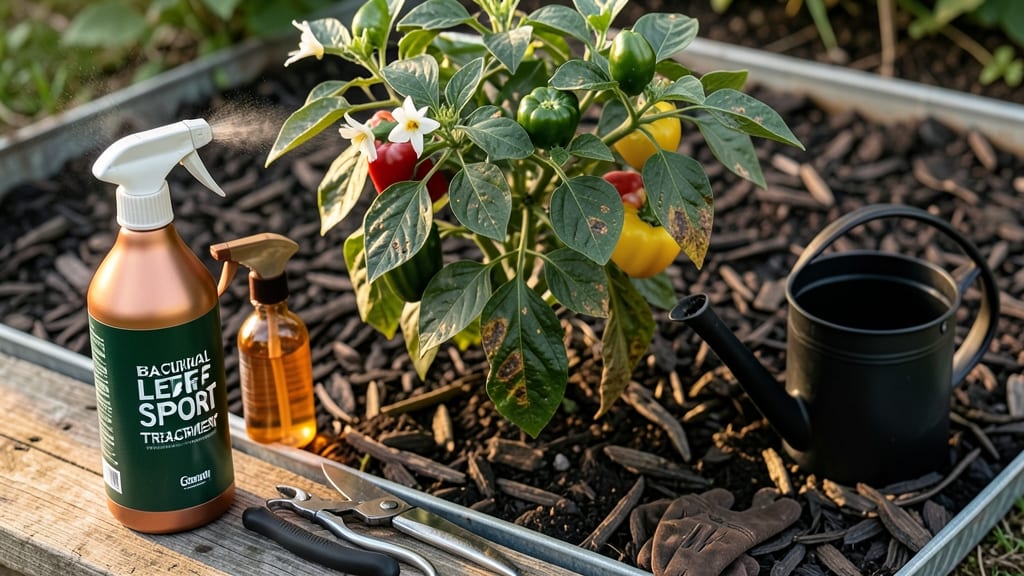
Your peppers are covered in ugly brown spots from the bacterial leaf spot pepper treatment—and copper sprays aren’t your thing. Bacterial leaf spot can turn a thriving plant into a sad, spotted mess in weeks, but there’s a fast, copper-free fix that actually works.
I’ve saved multiple harvests using this method, and it stops the spread while helping plants bounce back.
The problem starts with water splashing leaves (especially at the base) or crowded plants with poor airflow. Those tiny spots? They’re bacterial colonies waiting to multiply. The good news? You don’t need harsh chemicals.
A mix of baking soda, dish soap, and water (sprayed in the morning) creates an unfriendly environment for the bacteria, while pruning infected leaves gives your plant a fighting chance.
Within 7-10 days, you’ll see new growth pushing through, and those spots will stop spreading. The key is consistency—spray every 5-7 days until the plant’s fully recovered, and always water at the soil level to keep leaves dry.
Your next harvest will be spot-free (and your neighbors will be jealous of your pepper plants).
This works for bell peppers, jalapeños, and even tomatoes hit by the same issue. The secret? Catching it early and giving your plants the space they need to breathe. Let’s get those leaves looking healthy again.
Why it happens
Bacterial leaf spot on peppers isn’t just a random bad-luck scenario—it’s the result of a perfect storm of environmental factors, pathogen behavior, and even gardener habits. Understanding these triggers is the first step to stopping the spread and saving your crop.
Let’s break down the key causes behind this stubborn disease, so you can address them directly.
🌧️ Overwatering and Poor Drainage
Bacterial leaf spot thrives in wet conditions. When pepper leaves stay damp for prolonged periods—whether from overhead watering, heavy dew, or soggy soil—the bacteria (Xanthomonas and Pseudomonas species) get the ideal environment to invade.
Poor drainage exacerbates the problem by keeping roots and foliage saturated, creating a high-humidity microclimate on the plant surface.
- Why it matters: Bacteria enter through natural openings (like stomata or wounds) and multiply rapidly in moisture.
- Actionable fix: Water at the base early in the day (before 10 AM) to allow foliage to dry quickly. Use drip irrigation or soaker hoses to avoid wetting leaves.
- Pro tip: 🌡️ If your soil feels like a sponge and water pools after rain, amend it with compost or perlite to improve aeration.
🍃 Contaminated Tools and Hands
Bacterial leaf spot spreads like wildfire through physical contact. Pruners, gloves, or even your fingers can transfer bacteria from infected plants to healthy ones. Even splashes of rainwater carrying bacterial cells can hitchhike onto tools and spread the disease across your garden.
- Why it matters: A single contaminated pair of shears can infect an entire row of peppers in days.
- Actionable fix: Sanitize tools between plants with a 10% bleach solution (1 part bleach to 9 parts water) or 70% rubbing alcohol. Wash hands thoroughly after handling infected plants.
- Pro tip: ✨ Disinfect pruning tools even if you’re just moving between healthy and sickly plants—prevention is easier than cure!
🌡️ Warm, Humid Weather Patterns
Bacterial leaf spot loves heat and humidity. Temperatures between 75–90°F (24–32°C) combined with high humidity (above 70%) create the perfect breeding ground. In tropical or summer climates, outbreaks are more common because the bacteria grow and spread faster in these conditions.
- Why it matters: Warmth speeds up bacterial reproduction, while humidity keeps leaves damp—double trouble for your peppers.
- Actionable fix:
- 🌿 Space plants properly (18–24 inches apart) to improve airflow and reduce humidity near foliage.
- 💨 Use a fan on low speed to circulate air around plants (especially in greenhouses or dense plantings).
- 🌅 Avoid late-day watering—evening moisture + warm nights = bacterial buffet.
- Pro tip: 🎯 If you’re in a hot climate, consider shade cloth (30–50%) to lower leaf temperature and reduce stress.
🌱 Weakened Plants from Stress
Stressed peppers are defenseless against bacterial invaders. Overcrowding, nutrient deficiencies (especially calcium, magnesium, or nitrogen), or physical damage (like hail or insect bites) create entry points for bacteria. Even transplant shock can weaken plants enough to trigger an infection.
- Why it matters: Healthy plants have stronger cell walls and natural antimicrobial compounds—stressed plants don’t.
- Actionable fix:
- 🍽️ Feed peppers regularly with a balanced fertilizer (like 10-10-10) or compost tea to boost immunity.
- 🌱 Thin plants to reduce competition for nutrients and improve airflow.
- 🚫 Avoid physical trauma—handle plants gently and remove damaged leaves promptly.
- Pro tip: 💡 Calcium-rich amendments (like crushed eggshells or lime) can strengthen cell walls and deter bacterial entry.
🌿 Infected Seedlings or Transplants
Sometimes, the problem starts before you even plant. Bacterial leaf spot can lurk in contaminated seeds, soil, or nursery stock. If you buy seedlings from an infected batch or reuse soil from a previously sickened garden bed, the bacteria can lie dormant until conditions are right to strike.
- Why it matters: Once established in your garden, the bacteria can persist in soil or plant debris for years.
- Actionable fix:
- 🌱 Buy from reputable nurseries and inspect seedlings for dark spots or yellowing before purchasing.
- 🔥 Solarize soil (cover with clear plastic for 4–6 weeks in hot sun) to kill dormant bacteria before planting.
- 🚫 Avoid reusing infested soil—replace it or treat it with a steam sterilization method.
- Pro tip: 🔍 Test soil for bacterial presence using a home kit or send samples to a local extension office for analysis.
Fix Bacterial Leaf Spot Naturally
Now that you know what’s causing those unsightly brown spots on your pepper leaves, it’s time to act! The good news? You don’t need harsh chemicals to save your plants.
With a mix of preventive care, immediate fixes, and long-term strategies, you can stop bacterial leaf spot in its tracks and help your peppers bounce back stronger. Below, we’ve mapped out practical, copper-free solutions tailored to the root causes—so you can treat the problem and keep it from returning.
Cause: Spread via contaminated leaves or water splashes. Fix:
- 🔪 Snip it out: Use sterilized pruners (wipe with rubbing alcohol between cuts) to remove all infected leaves—even small spots can harbor bacteria.
- 🗑️ Bag and trash: Place cuttings in a sealed plastic bag (not compost) to prevent spores from spreading. Avoid burning if possible, as smoke can carry bacteria.
- 💡 Pro Tip: If the infection is severe, consider pruning up to 1/3 of the plant to improve airflow and reduce humidity around remaining leaves.
Cause: Overhead watering or poor drainage creates bacterial-friendly conditions. Fix:
- 👨🍳 Switch to drip irrigation: Water at the base (not leaves) to keep foliage dry. Early morning is best—wet leaves in the evening invite bacteria.
- 🌡️ Improve drainage: Ensure pots have drainage holes, and raised beds allow excess water to escape. Amend heavy soil with perlite or compost to prevent soggy roots.
- ✨ Soil test tip: If your soil stays waterlogged, mix in sand or coconut coir to boost aeration.
Cause: Weakened plants (from stress, nutrient deficiencies, or poor airflow) are prime targets. Fix: Try these preventive sprays (apply every 7–10 days or after rain):
| Solution | How to Use | Why It Works |
|---|---|---|
| Neem Oil + Baking Soda | Mix 1 tsp neem oil + 1 tbsp baking soda + 1 tsp mild soap in 1 quart water. Spray under leaves. | Fungal/bacterial suppressant + raises pH to deter pathogens. |
| Hydrogen Peroxide | 1 tbsp 3% food-grade H₂O₂ per quart water. Spray only on dry leaves. | Kills bacteria on contact without harming plants. |
| Garlic or Chili Pepper Spray | Blend 4 garlic cloves + 1 tbsp cayenne in 1 quart water. Strain and spray. | Natural antimicrobials confuse bacterial enzymes. |
⏰ Timing Matters: Spray early morning or late afternoon to avoid scorching leaves in direct sun.
Cause: Crowded plants trap moisture and bacteria. Fix:
- 🔥 Thin out plants: Space peppers 18–24 inches apart (check your variety’s needs). Remove suckers to improve airflow.
- 🌬️ Use fans (gently!): Place a small oscillating fan on low speed near plants to mimic wind and dry leaves faster.
- 🏡 Greenhouse hack: If growing indoors, crack a window or use a dehumidifier to keep humidity below 70%.
Cause: Contaminated tools, soil, or neighboring plants reintroduce bacteria. Fix:
- 🧼 Sterilize everything: Clean pruners, pots, and trellises with bleach solution (1:10 ratio) or vinegar. Rinse well.
- 🌱 Rotate crops: Avoid planting peppers, tomatoes, or eggplants in the same spot for 3+ years (bacterial leaf spot persists in soil).
- 🛒 Mulch smartly: Use straw or wood chips (not fresh grass clippings) to keep soil-borne bacteria away from leaves.
Stop bacterial leaf spot from creeping back with these habits:
- 🌱 Start with resistant varieties: Try ‘Aristotle,’ ‘Carmen,’ or ‘Jupiter’ peppers—bred for disease resistance.
- 🍅 Crop monitoring: Inspect leaves weekly (especially undersides) for early signs.
- 💪 Feed right: Use balanced organic fertilizer (like fish emulsion or worm castings) to avoid nitrogen burnout, which weakens plants.
- 🌧️ Weather prep: If rain is forecasted, cover plants with row fabric to shield leaves.
💡 Final Reminder: Patience is key! Treated plants may take 2–4 weeks to show full recovery. Stay consistent with care, and your peppers will thank you with healthy, spot-free foliage—and a bountiful harvest!
Frequently asked questions about pepper leaf spot treatment
Can I still harvest peppers with bacterial leaf spot?
Yes, but focus on healthy fruit first. Remove any peppers touching infected leaves to avoid contamination. The bacteria don't spread through the fruit itself, but pruning infected foliage first will protect your remaining harvest. Always wash peppers thoroughly before eating.
How long does it take to see improvement after treatment?
With consistent care, you should notice new growth within 7-10 days. Full recovery may take 2-4 weeks depending on how advanced the infection was. The key is applying treatments every 5-7 days and removing infected leaves immediately.
Will my pepper plants recover completely?
Many plants recover fully if treated early, but severe cases may leave some leaf scarring. The good news is that new growth will be healthy! For best results, remove all infected foliage and focus on strengthening the plant's defenses with proper spacing and nutrition.
Can I reuse soil from infected plants?
No, you should not reuse infected soil without sterilization. Bacterial leaf spot can persist in soil for years. For small containers, replace the soil completely. For garden beds, solarize the soil (cover with clear plastic for 4-6 weeks in hot sun) or use a steam sterilization method.
What's the difference between bacterial leaf spot and fungal leaf spot?
Bacterial spots appear as water-soaked, greasy-looking lesions that often have yellow halos, while fungal spots are usually dry and crusty with defined edges. Bacterial spots spread faster in warm, wet conditions, while fungi thrive in cooler, damp environments. Treatment approaches differ significantly.