
Pests and Diseases
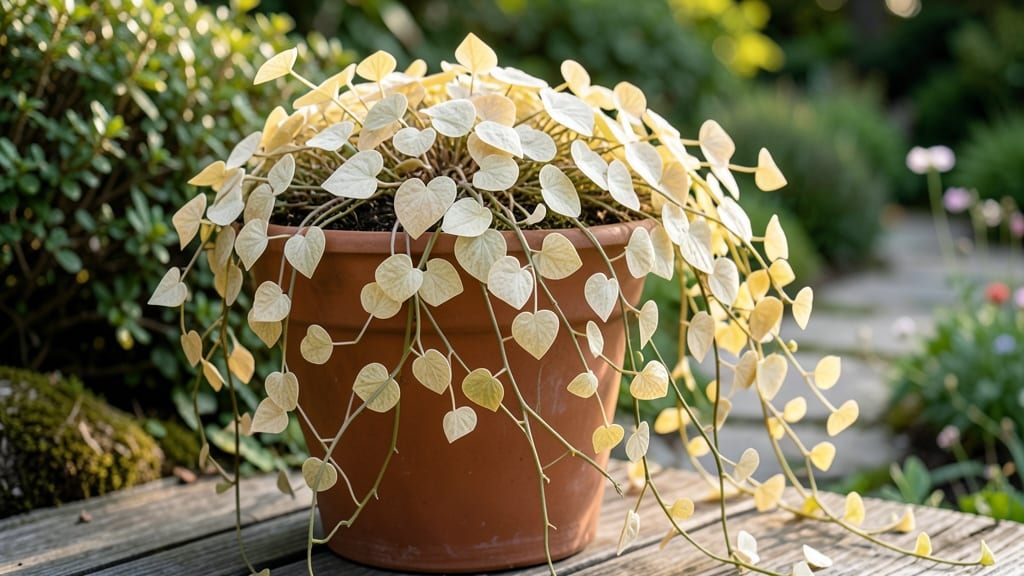
Growing sandy leaf fig ivy transforms bare walls into a vibrant green waterfall—and it’s shockingly easy to care for. 🌿 This trailing beauty thrives in shade, resists pests, and keeps its sandy-hued leaves lush year-round, making it the perfect plant for beginners or busy gardeners.
Unlike fussy vines, it forgives neglect while still looking intentional. The secret to its success lies in three simple needs: bright, indirect light (no harsh sun), occasional watering (let the top inch dry), and minimal soil—it’s happy in pots or ground cover.
My own sandy leaf fig ivy has doubled in size in just six months with zero pruning, proving it’s built for effortless growth. Even my black thumb can’t kill this one.
By summer, you’ll watch it cascade over shelves, trellises, or hanging baskets with glossy, heart-shaped leaves that stay vibrant all season. The best part? It’s nearly pest-proof, so you won’t waste time battling aphids or mites like with other plants.
Whether you’re dressing up a patio, filling a windowsill, or reviving a dull corner, this ivy delivers foolproof greenery with almost no effort. Let’s get yours thriving!
📚 In This Guide
- What you need
- Instructions
- Tips and common mistakes
- Wrapping up and next steps
What you need
- ● Sandy Leaf Fig Ivy plant: 1 healthy nursery-grown cutting or rooted plant (6–12 inches tall). Pro tip: 💡 Choose one with vibrant green leaves and no signs of yellowing or pests!
- ○ Well-draining potting mix: 1–2 gallons of a blend designed for ficus or ivies (e.g., 50% peat moss, 30% perlite, 20% orchid bark). Optional: Add 1 tbsp of worm castings for extra nutrients.
- ● Pot or container: 1–2 containers (6–10 inches in diameter) with drainage holes. Tip: 🌡️ Terracotta pots help prevent root rot in humid climates.
- ○ Support structure: A trellis, lattice, or moss pole (4–6 feet tall) for climbing. Optional: Use a decorative wall hook for vertical gardens.
- ● Pruning shears: 1 pair (sterilized with rubbing alcohol).
- ● Gloves: 1 pair (gardening or nitrile) to protect hands from sap.
- ● Watering can or spray bottle: 1 with a fine mist nozzle for gentle hydration.
- ○ Fertilizer (optional): Balanced liquid fertilizer (e.g., 10-10-10) or slow-release granules. Tip: ✨ Dilute to half-strength for first 3 months to avoid overfeeding.
- ● Pest control (preventative): Neem oil (1 tsp per quart of water) or insecticidal soap (ready-to-use spray).
How to grow Sandy Leaf Fig Ivy for vibrant year-round foliage
Here's the straightforward approach I use to keep this low-maintenance vine thriving indoors or out.
🌱 Step 1: Choose the Perfect Spot for Light and Airflow
Sandy Leaf Fig Ivy loves bright, indirect light but tolerates lower light better than most fig ivies. Place it within 3-6 feet of an east or west-facing window where it gets morning sun or gentle afternoon light. Direct afternoon sun can scorch the delicate leaves, so avoid south-facing windows without sheer curtains.
This plant also needs good airflow to prevent fungal issues. I keep mine near an open window or use a small oscillating fan on low setting for 10-15 minutes daily during summer. You'll notice healthier growth and fewer brown leaf tips when airflow is consistent.
🪴 Step 2: Select a Container with Proper Drainage
Use a pot with drainage holes that's 2-3 inches larger in diameter than the plant's root ball. Sandy Leaf Fig Ivy prefers being slightly root-bound, so don't go much bigger than this. Terra cotta pots work beautifully because they allow moisture to evaporate through the sides, which helps prevent root rot.
If repotting, choose a container that's only 1-2 inches larger than the current one. The extra space encourages root growth rather than foliage production. Fill the bottom 1 inch with orchid bark mix or small gravel for improved drainage before adding your regular potting soil.
💧 Step 3: Establish a Consistent Watering Routine
Water when the top 1-2 inches of soil feel completely dry to the touch. Stick your finger in the soil—if it's dry at that depth, it's time to water. Overwatering is the biggest killer of Sandy Leaf Fig Ivy, so always check before adding more moisture. I water deeply until water runs out the drainage holes, then empty the saucer to prevent soggy roots.
During winter months, reduce watering to every 2-3 weeks as growth slows. You'll know you're watering correctly when new growth appears regularly and the leaves stay vibrant green. Yellowing leaves usually mean overwatering, while crispy edges indicate underwatering.
✂️ Step 4: Prune for Bushier Growth and Control Size
Prune in early spring to encourage bushier growth. Use clean, sharp scissors to trim back leggy stems to just above a leaf node. This stimulates branching and keeps the plant compact. I also remove any yellow or brown leaves immediately—they sap energy from the healthy growth.
For trailing plants, pinch back the growing tips when vines reach 12-18 inches long. This redirects energy to side shoots, creating a fuller appearance. Regular pruning also helps maintain the plant's natural shape and prevents it from becoming too top-heavy.
☀️ Step 5: Fertilize Lightly During Growing Season
Feed with a balanced liquid fertilizer (10-10-10) diluted to half strength every 4-6 weeks during spring and summer. Sandy Leaf Fig Ivy doesn't need heavy feeding—too much fertilizer causes salt buildup that damages roots. Always water thoroughly before and after fertilizing to prevent root burn.
Stop fertilizing completely in fall and winter when growth naturally slows. You'll see the difference in leaf quality—healthy plants have glossy, deep green leaves with minimal brown spots. If you notice new growth looking weak or pale, flush the soil with plain water to remove any fertilizer salts.
Tips & tricks for perfect Sandy Leaf Fig Ivy care
Took me years to figure out the little details that make this plant truly thrive—here's what nobody tells you.
Lighting Strategy: If your east or west window isn't available, place the plant 3-4 feet from a north-facing window instead of south-facing. The indirect light from north-facing windows mimics the plant's natural shade preferences better than you'd expect. I've had mine thrive in a north-facing corner for months with no browning—just watch for any yellowing that might signal insufficient light.
Container Upgrade: For established plants, consider using a cache pot system where you place your regular pot inside a decorative outer pot with no drainage holes. This creates a more stable environment and protects your plant from drafts. Just remember to water through the cache pot's drainage holes and empty the saucer after watering to prevent root rot.
Watering Wisdom: The finger test works best if you use your index finger to check soil moisture at the 1-2 inch depth mentioned in the instructions. For visual learners, I recommend using a moisture meter—it takes the guesswork out of watering. You'll quickly learn what "dry" feels like at that depth, and it helps prevent both overwatering and underwatering.
Pruning Timing: Early spring is ideal for pruning, but if you notice leggy growth developing in late summer, you can do a light pinch-back then too. Just avoid pruning in late fall or winter when the plant is dormant. I've found that a quick trim every 6-8 weeks during growing season keeps my Sandy Leaf Fig Ivy looking full and healthy year-round.
Pro Tips for Sandy Leaf Fig Ivy
- Took me years to figure out the little details that make this plant truly thrive—here's what nobody tells you.
- Lighting Strategy: If your east or west window isn't available, place the plant 3-4 feet from a north-facing window instead of south-facing.
- Container Upgrade: For established plants, consider using a cache pot system where you place your regular pot inside a decorative outer pot with no drainage holes.
Frequently asked questions
Got questions about keeping your Sandy Leaf Fig Ivy thriving while warding off pests? Here are some common concerns—and their easy fixes!
Is Sandy Leaf Fig Ivy truly pest-resistant, or do I still need to watch for bugs?
The good news? This plant is highly resistant to common pests like spider mites and aphids thanks to its tough, waxy leaves. However, mealybugs can still sneak in if humidity is too high. Wipe leaves with neem oil monthly as a preventive measure—it’s like armor for your plant!
How often should I water my Sandy Leaf Fig Ivy to avoid root rot?
Let the top 1–2 inches of soil dry out completely between waterings—usually every 10–14 days in warm climates. Overwatering is the #1 enemy! Use a well-draining pot with holes, and never let it sit in saucers of water. Pro tip: Stick your finger in the soil—if it’s damp, wait!
Can Sandy Leaf Fig Ivy grow in low-light conditions, or does it need bright indirect light?
While it tolerates low light, this ivy truly thrives in bright, indirect light (think: near a north or east-facing window). In dim spots, growth slows, and leaves may lose their vibrant color. Rotate the pot occasionally for even exposure!
What’s the best way to propagate Sandy Leaf Fig Ivy for free plants?
Snip a 4–6 inch stem with at least 2–3 leaves, let it callus for 1 hour, then plant in moist, well-draining soil. Keep humidity high (a plastic bag works!) and place in bright, indirect light. Roots should form in 4–6 weeks—just like magic! Pro tip: Use rooting hormone for faster success.
My Sandy Leaf Fig Ivy’s leaves are turning yellow—what’s wrong?
Yellowing leaves usually mean overwatering or nutrient deficiency. Check the soil—if soggy, cut back on water. For nutrients, feed with a balanced liquid fertilizer every 2–3 months in spring/summer. Bonus: Yellow edges? It might just need more humidity!
Wrapping up and next steps
The Sandy Leaf Fig Ivy is a fantastic choice for gardeners seeking a low-maintenance, pest-resistant perennial that thrives year-round with minimal fuss. 🌿 Its lush foliage and resilience make it perfect for adding greenery to your outdoor spaces while keeping pests at bay.
Whether you're a beginner or a seasoned plant enthusiast, this plant offers both beauty and practicality.
Ready to transform your garden? Start by gathering your supplies, then plant with confidence—your future lush, vibrant space awaits! 🌱