
Leaf Blower
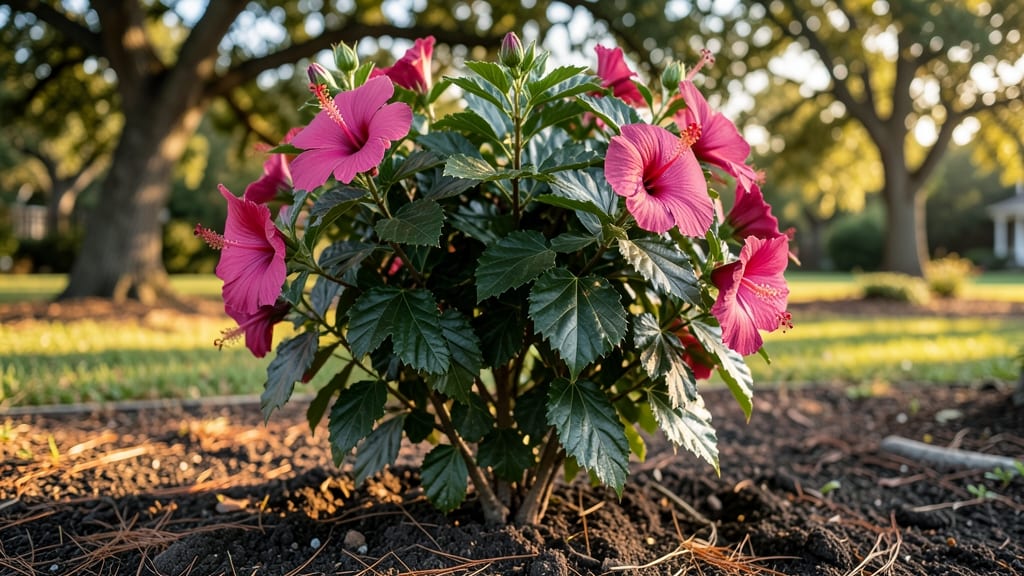
Your hibiscus maple leaf plants could look shockingly lush by next summer—if you prune them right. 🌿 I’ve spent years perfecting the timing and technique for these dramatic foliage varieties, and the difference between a scraggly bush and a showstopper is all in the cuts.
The key isn’t just when you prune but how you shape the plant to encourage those signature lobed leaves to grow bigger and fuller.
These hibiscus thrive in well-draining soil with a touch of compost, and they’ll reward you with vibrant green foliage if you give them at least 6 hours of sunlight daily.
Overwatering is the real enemy—let the top inch of soil dry out between waterings, and watch for yellowing leaves as your first warning sign.
The pruning schedule starts in late winter when new growth begins, but don’t stop there: a light trim after each flush of blooms keeps the shape tight and the leaves glossy.
By mid-summer, your plant should be a dense, velvety-green wall of maple-shaped leaves, with occasional bursts of color if you’ve chosen a flowering variety. The secret to keeping them this way?
Prune for airflow—thin out crowded branches so light reaches the inner leaves. You’ll also avoid the dreaded leaf drop that plagues so many hibiscus when they’re overcrowded or stressed.
Propagation is easier than you’d think: take 4-6 inch cuttings in early summer, strip the lower leaves, and root them in a mix of perlite and peat moss. Within 6-8 weeks, you’ll have ready-to-plant babies that’ll mature into full-sized shrubs in just a couple of seasons.
Perfect for filling gaps in your landscape or sharing with fellow plant lovers.
Root Causes Of Leaf Issues
Understanding why your hibiscus maple leaf (or similar tropical foliage) develops unexpected patterns—like yellowing, browning, or distorted edges—starts with identifying the underlying triggers. These issues rarely appear randomly; they’re usually a response to environmental stress, pest activity, or cultural mismanagement.
Let’s break down the real culprits behind these leaf symptoms with clear, actionable science.
Extreme or inconsistent temperatures can shock your plant, causing leaf discoloration or curling. Hibiscus maple leaf varieties (e.g., Abutilon hybrids) thrive in warm, stable climates (65–85°F). When exposed to:
- Cold Drafts or Frost: Temperatures below 50°F trigger chlorosis (yellowing) as chlorophyll breaks down. Cell membranes rupture, halting nutrient transport.
- Actionable Fix: Move potted plants indoors before frost or use frost cloth for outdoor varieties. Ensure even heating—avoid placing near AC vents or drafty windows.
- Heat Scorch: While hibiscus loves warmth, direct afternoon sun + high humidity can cause brown, crispy edges (like sunburn).
Leaf surfaces lose moisture faster than roots can replace it. - Actionable Fix: Provide dappled shade (e.g., sheer curtains or a 30% shade cloth) during peak sun hours (11 AM–3 PM). Increase humidity with a pebble tray or humidifier.
Water is the lifeblood of your hibiscus maple leaf, but imbalances lead to stress symptoms. Overwatering and underwatering both disrupt root oxygen exchange and nutrient uptake.
| Symptom | Cause | How to Fix |
|---|---|---|
| Yellowing Leaves | Overwatering (anaerobic roots) | Let top 1–2 inches of soil dry before watering. Use well-draining soil (60% potting mix + 40% perlite). |
| Drooping or Wilting | Underwatering (root desiccation) | Water deeply until it drains from the bottom. Check soil moisture with your finger—never let it stay soggy. |
| Brown Leaf Tips | Low humidity + fluoride buildup | Use rainwater or distilled water (tap water often contains fluoride). Mist leaves occasionally. |
💡 Pro Tip: Stick your finger in the soil—if it’s dry up to your first knuckle, it’s time to water. If it’s damp, wait 2–3 more days.
Hidden invaders like spider mites, aphids, or fungal pathogens (e.g., powdery mildew) feed on leaf sap or clog stomata, leading to stunted growth, spots, or leaf drop.
- Spider Mites 🕷️: - Symptoms: Tiny yellow/white speckles, webbing on undersides, leaf curling. - Why It Happens: These pests thrive in dry, dusty conditions (low humidity + lack of cleaning). - Fix: Spray leaves with neem oil (1 tsp per quart of water) or introduce predatory mites.
Wipe leaves with a damp cloth weekly to remove dust.
- Fungal Infections 🍄:
- Symptoms: White powdery coating (mildew) or black/brown spots with yellow halos.
- Why It Happens: Poor airflow + overhead watering creates a damp, fungal-friendly environment.
- Fix: Prune for air circulation, water at the base only, and apply copper fungicide (follow label rates).
- Aphids 🐜:
- Symptoms: Sticky residue (honeydew), curled leaves, black sooty mold.
- Why It Happens: Aphids cluster on new growth and excrete honeydew, attracting mold.
- Fix: Blast off with a strong stream of water or use insecticidal soap (repeat every 5–7 days).
Hibiscus maple leaves are heavy feeders and need a balanced diet. Deficiencies or excesses (especially salt buildup from tap water) cause leaf discoloration or poor growth.
| Deficiency/Toxicity | Leaf Symptoms | Solution |
|---|---|---|
| Nitrogen (N) | Pale yellow leaves, slow growth | Use a balanced fertilizer (10-10-10) every 4–6 weeks in growing season. |
| Iron (Fe) | Yellowing between veins (chlorosis) | Apply chelated iron or use acidic soil (pH 6.0–6.5). Avoid lime. |
| Potassium (K) | Brown edges, weak stems | Feed with potassium-rich fertilizer (e.g., banana peel tea). |
| Salt Buildup | Crusty soil, leaf burn | Flush soil with distilled water 2x/year. Repot if roots are encased in salt. |
🔥 Warning: Over-fertilizing (especially with synthetic salts) burns roots. Always water before fertilizing to dilute salts in the soil.
Sometimes, the issue isn’t biological—it’s mechanical stress from human error or environmental factors.
- Wind Burn: Strong winds desiccate leaf edges, causing brown, papery patches.
- Fix: Place plants in a sheltered spot or use a windbreak (e.g., bamboo screen).
- Transplant Shock: Moving hibiscus maple leaf disrupts root systems, leading to leaf drop or wilting.
- Fix: Repot in spring/summer (active growth phase). Water thoroughly before and after transplanting. Trim 1/3 of roots to encourage new growth.
- Chemical Exposure: Bleach, pesticides, or household fumes (e.g., cigarette smoke) can bleach or spot leaves.
- Fix: Move plants away from chemical sources and wipe leaves with mild soap water to remove residue.
Not all leaf issues are fixable—some are natural based on the plant’s life stage or variety.
- Seasonal Shedding: Hibiscus maple leaf may drop older leaves in fall/winter as part of its dormancy cycle.
- What to Do: Don’t panic—new growth will return in spring. Reduce watering during dormancy.
- Variegation Reversion: Some hybrid varieties (e.g., Abutilon ‘Jelly Bean’) may lose variegation if stressed or if the green pigment (chlorophyll) dominates. - Why It Happens: Variegation is genetically unstable—it requires balanced light and nutrients to maintain.
Too much shade or poor care can cause reversion to solid green.
Leaf issues in hibiscus maple leaf are almost always diagnosable by observing pattern, location, and timing of symptoms. Start with the most likely culprits (water, pests, or light) and work your way to nutrient or genetic factors.
Adjust one variable at a time (e.g., watering schedule) to isolate the problem—this methodical approach will save your plant’s health and your sanity! 🌿✨
Fixing Your Hibiscus Maple’s Leaf Issues
Revitalizing your hibiscus maple’s lush, maple-like foliage starts with targeted care. Whether your plant is struggling with yellowing leaves, pests, or poor growth, these practical solutions will help you diagnose and treat the problem—plus prevent future setbacks.
Below, we break down common issues and their fixes, so you can get back to enjoying vibrant, healthy leaves all year round.
Cause: Overwatering, underwatering, nutrient deficiency, or fungal infections. Fix:
- Check soil moisture 💧 – Stick your finger 1-2 inches into the soil. If it’s soggy, your plant is overwatered; if dry, it needs hydration. Hibiscus maples prefer well-draining soil and should only be watered when the top inch feels dry.
- Adjust watering habits – Water deeply but less frequently. Ensure pots have drainage holes to prevent root rot.
- Fertilize for greener growth 🌱 – Use a balanced liquid fertilizer (10-10-10 or 20-20-20) every 4-6 weeks during spring and summer. For nutrient deficiencies, a chelated iron supplement can revive yellowing leaves quickly.
- Inspect for fungal issues 🍄 – If leaves have brown spots or a white powdery coating, treat with neem oil or a copper fungicide and improve airflow by pruning crowded branches.
Prevention Tips: ✔ Use peat-based or cactus/succulent mix for better drainage. ✔ Avoid wetting leaves when watering to reduce fungal risks. ✔ Mulch around the base (but not touching the trunk) to retain moisture without suffocating roots.
Cause: Weakened plants attract pests like spider mites, aphids, or scale insects, which suck sap and cause leaf curling or sticky residue. Fix:
- Isolate the plant 🛑 – Move it away from other plants to prevent spreading.
- Blast off pests 💦 – Spray leaves with a strong stream of water to dislodge soft-bodied pests like aphids.
- Apply insecticidal soap or neem oil 🌿 – Mix 1 tsp of mild dish soap + 1 tsp neem oil per quart of water and spray thoroughly (test on a small leaf first). Repeat every 5-7 days.
- Introduce beneficial insects 🐞 – Ladybugs or lacewings eat aphids naturally—pick them up at garden centers.
- Prune heavily infested branches ✂️ – Trim and dispose of affected leaves to stop the cycle.
Prevention Tips: ✔ Inspect new plants before bringing them home. ✔ Encourage natural predators by planting marigolds or basil nearby. ✔ Wipe leaves monthly with a damp cloth to remove eggs or early signs of pests.
Cause: Lack of sunlight, poor soil, or over-pruning. Fix:
- Move to brighter light ☀️ – Hibiscus maples thrive in partial shade to full sun (6+ hours of indirect light). If indoors, place near a south- or west-facing window.
- Repot in fresh, nutrient-rich soil 🏺 – Use a well-aerated potting mix with perlite or orchid bark. Add a slow-release fertilizer at repotting time.
- Prune strategically ✂️ – Trim back 1/3 of leggy stems to encourage bushier growth. Focus on outer growth to open up the plant’s canopy.
- Rotate the plant 🌀 – Every few weeks, turn the pot ¼ turn to ensure even light exposure.
Prevention Tips: ✔ Fertilize lightly during fall/winter to avoid leggy growth spurts. ✔ Avoid overcrowding in pots—root-bound plants grow slowly. ✔ Use grow lights if natural light is insufficient (LED full-spectrum bulbs work well).
Cause: Underwatering, low humidity, or fluoride/chlorine in tap water. Fix:
- Increase humidity 🌧️ – Place the pot on a pebble tray with water or use a humidifier nearby. Grouping plants together also helps.
- Switch to filtered or rainwater 💧 – If using tap water, let it sit out for 24 hours to reduce chemicals.
- Mist leaves gently 🌿 – Use a spray bottle with room-temperature water in the morning to avoid fungal growth.
- Check for drafts ❄️ – Keep the plant away from AC vents, heaters, or open windows in winter.
Prevention Tips: ✔ Group plants together to create a microclimate. ✔ Use a moisture meter to track soil dryness accurately. ✔ Avoid cold drafts—hibiscus maples dislike sudden temperature drops.
When to Prune:
- Spring (March-April): Trim dead or weak branches to encourage new growth.
- Summer (June-July): Light pruning to shape the plant and remove overcrowded branches.
- Fall (September-October): Reduce growth by 20-30% to prepare for winter dormancy.
- Winter (November-February): Minimal pruning—only remove dead wood.
How to Prune:
- Sterilize tools 🔪 – Wipe pruners with rubbing alcohol before and after use.
- Cut at a 45° angle 📏 – Just above a leaf node or bud for cleaner regrowth.
- Remove no more than 1/3 of the plant at a time to avoid stress.
- Dispose of clippings 🗑️ – Burn or bag pruned material to prevent disease spread.
Pro Tip: 💡 Prune in the morning when leaves are dry to reduce stress on the plant.
Frequently asked questions
What’s the best soil mix for hibiscus with maple-shaped leaves?
Use a well-draining blend of 60% potting soil and 40% perlite or orchid bark to prevent root rot. These plants thrive in slightly acidic soil (pH 6.0–6.5). For container-grown varieties, add a handful of compost to refresh nutrients every 3–4 months.
How do I encourage bigger, more lobed leaves?
Prune strategically by cutting back 1/3 of leggy stems in early spring to stimulate bushier growth. Place your plant in bright, indirect light (6+ hours daily) and fertilize with a balanced 10-10-10 mix every 4–6 weeks during growing season. Avoid overcrowding—thin out branches to improve airflow.
Why are my hibiscus leaves turning yellow?
Yellowing often signals overwatering (check soil moisture—it should dry 1–2 inches deep between waterings) or nutrient deficiency. Test for iron deficiency (yellowing between veins) and apply chelated iron if needed. Also, ensure your plant isn’t sitting in cold drafts or soggy soil.
Can I grow hibiscus maple leaf indoors?
Yes! Place it near a south- or west-facing window for 6+ hours of indirect light. Supplement with a grow light if natural light is insufficient. Keep humidity high (use a pebble tray or humidifier) and avoid cold drafts. Rotate the pot monthly for even growth.
How do I propagate hibiscus maple leaf cuttings?
Take 4–6 inch cuttings in early summer, strip lower leaves, and dip in rooting hormone. Plant in a mix of perlite and peat moss, keep soil moist, and cover with a plastic bag for humidity. Roots typically form in 6–8 weeks. Transplant once established.