
Shrubs
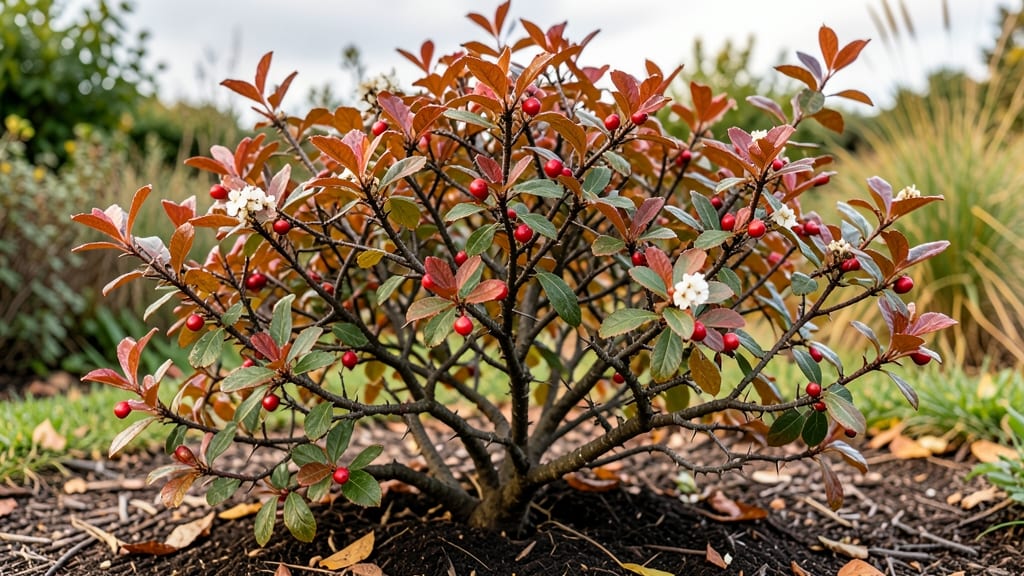
That fiery red foliage transforms any yard into a standout showstopper. 🌿 The secret to keeping red-leaf shrubs like Euonymus alatus or Berberis thunbergii vibrant all year? A few simple tricks about sunlight, soil, and timing that most gardeners miss.
I’ve grown these bold beauties for years, and the difference between a lackluster shrub and one that steals the show comes down to these key habits.
You’ll need full sun to partial shade, well-draining soil, and patience—because these shrubs reward consistency over fussing. The right variety for your climate makes all the difference: drought-tolerant Cotinus coggygria thrives in heat, while Berberis handles colder winters with ease.
Prune in late winter to encourage fresh, bright growth, and watch those stems turn a stunning burgundy in cooler months.
By summer’s end, your shrub will be a deep, glossy red that pops against green lawns and flowers. The best part? These plants handle neglect better than most—just don’t overwater, and they’ll stay lush with almost no effort.
They’re perfect for hedges, borders, or even as a dramatic focal point in garden beds.
Whether you’re filling a shady corner or brightening a sunny border, these shrubs deliver year-round color with almost no upkeep. Once established, they’ll outlast trendy annuals and keep your landscape looking fresh through every season.
📚 In This Guide
- What you need
- Instructions
- Tips and common mistakes
- Wrapping up and next steps
What you need
- ● Red leaf shrub: Choose between Pyracantha (Firethorn), Cotoneaster, or Euonymus alatus (Burning Bush) based on your climate and space.
- ● Well-draining soil: A mix of 60% topsoil, 30% compost, and 10% perlite or sand (for sandy soils).
- ● Organic mulch: 2–3 inches of shredded bark, pine straw, or wood chips to retain moisture and suppress weeds.
- ● Slow-release fertilizer: 10-10-10 NPK ratio (apply in early spring).
- ● Watering can or hose with a gentle spray nozzle: For deep, infrequent watering.
- ● Garden trowel or spade: For digging holes (depth = 2x the root ball, width = 3x).
- ● Pruning shears: Bypass pruners (sharp, clean) for shaping and maintenance.
- ● Gloves: Heavy-duty gardening gloves to protect against thorns (especially for Pyracantha).
- ● Measuring tape or ruler: To ensure proper spacing (6–10 feet apart, depending on variety).
- ○ Stakes (optional): 3–4 ft bamboo stakes + twine for young shrubs in windy areas.
- ● Sunlight: Full sun (6+ hours/day) for optimal color; tolerates partial shade in hot climates.
- ● Climate zone: USDA Zones 5–9 (check your shrub’s specific hardiness).
- ● Patience: 2–3 years for mature foliage color (though some Euonymus varieties show red as early as year 1!).
- ● Test your soil: A pH of 6.0–7.0 is ideal; amend with lime or sulfur if needed.
- ● Water deeply: 1–2 inches per week during the first growing season, then taper to weekly once established.
- ● Choose disease-resistant varieties: Look for tags mentioning fire blight or powdery mildew resistance.
Step-by-step instructions for planting and caring for red leaf shrubs
Here's how to establish bold red foliage that thrives with minimal fuss—once planted right.
🪴 Step 1: Choose the Perfect Planting Location
Red leaf shrubs thrive in full sun to partial shade, but the most vibrant foliage appears when they receive at least 6 hours of direct sunlight daily. I always scout the site in late afternoon when light is harshest—this helps me predict how leaves will respond. Avoid low-lying areas where cold air settles, as these shrubs are only hardy to USDA Zone 6 and need winter protection.
Test the soil by digging a 6-inch deep hole—if it feels compacted or stays clumpy when wet, amend with 2-3 inches of compost mixed into the native soil. The ideal spot has well-draining soil and room to grow; mature shrubs can reach 6-10 feet wide, so space them 8-10 feet apart for full impact. Here's the thing—planting too close leads to weak centers where sunlight never reaches.
🌱 Step 2: Plant at the Right Time and Depth
Spring or early fall are the best times to plant, when temperatures hover between 50-70°F—this gives roots time to establish before summer heat or winter cold. Dig a hole twice as wide as the root ball but no deeper; the top of the root ball should sit 1 inch above ground level to prevent rot. I always loosen the roots slightly if they're circling in the pot, giving them room to spread naturally.
Backfill with native soil mixed with 1 part compost to encourage root growth. Water deeply until the soil settles, then add a 2-inch layer of mulch around the base, keeping it 3 inches away from the trunk to prevent moisture buildup. The first few weeks are critical—water 2-3 times per week until new growth appears, which usually takes 4-6 weeks. Too much water now can suffocate roots before they establish.
☀️ Step 3: Maintain Year-Round Health and Color
Fertilize in early spring with a balanced 10-10-10 formula to promote lush foliage, but skip fertilizing after midsummer—new growth won't harden off before winter. I swear by a light pruning in late winter to shape the shrub before buds break; remove any dead or crossing branches first, then cut back overgrown stems by one-third to encourage bushier growth. Never prune in fall—this invites disease before the plant enters dormancy.
Watch for aphids or spider mites on the undersides of leaves, especially in hot, dry summers. A strong spray of water usually dislodges them, but for stubborn infestations, use neem oil—it's safe for plants and breaks the pest life cycle. The key to vibrant red foliage is consistent care: water deeply once a week (unless it rains) and mulch annually to retain moisture and regulate soil temperature. Real talk: Overwatering is the fastest way to dull those rich colors.
✂️ Step 4: Prune for Shape and Rejuvenation
Every 2-3 years, give your shrub a rejuvenation prune in late winter to maintain its size and shape. Cut back one-third of the oldest stems to the ground, which encourages fresh, vigorous growth from the base. I mark the stems I'll remove with a piece of twine so I don't accidentally over-prune. For younger shrubs, a light annual trim in early spring keeps them tidy without stressing the plant.
After pruning, apply a 2-inch layer of fresh mulch around the base to protect roots and conserve moisture. The first flush of new growth in spring is always the most vibrant—this is your reward for consistent care. If you notice leaves losing their color by midsummer, it's often a sign of underwatering or nutrient deficiency. A soil test can confirm, but most times, a deep watering and light fertilizer brings them back to life.
Tips & tricks for perfect red leaf shrub planting
These simple strategies will help you establish vibrant red foliage that lasts all season with minimal effort.
Sunlight Strategy: While the instructions call for at least 6 hours of direct sunlight daily, I've found that morning sun with afternoon shade actually preserves the richest red hues in hotter climates. The intense afternoon light can sometimes bleach the color, especially in summer. If you're in Zone 7 or warmer, consider planting where they receive morning sun and afternoon shade—your shrubs will thank you with deeper color.
Soil Test Tip: Before amending that 6-inch deep hole with 2-3 inches of compost, perform a simple soil pH test—red leaf shrubs prefer slightly acidic soil between pH 6.0-6.5. If your soil tests higher, mix in 1 part peat moss to the compost for better results. I learned this the hard way after seeing my first batch of shrubs develop dull green leaves instead of vibrant red.
Watering Wisdom: The critical 2-3 times per week watering during the first 4-6 weeks should be done in the morning. Watering in the evening can promote fungal diseases, especially in humid climates. Use a rain gauge to measure 1 inch of water per week—this is more accurate than guessing. The goal is to keep the soil consistently moist but never waterlogged during establishment.
Winter Protection Hack: For Zone 6 gardeners, wrap the base of your shrubs with burlap before the first hard frost, then mound 3-4 inches of shredded leaves or straw mulch around the base. This creates an insulating barrier that protects roots from temperature fluctuations. I've seen unprotected shrubs develop winter burn, which takes years to recover from. This simple step can make all the difference in your shrubs' long-term health.
Pro Tips for Red Leaf Shrub
- These simple strategies will help you establish vibrant red foliage that lasts all season with minimal effort.
- Sunlight Strategy: While the instructions call for at least 6 hours of direct sunlight daily, I've found that morning sun with afternoon shade actually preserves the richest red hues in hotter climates.
- Soil Test Tip: Before amending that 6-inch deep hole with 2-3 inches of compost, perform a simple soil pH test—red leaf shrubs prefer slightly acidic soil between pH 6.0-6.5.
Frequently asked questions
Got questions about growing and caring for red leaf shrubs? You’re not alone! Here are answers to the most common queries to help you keep your shrubs thriving with ease.
What’s the best time to plant a red leaf shrub?
Plant your red leaf shrub in early spring or fall when temperatures are mild. This gives roots time to establish before extreme heat or cold. Avoid planting in summer—hot weather can stress young shrubs, slowing growth.
Do red leaf shrubs lose their color in winter?
Most red leaf shrubs, like Cotinus coggygria or Euonymus alatus, retain some hue in winter, though it may fade to a deeper burgundy or bronze. For year-round vibrancy, choose Ilex crenata ‘Burfordii’ or Prunus laurocerasus ‘Rotundifolia’, which hold their color best in cooler months.
How often should I water a newly planted red leaf shrub?
Water deeply 2–3 times per week for the first month, then taper to once a week (or when soil feels dry 2 inches down). Mature shrubs need less frequent watering—aim for 1 inch of water per week, including rainfall. Overwatering can cause root rot, so ensure well-draining soil.
Can I prune a red leaf shrub at any time of year?
Prune in late winter or early spring (before new growth) to shape and encourage vibrant foliage. Avoid heavy pruning in fall or summer, as it can stress the shrub. Light trimming to remove dead branches is fine year-round, but wait until after flowering if your shrub blooms.
What’s a good alternative if my red leaf shrub isn’t thriving?
If your shrub struggles with your climate or soil, try these low-maintenance alternatives:
- Abelia grandiflora – Glossy leaves, pink flowers, and heat tolerance.
- Viburnum bodnantense – Winter interest with deep red foliage and fragrant blooms.
- Pieris japonica – Evergreen with striking red new growth.
Wrapping up and next steps
Growing a stunning red leaf shrub is easier than you think—and the reward is a year-round burst of vibrant color that brightens any landscape! With the right location, soil, and minimal upkeep, these hardy plants thrive with confidence, offering bold foliage that demands little effort.
Whether you’re a seasoned gardener or just starting out, your low-maintenance shrub is just a few steps away from becoming a showstopper.
Ready to transform your garden? Pick your favorite variety, grab your tools, and get planting—your future fiery foliage awaits! 🌿✨ Check out our planting checklist to start today!