
Shrubs
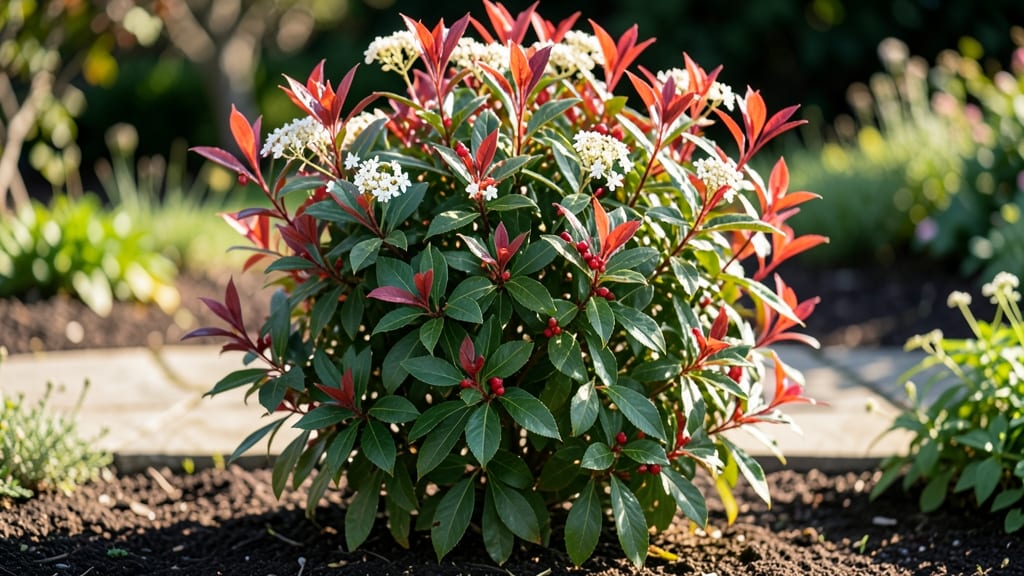
Growing Red Leaf Photinia means vibrant burgundy foliage that stays stunning all year with almost no fuss. 🌿 I planted mine last spring, and now it’s the star of my landscape—bright, bold, and practically maintenance-free once established.
The secret lies in its adaptability: it thrives in partial shade or full sun, handles most soil types, and rarely needs heavy pruning to keep looking its best.
Start with well-draining soil—amend heavy clay with compost—and plant in a spot with at least 4-6 hours of sunlight daily. Water deeply after planting, then only when the top 2 inches of soil feel dry.
This shrub’s deep roots make it drought-tolerant once settled, but consistent moisture in the first year ensures strong growth. Mulch around the base to retain moisture and suppress weeds, and you’ll spend less time fussing over it.
What you’ll love most is how effortlessly it stays lush and colorful. The burgundy leaves turn even deeper in cooler months, and it blooms with delicate white flowers in spring.
Prune lightly in late winter to shape it, but avoid heavy cuts—this shrub rewards patience with year-round drama and minimal upkeep. It’s perfect for hedges, privacy screens, or as a striking focal point in any yard.
For best results, plant in zones 5-9 where it can handle winter chill without browning. Once established, it’s tough as nails—resistant to most pests and diseases, so you won’t waste time fighting off problems.
Just give it space to grow (they can reach 10-15 feet tall and wide) and watch it transform your landscape with bold, low-maintenance beauty.
📚 In This Guide
- What you need
- Instructions
- Tips and common mistakes
- Wrapping up and next steps
What you need
- ● Red Leaf Photinia plants: 1-3 nursery-grown shrubs (3-4 ft tall, 2-3 ft wide) for optimal spacing.
- ● High-quality potting mix or garden soil: 5-10 bags (depending on planting size), amended with compost for drainage.
- ● Organic mulch: 2-3 cubic feet (e.g., shredded bark or pine straw) to retain moisture and suppress weeds.
- ● Slow-release fertilizer: 10-20-10 NPK ratio (1 lb per plant) for balanced growth.
- ● Garden trowel or spade: For digging holes (12-18" wide/deep).
- ● Gloves & knee pads: Protect your hands and joints during planting.
- ● Watering can or hose with nozzle: For gentle, deep watering (1-2 gallons per plant initially).
- ● Pruning shears: Bypass-style, sharp and clean (for minimal pruning or shaping).
- ● Measuring tape: Ensure proper spacing (6-10 ft apart for full sun, 4-6 ft for partial shade).
- ● Soil pH tester: Ideal pH for Photinia is 5.0-7.0; adjust with lime or sulfur if needed.
- ● Plant support stakes: 4-6 ft tall (for young shrubs in windy areas).
- ● Drip irrigation kit: Automate watering for consistent moisture.
- ● Fungicide (preventative): Copper-based spray to guard against entomosporium leaf spot.
How to grow vibrant red leaf photinia shrubs
This stunning evergreen thrives with just basic care—here’s how to coax bold foliage year-round.
🪴 Step 1: Choose the Perfect Planting Site
Red leaf photinia demands full sun to partial shade—at least 6 hours of direct light daily for that signature deep red foliage. I always scout the site first, checking for morning sun with afternoon shade if your climate runs hot. The soil should drain well; these plants hate soggy roots. Amend heavy clay with 2-3 inches of compost mixed into the top 12 inches of soil before planting.
Dig a hole twice as wide as the root ball but only as deep—planting too deep suffocates roots. Loosen any circling roots gently with your fingers before placing the shrub in. The top of the root ball should sit 1 inch above ground level to prevent waterlogging. Here’s the thing—if your soil drains poorly, add a 3-inch layer of gravel at the bottom of the hole first.
☀️ Step 2: Plant and Water for Immediate Establishment
Backfill the hole with native soil mixed with compost (about 1 part compost to 3 parts soil). Tamp gently around the edges to remove air pockets but don’t compact the soil—roots need room to breathe. Water deeply right after planting until moisture reaches 12 inches down. You’ll know it’s enough when water pools slightly at the surface.
Mulch with 2-3 inches of organic mulch (like shredded bark) around the base, keeping it 6 inches away from the trunk. This preserves moisture and regulates soil temperature. I always water again after mulching to settle everything. The first few weeks are critical—keep soil evenly moist (not soggy) until new growth appears, which usually takes 3-4 weeks in ideal conditions.
✂️ Step 3: Prune Strategically for Year-Round Color
Red leaf photinia thrives with minimal pruning—just light shaping in late winter or early spring before new growth starts. Use clean, sharp pruners to cut just above a leaf node at a 45-degree angle. Avoid heavy pruning; this shrub relies on its vibrant foliage, not flowers. If you notice leggy growth, trim back 1/3 of the longest stems to encourage bushier habits.
Here’s the thing—never prune in fall. New growth won’t harden off before winter, and frost damage weakens the plant. If you must prune for shape, do it after flowering in summer, but keep cuts to no more than 25% of the plant. You’ll see the most dramatic color when the shrub is well-fed and properly pruned—skip the shears unless necessary.
💧 Step 4: Feed and Maintain for Longevity
Apply a balanced, slow-release fertilizer (10-10-10) in early spring when new growth begins. Spread it 6 inches away from the trunk and water deeply to activate it. I fertilize again in mid-summer if the foliage looks pale or sparse. Over-fertilizing causes weak growth and attracts pests—stick to once in spring, once in summer unless your soil is particularly poor.
Water deeply once a week during dry spells, aiming for 1-1.5 inches of water. You’ll know it’s enough when the soil 2 inches down feels moist. In hot climates, increase to twice weekly but always check for dryness before watering. Red leaf photinia is drought-tolerant once established, but consistent moisture keeps those leaves vibrant. Watch for yellowing leaves—that’s your sign to water more frequently.
⏰ Step 5: Protect and Prepare for Winter
In cold climates (below Zone 7), young plants may need winter protection. Wrap the base with burlap and mound 3-4 inches of mulch around the root zone. Avoid heavy mulch piles—too much can suffocate roots. Mature shrubs handle winter well, but late frosts can scorch new growth. If your area gets below 10°F, consider a light frost cloth for the first winter after planting.
Prune out any dead or damaged branches in early spring before new growth starts. This keeps the shrub healthy and encourages fresh, vibrant foliage. I always inspect my photinias in late winter—if you see brown, crispy leaves, it’s a sign of winter burn. Don’t panic; these shrubs bounce back quickly once temperatures rise. With proper care, your red leaf photinia will reward you with bold color for decades—minimal effort, maximum impact.
Tips & tricks for growing stunning red leaf photinia
A few simple secrets that'll make your photinia thrive with vibrant foliage all year—no green thumb required!
Lighting is Everything: That 6 hours of direct sunlight is non-negotiable for those signature red leaves. I've seen photinias in morning sun with afternoon shade perform best in hot climates—think of it as their built-in sunscreen. If your yard gets intense afternoon sun, consider a lightweight shade cloth during peak hours to prevent leaf scorch while still giving them enough light to maintain that bold color. The difference between vibrant red and dull green is often just a few hours of proper sunlight exposure.
Root Health Foundation: When planting, that 1-inch elevation above ground level is crucial—it prevents waterlogging that can rot roots. I've learned this the hard way after seeing photinias struggle in heavy clay. If your soil drains poorly, don't skip that 3-inch gravel layer at the bottom of the hole. This creates a drainage pathway while still allowing roots to establish properly. Think of it as building a tiny root-friendly foundation before adding your plant.
Pruning Precision: The 45-degree angle when pruning isn't just for looks—it prevents water from pooling on cuts, which can lead to disease. I always use clean, sharp pruners to make crisp cuts just above leaf nodes. This encourages new growth from the right spots. Remember, you're shaping the plant's future growth pattern with every cut, so take your time. The goal is to maintain that lush, bushy shape while keeping the vibrant foliage as the star of the show.
Winter Protection Strategy: For those below Zone 7 climates, that 3-4 inches of mulch around the base makes all the difference. I've seen photinias survive harsh winters with just this simple protection. The key is to mound it away from the trunk—too much mulch piled directly against the stem can cause rot. In extreme cold (below 10°F), that light frost cloth acts like a cozy blanket without suffocating the plant. Think of it as giving your photinia a winter coat while still letting it breathe.
Pro Tips for Red Leaf Photinia
- A few simple secrets that'll make your photinia thrive with vibrant foliage all year—no green thumb required!
- Lighting is Everything: That 6 hours of direct sunlight is non-negotiable for those signature red leaves. I've seen p...
- Root Health Foundation: When planting, that 1-inch elevation above ground level is crucial—it prevents waterlogging t...
Frequently asked questions
When is the best time to prune my Red Leaf Photinia?
Prune in late winter or early spring (before new growth starts) to avoid removing next year’s color. Light shaping can also be done in summer, but avoid heavy cuts—this shrub blooms on old wood! Skip fall pruning to prevent winter dieback.
Why are the leaves on my Red Leaf Photinia turning brown or falling off?
Brown leaves often signal leaf spot disease (common in humid climates) or aphids. Improve airflow by spacing plants 6–8 feet apart, and hose off pests. For fungal issues, apply a copper fungicide in early spring. Pro tip: Avoid overhead watering to keep foliage dry!
Is Red Leaf Photinia cold-hardy? What zone is it for?
This shrub thrives in USDA Zones 7–10. In colder zones (like 6), plant it in sheltered spots or mulch heavily to protect roots. Young plants may need winter wraps if temps drop below 10°F. Fun fact: It’s semi-evergreen—some leaves persist in mild winters!
Can I grow Red Leaf Photinia in full shade?
Nope! It needs full sun (6+ hours daily) for its signature red foliage. In partial shade, leaves may turn green or yellow. If your yard is shady, consider alternatives like Dwarf Fountain Photinia (tolerates more shade) or Firepower Nandina for similar color.
How fast does Red Leaf Photinia grow, and how big does it get?
Expect 12–24 inches per year in ideal conditions. Mature size is 10–15 feet tall and wide, but pruning keeps it smaller. Plant it 10–15 feet from structures to avoid shading roofs or blocking views. Pro tip: Use it as a privacy screen—it grows fast enough to fill gaps in 2–3 years!
Are there disease-resistant alternatives to Red Leaf Photinia?
Yes! If you’ve struggled with leaf spot or aphids, try:
- Firepower Nandina – Disease-resistant, compact, and evergreen.
- Dwarf Fountain Photinia – Smaller (6–8 ft), tolerates shade better.
- Emerald Gaiety Holly – Variegated, pest-resistant, and drought-tolerant.
Wrapping up and next steps
Growing a red leaf photinia is a rewarding way to add vibrant color and year-round interest to your landscape—with minimal fuss! 🌿 Its striking foliage, low-maintenance needs, and adaptability make it a standout choice for both beginners and seasoned gardeners.
Whether you’re planting for privacy, borders, or simply beauty, this shrub delivers big impact with little effort.
Ready to transform your outdoor space? Start by selecting the perfect spot—sunny or partially shaded—and gather your supplies. Then, follow the steps to plant and care for your photinia, and enjoy its lush, fiery hues for years to come! 🌱 Your green thumb is just a click away!