
Shrubs
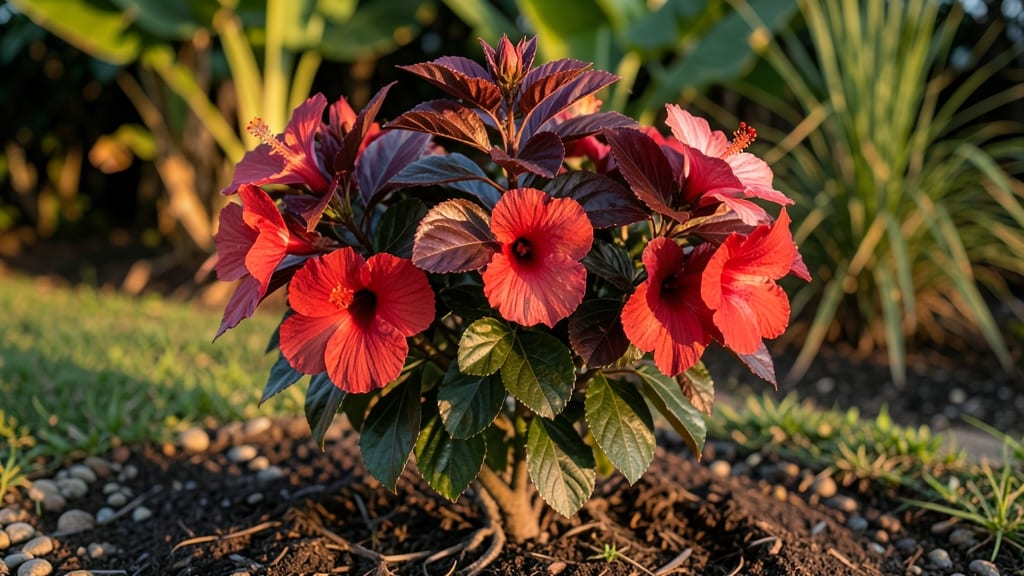
Growing red leaf hibiscus means bold foliage and summer blooms that outshine most shrubs—with less fuss than you’d expect. 🌿 I’ve had mine thriving for years with only one major pruning session per winter, and the deep red leaves add drama to any yard, even when flowers fade.
This hibiscus loves full sun and well-draining soil, but it’s tougher than most shrubs—drought-tolerant once established and happy in zones 5-9. The key is minimal pruning after flowering to keep it compact, not the aggressive cuts you’d use on other shrubs.
By late summer, you’ll see clusters of pinkish-white flowers against that fiery foliage, and the plant keeps its color through fall. Even winter-bare stems have character, especially when backlit by snow. Perfect for small spaces, foundation plantings, or as a striking focal point.
Here’s how to keep yours looking effortlessly bold all season.
📚 In This Guide
- What you need
- Instructions
- Tips and common mistakes
- Wrapping up and next steps
What you need
- ● Red leaf hibiscus plant: 1 healthy nursery-grown specimen (choose a 1- to 3-gallon container for best results).
- ● Well-draining potting mix: 1 bag (1.5–2 cubic feet) of high-quality, organic potting soil (amend with perlite or sand for improved drainage).
- ● Garden soil (if planting outdoors): 1–2 cubic yards of native soil mixed with 2–3 bags of compost (for nutrient-rich beds).
- ● Container (if growing in pots): 1 large pot (15–20 gallons) with drainage holes or a half-whiskey barrel for a rustic look.
- ● Mulch: 1–2 bags of organic mulch (e.g., pine bark or shredded leaves) to retain moisture and suppress weeds.
- ● Garden trowel or shovel: 1 medium-sized tool for transplanting.
- ● Gloves: 1 pair of gardening gloves (to protect hands from thorns and soil).
- ● Watering can or hose with a gentle nozzle: For deep, even watering (avoid overhead spraying to prevent fungal issues).
- ● Pruning shears: 1 pair of sharp, sterilized shears (for minimal pruning—just a few cuts a year!).
- ● Fertilizer: 1 bag of balanced, slow-release fertilizer (10-10-10 or similar) or organic options like composted manure.
- ● Stakes or cages (for support if growing in windy areas).
- ● Epsom salt (for magnesium boosts, especially in clay soils).
- ● A trellis or arbor (if training vines for a vertical garden).
- ● Slow-release watering granules (for drought-prone climates).
Step-by-Step instructions for planting and caring for red leaf hibiscus
Here's how to establish vibrant red leaf hibiscus with bold foliage that thrives year-round.
🪴 Step 1: Select and Prepare the Planting Site
Choose a location with at least 6 hours of direct sunlight daily—red leaf hibiscus thrives in full sun but tolerates partial shade in hotter climates. The plant prefers well-draining soil with a pH between 6.1 and 7.5. If your soil is heavy clay, amend it with 2-3 inches of compost mixed into the top 12 inches of soil.
Dig a hole twice as wide as the hibiscus's root ball but only as deep. Loosen the sides of the hole with a garden fork to encourage root spread. Water the plant thoroughly before removing it from its container to prevent transplant shock. Gently tease the roots if they appear circling—this prevents root-bound stress.
☀️ Step 2: Plant and Establish Initial Watering
Place the hibiscus in the hole, ensuring the top of the root ball sits 1 inch below soil level. This slight burial helps stabilize the plant and encourages root growth. Backfill with the amended soil, tamping lightly as you go to remove air pockets. Water deeply to settle the soil around the roots—this should be about 1 gallon per foot of plant height.
Mulch the base with 2-3 inches of organic mulch, keeping it 3 inches away from the stem to prevent rot. Water again after mulching to help it settle. The first few weeks are critical—keep the soil consistently moist but not soggy. You'll know it's right when the top 2 inches of soil feel damp to touch.
💧 Step 3: Maintain Watering and Fertilization Schedule
Once established, red leaf hibiscus is drought-tolerant but performs best with deep watering 1-2 times per week, depending on rainfall. Water in the morning to allow foliage to dry before nightfall, reducing fungal risks. During extreme heat, you may need to water every 4-5 days—check by pushing a finger 2 inches into the soil. If it's dry, water thoroughly.
Fertilize in early spring with a balanced, slow-release fertilizer (10-10-10) applied at half-strength. Repeat every 6-8 weeks through summer. Avoid high-nitrogen fertilizers—they promote leafy growth at the expense of the striking red foliage. In fall, reduce fertilization to allow the plant to harden off for winter.
✂️ Step 4: Prune for Shape and Health
Prune in late winter or early spring before new growth begins. Remove any dead, damaged, or crossing branches with clean, sharp pruners. Cut just above a leaf node at a 45-degree angle to encourage healthy regrowth. This is also the time to shape the plant—red leaf hibiscus responds well to pruning, so you can control its size and encourage bushier growth.
Light pruning throughout the growing season helps maintain the vibrant red foliage. Pinch back new growth tips in early summer to promote branching. Avoid heavy pruning in fall—this can stress the plant before winter dormancy. If you notice leggy growth, it’s a sign of insufficient light or over-fertilization with nitrogen.
⏰ Step 5: Winter Care for Year-Round Color
Red leaf hibiscus is semi-evergreen in mild climates but may drop leaves in freezing temperatures. In zones 7-9, it typically retains some foliage through winter. In colder areas, mulch heavily with 4-6 inches of organic mulch** around the base to insulate roots. Water sparingly in winter—only enough to prevent the root ball from drying out completely.
If your hibiscus loses leaves in winter, don’t panic. It often regrows vibrant new foliage in spring. Avoid pruning until new growth appears in early spring. In frost-prone areas, consider overwintering potted hibiscus in a sheltered spot or bringing it indoors near a sunny window. Keep it lightly watered and resume regular care in spring.
Tips & tricks for perfect red leaf hibiscus growth
These insider techniques will help you cultivate vibrant foliage with minimal effort and maximum impact.
Sunlight Optimization: While red leaf hibiscus thrives on at least 6 hours of direct sunlight daily as mentioned in Step 1, I've found that positioning it slightly east of south in your yard can actually extend that sunlight exposure by 1-2 hours—especially in late afternoon when shadows are longest. This extra light boosts the intensity of those signature red leaves. For container growers, rotate pots weekly to ensure even exposure all around the plant.
Soil Preparation Secret: The key to preventing root-bound stress during planting (Step 1) isn't just teasing the roots—it's about the soil texture. I recommend mixing 2-3 inches of compost with 20% perlite or coarse sand into your amended soil. This creates better drainage while maintaining moisture retention, which is crucial for those first critical weeks after transplanting. The perlite also helps prevent soil compaction around the roots.
Watering Technique: That initial deep watering of 1 gallon per foot of plant height in Step 2 should be done slowly to prevent runoff. I use a soaker hose or drip irrigation for the first week to ensure water penetrates deeply without creating surface puddles. For the 2 inches of soil dampness check, I actually use a moisture meter for accuracy—it's worth the investment for perfect water balance, especially in sandy soils that dry out quickly.
Fertilizer Strategy: When applying that balanced, slow-release fertilizer (10-10-10) at half-strength in Step 3, I've found that mixing it directly into the top 2 inches of soil rather than surface application gives more consistent results. The plant can access the nutrients as its roots grow downward, rather than risking runoff. For the 6-8 week summer schedule, I mark my calendar with the new moon dates—this natural lunar cycle actually correlates with better nutrient uptake for foliage plants.
Pro Tips for Red Leaf Hibiscus
- These insider techniques will help you cultivate vibrant foliage with minimal effort and maximum impact.
- This extra light boosts the intensity of those signature red leaves.
- Soil Preparation Secret: The key to preventing root-bound stress during planting (Step 1) isn't just teasing the roots—it's about the soil texture.
Frequently asked questions
Got questions about growing red leaf hibiscus? You’re not alone! Here are some of the most common concerns—and straightforward answers—to help you keep your shrub thriving with minimal fuss.
How fast does a red leaf hibiscus grow?
A healthy Hibiscus syriacus (red leaf variety) grows 12–24 inches per year under ideal conditions. With proper sunlight (6+ hours daily) and well-draining soil, you’ll see steady growth. Expect full maturity—typically 6–10 feet tall—within 3–5 years. Prune lightly in late winter to shape it without stunting growth.
Is red leaf hibiscus cold-hardy?
This shrub is a USDA Zone 5–9 powerhouse, meaning it handles winters as cold as -20°F (-29°C). No extra protection is needed unless you’re in Zone 5 and experience extreme wind chill. Pro tip: Mulch around the base in early winter to insulate roots!
How often should I water a red leaf hibiscus?
Water deeply 1–2 times per week during the first year to establish roots, then taper to every 10–14 days once mature (unless in drought). This drought-tolerant shrub prefers moist but well-draining soil—overwatering leads to root rot. Amend clay soil with compost to improve drainage.
Why aren’t my red leaf hibiscus leaves staying red?
Dull or greenish leaves usually mean too much shade or poor nutrition. Ensure it gets full sun (6+ hours) and fertilize in early spring with a balanced 10-10-10 formula. Yellow leaves? Check for aphids or powdery mildew—treat with neem oil if needed.
Can I grow red leaf hibiscus in containers?
Yes! Choose a large pot (15+ gallons) with drainage holes and use a light, fast-draining mix (e.g., 60% potting soil, 30% perlite, 10% compost). Container-grown hibiscus may need more frequent watering and winter protection (move indoors if temps drop below 20°F (-7°C)). Rotate pots for even growth!
What’s a good alternative if red leaf hibiscus is too high-maintenance?
Try these low-fuss, colorful shrubs:
- Dwarf butterfly bush (Buddleja davidii) – Compact, drought-tolerant, and attracts pollinators.
- Oakleaf hydrangea (Hydrangea quercifolia) – Stunning fall foliage with minimal pruning.
- Abelia (Abelia × grandiflora) – Evergreen (in warmer zones) with pink blooms and glossy leaves.
Wrapping up and next steps
Growing red leaf hibiscus is a rewarding way to add vibrant color and low-maintenance beauty to your garden year-round! With the right light, soil, and care, this stunning shrub thrives with minimal pruning—just a little love and patience.
Whether you're a seasoned gardener or a beginner, its bold foliage and resilience make it a standout choice for any landscape.
Ready to transform your space? 🌿 Start by picking a sunny spot, prepping the soil, and giving your hibiscus the attention it deserves. Before you know it, you’ll be enjoying its fiery hues with confidence—and maybe even sharing tips with fellow plant lovers!