
Shrubs
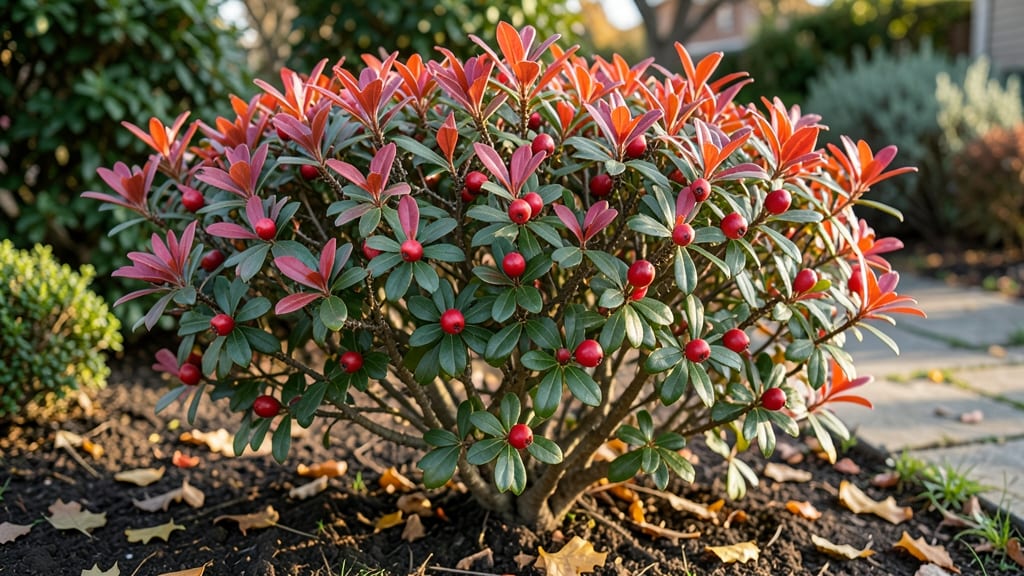
The identification of red leaf shrubs can turn a confusing garden mystery into a satisfying discovery. 🌿 I've spent years studying how leaf shape, edge texture, and seasonal color shifts reveal exactly which shrub you're looking at—no botanist degree required. Start by noting leaf size (smaller than a hand or larger?), shape (lobed like a maple or smooth like a barberry?), and edge details (serrated, smooth, or wavy). Japanese maples have delicate lobes, while cotoneasters often have glossy, rounded edges. Even the way leaves attach to stems gives clues—some alternate, others cluster. Seasonal changes matter too: a shrub might look deep crimson in spring but shift to burgundy or bronze by fall. I once mistook a young barberry for a Japanese maple until I saw its fall foliage turn fiery orange—total game-changer for identification. For tricky cases, snap a photo and use apps like PlantNet or LeafSnap. They cross-reference your visual notes with thousands of shrub profiles. The key is patience—some shrubs only reveal their true colors after a few years of growth.
Understanding Leaf Color Shifts
If your shrubs are suddenly sporting vibrant red leaves instead of their usual green, don’t panic—it’s often a sign of nature’s way of adapting! While red leaves can be stunning, they’re usually a response to environmental or physiological stress.
Below, we break down the most common causes behind this striking color change, along with the science behind them.
One of the most common reasons for red leaves is cold stress, especially in late summer or early fall. Many shrubs, like Japanese maples or red twig dogwoods, produce anthocyanins—pigments that protect leaves from frost damage.
When temperatures dip below 50°F (10°C) but don’t freeze, these pigments kick in, turning foliage a fiery red or purple.
💡 Pro Tip: If your shrub is hardy to your climate, this is usually harmless. However, if red leaves appear in spring (not fall), it could signal cold damage—check for crispy edges or stunted growth.
Too much direct sunlight can trigger photooxidative stress, causing leaves to produce anthocyanins as a protective measure. Shrubs like crape myrtle or sumac often turn red in hot, sunny conditions, especially if they’re not acclimated to full sun.
🌡️ Key Signs:
- Reddening on exposed sides of leaves (e.g., southern-facing branches).
- Leaves may also appear crispy or dry at the edges.
- New growth is often more affected than mature leaves.
🔥 Fix It: Provide afternoon shade (especially in zones 7+). Mulch heavily to retain soil moisture.
Both underwatering and overwatering can cause red leaves, but the mechanisms differ:
| Cause | Red Leaf Trigger | Other Signs |
|---|---|---|
| Drought Stress | Anthocyanins form to reduce water loss and protect chlorophyll. |
|
| Overwatering | Root suffocation leads to oxygen deprivation, triggering stress pigments. |
|
✨ Solution: Water deeply 1-2x per week (check soil 2" down—it should be damp, not soggy). Improve drainage with perlite or sand.
Red leaves can also signal nutritional imbalances. While yellowing usually indicates nitrogen or iron issues, red or purplish hues often point to:
- Phosphorus (P) deficiency: Critical for energy transfer in plants. Reddish-purple leaves (especially on lower stems) are classic signs. Common in acidic soils or after heavy rains leach nutrients away.
- Magnesium (Mg) deficiency: Causes interveinal reddening (red between veins, green at edges). Often seen in fast-growing shrubs like azaleas.
- Potassium (K) deficiency: Leaves may develop reddish-brown scorch marks, especially at tips.
📊 Actionable Fixes:
- Test soil pH—aim for 6.0–7.0 for most shrubs.
- Apply a balanced fertilizer (10-10-10) in spring, or a phosphorus-rich amendment like bone meal.
- For magnesium, use Epsom salt (1 tbsp/gallon of water) as a foliar spray.
Some pests and diseases induce reddening as a defense mechanism or secondary symptom. Watch for:
- Spider mites: Tiny webs + bronze-red leaves (they suck sap, causing stress pigments).
- Scale insects: Sticky residue (honeydew) + purplish new growth.
- Fungal leaf spots (e.g., anthracnose): Reddish-brown spots with yellow halos.
- Root rot: Leaves turn red before wilting (check for mushy roots).
🔪 Treatment:
- Blast pests off with water or use neem oil.
- Prune infected branches 1 inch below damage and sterilize tools.
- Improve airflow to prevent fungal spread.
🌿 Final Note: If red leaves appear suddenly and uniformly (not just tips/edges), it’s likely environmental. If paired with wilting, spots, or dieback, investigate pests/disease. Most shrubs bounce back with proper care—so don’t hesitate to adjust their growing conditions!
Quick Fixes for Red-Leaf Shrubs
When your shrubs start showing off those vibrant red leaves—whether it’s a natural seasonal change or a sign of stress—knowing how to address the issue can save your plants and keep them thriving. Below, we’ve mapped common causes to practical solutions, so you can act fast and prevent future problems.
Cause: Some shrubs, like Nandina domestica (Heavenly Bamboo) or Cornus sericea (Red Osier Dogwood), naturally turn red in fall or winter due to anthocyanin pigments.
How to Fix It:
- ✅ Accept the Change: If your shrub is known for seasonal color shifts, embrace it! This is a healthy, natural process.
- 🌱 Provide Winter Care: Mulch around the base to protect roots from freezing. A 2-3 inch layer of organic mulch (like shredded bark or pine needles) insulates soil and retains moisture.
Prevention Tips:
- 💡 Research Before Planting: If you love red foliage year-round, choose shrubs like Ilex crenata ‘Blood Red’ (Boxwood) or Berberis thunbergii ‘Rose Glow,’ which maintain their color.
- 🌡️ Avoid Over-Fertilizing: Too much nitrogen in spring can dilute red pigments. Use a balanced fertilizer (10-10-10) instead of high-nitrogen options.
Cause: Tiny pests like spider mites or aphids suck sap from leaves, causing discoloration, wilting, or reddening. Look for webbing, sticky residue (honeydew), or curled leaves.
How to Fix It:
- 🔥 Blast Off Pests: Spray leaves with a strong stream of water to dislodge mites and aphids. Repeat every 2-3 days for severe cases.
- 🍳 Homemade Spray: Mix 1 tsp mild dish soap + 1 quart water in a spray bottle. Test on a small leaf first—soap can burn delicate foliage.
- 👨🍳 Neem Oil Treatment: Combine 1 tbsp neem oil + 1 tsp horticultural oil + 1 quart water. Spray thoroughly (including undersides of leaves) every 7-10 days until pests vanish.
Prevention Tips:
- 🌿 Encourage Beneficial Insects: Ladybugs and lacewings eat pests. Plant companion flowers like marigolds or alyssum nearby.
- 🎯 Prune Regularly: Remove infested branches immediately and dispose of them in sealed bags (not compost).
Cause: Soggy soil suffocates roots, leading to yellowing or reddening leaves. Check for mushy stems or fungal growth at the base.
How to Fix It:
- 🔪 Trim Damaged Roots: Gently dig around the shrub (1-2 inches deep) and snip any black, mushy roots with sterilized pruners.
- 🥘 Improve Drainage: Amend soil with perlite or coarse sand (20% mix). For container shrubs, ensure pots have drainage holes.
- ⏰ Adjust Watering: Let the top 1-2 inches of soil dry out between waterings. Stick your finger in the soil—if it’s damp, wait.
Prevention Tips:
- 💡 Choose the Right Spot: Plant shrubs in areas with well-draining soil. Raised beds or slopes help.
- 🌡️ Mulch Properly: Use 2-3 inches of mulch away from the stem to prevent rot. Avoid piling mulch against the trunk.
Cause: Sudden exposure to intense sunlight (especially after transplanting) or extreme heat can scorch leaves, turning them red or crispy.
How to Fix It:
- 🌿 Provide Shade: Use shade cloth (30-50% coverage) for a few weeks to acclimate the shrub. Dappled sunlight is ideal for many red-leaf varieties.
- 💧 Hydrate Deeply: Water at the soil level (not leaves) during heatwaves. Early morning or late evening watering reduces evaporation.
Prevention Tips:
- 🌱 Gradual Transition: If moving a shrub to a sunnier spot, harden it off over 2 weeks by slowly increasing sunlight exposure.
- 🎯 Select Heat-Tolerant Varieties: Shrubs like Cotoneaster or Pyracantha handle heat better than delicate boxwoods.
Cause: Red or purplish leaves between veins often signal iron deficiency (chlorosis), while yellowing between veins may indicate magnesium issues. Common in alkaline soils.
How to Fix It:
- 📊 Soil Test First: Check your soil’s pH (ideal: 6.0–7.0 for most shrubs). Adjust with sulfur (to lower pH) or lime (to raise pH) if needed.
- 💪 Iron Supplement: Apply chelated iron (like Ironite) or iron sulfate granules to the soil. Follow package rates.
- 🥗 Organic Boost: Mix Epsom salt (magnesium sulfate) into water (1 tbsp/gallon) and spray on leaves monthly for magnesium deficiencies.
Prevention Tips:
- 🌡️ Feed Regularly: Use a slow-release fertilizer in early spring (like 10-10-10) to prevent deficiencies.
- 💡 Avoid Over-Liming: Too much lime raises pH, locking out iron. Test soil every 2–3 years.
Cause: Diseases like anthracnose or leaf spot cause red-brown spots, wilting, or leaf drop. Check for dark spots with yellow halos or oozing sap.
How to Fix It:
- 🔪 Prune Infected Areas: Cut off diseased leaves/branches 6 inches below the damage. Sterilize pruners with rubbing alcohol.
- 🍳 Fungicide Spray: Use copper fungicide or neem oil (for early stages). Apply every 10–14 days until new growth appears.
- 🌿 Clean Up Debris: Remove fallen leaves and mulch around the base to reduce spores.
Prevention Tips:
- 🌡️ Space Plants Properly: Ensure good airflow (3–5 feet between shrubs) to prevent humidity buildup.
- ✨ Water at the Base: Avoid overhead watering, which spreads fungal spores.
Final Tip: 💡 When in Doubt, Isolate & Observe—If you’re unsure what’s causing the red leaves, quarantine the shrub and monitor for 1–2 weeks before treating. Many issues (like pests or disease) worsen if ignored!
Frequently asked questions about red leaf shrubs
How can I tell if my shrub’s red leaves are natural or a sign of stress?
Natural red leaves appear gradually and uniformly, especially in fall or winter. Check for seasonal patterns—many shrubs like Japanese maple or red twig dogwood develop vibrant colors as part of their growth cycle. Stress-related red leaves often appear suddenly, with crispy edges, wilting, or irregular patterns.
What are the most common shrubs with naturally red foliage?
Some standout red-leaf shrubs include Berberis thunbergii (Barberry), Ilex crenata ‘Blood Red’ (Boxwood), Cotoneaster varieties, and Nandina domestica (Heavenly Bamboo). These thrive in different climates—Barberry handles cold well, while Cotoneaster prefers milder zones. Always check your local hardiness zone before planting!
Can I propagate a red leaf shrub from cuttings?
Yes! Many red-leaf shrubs root easily from semi-hardwood cuttings taken in late spring or early summer. Use 4-6 inch cuttings with 2-3 sets of leaves, dip in rooting hormone, and place in moist perlite. Keep humidity high with a plastic bag until roots form (usually 4-6 weeks). Avoid overwatering—root rot is a common issue.
Why do some red leaf shrubs lose their color in summer?
Many shrubs produce more vibrant red foliage in cooler months when anthocyanin pigments develop. In summer heat, some varieties like Barberry may revert to green as they focus on growth. This is normal! Choose heat-tolerant varieties like Pyracantha if you want consistent red color year-round.
How do I care for red leaf shrubs in containers?
Container-grown red leaf shrubs need well-draining soil (mix potting soil with perlite) and regular watering—never let them dry out completely. Use pots with drainage holes and fertilize monthly during growing season. Prune lightly after flowering to maintain shape. Dwarf varieties like ‘Dwarf Fountain’ Barberry work perfectly for containers!