
Shrubs
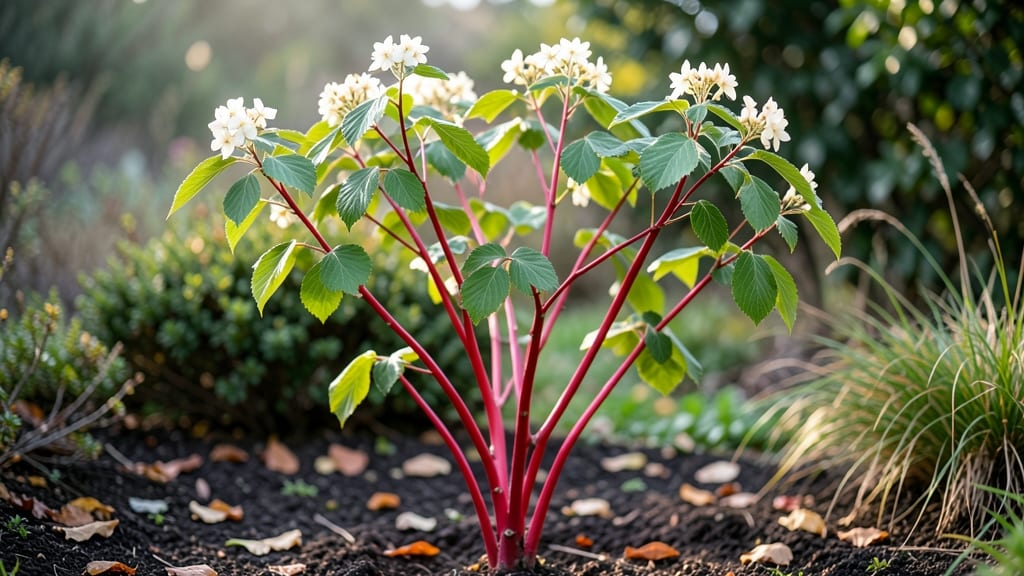
That fiery red osier dogwood leaf is nature’s way of saying winter isn’t the end of color. 🌿 I’ve grown these shrubs for years, and they’ve never failed to deliver that bold, bright foliage—even when everything else is brown.
The secret lies in their hardiness and how they use cold to turn their leaves into living art. These shrubs thrive in zones 2 through 7, where they handle frost like a pro.
Plant them in full sun to partial shade, and they’ll reward you with vibrant red stems year-round, plus those stunning fall leaves that turn from green to fiery red. The key is moisture—keep the soil damp but not soggy, especially in their first year.
By late summer, you’ll notice the leaves shifting from green to their signature red, creating a dramatic contrast against the winter sky. Prune in early spring to shape them and encourage fresh growth, but avoid heavy cuts—they’re tough but not invincible. Perfect for borders, rain gardens, or wildlife-friendly landscapes.
Once established, they’re low-maintenance and drought-tolerant, making them a no-fuss star for cold climates.
📚 In This Guide
- What you need
- Instructions
- Tips and common mistakes
- Wrapping up and next steps
What you need
- ● Red osier dogwood plants: 1–3 bare-root or container-grown shrubs (depending on desired coverage). Choose healthy specimens with strong stems and vibrant red bark.
- ● Well-draining soil: A mix of native soil, compost (20–30%), and perlite/sand (10%) for optimal aeration. Test soil pH (ideal: 5.0–6.5).
- ● Organic mulch: 2–3 inches of wood chips or shredded bark to retain moisture and regulate temperature.
- ● Slow-release fertilizer: Balanced 10-10-10 or organic options like composted manure (apply in early spring).
- ● Watering can or hose: With a gentle spray nozzle for post-planting hydration.
- ● Pruning shears: Sharp, clean shears (sterilize with rubbing alcohol between cuts).
- ● Garden gloves: Heavy-duty for protection while handling thorny stems.
- ● Trowel or spade: For digging holes (12–18 inches wide/deep).
- ○ Soil pH tester kit: Optional but helpful for adjusting acidity.
- ● Drip irrigation system: For consistent moisture in dry climates.
- ○ Plant support (optional): Stakes or cages for young shrubs in windy areas.
- ● Winter mulch blanket: Burlap or straw to shield roots in extreme cold (< -10°F).
Step-by-step guide to planting and maintaining red osier dogwood for year-round color
This cold-hardy shrub delivers vibrant stems and foliage—here's how to make it thrive in your landscape.
🪴 Step 1: Choose the Perfect Planting Location
Red osier dogwood thrives in full sun to partial shade, with at least 4-6 hours of direct sunlight daily. I always plant mine where they'll get morning sun and afternoon shade—this prevents leaf scorch in hot climates while keeping stems vibrant. The shrub loves moist, well-draining soil but tolerates wet conditions better than most ornamental plants.
Here's the thing—avoid planting near large trees. Their roots compete aggressively, and red osier dogwood needs consistent moisture to maintain its striking red stems. If your soil drains poorly, amend with 2-3 inches of compost before planting to improve structure. You'll know you've picked the right spot when the area stays moist for at least 24 hours after a heavy rain.
🌱 Step 2: Plant Bare-Root or Container-Grown Shrubs Correctly
For bare-root plants, soak the roots in lukewarm water for 1-2 hours before planting. This revives dormant roots and helps establish faster. Dig a hole twice as wide as the root ball but only as deep—red osier dogwood roots should sit just below soil level, never buried deeper. The top of the root ball should be level with the surrounding ground.
For container-grown plants, gently remove the shrub and loosen any circling roots with your fingers. Place it in the hole so the base of the stems sits at ground level—burying too deep suffocates the plant, while planting too high leaves roots exposed. Backfill with native soil mixed with compost, tamping lightly as you go to eliminate air pockets. Water deeply until moisture reaches 6 inches down.
☀️ Step 3: Water and Mulch for Winter Hardiness
Water newly planted red osier dogwood deeply once a week for the first growing season, aiming for 1-1.5 inches of water per week. You'll know it's getting enough when the top 6 inches of soil stays consistently moist but not soggy. In winter, reduce watering to once every 3-4 weeks unless you have exceptionally dry conditions.
Apply 3-4 inches of mulch around the base, keeping it 6 inches away from the stem to prevent rot. I use shredded bark mulch because it breaks down slowly while insulating roots. In late fall, add an extra 2 inches of mulch to protect against freeze-thaw cycles. The mulch should look like a donut around your plant—thick in the middle, thinning toward the edges.
✂️ Step 4: Prune for Shape and Vibrant Stems
Prune red osier dogwood in late winter or early spring before new growth begins. Remove any dead, damaged, or crossing branches first—these compete with healthy growth and reduce stem vibrancy. Cut back to just above a bud or side branch using clean, sharp pruners. You'll see the brightest stems come from plants that get 10-15% of their branches pruned annually.
Never prune in fall—new growth won't harden off before winter, and you risk exposing tender stems to cold damage. If you notice leggy growth, prune back to encourage bushier, more colorful stems. The goal is to maintain an open center so light and air circulate freely. After pruning, apply a balanced fertilizer to support new growth.
🌿 Step 5: Enjoy Year-Round Interest and Minimal Care
Red osier dogwood delivers four-season interest: bright red stems in winter, white flower clusters in spring, green foliage in summer, and fiery fall colors. The key to maintaining this display is minimal intervention. Just watch for powdery mildew in humid summers—spray with neem oil if you see white powder on leaves.
Every 3-4 years, check for overcrowding. If branches grow too dense, thin them out to 1/3 of the plant's volume to maintain airflow. The shrub naturally spreads, so you might find suckers popping up nearby—dig these up in early spring before they establish. With proper planting and occasional pruning, your red osier dogwood will provide bold color for decades with almost no effort.
Tips & tricks for perfect red osier dogwood planting
These simple tricks will help you transform your yard into a vibrant winter wonderland with minimal effort.
Soil Test First: Before amending your soil with compost, grab a simple soil test kit from your local garden center. Red osier dogwood thrives in moist, well-draining soil with a pH between 5.0 and 7.0. If your test shows different results, you can adjust with lime to raise pH or sulfur to lower it. I've seen plants struggle in alkaline soils—this is one test that can save you from future headaches. The 2-3 inches of compost recommendation works best when starting with soil that's already in the right pH range.
Root Ball Level Check: When planting, use a small stick or level to ensure the top of the root ball sits exactly at ground level. I learned this the hard way—burying too deep suffocates the plant while planting too high leaves roots exposed. For container-grown plants, gently squeeze the root ball to feel for any circling roots that need loosening. These roots can strangle new growth if left intact. Remember, the goal is to mimic the plant's natural growing conditions as closely as possible.
Mulch Application Timing: Apply that initial 3-4 inches of mulch within the first month after planting, not immediately after. Give your plant time to establish new roots first. The mulch acts like a blanket, protecting roots from temperature swings. In late fall, add the extra 2 inches of mulch only after the ground has frozen once or twice—this prevents premature thawing that can stress roots. Think of it as layering insulation for your winter wardrobe, but for your plant.
Watering Visual Cues: To check if your newly planted dogwood is getting enough water, dig a small hole about 6 inches deep near the plant after watering. If the soil feels moist but not soggy, you're doing it right. The top 6 inches of soil should stay consistently moist during the first growing season. In winter, you'll know it's getting enough water if the soil around the base stays slightly damp—not wet, just damp. This simple check prevents overwatering, which can be just as harmful as underwatering.
Pro Tips for Red Osier Dogwood Leaf
- These simple tricks will help you transform your yard into a vibrant winter wonderland with minimal effort.
- Soil Test First: Before amending your soil with compost, grab a simple soil test kit from your local garden center. R...
- Root Ball Level Check: When planting, use a small stick or level to ensure the top of the root ball sits exactly at g...
Frequently asked questions
Got questions about keeping your red osier dogwood vibrant year-round? Here are answers to the most common queries—from care tips to troubleshooting—so you can enjoy those stunning red osier dogwood leaves without stress.
When is the best time to prune red osier dogwood for optimal color?
Prune your red osier dogwood late winter or early spring (before new growth emerges). This timing ensures vibrant red stems for the season while avoiding the risk of disease. Avoid heavy pruning in fall—it can stimulate weak growth before winter. Pro tip: Cut back about ⅓ of the oldest stems each year to maintain energy and color!
Can red osier dogwood survive harsh winters in Zone 3-4?
This hardy shrub thrives in USDA Zones 3-7 and handles snow and sub-zero temps like a champ. Its red osier dogwood leaves may drop in winter, but the stems stay brilliant red all season. For extra protection, mulch the base with 3-4 inches of organic mulch in late fall.
Why are my red osier dogwood leaves turning yellow or brown?
Yellowing leaves often signal overwatering or poor drainage, while brown edges can mean underwatering or sunburn. Check soil moisture—dogwoods prefer moist but well-drained soil. If leaves drop early, it might be fungal disease (like powdery mildew). Fix it: Space plants for airflow and avoid wetting foliage when watering.
Are there alternatives to red osier dogwood for winter color?
Yes! If you love red osier dogwood leaves but want variety, try:
- Winterberry holly – Bright red berries in winter (needs a male pollinator).
- Smokebush (Cotinus) – Purple or pink foliage that turns smoky in winter.
- Ninebark (Physocarpus) – Peeling bark and red/purple stems.
- Switchgrass or feather reed grass – Adds texture and movement.
Is red osier dogwood deer-resistant?
Unfortunately, no—deer love it! They’ll munch on both leaves and stems. To deter them:
- Apply deer repellent sprays (like rotten egg or garlic-based options).
- Install physical barriers (fencing or netting) around young plants.
- Plant deer-resistant companions nearby, like boxwood or lavender.
Wrapping up and next steps
The red osier dogwood is a stunning, low-maintenance shrub that brings vibrant color to cold climates year-round—whether it’s fiery red stems in winter or delicate white blooms in spring. Its hardy nature and adaptability make it a must-have for gardeners seeking resilience and beauty without the fuss.
Ready to transform your landscape? Plant one this season and enjoy its effortless charm for years to come!
🌿 Next step: Check your local nursery or order seeds online to get started—your garden (and winter views!) will thank you.