
Pests and Diseases
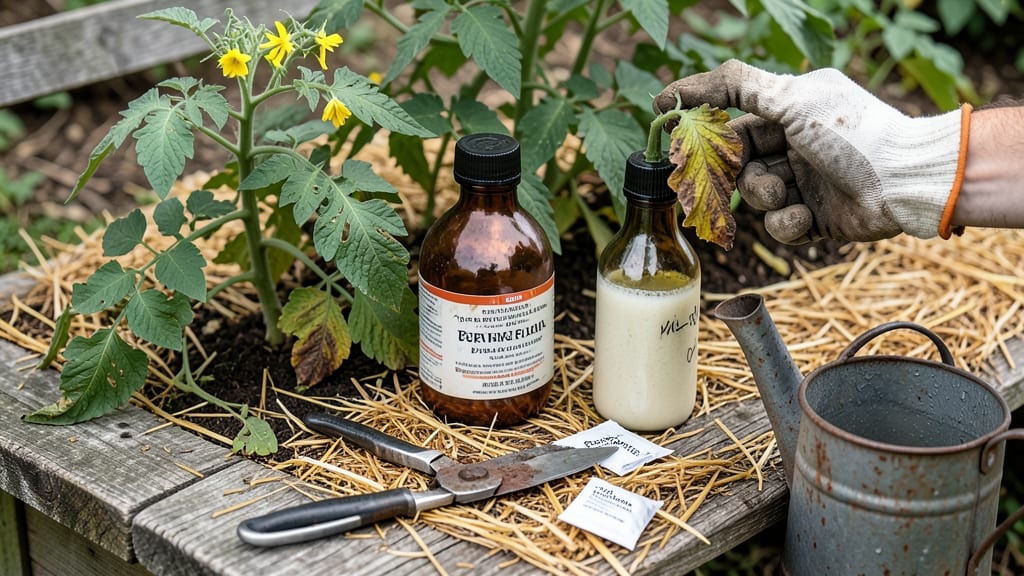
My roses, tomatoes, and impatiens were covered in black spots—a classic case of leaf spot disease treatment that spread faster than I could prune. 🌿 This isn’t about expensive fungicides or chemical warfare—just a kitchen staple and a mineral most gardeners already have.
The baking soda and copper solution I discovered saved my plants last summer, and it’s the first line of defense I reach for now.
This is about stopping the spread before it takes hold. The key is acting fast: remove infected leaves immediately, then spray a mix of 1 teaspoon baking soda, 1 quart water, and a pinch of copper (from a penny or copper sulfate) every 7-10 days during wet weather.
My impatiens rebounded in two weeks, and the roses stayed spot-free all season.
You’ll see fewer brown spots and healthier foliage within 10-14 days if you catch it early. The plants stop looking stressed, new growth stays vibrant, and you avoid the heartbreak of losing entire plants. This works for roses, tomatoes, peppers, and even houseplants like ferns.
Works best in humid climates or during rainy seasons, but even dry gardens benefit from preventive sprays. The secret? Consistency—don’t skip applications when rain washes it away. Here’s how to make it work for your garden.
The hidden triggers behind leaf spots
Leaf spot diseases don’t just appear out of nowhere—they’re the result of a perfect storm of environmental factors, pathogen activity, and plant stress. Understanding these triggers is the first step to preventing and treating them naturally.
Let’s break down the key reasons your plants develop those unsightly brown or black spots—and how to avoid them.
Fungal pathogens like Alternaria, Septoria, and Cercospora love moisture. When water droplets linger on leaves for extended periods, they create the ideal breeding ground for spores. Overhead irrigation (especially late in the day) or poor airflow around plants increases humidity, giving fungi the upper hand.
Why it happens:
- Water splashes spread fungal spores from soil or infected leaves to healthy foliage.
- Prolonged leaf wetness (over 6–12 hours) suppresses plant defenses and encourages spore germination.
- Poor drainage keeps roots soggy, weakening plants and making them more susceptible.
Actionable tip: Water at the base of plants in the morning, use drip irrigation, and space plants to improve airflow. 🌿
Stressed plants are like open doors for pathogens. Nutrient deficiencies, improper pruning, or physical damage (like hail or insect bites) create entry points for fungi. Even over-fertilization with high nitrogen can lead to soft, susceptible tissue.
Why it happens:
- Nutrient imbalances (e.g., too much nitrogen, too little potassium or magnesium) weaken cell walls.
- Physical trauma (e.g., thorns, wind, or pest feeding) breaks the leaf epidermis, inviting infections.
- Root stress from compacted soil or drought reduces the plant’s ability to fight off pathogens.
Actionable tip: Test soil pH (aim for 6.0–7.0 for most plants), mulch to retain moisture, and avoid heavy pruning during wet seasons. 🌱
Fungal spores thrive in warm, damp conditions (60–85°F / 15–30°C), which is why leaf spots often flare up in spring and fall. Sudden temperature swings or prolonged heatwaves can also stress plants, making them more vulnerable.
Why it happens:
- Warm nights + high humidity = fungal growth explosion.
- Cold snaps can weaken plants, leaving them defenseless when temperatures rise.
- Drought followed by heavy rain shocks plants, creating stress cracks in leaves.
Actionable tip: Monitor weather forecasts and adjust watering schedules. Use shade cloth in peak summer or row covers in rainy seasons. ☀️🌧️
Fungal spores can hitchhike on pruners, gloves, or even garden shoes, spreading from one plant to another. Infected plant debris left in soil or compost also releases spores year after year.
Why it happens:
- Reusing tools without sterilization transfers pathogens.
- Composting infected leaves recycles spores back into the garden.
- Monoculture gardening (planting the same species repeatedly) builds up fungal populations in the soil.
Actionable tip: Clean tools with 70% isopropyl alcohol or a 10% bleach solution between uses. Remove and discard (don’t compost) infected leaves. 🧼✂️
Now that you know the root causes of leaf spot diseases, you’re better equipped to disrupt their lifecycle—without relying on harsh chemicals. Stay tuned for our fungicide-free treatment plan using baking soda and copper! 🛡️
Natural Fixes That Actually Work
Leaf spot disease may feel like a losing battle, but don’t reach for harsh chemicals just yet! With the right approach, you can reverse the damage and protect your plants using simple, fungicide-free solutions. Below, we break down cause-specific fixes—plus prevention tips—to keep your garden thriving without toxic sprays.
---
Problem: Too much moisture creates the perfect breeding ground for fungal spores. Wet leaves stay damp too long, inviting leaf spot to spread like wildfire.
How to Fix It: - 🔥 Adjust Your Watering Schedule – Water early in the day (before 10 AM) so leaves dry quickly. Aim for deep, infrequent watering (1–2 inches per week) instead of daily light sprinkles. - 👨🍳 Improve Soil Drainage – Mix in compost or perlite to loosen heavy clay soil. If pots are involved, ensure they have drainage holes and elevate them slightly. - 🍳 Prune for Airflow – Trim back dense foliage to reduce humidity around leaves. Thin out crowded plants so air circulates freely.
💡 Prevention Pro Tip: Use a moisture meter to check soil before watering—most plants prefer slightly dry soil over soggy roots!
---
Problem: You’ve spotted dark, greasy lesions on leaves, and the disease is worsening. Time to act!
How to Fix It: - 🔪 Remove Infected Leaves Immediately – Snip off spotted leaves (don’t compost them—bag and trash them to stop spores from spreading). - 🌡️ Homemade Baking Soda Spray – Mix 1 tsp baking soda + 1 quart water + a drop of dish soap (as a surfactant). Spray both sides of leaves every 7–10 days until new growth appears. - ✨ Copper Fungicide Alternative – Use copper soap (like Bonide Copper Fungicide) or neem oil spray (1 tbsp neem oil + 1 quart water + 1 tsp soap). Reapply every 2 weeks for severe cases.
🎯 Prevention Pro Tip: After spraying, water at the base (not overhead) to keep leaves dry longer.
---
Problem: Nutrient deficiencies or pest damage weaken plants, making them vulnerable to infections.
How to Fix It: - 💪 Fertilize Smartly – Use a balanced, organic fertilizer (like fish emulsion or compost tea) to strengthen roots. Avoid high-nitrogen fertilizers—they promote leafy growth but weaken disease resistance. - 🥗 Strengthen with Foliar Feeds – Spray seaweed extract (rich in kelp) or liquid kelp fertilizer every 2–4 weeks to boost plant immunity. - 🐜 Keep Pests in Check – Aphids and mites damage leaves, creating entry points for fungi. Blast them off with soapy water or introduce ladybugs for natural control.
💡 Prevention Pro Tip: Mulch with straw or wood chips (not plastic) to insulate roots and reduce stress from temperature swings.
--- Problem: High humidity (common in tropical or rainy regions) extends the fungal life cycle, making leaf spot harder to control.
How to Fix It: - 🌬️ Increase Airflow – Use fans (even small USB-powered ones) to circulate air around plants. Place them 3–4 feet away to avoid leaf damage. - 🍳 DIY Anti-Humidity Spray – Mix 1 tbsp hydrogen peroxide (3%) + 1 quart water and spray leaves weekly to dry out spores naturally. - 🏡 Adjust Greenhouse Conditions – If growing indoors, reduce humidity below 60% with a dehumidifier or ventilation system.
🔥 Prevention Pro Tip: Space plants 18–24 inches apart—crowding = more humidity = more disease.
--- To keep leaf spot at bay, follow this monthly maintenance routine: ✅ Inspect plants weekly – Catch spots early before they spread. ✅ Rotate fungicides – If using copper or baking soda, switch every 3–4 weeks to prevent resistance. ✅ Clean tools & pots – Sterilize pruners and containers with rubbing alcohol between uses. ✅ Plant resistant varieties – Some plants (like resistant tomato or pepper varieties) naturally fight leaf spot better.
--- Final Thought: Leaf spot doesn’t have to mean game over for your garden! With consistent care, airflow, and natural sprays, you can outsmart the fungus—no chemicals required. Start with one fix today, and watch your plants bounce back! 🌿💪
Frequently asked questions about leaf spot disease
Why does leaf spot spread so fast in humid weather?
Fungal spores thrive in warm, damp conditions (60–85°F / 15–30°C) because moisture keeps leaves wet for long periods, creating the perfect breeding ground. Prolonged leaf wetness (over 6–12 hours) suppresses plant defenses and encourages spore germination. The solution? Water in the morning and improve airflow by spacing plants 18–24 inches apart.
Can I use the baking soda spray on all plants?
The baking soda solution works for most plants, including roses, tomatoes, peppers, and even houseplants like ferns. However, avoid using it on acid-loving plants (like blueberries or azaleas) since baking soda raises soil pH. Always test a small area first to check for sensitivity.
How do I know if I should remove infected leaves or just treat them?
Remove leaves with large, spreading spots (especially if they're yellowing or dropping). For early-stage spots (small, isolated), treat with baking soda or copper spray while keeping the leaf attached. Always bag and trash removed leaves to prevent spore spread—never compost them!
Will copper spray harm beneficial insects like bees?
Copper fungicides are generally safe for bees when used as directed, but apply sprays early in the morning when bees are less active. Avoid spraying during bloom times if possible. For extra safety, use neem oil (bee-friendly) as an alternative treatment during pollination periods.
How often should I clean my garden tools to prevent spread?
Sterilize pruners, shears, and other tools with 70% isopropyl alcohol or a 10% bleach solution after every use, especially when moving between plants. Fungal spores can hitchhike on tools and spread disease rapidly. Store tools in a dry place between uses to prevent contamination.