
Planting
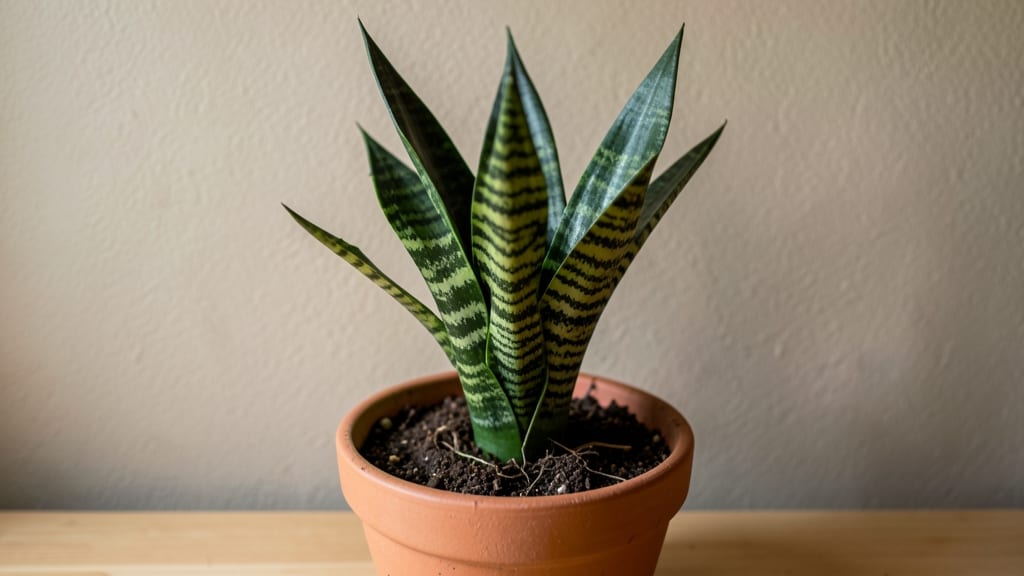
That fast-growing small green-and-white leaf plant could be your next container star—just imagine the striking contrast popping against dark pots or bright windowsills. 🌿 I’ve grown several varieties, and the key to keeping those crisp white stripes sharp lies in the balance of light and water.
Too much sun fades the variegation, while too little makes the leaves stretch and lose their pattern.
Most small variegated plants—like Hosta ‘Francee’ or Calathea ‘White Fusion’—thrive in bright, indirect light and well-draining soil. A 5-inch pot works for starters, and they’ll germinate in 2-3 weeks if kept consistently moist (not soggy).
The secret? Mimic their natural understory habitat—think dappled shade and slightly acidic soil. Overwatering is the fastest way to lose those gorgeous leaves to root rot.
By month three, you’ll see lush, bold white-and-green foliage that turns heads—especially in small spaces where bigger plants can’t fit. The variegation stays crisp if you avoid harsh afternoon sun, and a light feeding with balanced fertilizer every 6-8 weeks keeps growth vigorous.
Pests like slugs and aphids adore these tender leaves, so keep an eye out for chewed edges or sticky residue.
Works in containers, hanging baskets, or even as tabletop plants—perfect for patios, offices, or sunrooms. The fast germination makes them ideal for quick projects, and their compact size means you can play with placement until you find the perfect spot. Let’s get those patterns growing!
Root Causes Of Leaf Stress
Understanding why your small green-and-white variegated leaves develop stress—whether it’s yellowing, browning, or wilting—starts with identifying the underlying triggers. These plants, often delicate in their striking patterns, react sensitively to environmental shifts.
Let’s break down the science behind the most common issues and why they happen, so you can take precise action.
---
Variegated plants, especially those with white or pale leaves, rely on chlorophyll distribution for energy production. When temperatures swing drastically—either too hot or too cold—their metabolic processes slow down or become erratic.
- Cold Stress (Below 50°F/10°C): - Why it happens: Cold temperatures cause chlorophyll breakdown in the green parts of the leaves, leading to white or yellow patches.
The plant’s vascular system may also struggle to transport nutrients efficiently, resulting in edge browning or crispy leaf tips. - Actionable fix: Keep your plant in a consistent 60–75°F (15–24°C) range. Avoid drafts from windows, AC vents, or heaters. Use a heat mat in winter if indoors.
- Heat Stress (Above 85°F/30°C): - Why it happens: High heat accelerates transpiration (water loss) faster than roots can absorb moisture, leading to wilting or scorched leaf edges.
The white variegation may also bleach out under intense sunlight, losing its vibrancy. - Actionable fix: Move the plant to indirect light during peak afternoon heat. Use a fan for airflow (but avoid direct drafts) and mist leaves lightly in the morning to reduce heat stress.
---
Variegated leaves are a genetic quirk—they produce less chlorophyll in white areas, making them light-sensitive. Too little or too much light throws off their delicate balance.
- Low Light (Leggy Growth, Pale Variegation): - Why it happens: In dim conditions, the plant stretches (etiolation) to reach light, weakening stems and causing leaves to lose their white contrast.
The green parts may turn dull or yellowish as chlorophyll production slows. - Actionable fix: Place the plant 3–6 feet from a bright, indirect light source (e.g., east-facing window). Supplement with a grow light (12–14 hours/day) if natural light is insufficient.
- Direct Sunburn (Brown Scorch Marks): - Why it happens: While variegated plants need light, intense direct sun (especially southern/exposure windows) cooks the chlorophyll, leaving brown, crispy patches on white areas.
The plant may also curl leaves to protect itself. - Actionable fix: Filter light with sheer curtains or move the plant 6+ feet back from windows. If outdoors, provide dappled shade (e.g., under a tree canopy).
---
Variegated plants are prone to hydration issues because their white leaves transpire (lose water) faster than solid-green leaves. Over- or under-watering disrupts their moisture balance.
- Overwatering (Root Rot, Yellow Leaves): - Why it happens: Soggy soil cuts off oxygen to roots, leading to anaerobic bacteria that rot roots and stems.
The plant can’t absorb nutrients, causing yellowing between veins (a classic sign of chlorosis). - Actionable fix: - Use well-draining soil (mix potting mix with perlite or orchid bark). - Water only when the top 1–2 inches of soil are dry (stick your finger in to check!). - Ensure the pot has drainage holes and use a cache pot outdoors to prevent waterlogging.
- Underwatering (Wilting, Crispy Edges): - Why it happens: Variegated leaves lose moisture quickly, leading to plasmolysis (cell collapse) at the edges.
The plant may droop as turgor pressure (internal water pressure) drops. - Actionable fix: - Bottom-water (place the pot in a tray of water for 10–15 minutes) to encourage even hydration. - Mist leaves 2–3 times a week in dry climates to slow transpiration. - Use a humidity tray (pebbles + water) to maintain 40–60% humidity.
---
Variegated plants often grow in nutrient-poor conditions in nature (e.g., epiphytic habits like some Fittonia or Tradescantia). Poor soil or imbalances trigger stress.
- Compacted or Poor-Draining Soil: - Why it happens: Dense soil traps water and blocks roots, leading to oxygen deprivation and nutrient lockout.
The plant may show stunted growth or purplish stems (a sign of phosphorus deficiency). - Actionable fix: Repot every 1–2 years with a chunky, airy mix (e.g., 50% peat-free potting soil, 30% perlite, 20% orchid bark). Add a slow-release fertilizer (like osmocote) at repotting.
- Nitrogen or Magnesium Deficiency: - Why it happens: - Nitrogen deficiency causes pale green or yellow leaves (especially older ones). - Magnesium deficiency leads to interveinal yellowing (between veins) because magnesium is key for chlorophyll production. - Actionable fix: - Foliar spray with a balanced liquid fertilizer (10-10-10) every 4–6 weeks. - For magnesium, use Epsom salt (1 tsp/gallon of water) monthly.
--- Variegated plants’ sensitive leaves make them prime targets for pests and fungi. Common culprits include: - Spider mites (tiny webs, stippled leaves) - Aphids (sticky residue, curled leaves) - Fungal leaf spot (dark spots with yellow halos)
- Why it happens: - Pests pierce cells to feed, causing direct damage and stress hormones that trigger leaf drop. - Fungi thrive in high humidity + poor airflow, clogging stomata (leaf pores) and blocking gas exchange. - Actionable fix: - Isolate the plant immediately. - Wipe leaves with neem oil solution (1 tbsp/quart water) weekly. - Increase airflow with a fan (but avoid direct blasts). - Remove infected leaves with sterilized scissors.
Quick Fixes for Common Issues
Reviving your small green-and-white leafed plant doesn’t have to be a mystery—most problems have straightforward solutions. Below, we’ve mapped common issues to practical fixes, along with prevention tips to keep your plant thriving long-term.
Whether it’s yellowing leaves, stunted growth, or pests, these steps will help you turn things around fast.
---
Cause: Too much or too little water stress. Fix: 1. Check the soil 🔍—Stick your finger 1-2 inches deep. If it’s soggy, your plant is overwatered; if dry, it’s thirsty. 2. Adjust your watering routine 💧: - Overwatered? Let the top 2-3 inches of soil dry out before watering again. Empty saucers under pots to prevent root rot. - Underwatered? Water deeply until it drains from the bottom, then wait 30 minutes before emptying excess. 3. Repot if needed 🏺—If roots smell rotten or the soil feels compacted, transfer to fresh, well-draining potting mix.
Prevention Tip: 💡 Use a moisture meter or stick to a schedule (e.g., water every 5-7 days in summer, less in winter).
---
Cause: Stretching toward light = insufficient sunlight. Fix: 1. Move the plant ☀️—Place it near a bright, indirect light source (e.g., east or west-facing window). Avoid harsh midday sun, which can scorch delicate leaves. 2. Rotate the pot weekly 🌀—This ensures even growth and prevents lopsided plants. 3. Supplement with grow lights 💡—If natural light is limited, use a full-spectrum LED grow light 6 inches above the plant for 12-14 hours daily.
Prevention Tip: ✨ Monitor leaf color—if leaves lose their white variegation, it’s a sign of light deprivation.
---
Cause: Tiny bugs sucking sap or leaving webbing. Fix: 1. Isolate the plant 🛑—Move it away from other houseplants to prevent spreading. 2. Blast pests off 💦—Spray leaves with soapy water (1 tsp mild dish soap + 1 quart water) or neem oil spray (1 tsp neem oil + 1 quart water + drop of dish soap). 3. Wipe leaves 🧼—Use a damp microfiber cloth to remove eggs and debris. 4. Introduce beneficial insects 🐞—Ladybugs or lacewings can eat aphids naturally (available at garden centers).
Prevention Tip: 🌡️ Keep humidity moderate (40-60%)—pests thrive in dry, dusty environments.
---
Cause: Lack of essential nutrients in the soil. Fix: 1. Fertilize lightly 🌱—Use a balanced liquid fertilizer (10-10-10 or 20-20-20) diluted to half-strength every 4-6 weeks during spring/summer. Avoid fertilizing in winter. 2. Check the soil 🏺—If it’s depleted, repot with fresh well-draining potting mix mixed with compost or worm castings. 3. Flush the soil 💦—Every 3 months, water thoroughly to leach out salt buildup from fertilizers.
Prevention Tip: 📊 Test soil pH—Most variegated plants prefer slightly acidic to neutral soil (6.0-7.0).
--- Cause: Too much heat, underwatering, or root-bound plants. Fix: 1. Move to a cooler spot ❄️—Avoid placing near heaters, radiators, or direct sunlight. 2. Check roots 👀—Gently remove the plant from its pot.
If roots are circling or mushy, trim damaged roots and repot. 3. Hydrate properly 💧—Soak the root ball in water for 10-15 minutes, then let excess drain.
Prevention Tip: 🎯 Use a pebble tray under the pot to increase humidity without overwatering.
--- If your plant is looking really sad, try this 30-day revival plan: - Week 1: Trim dead leaves, repot if needed, and adjust watering. - Week 2: Introduce a balanced fertilizer and move to better light. - Week 3: Monitor for pests and adjust humidity. - Week 4: Assess progress—if no improvement, consider if the plant needs more space or a different variety.
--- Remember: Most issues are fixable with consistent care. Keep an eye on your plant’s signals, and it’ll bounce back faster than you think! 🌿✨
Frequently asked questions
Which small green-and-white leaf plants are easiest for beginners?
Start with Hosta ‘Francee’ or Calathea ‘White Fusion’—both thrive in indirect light and forgive occasional watering mistakes. For faster results, try Snake Plant ‘Variegata’, which handles low light and drought better than most. All three keep their striking patterns with minimal fuss!
Why are my white leaf edges turning brown?
This usually means underwatering or low humidity. White areas lose moisture faster than green parts, so crispy edges signal plasmolysis (cell collapse). Try bottom-watering (place pot in a tray of water for 15 minutes) and add a pebble tray to boost humidity to 40-60%.
Can I grow these plants outdoors in cold climates?
Most small variegated plants (like Fittonia ‘White Nancy’) are tropical and die below 40°F (4°C). For outdoor growing, choose hardier options like Heuchera ‘White Lady’ (tolerates 20°F (-7°C)) or Ajuga ‘Chocolate Chip’ (survives 10°F (-12°C)). Always mulch heavily and move pots indoors before frost.
How do I make my variegation stay crisp and bright?
Bright, indirect light is key—too much sun bleaches white areas, while too little dulls the contrast. Rotate your plant weekly for even exposure, and avoid placing it near heat sources (like vents) that dry out leaves. A balanced fertilizer (10-10-10) every 6 weeks also supports vibrant foliage.
Are these plants toxic to pets?
Most small variegated plants are non-toxic, but always check specifics: Snake Plants and Hostas are safe, while Calatheas** can cause mild stomach upset if ingested. Keep plants out of reach, and research your exact variety if you have curious pets.