
Pests and Diseases
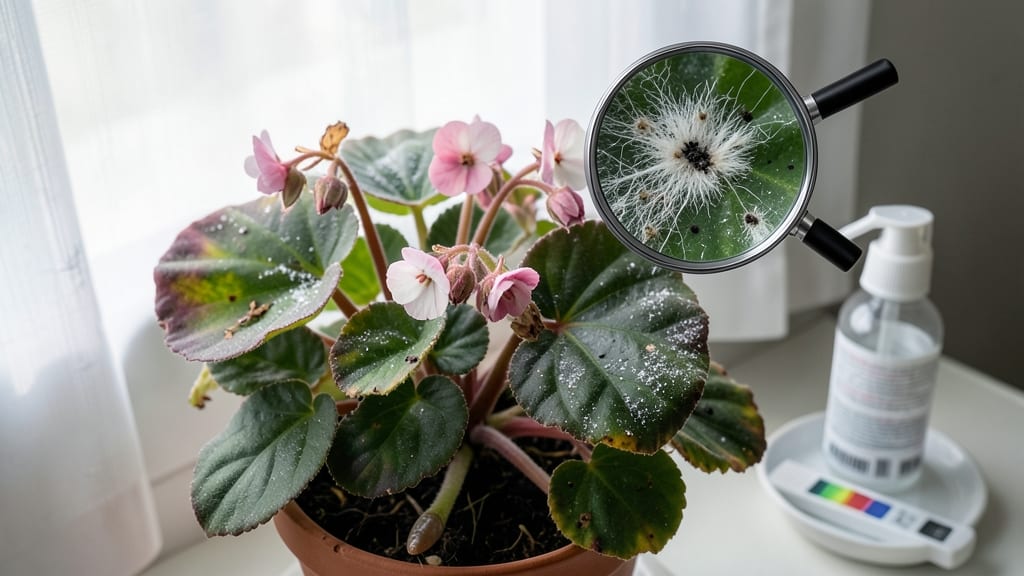
Wax begonia leaf problems usually start with tiny brown spots that spread like a bad rumor. 🌿 I've seen them turn from a few specks to a full-blown crisis in just two weeks, and the good news is most issues have simple organic fixes once you know what you're dealing with.
The most common culprits are fungal infections like powdery mildew or bacterial leaf spot, but pests like spider mites and environmental stress (overwatering, poor airflow) play a role too. The key is catching it early—before the spots merge or the leaves start yellowing and dropping.
With the right care adjustments and organic treatments, you'll have your begonia bouncing back in no time. I've rescued plants that looked ready for the compost heap using just a few targeted fixes and better watering habits.
Let's tackle this step by step so you can get your wax begonia thriving again—no guesswork required.
📚 In This Guide
- What you need
- Instructions
- Tips and common mistakes
- Wrapping up and next steps
What you need
- ● Magnifying glass or loupe (10x magnification recommended) – for close-up inspection of leaf spots, pests, or texture changes.
- ● Pruning shears or sharp scissors – sterilized with rubbing alcohol (70% or higher) to trim affected leaves.
- ● Rubbing alcohol (70% isopropyl) (small bottle, ~4 oz) – for disinfecting tools and swabbing pests.
- ● Neem oil (16 oz bottle) – a natural fungicide and insecticide for organic treatment.
- ● Horticultural oil or insecticidal soap (8 oz spray bottle) – for stubborn pests like spider mites or aphids.
- ● Spray bottle with water (8 oz) – for rinsing leaves or diluting solutions.
- ● Gloves (nitrile or rubber) – to protect your hands from sap, oils, or irritants.
- ○ pH testing kit (optional but helpful) – to check soil acidity (ideal range: 5.5–6.5 for wax begonias).
- ● Humidity tray or pebble tray – to maintain 50–60% humidity if leaves are drying or curling.
- ● Fungicide spray (copper-based or sulfur-free) – for severe fungal infections like powdery mildew.
- ● Plant-safe disinfectant (hydrogen peroxide, 3%) – for cleaning pots or tools between uses.
- ● LED grow light (full-spectrum) – if natural light is insufficient (12–14 hours/day for recovery).
- ● Journal or camera – to track symptoms over time for accurate diagnosis.
How to diagnose and fix common wax begonia leaf issues
Here's how I identify and treat the most frequent wax begonia leaf problems—no guesswork required.
🌿 Step 1: Check for Overwatering or Underwatering
Wax begonias are finicky about moisture. If leaves yellow with crispy edges, you're likely overwatering—the roots can't breathe in soggy soil. Stick your finger 1 inch deep—if it feels damp, wait before watering again. I always use a pot with drainage holes to prevent root rot.
On the flip side, dry, brown leaf edges mean underwatering. These plants prefer consistently moist but never soggy soil. Water when the top ½ inch feels dry to touch. A moisture meter helps avoid confusion—aim for 40-50% moisture in the root zone.
🌱 Step 2: Inspect for Pests Like Spider Mites or Mealybugs
Tiny white webs on undersides of leaves? That's spider mites. Wipe them off with a damp cloth dipped in soapy water (1 tsp mild dish soap per quart of water). Repeat every 3-4 days until gone. I check undersides weekly—pests hide there first.
Cottony white clumps in leaf axils? Those are mealybugs. Dab them with a 70% isopropyl alcohol-soaked cotton swab—they dissolve instantly. For severe infestations, isolate the plant and treat with neem oil spray (1 tsp neem oil + 1 tsp mild soap per quart of water).
☀️ Step 3: Assess Light Conditions
Leggy stems with pale leaves? Your begonia needs more indirect light. These plants thrive in bright, filtered light (think east or north-facing windows). Direct sun burns leaves, leaving crispy brown patches. Move it back 6-12 inches from the window if leaves scorch.
Dull, drooping leaves? Too little light. Boost brightness with a grow light (12-14 hours daily). You'll see new growth within 2 weeks—watch for compact, glossy leaves as a sign of improvement. Rotate the pot weekly so growth stays even.
✂️ Step 4: Prune Damaged or Diseased Leaves
Remove any leaves with black spots (fungal issues) or holes (pest damage) using sterilized scissors. Cut ¼ inch below the damaged area to prevent spreading. Wipe blades with rubbing alcohol between cuts—clean tools stop infections.
Yellow leaves at the bottom? They're just aging. Snip them off at the stem to redirect energy to new growth. Never yank leaves—always cut cleanly. After pruning, give the plant a light fertilizer (½-strength balanced formula) to encourage recovery.
💧 Step 5: Adjust Humidity and Airflow
Brown leaf tips in dry air? Wax begonias love 50-60% humidity. Place the pot on a pebble tray filled with water and pebbles (not touching the pot). Mist leaves daily in dry climates—avoid wetting flowers, though.
Poor airflow causes fungal issues. Space plants 6-8 inches apart and use a small fan on low speed near them. You'll see fewer pests and healthier leaves. Just don’t blast them directly—gentle airflow is key.
Tips & tricks for reviving wax begonia leaves
These practical tricks will help you diagnose and fix wax begonia leaf problems faster than you'd expect—no gardening degree required.
Soil Test Technique: The finger test in Step 1 works best when you're consistent. I always check soil moisture at the same time each week—morning works best because evening watering can leave soil temporarily damp. Pro tip: Use your finger's first knuckle as a guide for that 1-inch depth. If it feels cool and moist, wait another day.
Pest Prevention: I've found that adding a layer of dried sand (about ¼ inch) on top of your soil mix creates a natural barrier that deters pests like spider mites. This works especially well if you notice tiny webs appearing—it's an early warning sign. The sand layer also helps maintain that ideal 40-50% moisture level by slowing evaporation.
Light Rotation Hack: When using grow lights for Step 3, I set a timer for the 12-14 hours of light and rotate the plant every 24 hours. This prevents the plant from leaning toward the light source. I mark the pot's position with a piece of tape on the windowsill to track rotation—it's a small effort that makes a big difference in plant symmetry.
Pruning Timing: The best time to prune damaged leaves (Step 4) is in the morning when the plant's stomata are open. This helps the plant recover faster. I always clean my scissors with rubbing alcohol between cuts—it's a habit that prevents cross-contamination between healthy and diseased leaves. For severely damaged plants, I'll do a more aggressive prune, cutting back to about 2 inches above the soil line to encourage fresh growth.
Pro Tips for Wax Begonia Leaf Problems
- These practical tricks will help you diagnose and fix wax begonia leaf problems faster than you'd expect—no gardening...
- Soil Test Technique: The finger test in Step 1 works best when you're consistent. I always check soil moisture at the...
- Pest Prevention: I've found that adding a layer of dried sand (about ¼ inch) on top of your soil mix creates a natura...
Frequently asked questions
Got questions about wax begonia leaf issues? You’re not alone!
Here are answers to the most common concerns—from quick fixes to long-term care—so your plant stays lush and healthy.
Why are my wax begonia leaves turning yellow?
Yellowing leaves often signal overwatering or poor drainage. Check the soil—if it’s soggy, let it dry out before watering again. Yellow edges with crispy texture? That’s underwatering or low humidity. Boost airflow and mist leaves occasionally.
How do I get rid of pests like aphids or spider mites?
Start with a neem oil spray (mix 1 tsp neem oil + 1 tsp mild soap in 1 quart water). Spray undersides of leaves where pests hide. For severe infestations, wipe leaves with a damp cloth dipped in rubbing alcohol (70% isopropyl). Repeat every 3–5 days.
How long does it take for wax begonia leaves to recover?
Mild issues (like brown tips from tap water) may improve in 1–2 weeks with adjusted care. Fungal spots or pest damage can take 3–6 weeks to fully heal. Prune damaged leaves to redirect energy to new growth—your plant will bounce back faster!
Can I save a wax begonia with root rot?
Act fast! Remove the plant from its pot and trim black, mushy roots with sterilized scissors. Repot in fresh, well-draining soil (add perlite or orchid bark) and water lightly. Keep it in bright, indirect light and avoid overwatering for 2 weeks. Success depends on how much root is still healthy!
What’s a good alternative if my wax begonia keeps struggling?
Try Rex begonia (hardier, loves humidity) or angel wing begonia (tolerates lower light). Both are beginner-friendly! For low-maintenance options, peperomia or pothos thrive with minimal fuss. Rotate plants to find your perfect match.
Wrapping up and next steps
Wax begonia leaf problems might seem daunting, but with the right knowledge, you can nurse your plant back to health! 🌿 From fungal infections to pest invasions, early action is key—adjust care routines, apply organic fixes, and keep an eye on your plant’s progress.
Don’t let setbacks discourage you; even the greenest thumbs learn through trials.
Ready to tackle the next challenge? Check out our guide on preventing future wax begonia issues or explore other organic gardening tips to keep your plants thriving year-round. Happy growing! 🌱