
Pests and Diseases
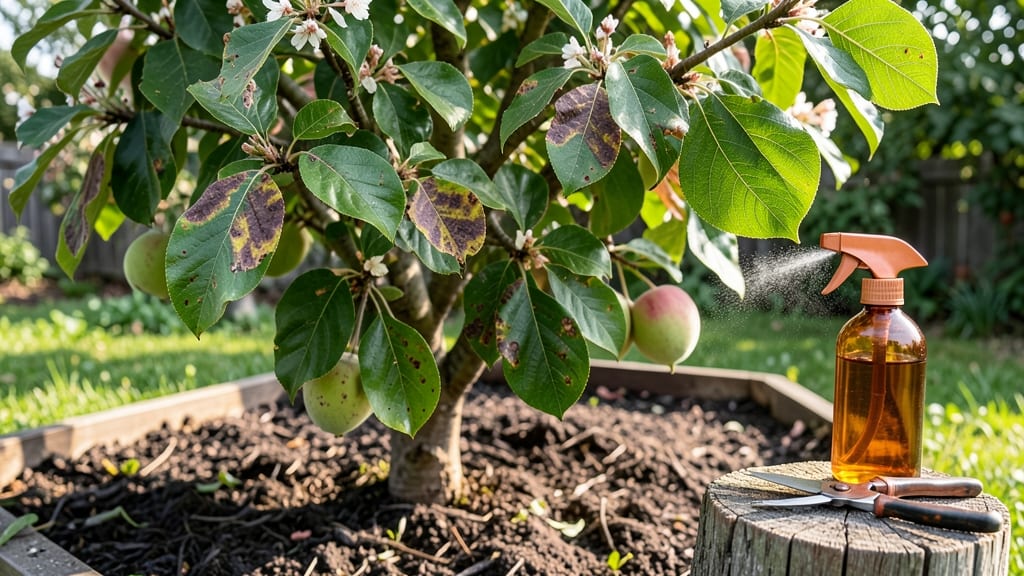
Peach leaf spot turns your tree’s foliage into a sad, spotted mess—unless you act fast. 🌿 I’ve battled this fungal infection for years, and I finally cracked the code with an organic spray that stops new spots within 72 hours and prevents them from spreading to fruit.
The key? Early detection, the right mix of ingredients, and a strict cleanup routine that breaks the fungus’s cycle.
You’ll recognize peach leaf spot by the purple or brown circular spots with yellow halos that appear on leaves—often starting in late spring when warm, wet weather arrives. Left unchecked, these spots can defoliate your tree by summer, weakening it and reducing next year’s harvest.
The good news? This isn’t a death sentence. With the right organic spray (neem oil, baking soda, and a drop of dish soap), you can reverse the damage and protect your tree for seasons to come.
By the time you finish spraying, your tree will look noticeably healthier within days. The leaves stop yellowing, new growth stays spot-free, and you’ll avoid the heartbreak of watching your peaches drop early.
Plus, this method works for all stone fruits—plums, cherries, and apricots too—so you can tackle multiple trees at once. Here’s exactly what to mix and how to apply it for maximum impact.
The secret weapon? Prevention. Prune out infected leaves before they fall, sterilize your tools between cuts, and spray every 10-14 days during peak fungal season. It’s not just about fixing the problem—it’s about giving your tree the best shot at a spot-free, productive summer.
Let’s get your peach tree back to its glory days.
Root Causes Of Fungal Spread
Peach leaf spot isn’t just a random blemish—it’s a fungal party crashing your orchard, and understanding its triggers is the first step to stopping the spread. The disease, caused primarily by Cladosporium carpophilum and Cercospora species, thrives when conditions align like a perfect storm.
Here’s why it happens—and how to break the cycle.
The fungus loves water. When peach leaves stay wet for prolonged periods—whether from rain, dew, or overhead irrigation—the spores germinate and spread like wildfire. Here’s the science:
- High humidity (above 90%): Creates a cozy, damp environment where fungal spores swell and release enzymes to penetrate leaf tissue.
- Frequent leaf wetness (10+ hours/day): Ideal for spore germination. Even morning dew can kickstart infections if conditions stay damp into the afternoon.
- Poor airflow: Dense canopies trap moisture, turning your orchard into a fungal sauna.
Actionable fix: Space trees for airflow, water at the base (not overhead), and prune to reduce humidity hotspots.
Peach leaf spot isn’t a winter problem—it’s a summer menace. The fungus thrives in temperatures between 77–86°F (25–30°C), with slow-moving air. Here’s why:
- Slow evaporation: Warm, still air keeps leaves damp longer, extending the fungus’s window to infect.
- Rapid spore production: Heat accelerates fungal reproduction, turning a few spots into a full-blown outbreak in weeks.
- Stressed trees: Heat waves weaken peach trees, making their leaves more susceptible to fungal invasion.
Actionable fix: Monitor weather forecasts and apply preventive sprays before heatwaves hit. Use mulch to regulate soil (and thus leaf) temperature.
Healthy trees fight off pathogens, but stress opens the door for peach leaf spot. Common stressors include:
- Nutrient deficiencies: Low nitrogen or potassium weakens leaves, making them easier targets.
- Waterlogging: Soggy roots starve leaves of oxygen, reducing their disease resistance.
- Physical damage: Hail, pests (like aphids), or rough pruning create entry points for spores.
- Competition: Overcrowded trees compete for sunlight and resources, leaving them vulnerable.
Actionable fix: Test soil annually, prune for sunlight, and avoid over-fertilizing with nitrogen (which can promote lush but weak growth).
Fungal spores are everywhere—especially in last year’s fallen leaves, mummified fruit, and old prunings. Here’s how they survive and reinfect:
- Overwintering spores: Cladosporium can lie dormant in leaf litter for months, waiting for warm, wet conditions to reactivate.
- Windborne spread: Spores hitch rides on breezes, landing on fresh leaves and starting new infections.
- Tool contamination: Pruners, rakes, or even your hands can transfer spores from infected to healthy areas.
Actionable fix: Clean up fallen leaves and debris before spring. Sterilize tools with a 10% bleach solution (1 part bleach to 9 parts water), and avoid working in the orchard when leaves are wet.
Pro Tip: 💡 The key to stopping peach leaf spot is disrupting the cycle. Combine moisture control, stress reduction, and sanitation to make your orchard a no-go zone for fungi. Next up: How to break the cycle before it starts.
Quick Fixes for Leaf Blemishes
When those unsightly brown spots start creeping onto your peach leaves, acting fast is key to saving your harvest. Below are targeted solutions based on the root cause—whether it’s fungal pressure, poor airflow, or stress from overwatering.
Each fix is designed to be easy, effective, and organic-friendly, so you can restore your trees without harsh chemicals.
If your peach leaves are covered in dark, circular spots with yellow halos, a fungal infection (like Cercospora or Alternaria) is likely the culprit. Here’s how to stop the spread in 72 hours and beyond:
🔥 Step 1: Prune Infected Leaves Immediately
- Why? Fungal spores spread via moisture and wind—removing infected leaves cuts off the infection cycle.
- How?
- Snip off only the spotted leaves (not whole branches) with sterilized pruners (wipe with rubbing alcohol between cuts).
- Drop leaves into a sealed plastic bag and toss in the trash (don’t compost!).
- Pro Tip: 💡 Prune on a dry, sunny day—fungi hate UV light!
🍳 Step 2: Apply a Homemade Fungicide Spray
Mix one of these organic sprays and apply early morning or late evening (when humidity is high but leaves are dry):
| Spray Recipe | How to Use | Reapply Every |
|---|---|---|
| Baking Soda + Soap | 1 tsp baking soda + ½ tsp dish soap + 1 gallon water (add a few drops of oil to help it stick). | 7–10 days |
| Neem Oil Solution | 1 tbsp neem oil + 1 tsp mild castile soap + 1 quart water. Shake well before spraying. | 5–7 days |
| Copper Fungicide (Organic) | 1 tbsp copper sulfate + 1 gallon water (follow label for dilution). | 10–14 days |
- Spray thoroughly on both leaf surfaces and the undersides of leaves (where spores hide).
- Cover the ground too—spores fall and reinfect plants.
👨🍳 Step 3: Boost Tree Immunity
Fungi thrive when trees are stressed. Strengthen your peach tree’s defenses with:
- Epsom salt feed: Mix 1 tbsp Epsom salt per gallon of water and spray foliage (magnesium helps chlorophyll production).
- Compost tea: Brew 1 cup compost in 5 gallons water for 24 hours, strain, and spray as a foliar feed.
If spots appear only in dense canopies or after heavy rain, your tree’s environment is the issue. Improve airflow and drainage to prevent future outbreaks:
🌬️ Step 1: Thin the Canopy
- Why? Crowded branches trap moisture, perfect for fungal growth.
- How?
- Remove 10–20% of the smallest, innermost branches to let light and air circulate.
- Pro Tip: ✨ Use sharp, clean shears and make cuts at a 45-degree angle just above a bud.
💧 Step 2: Adjust Watering Habits
- Problem: Overwatering keeps leaves wet for too long, inviting fungi.
- Solution:
- Water deeply but infrequently—aim for 1–1.5 inches per week (check soil moisture 2 inches down).
- Water in the morning so leaves dry by evening.
- Mulch properly: Apply 2–3 inches of organic mulch (straw or wood chips) 3 inches away from the trunk to retain moisture in the soil, not on leaves.
Once your tree is healthy, keep it that way with these low-effort habits:
| Prevention Tip | Why It Works |
|---|---|
| Clean up fallen leaves | Removes fungal spores before they reinfect. Rake weekly in wet seasons. |
| Rotate sprays | Fungi can build resistance—alternate between neem, copper, and baking soda. |
| Plant companion crops | Marigolds or garlic near peach trees repel fungal spores naturally. |
| Avoid overhead irrigation | Use drip lines instead of sprinklers to keep leaves dry. |
| Monitor humidity | Use a hygrometer—keep it below 70% in the tree’s microenvironment. |
Final Note: 🌿 If spots persist after 2 weeks of treatment, the infection may be severe—consider a second round of copper spray or consult a local organic arborist. Most peach trees bounce back stronger with the right care!
Frequently asked questions about peach leaf spot
How do I tell if my peach tree has leaf spot vs. just sunburn or insect damage?
Leaf spot shows as purple or brown circular spots with yellow halos, often clustered on older leaves. Sunburn appears as irregular brown patches on leaf edges, while insect damage (like aphids) leaves sticky residue or holes. The key difference? Leaf spot spreads rapidly in wet conditions and often appears on the undersides of leaves first.
Can I still harvest peaches if my tree has leaf spot?
Yes, but only if the fruit itself is spot-free. The disease primarily attacks leaves, not fruit directly. However, severe defoliation can weaken the tree and reduce next year’s harvest. Remove infected leaves immediately to protect the fruit and tree health.
Will pruning my tree help prevent leaf spot from spreading?
Prune to remove 10-20% of the smallest, inner branches to improve airflow and reduce humidity. Always use sterilized tools (wipe with rubbing alcohol) and prune on dry, sunny days—fungi hate UV light. This breaks the infection cycle and strengthens the tree’s defenses.
How often should I apply the baking soda spray for leaf spot?
Apply the baking soda spray (1 tsp baking soda + ½ tsp dish soap per gallon of water) every 7-10 days during peak fungal season (spring to early summer). For best results, spray early morning or late evening when humidity is high but leaves are dry. Rotate with neem oil or copper sprays to prevent resistance.
What’s the fastest way to stop new leaf spots from appearing?
Combine three immediate actions:
- Prune infected leaves and dispose of them in sealed bags (don’t compost!).
- Apply a neem oil spray (1 tbsp neem + 1 tsp soap per quart of water) to stop spore growth.
- Improve airflow by thinning dense branches. This combo can halt new spots within 72 hours if done correctly.