
Pests and Diseases
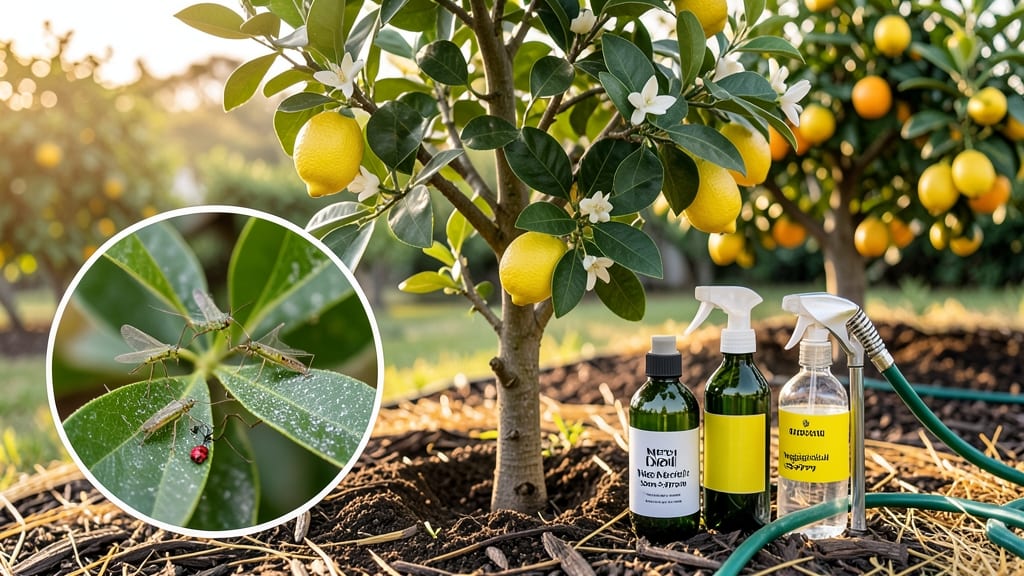
Leaf hopper control turns your lush plants into skeletons overnight—tiny but devastating. ✨ The good news? A fast, organic spray barrier can stop them before they ruin your garden, and I’ve perfected the mix after battling my own infestation last summer. These little pests leave behind a telltale stippling on leaves, and once they’re gone, your plants rebound faster than you’d expect.
The secret isn’t complicated: a blend of neem oil, insecticidal soap, and water creates a protective film that smothers them on contact. You’ll need a spray bottle, a few drops of dish soap (for adhesion), and 15 minutes of your time—no fancy equipment.
The key is applying it early in the morning when hoppers are sluggish, so they don’t just fly away.
Within 24 hours, you’ll see fewer hoppers clinging to leaves, and in a week, new growth will emerge vibrant and undamaged. The spray works on roses, tomatoes, and even houseplants, and it’s safe for bees and beneficial insects if applied correctly.
No more watching your garden’s health decline while you wait for chemical solutions to kick in.
Works best in warm, dry weather—just avoid spraying when flowers are open to protect pollinators. For stubborn cases, repeat every 3-5 days until the hoppers disappear. Trust me, your plants will thank you with bold, healthy foliage in no time.
📚 In This Guide
- What you need
- Instructions
- Tips and common mistakes
- Wrapping up and next steps
What you need
- ● Neem oil (100% cold-pressed, organic): 1 quart (32 oz) – the star ingredient for repelling and suffocating leaf hoppers
- ● Insecticidal soap (potassium salt-based, OMRI-listed): 16 oz spray bottle – breaks down leaf hopper exoskeletons
- ● Dish soap (mild, unscented, e.g., Castile soap): 1 tbsp – helps emulsify the mix for better adhesion
- ● Water (distilled or dechlorinated): 1 gallon – ensures purity and avoids harming plants
- ● Spray bottle or garden sprayer (1-2 gallons): 1 unit – even coverage is key!
- ● Gloves (nitrile or rubber): 1 pair – protects your skin from irritation
- ○ Face mask (optional but recommended): 1 – prevents inhalation of fine mist
- ● Pruning shears: 1 pair – for trimming heavily infested foliage
- ● Hose with nozzle (for rinsing): 1 – cleanses plants post-treatment
- ● Garlic or chili pepper spray (homemade): ½ cup – natural repellent boost
- ● Kaolin clay (Surround WP): 1 lb – creates a protective barrier
- ● Yellow sticky traps: 2-4 traps – catches adult leaf hoppers mid-flight
- ● Beneficial insects (ladybugs, lacewings): 100+ – natural predators for long-term control
- ● Garden twine or row covers: 1 roll – physical barrier for severe infestations
Step-by-Step instructions for creating an organic leaf hopper barrier spray
Here's the method I rely on to stop leaf hopper infestations within days—no harsh chemicals needed.
🌿 Step 1: Gather Your Organic Barrier Ingredients
You'll need neem oil (1 tablespoon), insecticidal soap (2 tablespoons), water (1 quart), and dish soap (½ teaspoon). Neem oil disrupts leaf hoppers' life cycle, while insecticidal soap smothers their protective wax layer. The dish soap acts as an emulsifier to blend everything properly.
Mix the neem oil and insecticidal soap in a clean spray bottle first. Add the dish soap last—this prevents separation. Shake vigorously for 30 seconds until the solution looks uniformly cloudy. The dish soap helps the oils disperse fully in water, ensuring even coverage when sprayed.
💧 Step 2: Apply the Spray During Early Morning Hours
Spray your plants before 9 AM when temperatures are below 75°F and humidity is high. Leaf hoppers are most vulnerable to the spray when their waxy coating is still damp from morning dew. Focus on the undersides of leaves—this is where leaf hoppers hide and lay eggs.
Hold the spray bottle 12 inches away from foliage and apply until leaves glisten but don't drip. Test on a small area first—some plants (like boxwoods) can develop leaf burn with strong oil-based sprays. Reapply every 3-5 days until you see no new hoppers for a full week.
☀️ Step 3: Create a Physical Barrier for Severe Infestations
For heavily infested plants, combine the spray with row covers or fine mesh netting. Drape the netting loosely over plants and secure edges with stakes. This prevents hoppers from jumping onto fresh growth while the spray works. Leave covers on for 7-10 days—long enough to break the hopper life cycle.
Check daily for trapped hoppers on the netting. If you see them, remove the cover, shake them into soapy water, and reapply. The combination of spray and physical barrier creates a double defense that stops infestations faster than either method alone.
✂️ Step 4: Maintain Prevention Through the Growing Season
After eliminating hoppers, continue spraying weekly with a diluted neem oil solution (1 tablespoon per quart of water). This disrupts any remaining eggs and deters new hoppers. Prune and destroy heavily infested leaves immediately—don't compost them, as hoppers can survive in yard waste.
Encourage natural predators like lacewings and parasitic wasps by planting dill, fennel, or yarrow nearby. These beneficial insects will keep hopper populations in check long-term. The key is consistency—leaf hoppers rebound quickly if you stop treatments early.
Tips & tricks for effective organic leaf hopper control
Real talk: Timing and technique make all the difference when battling leaf hoppers organically. These small adjustments can mean the difference between a temporary setback and complete eradication.
Mixing Precision: In Step 1, when combining your neem oil and insecticidal soap, shake that spray bottle for the full 30 seconds—don't rush it. The dish soap needs time to fully emulsify the oils, creating that uniform cloudy texture. I've seen solutions separate within hours when people skip this step, leaving you with ineffective patches of spray.
Temperature Matters: The 75°F maximum temperature in Step 2 isn't arbitrary—it's when leaf hoppers become vulnerable. Their waxy coating stays damp longer in cooler morning air, making the spray more effective. If you're working in hotter climates, consider applying even earlier (6-7 AM) to catch that dew window.
Physical Barrier Strategy: For Step 3, when using row covers, leave a small gap at the bottom—about 1 inch. This allows beneficial insects access while still trapping hoppers. I learned this the hard way by completely enclosing plants, which trapped too much humidity and actually encouraged fungal growth.
Consistency is Key: The weekly maintenance spray in Step 4 requires discipline. I mark my calendar with reminders because stopping early is how infestations return. Even after elimination, that diluted neem solution acts as insurance against new arrivals from neighboring plants.
Pro Tips for Leaf Hopper Control
- Real talk: Timing and technique make all the difference when battling leaf hoppers organically.
- Mixing Precision: In Step 1, when combining your neem oil and insecticidal soap, shake that spray bottle for the full 30 seconds—don't rush it.
- Temperature Matters: The 75°F maximum temperature in Step 2 isn't arbitrary—it's when leaf hoppers become vulnerable.
Frequently asked questions
Got questions about managing leaf hoppers naturally? Here are some common concerns—and straightforward answers—to help you take control of your garden or landscape.
What’s the best time of day to apply an organic leaf hopper spray?
The ideal time is early morning or late afternoon when temperatures are mild (below 85°F). This prevents the spray from evaporating too quickly and ensures better coverage. Avoid spraying during peak sun hours—it can harm beneficial insects like ladybugs and lacewings.
How long does it take for an organic spray barrier to work?
Most organic sprays, like neem oil or insecticidal soap, start working within 24–48 hours. However, for heavy infestations, you may need to reapply every 5–7 days or after rain. Consistency is key—monitor plants closely for signs of new activity.
Can I use these sprays on edible plants like fruits or vegetables?
Yes, but always check the label first! Organic sprays like neem oil, kaolin clay, or horticultural oil are generally safe for edible plants once fully dried (wait 24–48 hours before harvesting). Avoid using strong essential oils (e.g., peppermint or tea tree) near food crops—they can leave residues.
What should I do if leaf hoppers keep coming back after treatment?
Rebound infestations often mean new adults are hatching or migrating. Try these fixes:
- Increase spray frequency (every 3–5 days).
- Add physical barriers like fine netting for young plants.
- Encourage predators (ladybugs, lacewings) with companion planting (e.g., marigolds, dill).
- Check for hidden eggs on undersides of leaves and scrape them off.
Are organic sprays more expensive than chemical pesticides?
Upfront, some organic options (like neem oil or kaolin clay) may cost slightly more than synthetic pesticides. However, they’re safer for pollinators, soil, and long-term garden health. Plus, you’ll use less product per treatment! For budget-friendly swaps, try homemade garlic or chili pepper sprays (mix 1 tbsp each with 1 quart water + a drop of dish soap).
Will organic sprays harm my plants or beneficial insects?
When used correctly, most organic sprays are low-risk to plants and beneficial insects. To minimize harm:
- Avoid spraying directly on flowers (where bees forage).
- Stick to early morning applications when pollinators are less active.
- Skip sprays on stressed or young plants—they’re more susceptible to damage.
Wrapping up and next steps
Controlling leaf hoppers organically doesn’t have to be a guessing game—with the right spray barrier, you can protect your plants fast and naturally. 🌿 Whether you’re tackling an early infestation or preventing future flare-ups, these methods empower you to take action without harsh chemicals. Start small, stay consistent, and watch your garden thrive!
Ready to step up your pest defense? Try the spray barrier method this season and explore more organic solutions for a healthier, hopper-free garden. Your plants will thank you! 🌱