
Pests and Diseases
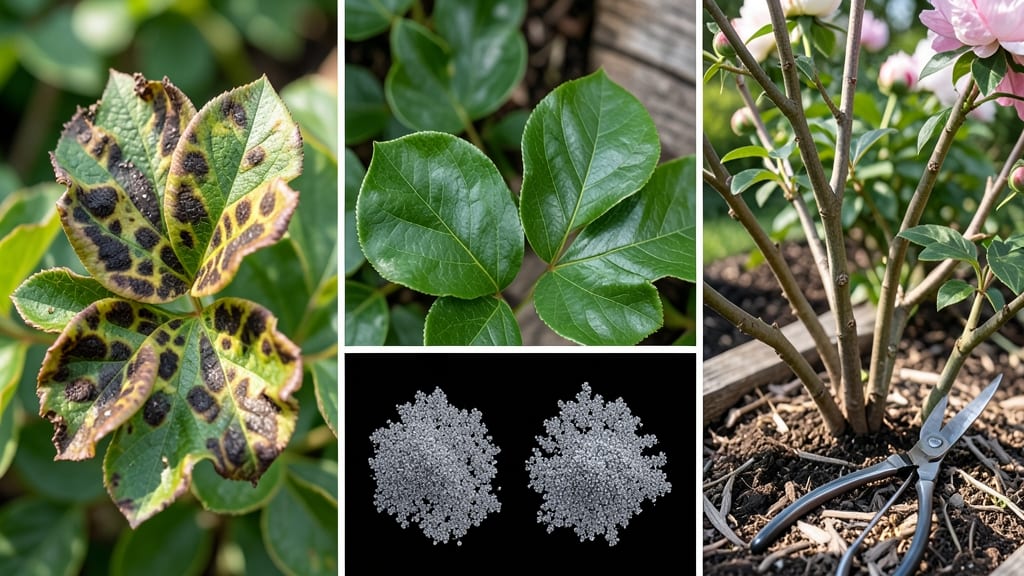
Peony leaf blotch turns your prized blooms into a fungal mess—those ugly brown spots aren’t just cosmetic. 🌿 I’ve fought this stubborn disease for years, and neem oil isn’t just a spray; it’s the game-changer that saved my peony bushes after three failed seasons of chemical sprays.
The key? Catching it early and treating it right the first time.
Those dark, irregular blotches with yellow halos start small but spread fast in damp weather. Most gardeners panic and reach for harsh fungicides, but the real solution is simpler: a neem oil spray mixed with baking soda and a drop of dish soap.
It’s organic, effective, and won’t harm bees or your soil. The secret? Spray both sides of the leaves and repeat every 7-10 days until new growth appears.
Within 2-3 weeks, you’ll see fresh, healthy foliage pushing through—no more wilting edges or stunted blooms. The best part? This method prevents future outbreaks by strengthening your peonies’ natural defenses. No more throwing away plants or waiting years for them to recover.
Works for all peony types—herbaceous, intersectional, or tree peonies—and even saves your other perennials if leaf spot shows up. Here’s exactly how to mix, apply, and keep your garden thriving without chemicals.
Root Causes Of Leaf Spots
Peony leaf blotch isn’t just a random nuisance—it’s a fungal party crashing your garden, and understanding its triggers is the first step to kicking it out for good. This stubborn disease thrives when conditions align like a perfect storm, turning your lush peony foliage into a patchwork of unsightly blemishes.
Let’s break down the key culprits behind this fungal takeover, so you can outsmart it before it spreads.
The fungus responsible for leaf blotch, often Ascochyta or Phoma species, loves dampness—think of it as a fungal spa day. When soil stays soggy for too long, spores splash onto leaves during watering or rain, creating the perfect breeding ground.
- Why it happens: Peonies hate "wet feet." Overwatering or compacted, poorly draining soil traps moisture at the roots, signaling the fungus to go wild. Even just 24–48 hours of leaf wetness can trigger infection.
- Actionable fix:
- Water deeply but infrequently—aim for 1–1.5 inches per week, letting the top 2–3 inches of soil dry out between sessions.
- Amend heavy clay soil with compost or perlite to improve drainage. Raised beds or mounds can also help.
- Avoid overhead watering—use drip irrigation or soaker hoses to keep foliage dry.
Fungal spores are like lazy sunbathers—they love to relax in warm, humid conditions. When temperatures hover between 60–80°F (15–27°C) and humidity stays high, the fungus multiplies rapidly, turning your peony leaves into a buffet.
- Why it happens: Heat + moisture = fungal feast. Spores germinate faster in these conditions, and stagnant air (like in dense foliage or shaded areas) traps humidity against leaves.
- Actionable fix:
- Space peonies 3–4 feet apart for airflow—crowded plants create fungal hotspots.
- Prune overlapping or dead leaves to reduce humidity pockets.
- Water early in the day so leaves dry quickly (avoid evening watering).
Leaf blotch doesn’t just appear out of thin air—it hitches a ride on spores from infected plants, tools, or even wind. If you’ve moved peonies from a contaminated garden or reused pruners without cleaning them, you’ve basically invited the fungus to move in.
- Why it happens: Spores can survive in soil or plant debris for years. Even a single infected leaf left in the garden becomes a spore factory, reinfecting healthy plants season after season.
- Actionable fix:
- Clean up debris—remove and compost or trash all fallen leaves, stems, and mulch from last season. Do not leave them near peonies.
- Disinfect tools with 70% rubbing alcohol or a bleach solution (1 part bleach to 9 parts water) before and after use.
- Avoid planting peonies in former garden beds where blotch was active—rotate to a clean spot.
A stressed peony is like an open invitation for fungi. Poor nutrition, compacted roots, or physical damage (like from pests or harsh pruning) weakens the plant’s defenses, making it an easy target.
- Why it happens: Peonies need balanced nutrients (especially phosphorus and potassium) to build resilience. Without them, their cell walls weaken, and the fungus burrows in effortlessly.
- Actionable fix:
- Feed peonies in early spring with a low-nitrogen, high-phosphorus fertilizer (like 5-10-10) to boost root strength.
- Mulch with 2–3 inches of organic mulch (straw or shredded leaves) to protect roots and regulate soil temp.
- Avoid heavy pruning in late summer—wait until after flowering to reduce stress.
Now that you know the why behind leaf blotch, you’re armed to tackle the how. The good news? With the right adjustments, you can starve out the fungus and keep your peonies thriving. Next up: organic remedies to reclaim your garden!
Fixing Fungal Spots Organically
Revive your peonies by tackling fungal leaf spots—like peony leaf blotch—with targeted, eco-friendly strategies. The key is acting fast, combining prevention with treatment to stop the spread and restore your plants’ health. Below are practical, step-by-step solutions tailored to the root causes, from improving airflow to using natural fungicides.
Fungal spots thrive in damp, crowded conditions. Prevent future outbreaks by giving your peonies room to breathe.
- 🔥 Prune Overcrowded Foliage Trim back dense stems and leaves to increase airflow between plants. Aim for 6–12 inches of spacing between peonies to dry foliage faster after watering.
- 🍳 Space Out Watering Water early in the morning (before 10 AM) to allow leaves to dry by evening. Avoid overhead sprinkling—use drip irrigation or soaker hoses to keep soil moist without wetting foliage.
- 👨🍳 Clear Debris Regularly Remove fallen leaves, stems, and mulch from around peonies weekly. Fungal spores hide in organic debris, waiting to reinfect. Compost only disease-free plant material.
Once spots appear, neem oil and copper-based sprays are your best organic defenses. These disrupt fungal growth without harming beneficial insects.
- 🔪 Neem Oil Spray (Best for Early Stages) Recipe: Mix 1 tbsp neem oil + 1 tsp mild soap (as an emulsifier) + 1 quart water.
Spray both sides of leaves and stems every 7–10 days until new growth appears. Why it works: Neem oil smothers fungal spores and prevents them from germinating.
- 🥘 Copper Fungicide (For Advanced Cases) Use copper sulfate or copper fungicide (follow label rates). Spray at dusk to avoid leaf burn from UV exposure. Reapply every 2–3 weeks during wet seasons. Pro tip: 💡 Rotate treatments—alternate neem oil and copper to avoid resistance.
- 🌡️ Baking Soda Solution (Mild Prevention) Mix 1 tbsp baking soda + 1 tsp oil (like vegetable or mineral oil) + 1 gallon water. Spray every 2 weeks to create an alkaline environment fungi dislike.
Healthy peonies fight off infections better. Boost their defenses with these low-effort upgrades:
- 💪 Fertilize Smartly Use a balanced, organic fertilizer (like 5-5-5 or compost tea) in early spring. Avoid high-nitrogen fertilizers—they promote lush, moisture-loving growth that attracts fungi.
- ✨ Mulch Strategically Apply 2–3 inches of organic mulch (straw or shredded leaves) around the base, but keep it 6 inches away from stems to prevent moisture buildup.
- 🎯 Plant Companion Resistant Species Interplant peonies with fungal-resistant companions like lavender, rosemary, or marigolds. These repel pests and improve airflow.
If 50%+ of leaves are blighted, act aggressively to save the plant:
- 🔪 Remove Infected Leaves Snip off spotted leaves at the base (don’t compost them—bag and discard).
- 🧼 Clean Tools Sterilize pruners with rubbing alcohol between cuts to avoid spreading spores.
- 🌧️ Avoid Watering for 3 Days Let the plant dry out completely to halt fungal growth.
- 🛡️ Apply Fungicide Immediately Use copper fungicide + neem oil combo for a double defense.
💡 Pro Tip: Monitor peonies weekly during spring and fall—these are peak fungal seasons. Catch spots early, and your plants will bounce back faster!
By combining preventive care with targeted treatments, you’ll keep peony leaf blotch at bay and enjoy vibrant blooms year after year. 🌸
Frequently asked questions about peony leaf blotch
How can I tell if my peony leaves have leaf blotch?
Look for dark brown or black irregular spots with yellow halos on the upper leaf surface. The undersides often show grayish mold in humid conditions. Early signs include small yellow patches that darken quickly—check leaves regularly during wet seasons.
Will pruning infected leaves stop the spread?
Yes, but only if you remove all spotted leaves immediately and sterilize your tools between cuts. Never compost infected foliage—bag and discard it to prevent spores from reinfecting. For severe cases, prune back to healthy green tissue to halt the fungus.
Can I still use my peonies if they have leaf blotch?
Yes, but act fast! Light infections can be treated with neem oil or copper spray. For 50%+ infected foliage, focus on removing damaged leaves and boosting plant health with balanced fertilizer. The plant itself is rarely killed, but severe cases may reduce blooms that season.
How often should I apply neem oil for prevention?
Apply a neem oil spray every 2 weeks during spring and fall (peak fungal seasons). Mix 1 tbsp neem oil + 1 tsp soap + 1 quart water and spray both leaf sides. Stop applications once new growth appears—overuse can stress plants.
Why does leaf blotch keep coming back every year?
Spores survive in soil and plant debris for years. To break the cycle: rotate planting locations, remove all infected material, and improve drainage. Fungal spores also spread via contaminated tools or wind—sterilize equipment and space plants for airflow.