
Aphids
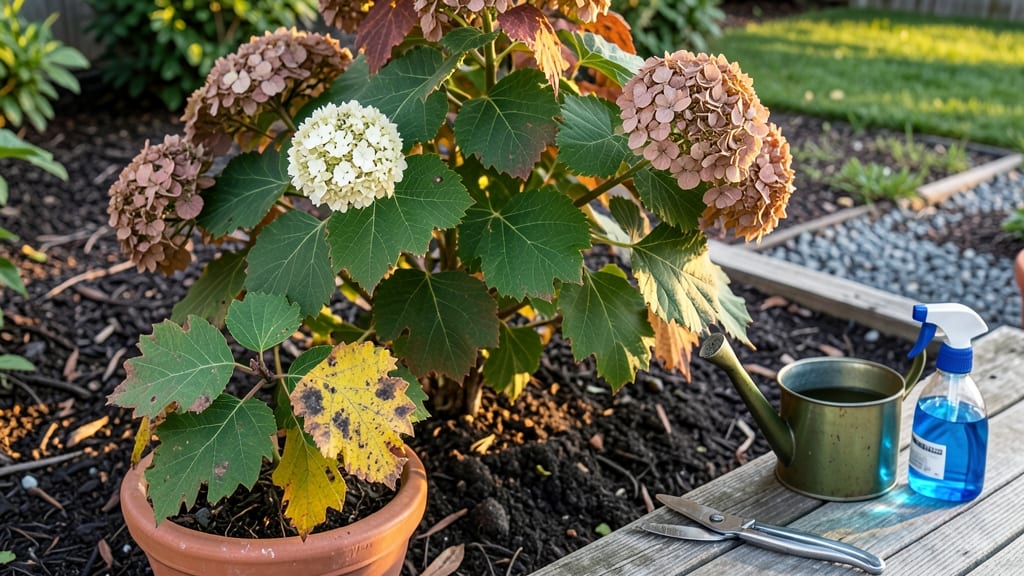
Oakleaf hydrangea problems like yellowing leaves and stunted growth can turn your prized shrub into a sad, scraggly mess—but I’ve fixed mine using simple, natural fixes that actually work. 🌿 The good news?
Most issues stem from three common culprits: watering mistakes, hidden pests, or soil that’s either too hungry or too acidic. Once you spot the signs (like those telltale yellow patches or slow new growth), you can turn things around in just a few weeks.
Here’s the thing—aphids and scale insects love oakleaf hydrangeas, and their sticky residue can stunt growth faster than you’d think. But before you reach for harsh chemicals, try a foolproof spray of 1 part dish soap to 1 quart of water—it smothers pests without harming bees or butterflies.
Overwatering or poor drainage also causes roots to suffocate, leading to those dreaded yellow leaves. My plants bounced back within 2 weeks after I adjusted my watering schedule and added a 2-inch layer of mulch to lock in moisture.
You’ll see the difference in just a few weeks: vibrant green leaves, bushier stems, and blooms that last all summer. The key is acting fast—once the roots or pests get too far gone, recovery takes longer.
Start with a soil test to check the pH (oakleaf hydrangeas thrive in 5.5–6.2), then adjust with garden lime or sulfur if needed. Trust me, your hydrangea will thank you.
Works for both in-ground plants and containers, and the fixes scale from small patio shrubs to full-size garden specimens. Let’s get those leaves lush and those blooms back in full force—naturally.
Root Causes Behind Struggles
Oakleaf hydrangeas (Hydrangea quercifolia) are prized for their stunning foliage and vibrant blooms, but when they start showing signs of distress—like yellowing leaves, stunted growth, or wilted stems—it’s often due to a mix of environmental factors, pests, or cultural mismanages.
Understanding the why behind these issues is the first step to restoring your plant’s health. Let’s break down the most common culprits and the science behind them.
Oakleaf hydrangeas thrive in USDA Zones 5–9, but they’re particularly sensitive to rapid temperature changes, especially when exposed to late spring frosts or early fall freezes. Here’s why it causes problems:
- Cold Damage: Temperatures below 20°F (-6°C) can cause cellular damage in leaves and stems, leading to browning or yellowing. This happens because ice crystals form within plant tissues, rupturing cell walls and disrupting nutrient flow. 🌱💥
- Heat Stress: While hydrangeas tolerate heat, prolonged exposure to 90°F+ (32°C+) without adequate moisture causes transpiration stress. The plant’s stomata (pores) close to conserve water, but this also blocks gas exchange, leading to chlorosis (yellowing) as chlorophyll breaks down.
- Sunburn: Oakleaf hydrangeas prefer partial shade. Direct afternoon sun in hot climates can scorch leaves, causing necrotic (dead) patches that start as yellow or white before turning crispy.
Pro Tip: 🌡️ Monitor your local frost dates and use row covers or mulch to insulate roots in winter. In summer, provide morning sun + afternoon shade and deep watering to mitigate heat stress.
Hydrangeas have shallow but extensive root systems, making them vulnerable to both drought and waterlogging. Here’s the science:
| Issue | Why It Happens | Visual Clues |
|---|---|---|
| Underwatering | Oakleaf hydrangeas need 1–1.5 inches (2.5–4 cm) of water weekly. When soil dries out, roots can’t absorb nutrients or oxygen, leading to: |
|
| Overwatering | Soggy soil depletes oxygen in the root zone, causing: |
|
| Poor Drainage | Hydrangeas hate sitting in wet feet. Compacted or clay-heavy soil traps water, leading to anaerobic conditions that: |
|
Pro Tip: 💡 Test your soil’s drainage by digging a 12-inch hole, filling it with water, and timing how long it takes to drain. If it’s more than 6 hours, amend with compost or sand. Use drip irrigation to deliver water slowly at the base, avoiding wetting foliage (which spreads disease).
Aphids, spider mites, and scale insects are sap-sucking pests that drain nutrients from oakleaf hydrangeas, leading to yellowing, curled leaves, and stunted blooms. Here’s how they wreak havoc:
- Aphids: These pear-shaped insects inject toxic saliva into leaves, disrupting photosynthesis. Their honeydew secretions also attract sooty mold, a black fungus that smothers foliage. 🐜🍯
- Spider Mites: In dry conditions, these microscopic arachnids puncture cells to suck out fluids, causing stippling (white/yellow dots) and webbing. Severe infestations lead to premature leaf drop.
- Scale Insects: These shelled pests latch onto stems and leaves, sucking sap and excreting sticky honeydew. Their feeding weakens the plant, making it susceptible to fungal infections.
Pro Tip: 🔥 Inspect undersides of leaves and new growth for pests. Blast them off with a strong spray of water or use neem oil (a natural insecticide that disrupts their life cycle). Introduce ladybugs or lacewings (beneficial predators) to keep populations in check.
Oakleaf hydrangeas prefer acidic to neutral soil (pH 4.5–6.5), but imbalances in nutrients or pH can trigger yellowing and poor growth. Here’s the breakdown:
- Nitrogen Deficiency: Leaves turn pale yellow (especially older ones) because nitrogen is mobile in plants—when scarce, the plant “steals” it from lower leaves. This happens in poor soil or over-fertilizing with phosphorus/potassium.
- Iron Chlorosis: Yellow leaves with green veins signal iron deficiency, often caused by:
- High pH (>7.0): Iron becomes unavailable to roots in alkaline soil.
- Compacted Soil: Roots can’t access iron deposits deep in the earth.
- Over-Fertilizing: Excess salts from fertilizers burn roots, causing yellowing and leaf drop. Symptoms mimic underwatering but occur even when soil is moist.
Pro Tip: 🌡️ Test your soil’s pH with a home kit or send a sample to a local extension office. For chlorosis, add chelated iron (like iron sulfate) or sulfur to lower pH. Use
Quick Fixes for Oakleaf Hydrangea Woes
When your oakleaf hydrangea starts showing signs of distress—whether it’s yellowing leaves, stunted growth, or pesky aphids—don’t panic! With the right approach, you can nurse it back to health and keep it thriving. Below are practical, step-by-step solutions tailored to common issues, along with prevention tips to avoid future problems.
Yellow leaves are often a cry for help, but the fix depends on the root cause.
🔥 If Overwatering Is the Culprit Oakleaf hydrangeas hate soggy roots.
Here’s how to drain the excess moisture: - 👨🍳 Stop Watering Immediately – Let the top 2-3 inches of soil dry out before watering again. - 🥘 Improve Drainage – Mix in compost or perlite to aerate the soil, or repot into a container with drainage holes if planted in the ground. - ⏰ Water Deeply but Less Often – Water only when the top inch of soil feels dry (stick your finger in to check!). - 🌡️ Check for Root Rot – Gently dig around the roots (if possible) to see if they’re mushy or black.
Trim any rotten roots with sterilized scissors and replant in fresh, well-draining soil.
💡 Prevention Tip: Mulch around the base (but not touching the stem) to retain moisture without suffocating roots. Use pine bark or shredded leaves for a natural barrier.
🍳 If Underwatering Is the Issue
Drooping or crispy yellow edges? Your hydrangea is thirsty! - 💦 Water Slowly and Deeply – Aim for 1-1.5 inches per week (more in extreme heat).
Use a soaker hose to avoid wetting the foliage. - 🌧️ Adjust Your Schedule – Early morning watering prevents evaporation. Avoid evening watering to reduce fungal risks. - 🥗 Monitor Soil Moisture – Stick a moisture meter in the soil or do the finger test.
If it’s bone-dry below the surface, it’s time to water.
✨ Pro Tip: Group hydrangeas with other thirsty plants (like azaleas or camellias) to create a micro-climate that retains humidity.
Aphids love oakleaf hydrangeas, but you don’t need harsh chemicals to kick them out.
🔪 Manual Removal (Best for Small Infestations)
- 👨🍳 Blast Them Off – Spray aphids with a strong stream of water from a hose to dislodge them.
- 🍳 Handpick & Squish – Wear gloves and crush clusters between your fingers (gross but effective!).
🌿 Homemade Sprays (Safe & Effective)
Mix one of these in a spray bottle and apply to both sides of leaves (especially where aphids cluster): - 🥘 Soapy Water Spray – 1 tsp mild liquid soap + 1 quart water.
Test on a small leaf first to avoid burning. - 🌡️ Neem Oil Solution – 1 tbsp neem oil + 1 tsp soap + 1 quart water.
Spray every 5-7 days until aphids vanish. - 🎯 Garlic Spray – Blend 3 garlic cloves + 1 quart water, strain, and add 1 tsp cayenne pepper for extra punch.
💡 Prevention Tip: Encourage ladybugs and lacewings—their natural predators! Plant dill, fennel, or marigolds nearby to attract them.
If your hydrangea is growing slower than a sloth, it’s likely nutrient-deficient or stressed.
📊 Soil & Fertilizer Adjustments
- 💪 Test Your Soil – Oakleaf hydrangeas prefer acidic soil (pH 5.0-6.0).
Use a home soil test kit or send a sample to a local extension office. - 🥗 Feed with Acid-Loving Fertilizer – Use a hydrangea-specific fertilizer (high in iron and micronutrients) or cottonseed meal for organic acidity. - 🍎 Mulch with Pine Needles – Spread a 2-3 inch layer around the base (keep it 6 inches away from the stem) to slowly acidify the soil.
🌿 Pruning for Healthier Growth
- ⏰ Prune in Late Winter/Early Spring – Cut back dead or crossing branches to encourage new growth.
- 🔪 Avoid Over-Pruning – Oakleaf hydrangeas flower on old and new wood, so don’t trim more than 1/3 of the plant at once.
🔥 Quick Fix: If growth is severely stunted, transplant to a sunnier spot (they need morning sun + afternoon shade).
Once you’ve revived your hydrangea, keep it happy with these easy maintenance habits:
- 🌧️ Water Consistently – Avoid letting soil dry out completely or stay soggy.
- 🍃 Monitor for Pests – Check undersides of leaves weekly for aphids, spider mites, or scale.
- 🌿 Mulch Annually – Refresh mulch in early spring to lock in moisture and nutrients.
- 📅 Prune Regularly – Remove wilted blooms in early summer to encourage more flowers.
Final Thought: Oakleaf hydrangeas are tough once you get their care routine right—they’ll reward you with vibrant foliage and stunning blooms for years. 🌿✨ Start with one fix at a time, and soon your hydrangea will be back to its glorious, healthy self!
Frequently asked questions
Why are my oakleaf hydrangea leaves turning yellow?
Yellowing leaves usually signal overwatering, nutrient deficiencies, or root issues. Check the soil—if it's soggy, you're likely suffocating the roots. For yellow leaves with green veins, it's often iron deficiency (common in alkaline soil). Test your soil pH and amend with chelated iron if needed.
How do I get rid of aphids on my oakleaf hydrangea?
Start with a strong water spray to dislodge them, then follow up with a soapy water solution (1 tsp mild soap per quart of water). For stubborn infestations, use neem oil spray (1 tbsp neem oil + 1 tsp soap per quart of water). Reapply every 5-7 days until they're gone. Ladybugs are natural predators—plant dill or marigolds nearby to attract them!
Can I prune my oakleaf hydrangea in summer?
Prune in late winter or early spring for best results, as oakleaf hydrangeas bloom on both old and new wood. If you must prune in summer, remove only dead or damaged branches—never cut more than 1/3 of the plant at once. This prevents shocking the plant and reduces next year's blooms.
Why isn't my oakleaf hydrangea blooming?
Lack of blooms often stems from poor sunlight, over-pruning, or nutrient deficiencies. Ensure it gets morning sun and afternoon shade, and avoid heavy pruning. Feed with acid-loving fertilizer in early spring, and mulch with pine needles to maintain soil acidity. If it's been years since blooming, it may need a rejuvenation prune in late winter.
How often should I water my oakleaf hydrangea?
Water when the top 1-2 inches of soil feel dry—typically 1-1.5 inches per week, more in extreme heat. Use a soaker hose for deep watering at the base, avoiding wet foliage (which spreads disease). Mulch helps retain moisture, but never let the soil stay soggy—hydrangeas hate "wet feet."