
Pests and Diseases
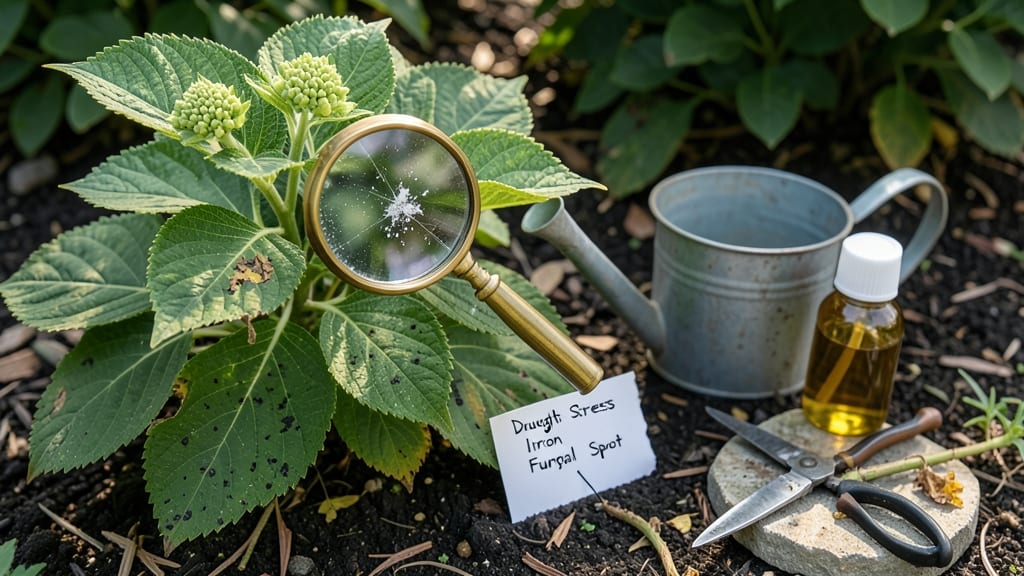
Seeing hydrangea leaf problems—yellowing, spots, or wilting—can feel like a death sentence for your prized shrubs, but it’s usually fixable. 🌿 I’ve nursed back more than a dozen hydrangeas from these exact symptoms, and the key is identifying why it’s happening before jumping to solutions.
Powdery mildew, bacterial leaf spot, and even overwatering all leave similar clues if you know what to look for.
The most common culprits are fungal infections (like powdery mildew or leaf spot), which thrive in damp, shady conditions, or pests such as spider mites that suck the life from leaves. Nutrient deficiencies—especially iron or magnesium—can also cause yellowing, while overwatering leads to brown, crispy edges.
The good news? Each issue has a targeted fix, from pruning for airflow to adjusting watering schedules or applying fungicides.
By the end of this, you’ll spot the exact problem in your hydrangea’s leaves and know whether to trim, spray, or simply adjust your care routine. Think of it as a diagnostic guide: match the symptom to the solution, and your hydrangeas will bounce back stronger than ever.
Let’s get those leaves looking lush again.
We’ll cover everything from quick fixes (like neem oil sprays) to long-term prevention (proper spacing and sunlight), so you can stop guessing and start growing. Even if your hydrangea looks like it’s already too far gone, there’s a good chance it’s just waiting for the right care.
Root Causes of Hydrangea Leaf Issues
Hydrangeas are stunning, but their leaves can tell a silent story of trouble—whether it’s unsightly yellowing, mysterious spots, or sudden wilting. Understanding the why behind these symptoms is the first step to saving your plants. Let’s break down the science behind the most common culprits.
---
Hydrangeas thrive in specific conditions, and when those needs aren’t met, their leaves react. Temperature swings, improper sunlight, or extreme humidity can all trigger stress responses.
- Too Much Sun or Heat 🔥 Hydrangeas prefer partial shade (4–6 hours of morning sun). When exposed to intense afternoon sunlight, especially in hot climates, leaves can scorch.
This causes brown, crispy edges or bleached patches—a condition called sunburn. The plant’s chlorophyll breaks down under UV stress, leading to oxidative damage in cells.
- Cold Damage or Frost While some hydrangeas (like Oakleaf or Panicle types) tolerate light frost, mophead and lacecap varieties are more sensitive. Temperatures below 20°F (-7°C) can cause blackened, mushy leaves due to cold-induced cell rupture.
Even late spring frosts can shock new growth, leading to yellowing or curling.
- Wind Burn Strong, drying winds strip moisture from leaves faster than roots can replace it. This leads to brown, papery edges (similar to sunburn) and premature leaf drop. Hydrangeas in exposed garden beds or near driveways are most at risk.
---
Water is the lifeblood of hydrangeas, but too much or too little throws their system into chaos.
- Overwatering & Root Rot Hydrangeas hate soggy soil. When roots sit in waterlogged conditions, they suffocate due to lack of oxygen, leading to root rot (caused by fungi like Phytophthora).
Symptoms include: - Yellowing leaves (chlorosis) from poor nutrient uptake. - Wilting despite wet soil (roots can’t absorb water). - Black, mushy stems when the disease spreads.
- Underwatering & Drought Stress Hydrangeas need consistent moisture, especially in well-draining soil.
When drought strikes: - Leaves curl inward to conserve moisture. - Edges turn brown and crispy (a sign of plasmolysis, where cells lose water and shrink). - Premature leaf drop occurs as the plant prioritizes survival over foliage.
- Improper Drainage If planted in clay-heavy or compacted soil, water pools around roots, even if you’re not overwatering. This creates the same anaerobic conditions as overwatering, leading to root rot and nutrient deficiencies.
---
Hydrangeas are prone to pathogen attacks, especially in humid or rainy seasons. These microbes exploit weak spots (like stress from poor care) to invade.
- Powdery Mildew (Fungal) A white, powdery coating on leaves? That’s Erysiphe fungi thriving in high humidity (70%+) and poor airflow. It blocks sunlight, causing: - Yellowing between veins. - Premature leaf drop. - Stunted growth as the plant diverts energy to defense.
- Leaf Spot Diseases (Bacterial or Fungal) Black, brown, or yellow spots with halos? These are often caused by: - Alternaria (fungal) – Thrives in wet, warm conditions. - Pseudomonas (bacterial) – Spreads via splashing water or contaminated tools.
Symptoms include spots that enlarge and drop out, leaving shotgun-like holes in leaves.
- Botrytis Blight (Gray Mold) A woolly, gray fungus that attacks wilting or damaged leaves. It spreads in cool, damp weather and causes: - Brown, mushy spots that spread rapidly. - Blackened flower buds (if severe). - Leaf drop as tissues die.
---
Tiny invaders can sap nutrients, spread disease, or physically damage leaves, leading to decline.
- Aphids & Spider Mites - Aphids (tiny green/black bugs) pierce leaves, sucking sap and excreting sticky honeydew (which attracts sooty mold). - Spider mites (red/yellow specks on undersides) create fine webbing and cause stippled, yellowing leaves due to cell damage.
- Japanese Beetles These iridescent green beetles skeletonize leaves—eating only the soft tissue between veins. Heavy infestations lead to: - Lacy, white leaves (like a window screen). - Stunted growth from lost photosynthetic area.
- Scale Insects These brown, shell-like pests attach to stems/leaves and drink sap, causing: - Yellowing leaves (nutrient theft). - Black sooty mold (from honeydew). - Sticky residue on foliage.
---
Hydrangeas are heavy feeders, and soil imbalances lead to tell-tale leaf symptoms.
- Iron Deficiency (Chlorosis) Yellow leaves with green veins? This is iron chlorosis, common in: - Alkaline soil (pH > 7.0) – Iron becomes unavailable to roots. - Compacted or waterlogged soil – Roots can’t access nutrients. - Over-fertilization with lime – Raises pH further.
- Magnesium Deficiency Yellow patches between veins (but not the veins themselves) signal magnesium lack. This nutrient is crucial for chlorophyll production and is often washed out by overwatering or heavy rainfall.
- Nitrogen Deficiency Pale green or yellow leaves (starting at the older, lower leaves) mean your hydrangea is starving for nitrogen.
This macronutrient is vital for leaf growth, and deficiencies occur with: - Poor soil organic matter. - Over-pruning (removing too much foliage). - No spring fertilization.
--- 💡 Pro Tip: Always test your soil (pH and nutrient levels) before diagnosing deficiencies—many symptoms overlap! A simple home soil kit or lab test can save guesswork.
Fixing Foliage Fails in Hydrangeas
Revitalizing your hydrangea’s leaves starts with pinpointing the root cause—and then taking swift, targeted action. Whether your plants are battling fungal foes, pest invasions, or environmental stressors, these practical fixes will help restore their lush, vibrant appearance.
Below, we’ve mapped out step-by-step solutions for each common issue, plus prevention tips to keep your hydrangeas thriving long-term.
---
Causes: Powdery mildew, leaf spot, or rust fungi thrive in damp, shaded conditions. Fix It: ✅ 🔥 Prune & Remove Infected Leaves - Snip off yellow or spotted leaves with sterilized pruners (wipe with rubbing alcohol between cuts). - Dispose of debris in the trash—not your compost pile—to prevent reinfection.
✅ 🍳 Fungicide Spray (DIY or Store-Bought) - Baking soda spray: Mix 1 tsp baking soda + 1 tbsp vegetable oil + 1 tsp dish soap + 1 gallon water.
Spray every 7–10 days until symptoms fade. - Neem oil or copper fungicide: Apply weekly for severe cases (follow label instructions).
✅ 🌡️ Improve Airflow & Light - Thin out dense foliage to reduce humidity around leaves. - Move plants to partial sun (4–6 hours/day) if they’re in deep shade.
💡 Prevent Relapse: - Water at the base (avoid overhead spraying). - Space plants 3–4 feet apart for better circulation.
---
Causes: Aphids, spider mites, slugs, or Japanese beetles feast on hydrangea leaves. Fix It: ✅ 👨🍳 Blast Off Pests (Manual Removal) - Aphids/spider mites: Spray leaves with soapy water (1 tsp mild soap + 1 quart water). Repeat every 3–4 days. - Slugs/snails: Set beer traps (bury a shallow dish filled with beer) or use iron phosphate bait (pet-safe).
✅ 🔪 Introduce Natural Predators - Ladybugs (for aphids) or nematodes (for grubs) can be purchased online. - Birds & lizards love munching on beetles—encourage them with a small water feature!
✅ 🥘 Neem Oil or Insecticidal Soap - Mix 2 tsp neem oil + 1 tsp castile soap + 1 quart water. Spray early morning or late evening (avoid direct sun).
💡 Prevent Future Infestations: - Inspect new plants before bringing them home. - Use row covers if beetles are a recurring issue.
---
Causes: Too much or too little water disrupts nutrient uptake, leading to wilting, yellowing, or brown edges. Fix It: ✅ 🌧️ Check Soil Moisture First - Stick your finger 1 inch into the soil: - Too dry? Water deeply until it drains from the bottom. - Soggy? Let soil dry out slightly—hydrangeas hate "wet feet."
✅ ⏰ Adjust Your Watering Schedule - Morning watering (6–8 AM) reduces evaporation and fungal risk. - Mulch heavily (3–4 inches of shredded bark or pine needles) to retain moisture.
✅ 📊 Drainage Check - If your pot has no drainage holes, repot immediately. - For in-ground plants, amend clay soil with compost or perlite.
💡 Prevent Water Woes: - Group hydrangeas with similar water needs. - Use a moisture meter for precise readings (especially in clay pots).
---
Causes: Sudden heat, cold snaps, or windburn scorch leaves. Fix It: ✅ 🌿 Provide Temporary Shade - Use shade cloth (30–50%) for new transplants or during heatwaves. - Move potted hydrangeas to a sheltered spot if frost is forecasted.
✅ 💦 Hydrate & Fertilize for Recovery - Deep-water stressed plants and add balanced fertilizer (10-10-10) to boost resilience. - Avoid high-nitrogen fertilizers—they encourage tender new growth that burns easily.
✅ 🌡️ Mulch for Temperature Protection - Apply 4–6 inches of mulch in late fall to insulate roots from freezing temps.
💡 Prevent Future Damage: - Acclimate plants gradually to full sun (harden off for 1–2 weeks). - Choose cold-hardy varieties (e.g., ‘Endless Summer’ or ‘Annabelle’) for your climate zone.
--- | Season | Task | Why It Helps | |------------|----------|------------------| | Spring | Prune dead wood + apply fungicide preventative spray | Encourages airflow and stops fungal spores early. | | Summer | Mulch & water deeply weekly | Prevents soil crusting and root stress. | | Fall | Fertilize with slow-release granules | Builds root strength for winter. | | Winter | Wrap pots in burlap (if temps drop below 20°F) | Protects roots from freeze-thaw cycles. |
--- Final Tip: 🎯 Act fast—the sooner you address leaf problems, the quicker your hydrangeas bounce back. With these fixes, your plants will be flaunting glossy, pest-free foliage in no time! 🌿✨
Frequently asked questions
Why are my hydrangea leaves turning yellow with green veins?
This classic sign points to iron chlorosis, often caused by alkaline soil (pH > 7.0) or poor drainage. Hydrangeas struggle to absorb iron in these conditions. Test your soil and amend with chelated iron or sulfur to lower pH. For containers, use acid-loving plant mix.
What should I do if I see white powdery spots on my hydrangea leaves?
That’s powdery mildew, a fungal infection thriving in humid, shady conditions. Prune infected leaves immediately and spray with a baking soda mix (1 tsp baking soda + 1 tbsp oil + 1 tsp soap per gallon of water). Improve airflow by spacing plants 3–4 feet apart and avoid overhead watering.
Can I save my hydrangea if the leaves are already brown and crispy?
It depends! If the edges are brown but leaves stay firm, it’s likely underwatering or sunburn—deep watering and afternoon shade may revive it. However, if leaves are mushy or black, root rot has set in, and the plant may not recover. In this case, prune back healthy stems and repot with fresh, well-draining soil.
How often should I fertilize hydrangeas to prevent leaf problems?
Feed once in early spring (use a balanced 10-10-10 fertilizer) and again in mid-summer with a low-nitrogen, high-phosphorus formula (5-10-10) to encourage blooms. Over-fertilizing—especially with nitrogen—can lead to soft, sappy growth that attracts pests. Always water deeply after fertilizing.
Are there any natural remedies for hydrangea leaf spots?
Yes! For fungal leaf spots, mix 1 quart water + 1 tbsp neem oil + 1 tsp castile soap and spray leaves every 7–10 days until new growth appears. For bacterial spots, remove infected leaves and apply copper fungicide as a preventative. Always sterilize pruners with rubbing alcohol between cuts.