
Pests and Diseases
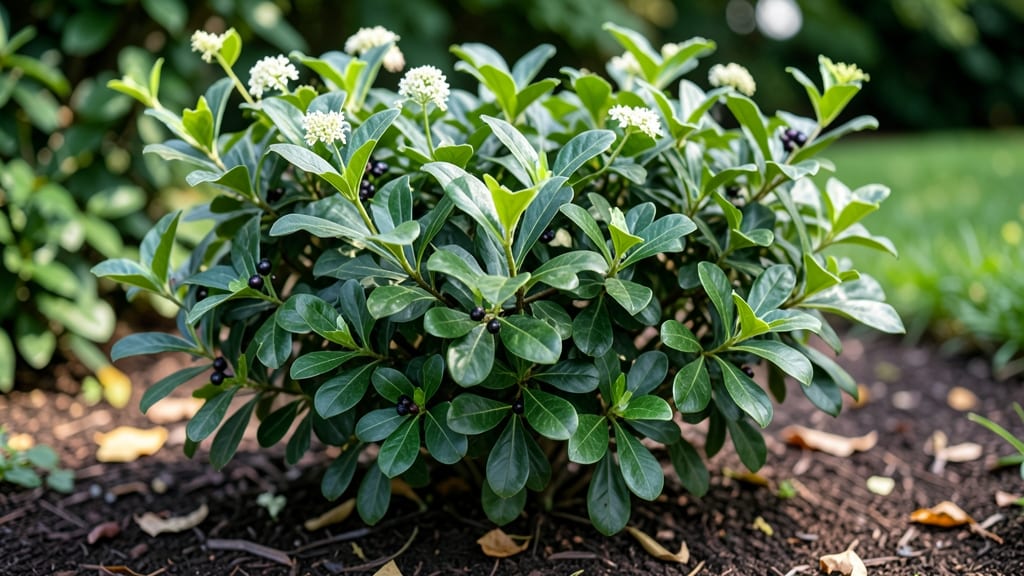
Your Ligustrum wavy leaf could be the star of your landscape—if you prune it right. ✂️ I’ve turned my once-ragged shrubs into year-round foliage showstoppers with just a few strategic cuts, and the secret isn’t complicated.
The key is timing: prune in late winter or early spring before new growth starts, and you’ll encourage those signature wavy leaves to stay lush and compact all season.
This shrub thrives in full sun to partial shade and tolerates most soils, but it rewards you when you give it well-draining soil and moderate water—no soggy roots, no drought stress. Once established, it’s shockingly low-maintenance, making it perfect for busy gardeners who still want drama.
The real magic happens when you shape it: prune for a rounded form, or let it grow naturally for a more relaxed, natural look.
By summer, you’ll have a shrub that stays vibrant green even in winter, with glossy leaves that catch the light like polished jade. The best part? It’s deer-resistant and handles urban pollution better than most shrubs, so it’s tough enough for city gardens too.
Just avoid heavy pruning in late summer—you’ll stunt next year’s growth.
Whether you’re shaping a hedge or a standalone specimen, this pruning guide will give you the confidence to sculpt your Ligustrum into something truly special. Let’s get those shears ready!
📚 In This Guide
- What you need
- Instructions
- Tips and common mistakes
- Wrapping up and next steps
What you need
- ● Pruning shears: Bypass pruners (sharp, clean, and disinfected—think Felco F-2 or Fiskars models). Size: 6-8" for medium branches.
- ● Loppers: For thicker branches (1-2" diameter). Example: Gonicc GL-2 (ratcheting for ease).
- ○ Pruning saw: Optional but handy for stubborn, woody stems (e.g., Fiskars X7).
- ● Gloves: Heavy-duty, cut-resistant (e.g., Worthington Industrial) to protect from thorns.
- ● Disinfectant: 70% isopropyl alcohol or bleach solution (1 part bleach : 9 parts water) to sterilize tools.
- ○ Pruning sealant: Optional (e.g., Tanglefoot Tree Wound Pruning Seal) for large cuts to prevent disease.
- ● Ladder: Aluminum extension ladder (20-24 ft) if your ligustrum is tall (e.g., Werner or Louisville brands). Safety first!
- ● Trash bags: Heavy-duty (30-gallon) for debris disposal.
- ● Notebook/pencil: To log cuts, dates, and growth notes.
- ● Weather check: Prune on a dry, overcast day (avoid midday heat).
- ● Tool sharpening: Hone shears/loppers with a file or whetstone for clean cuts.
- ● Safety gear: Safety glasses and long sleeves to protect from branches/sap.
- ● Plant health assessment: Inspect for pests/diseases (e.g., scale, powdery mildew) before pruning. Treat if needed!
- ● Water: A hose or bucket to rinse tools between cuts (keeps sap from clogging blades).
Step-by-step guide to pruning ligustrum wavy leaf for lush growth
This method keeps your shrub dense, vibrant, and full of that signature wavy texture all year.
✂️ Step 1: Time Your Pruning for Optimal Growth
Prune ligustrum wavy leaf late winter to early spring, just as new growth begins but before buds break. This timing ensures you remove dead wood while encouraging fresh, wavy foliage to emerge. Avoid pruning in fall—new growth won’t harden off before winter, leaving it vulnerable to frost damage.
If you notice leggy growth or sparse areas mid-season, do a light shaping trim in early summer—just enough to maintain the shrub’s form without stimulating excessive late-season growth. I always check for dormant buds along stems before cutting; these indicate where new branches will form.
✂️ Step 2: Remove Dead, Diseased, or Crossing Branches First
Start by inspecting the shrub for dead wood—branches that snap easily or have no green bark. Cut these back to the main stem at a 45-degree angle, about ¼ inch above a healthy bud. This prevents water from pooling and causing rot.
Next, remove any branches rubbing against others or growing inward. These compete for sunlight and can create entry points for pests. I like to step back and visualize the shrub’s natural shape—anything disrupting that flow gets the cut. Use sharp, clean pruners to make smooth cuts; jagged edges slow healing and invite disease.
✂️ Step 3: Shape the Shrub for Density and Fullness
Ligustrum wavy leaf thrives when pruned to encourage a compact, bushy form. Start by cutting back the longest branches by one-third to stimulate branching. Focus on the outer edges first—this opens up the center for airflow and light penetration, which prevents fungal issues.
For a more formal look, trim branches to create clean lines, but leave some natural irregularity to highlight the wavy foliage. I usually work in layers, starting with the top and moving downward. Watch for new growth emerging from old wood—this is your signal the shrub is responding well. Avoid over-pruning; ligustrum is resilient but won’t bounce back from severe cuts.
✂️ Step 4: Thin Out Overcrowded Areas for Airflow
If your ligustrum has thick, dense growth, selectively remove some branches to improve airflow. Aim to leave 3-4 inches of space between branches—this reduces humidity buildup and fungal risks. Focus on the inner branches first, as they often get shaded out and lose their wavy texture.
I like to step back frequently to check for balance. If one side looks sparser, prune the opposite side slightly more to encourage even growth. Ligustrum responds well to this approach, filling in gaps naturally over time. Avoid removing more than 25% of the shrub’s foliage in one session—this can stress the plant and reduce flowering.
✂️ Step 5: Clean Up and Maintain Year-Round
After pruning, rake up and dispose of all clippings—never leave them beneath the shrub, as they can harbor pests and diseases. Sterilize your pruners with rubbing alcohol between cuts to prevent spreading pathogens. This is especially important if your ligustrum shows signs of powdery mildew or leaf spot.
Throughout the year, do light touch-ups to maintain shape and remove any water sprouts (fast-growing, weak branches). I also fertilize in early spring with a balanced, slow-release fertilizer to support the new growth you’ve encouraged. With consistent pruning, your ligustrum wavy leaf will stay lush, dense, and full of that dramatic foliage all season long.
Tips & tricks for perfect ligustrum wavy leaf pruning
Transforming your ligustrum into a lush, dramatic statement piece starts with these insider tricks that go beyond the basics.
Timing is Everything: The late winter to early spring window is non-negotiable for that signature wavy texture. I've learned this the hard way—pruning too early can leave your shrub vulnerable to frost damage, while waiting too late risks cutting off next year's growth. Mark your calendar for when buds begin to swell but haven't yet broken open. For mid-season touch-ups, early summer is your best bet to maintain shape without stimulating late-season growth that won't harden off properly.
The 45-Degree Angle Secret: When removing dead wood in Step 2, that precise 45-degree cut isn't just aesthetic—it's functional. Cutting at this angle creates a larger wound surface that heals more quickly, while the quarter-inch clearance above the bud ensures new growth emerges from the right spot. I always test my pruners on a scrap piece of wood first to get the angle perfect before making my first cut on the ligustrum.
Visualizing the Shrub's Natural Shape: Step back frequently during pruning to check your progress. The ligustrum's wavy foliage should guide your cuts—think of it like sculpting. I often use a garden hose to outline the shrub's natural shape before making any cuts. This helps me visualize where branches need to be removed to maintain that signature dramatic texture while keeping the center open for airflow. Remember, you're not just pruning—you're creating an artistic statement.
Seasonal Maintenance Strategy: After your major pruning sessions, schedule quarterly light maintenance checks to remove water sprouts and maintain shape. I keep a small pair of pruners in my gardening toolbox specifically for these touch-ups. The key is to work with the plant's natural growth patterns rather than against them—this ensures your ligustrum maintains its wavy texture and density throughout the year.
Pro Tips for Ligustrum Wavy Leaf
- Transforming your ligustrum into a lush, dramatic statement piece starts with these insider tricks that go beyond the basics.
- Timing is Everything: The late winter to early spring window is non-negotiable for that signature wavy texture.
- The 45-Degree Angle Secret: When removing dead wood in Step 2, that precise 45-degree cut isn't just aesthetic—it's functional.
Frequently asked questions
Got questions about keeping your Ligustrum wavy leaf thriving with stunning year-round foliage? You’re not alone!
Here are answers to the most common concerns—from pruning timing to pest troubleshooting—so you can enjoy that lush, wavy drama without the guesswork.
When is the best time to prune Ligustrum wavy leaf for maximum growth?
Prune your Ligustrum wavy leaf in late winter or early spring (just before new growth starts) to encourage dense, bushy foliage. Light shaping can also happen in summer, but avoid heavy cuts then—it stresses the plant. For formal hedges, prune twice a year: once in spring and again in mid-summer.
How do I fix leggy or sparse growth in my Ligustrum wavy leaf?
Leggy growth usually means too little light or over-pruning. Move your plant to full sun (6+ hours/day) and prune back 1/3 of the oldest stems to stimulate new, bushier growth. Fertilize lightly with balanced 10-10-10 in spring to boost vigor. If the issue persists, check for root-bound roots—repot if needed!
What pests or diseases should I watch for in Ligustrum wavy leaf?
The most common threats are aphids, spider mites, and scale insects, which thrive in dry conditions. Treat with neem oil or insecticidal soap for mild infestations. Fungal issues like powdery mildew (white dust on leaves) can occur in humid climates—improve airflow and apply fungicide if needed. Prevention tip: Prune for airflow and water at the base (not overhead).
Can I prune Ligustrum wavy leaf in fall or winter? What are the risks?
Pruning in fall or late winter is risky because it removes protective foliage just as cold snaps hit. If you must prune in winter, do it mildly (only to remove dead/diseased wood) and avoid heavy cuts. Spring pruning is ideal—it lets the plant recover before summer heat. Pro tip: Wait until temps consistently stay above 50°F (10°C).
Are there alternatives to Ligustrum wavy leaf for low-maintenance hedges?
If you love Ligustrum wavy leaf but want even lower maintenance, consider:
- Boxwood (Buxus) – Dense, evergreen, but needs regular pruning.
- Cherry Laurel (Prunus laurocerasus) – Fast-growing, pest-resistant, and handles pruning well.
- Holly (Ilex) – Thorny (deters pests) and drought-tolerant once established.
- Abelia (Abelia x grandiflora) – Semi-evergreen with glossy leaves and fragrant blooms.
Wrapping up and next steps
Mastering the art of pruning your ligustrum wavy leaf is all about patience, timing, and a little green-thumb confidence! 🌿 With the right tools and techniques, you’ll keep your shrub lush, healthy, and full of that stunning wavy foliage year after year.
Whether you’re trimming for shape, health, or seasonal renewal, remember: consistency is key—and your efforts will pay off in a stunning, evergreen display.
Ready to take the next step? Grab those pruners and start shaping! If you’re still unsure about a tricky cut, snap a photo and consult a local nursery pro for personalized advice. Happy pruning—your ligustrum is about to shine brighter than ever! ✨