
Pests and Diseases
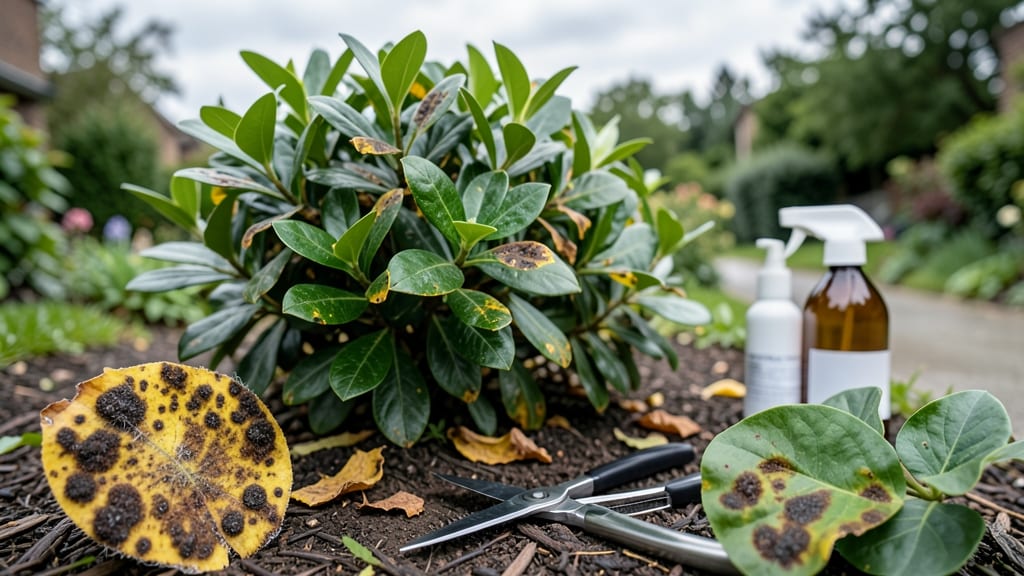
Ligustrum leaf spot turns your glossy shrubs into a sad, spotted mess—until you know how to fight back. 🌿 I’ve watched this fungal disease transform healthy privet hedges into brown, crunchy shadows, but the right organic sprays and pruning tricks can bring them roaring back to life.
The key is acting fast when you spot those telltale dark spots with yellow halos.
The problem starts with wet foliage, poor air circulation, or overcrowded plants—perfect conditions for fungal spores to throw a party. Rainy springs and summers make it worse, but even well-watered ligustrums can get hit if you’re not pruning regularly.
The good news? You don’t need harsh chemicals to win this battle. A mix of copper fungicide, neem oil, and proper pruning can save your shrubs without harming pollinators.
Within 2-3 weeks of treatment, you’ll see fresh green leaves pushing through, and the spots will stop spreading. The secret is consistency: spray after rain, thin out dense branches for airflow, and clean up fallen leaves.
Your ligustrum won’t just survive—it’ll thrive like the sturdy, low-maintenance shrub it’s meant to be.
Works for all ligustrum varieties, from glossy privet to wax leaf types. Here’s exactly how to diagnose, treat, and prevent it for good—no more sad, spotted shrubs in your landscape.
Fungal Foes Behind Leaf Spots
Ligustrum leaf spot isn’t just an eyesore—it’s a telltale sign that your shrub is under siege by fungal pathogens. These microscopic invaders thrive in specific conditions, turning vibrant foliage into a patchwork of unsightly brown or black spots.
Understanding the root causes helps you tackle the problem before it spreads. Let’s break down the key culprits and why they target your ligustrum.
The primary drivers of leaf spot on ligustrum are fungi, with Cercospora and Septoria being the most common offenders. These fungi spread via spores, which hitchhike on wind, water, or even garden tools.
Once they land on susceptible leaves, they germinate under the right conditions, forming lesions that disrupt the plant’s ability to photosynthesize.
💡 Pro Tip: Early morning dew or overhead irrigation creates a humid microclimate—perfect for fungal spores to germinate and infect leaves.
Fungi love moisture, and ligustrum leaf spot flourishes when leaves stay wet for extended periods. Overhead watering (especially late in the day) soaks foliage, giving spores a direct route to infect stomata—the tiny pores on leaves.
Poor soil drainage exacerbates the issue by keeping roots waterlogged, weakening the plant’s defenses and creating ideal fungal breeding grounds.
🌡️ Key Factor: Fungal spores need 12–24 hours of leaf wetness to infect your ligustrum. If your watering routine keeps leaves damp overnight, you’re basically rolling out the red carpet for fungi.
Ligustrum thrives in open spaces with good airflow, but when shrubs are overcrowded or stressed (due to drought, poor soil, or nutrient deficiencies), their natural defenses weaken.
Fungal spores exploit these gaps, latching onto vulnerable leaves. Additionally, wounded tissue—from pruning cuts, hail, or pest damage—becomes an easy entry point for pathogens.
✨ Actionable Insight: Prune ligustrum in dry, sunny conditions (early morning) to minimize stress and reduce the risk of fungal infection. Always sterilize pruners with rubbing alcohol between cuts!
Fungal leaf spots peak during warm (60–85°F), humid conditions, which is why they’re so common in late spring and summer. These conditions accelerate spore production and germination.
Coastal regions, shaded gardens, and areas with high rainfall are particularly susceptible. Even a few days of prolonged humidity can trigger an outbreak if spores are already present.
📊 Data Point: Research shows Cercospora spores germinate most aggressively at 77–86°F with 90%+ humidity. If your area fits this profile, proactive care is a must.
Ligustrum with thick, dense growth traps moisture and limits airflow, creating a fungal paradise. Stagnant air prevents leaves from drying quickly, prolonging the window for spore infection. This is especially problematic in hedges or tightly pruned shrubs where branches rub together, causing micro-tears that fungi exploit.
🔥 Fix It Fast: Thin out overgrown branches to improve airflow. Aim for a 30–50% reduction in density—this isn’t about drastic pruning, but strategic openings to let sunlight and air circulate.
Armed with these insights, you can disrupt the fungal lifecycle before it takes hold. The next step? Organic sprays and pruning techniques to reclaim your ligustrum’s lush, spot-free glory.
Quick Fixes for Fungal Foliage Foes
Fungal leaf spots on your ligustrum don’t have to mean the end of your shrub’s lush green beauty. With the right approach, you can restore its health and prevent future outbreaks.
Below, we’ve mapped out practical, organic solutions tailored to the most common causes—so you can act fast and keep your plants thriving.
---
Fungal spores love damp, stagnant air. If your ligustrum is packed in too tightly or shaded excessively, it’s a breeding ground for leaf spot.
How to Fix It: - 🔪 Prune strategically: Trim back dense branches to improve airflow. Focus on the inner foliage where leaves overlap. - 🌿 Thin out nearby plants: Remove competing vegetation (like ivy or thick ground cover) within 2–3 feet of your ligustrum. - ⏰ Best time to prune: Early spring or late fall, when the plant isn’t actively stressed.
💡 Prevention Tip: Space new ligustrum plants at least 3–4 feet apart to reduce humidity buildup.
---
Leaf spot thrives in wet conditions. Overhead watering or soggy soil creates the perfect fungal buffet.
How to Fix It: - 👨🍳 Switch to drip irrigation: Water at the base (not the leaves) to keep foliage dry. - 🌡️ Water in the morning: This allows leaves to dry quickly, preventing prolonged moisture. - 🪴 Improve drainage: Amend heavy soil with compost or perlite to help excess water drain away.
🎯 Pro Tip: Avoid watering ligustrum after sunset—cool, damp evenings invite fungal growth.
---
If leaf spot has already set in, copper-based or neem oil sprays are your best organic defense.
How to Fix It: - 🍳 Mix a copper fungicide: Use copper sulfate (1 tsp per gallon of water) or a pre-mixed organic spray like Serenade Garden or Neem Bliss. - 🥘 Spray thoroughly: Coat both sides of leaves (especially undersides, where spores hide). - ⏰ Repeat every 7–10 days until new growth appears, then monthly for prevention.
✨ Extra Boost: Add 1 tsp baking soda + a drop of dish soap per gallon of water for a budget-friendly fungicide (test on a small leaf first).
--- Stressed plants are more susceptible to fungal attacks. A balanced diet strengthens their natural resistance.
How to Fix It: - 📊 Use a slow-release fertilizer: Opt for an organic 10-10-10 or fish emulsion in early spring. - 🥗 Avoid over-fertilizing: Too much nitrogen = softer leaves = more fungal targets. - 🍎 Boost with compost: Work 2–3 inches of compost into the soil annually for long-term health.
💡 Prevention Tip: Mulch with wood chips or straw (not plastic) to retain moisture without suffocating roots.
--- If more than 50% of leaves are affected, drastic action may be needed to save the plant.
How to Fix It: - 🔪 Prune infected branches: Cut back severely spotted leaves (don’t compost them—bag and discard). - 🌱 Consider propagation: If the root system is healthy, take cuttings from clean growth to grow a new, disease-free plant. - 🏡 Replace if necessary: If the shrub is beyond saving, remove it entirely to prevent spore spread to other plants.
🚨 Warning: Sterilize pruners with rubbing alcohol between cuts to avoid cross-contamination.
--- Stop leaf spot before it starts with these easy maintenance habits: - 🌿 Inspect monthly: Catch early signs (tiny brown spots) before they spread. - 🍂 Clean up fallen leaves: Rake and remove debris where spores hide. - 🌞 Ensure 6+ hours of sunlight: Ligustrum needs light to stay resilient. - 🌧️ Avoid late-season watering: Stop irrigating by mid-autumn to let foliage dry.
--- Final Thought: With pruning, smart watering, and organic sprays, your ligustrum can bounce back stronger than ever. The key is acting fast—don’t let leaf spot turn into a full-blown crisis! 🚀
Frequently asked questions about ligustrum leaf spot
What do ligustrum leaf spot symptoms look like?
Start with small, dark brown or black spots that develop yellow halos. As they spread, the spots may merge, causing leaves to yellow, brown, and eventually drop. Check the undersides of leaves—you’ll often find fungal spores there when spots appear.
Can I save my ligustrum if most leaves are already spotted?
Yes, but act fast! Prune out severely infected branches (don’t compost them) and apply copper fungicide or neem oil. If over 50% of leaves are affected, you may need to remove the plant entirely to prevent spreading spores to nearby shrubs.
Why does my ligustrum get leaf spot every year?
Recurring issues usually mean fungal spores overwinter in fallen leaves or soil. Improve airflow by thinning dense growth, water at the base (not overhead), and clean up leaf debris annually. A preventative copper spray in early spring can also help.
Is neem oil safe for treating ligustrum leaf spot?
Neem oil disrupts fungal growth while being gentle on plants. Mix 1 tbsp with 1 quart water and 1 tsp dish soap, then spray thoroughly (both leaf sides). Apply every 7-10 days during outbreaks, and monthly for prevention.
How can I prevent leaf spot in newly planted ligustrum?
Start with proper spacing (3-4 feet apart), use drip irrigation, and avoid overhead watering. Mulch with wood chips (not plastic) and fertilize lightly with compost. Prune for airflow in early spring, and inspect monthly for early signs.