
Shrubs
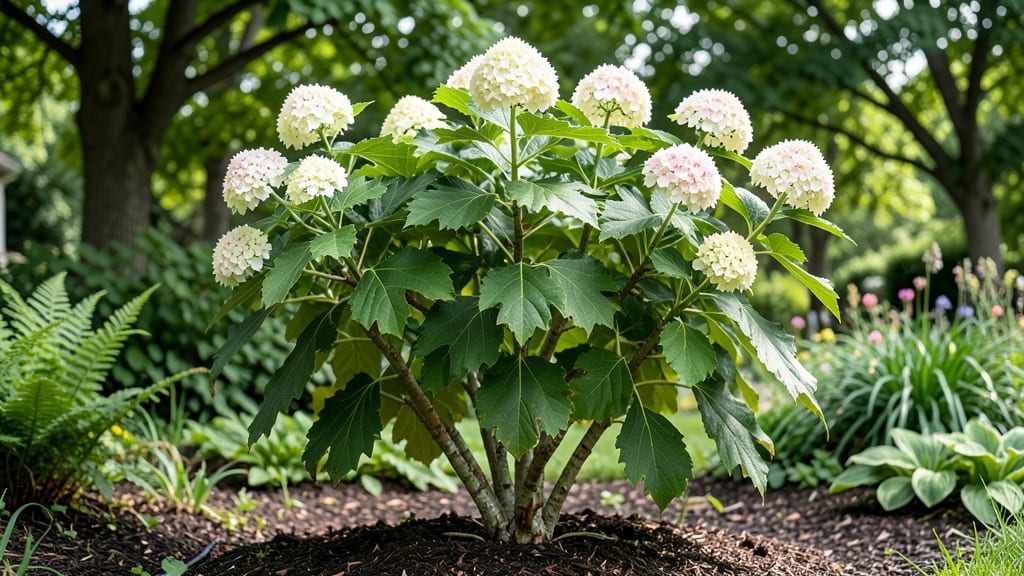
Oakleaf hydrangeas thrive in shade where others falter—year-round color when most shrubs sleep. 🌿 I learned the hard way that "partial shade" isn't a one-size-fits-all term; oakleaf hydrangeas demand dappled light to prevent scorched leaves while still fueling those iconic blooms.
The secret lies in matching their shade tolerance to your yard's specific light patterns. These shrubs reward patience with deep burgundy foliage in winter and lush, mophead blooms in summer—all while outlasting finicky neighbors.
Start with well-draining soil (amend with compost) and morning sun with afternoon shade to balance growth and flowering. Overwatering is the real enemy here; let the top inch dry between waterings to avoid root rot.
By late summer, you'll see those paper-like leaves turning fiery shades of red and orange—proof you've nailed the shade equation. Prune in late winter to shape the plant while it's dormant, and watch it bounce back with vibrant new growth by spring.
The foliage alone makes this shrub a standout, but the blooms? They're the cherry on top. Works in woodland gardens, northern exposures, or under tall trees—anywhere else struggles. Here's how to make it work for your space without compromising those stunning seasonal displays. Let's get growing!
📚 In This Guide
- What you need
- Instructions
- Tips and common mistakes
- Wrapping up and next steps
What you need
- ● Oakleaf hydrangea plant – Choose a healthy Hydrangea quercifolia (bare-root or potted) from a trusted nursery. Pro tip: Look for plants with vibrant green leaves and sturdy stems!
- ● Well-draining potting mix or garden soil – A blend of 50% topsoil, 30% compost, and 20% perlite or sand ensures proper drainage while retaining moisture.
- ● Organic mulch – 2–3 inches of pine bark, wood chips, or shredded leaves to conserve moisture and regulate soil temperature.
- ○ Slow-release fertilizer – A balanced 10-10-10 or 20-20-20 formula (apply in early spring). Optional: Use osmocote for gradual nutrient release.
- ● Garden trowel or spade – For planting and amending soil.
- ● Gloves – Heavy-duty gardening gloves to protect your hands.
- ● Watering can or hose with a gentle spray nozzle – Oakleaf hydrangeas love moisture but hate soggy roots!
- ● Pruning shears – Sharp, bypass-pruners (sterilized with rubbing alcohol) for shaping and deadheading.
- ● Measuring tape or ruler – To ensure proper spacing (3–6 feet apart for mature plants).
- ● Epsom salt – 1 tablespoon per gallon of water monthly for magnesium boosts (especially in acidic soils).
- ● Plant support (stakes or cages) – If your hydrangea grows tall or flops in windy areas.
- ● Soil pH test kit – Oakleaf hydrangeas thrive in acidic to neutral soil (pH 5.5–6.5).
- ● Drip irrigation system – For consistent moisture in dry shade spots.
How to cultivate oakleaf hydrangeas in shaded gardens
Here's the method I've used for years to keep oakleaf hydrangeas thriving where others struggle.
🌱 Step 1: Select the Perfect Planting Site
Oakleaf hydrangeas adore morning sun with afternoon shade—think dappled light under tall trees. The ideal spot gets 3-6 hours of filtered sunlight daily and protection from harsh afternoon rays. I always check for root competition from nearby trees, which can steal moisture and nutrients.
Dig a hole twice as wide as the root ball but only as deep. The plant's crown should sit 1 inch above ground level—burying it too deep suffocates roots. Amend the native soil with 3 inches of compost mixed into the bottom and sides of the hole to improve drainage and fertility.
🌿 Step 2: Plant with Proper Spacing and Soil Prep
For 4 plants, space them 6-8 feet apart to allow mature canopies to spread naturally. Oakleaf hydrangeas grow 6-10 feet wide at maturity, so crowding leads to weak stems and poor flowering. I like to plant them in small groups of 3-5 for a natural woodland effect.
Backfill the hole with the amended soil, pressing gently to eliminate air pockets. Water deeply to settle the soil around roots, then create a 3-inch deep mulch ring around the base using wood chips or shredded bark. Keep mulch 6 inches away from the trunk to prevent rot. The mulch conserves moisture and regulates soil temperature.
☀️ Step 3: Provide Seasonal Care for Year-Round Lushness
Water once weekly during the first growing season to establish roots, then every 10-14 days once established—more in extreme heat. You'll know it's time to water when the top 2 inches of soil feel dry. Oakleaf hydrangeas tolerate drought better than most varieties, but their leaves will crisp in below 20°F temperatures.
Fertilize in early spring with a balanced 10-10-10 formula applied around the drip line. Avoid high-nitrogen fertilizers—they promote leafy growth at the expense of flowers. I also add a slow-release granular fertilizer in late summer to support next year's blooms.
✂️ Step 4: Prune Strategically for Best Flowering
Prune late winter or early spring before new growth begins. Remove dead, crossing, or weak stems at the base, then cut back last year's flower stems to 2-3 inches above the first set of healthy buds. Oakleaf hydrangeas bloom on both old and new wood, so avoid heavy pruning—you'll sacrifice next year's flowers.
Shape the plant by thinning out crowded stems to improve airflow. The goal is an open, vase-like form that lets light penetrate to the center. I never prune more than 25% of the plant's total volume in any season—this keeps the plant vigorous without stressing it.
🪴 Step 5: Protect and Maintain Through Seasons
In fall, remove any remaining flower heads to reduce winter disease risk. Apply a 3-inch layer of mulch around the base to insulate roots during cold snaps. Oakleaf hydrangeas handle USDA Zones 4-9, but young plants benefit from winter protection in colder climates.
Watch for aphids or scale insects on new growth—spray with neem oil if you see sticky residue on leaves. The oakleaf variety is less prone to pests than other hydrangeas, but crowded conditions invite problems. Keep the center of the plant open to prevent fungal issues like powdery mildew.
Tips & tricks for perfect oakleaf hydrangea shade planting
Between us, these little details make all the difference between a struggling hydrangea and one that thrives for years. Here's what I've learned after years of trial and error.
Lighting Secrets: Oakleaf hydrangeas love that perfect balance of morning sun and afternoon shade—but not all shade is created equal. I've found the sweet spot is under deciduous trees that provide dappled light. If your garden has only harsh shade (like from evergreens), supplement with a grow light for 2-3 hours daily during winter months. The key is preventing leaf burn while still getting enough light for photosynthesis.
Root Ball Handling: When you're planting, don't pull the plant out of its container by the stems—always grasp the root ball itself. I've ruined more plants than I care to admit by yanking them out and damaging those delicate roots. Once planted, water deeply immediately to help settle the soil around the roots. This first watering is critical for establishing root-to-soil contact in Step 1.
Mulch Mastery: That 3-inch mulch ring isn't just decoration—it's your plant's winter blanket. I've seen dramatic differences in winter survival when I use wood chips instead of decorative rocks. The mulch should extend to the drip line (about 2 feet from the trunk) to protect those vulnerable roots. And here's a pro move: refresh the mulch every spring before new growth begins—it breaks down over time and loses its insulating power.
Pruning Precision: When you're cutting back those flower stems in Step 4, look for the first set of healthy buds that face outward on the stem. These are your growth points for next year's blooms. I've made the mistake of cutting too close to the bud, which can damage emerging growth. Always make clean cuts at a 45-degree angle just above the bud—this prevents water from pooling and causing rot.
Pro Tips for Oakleaf Hydrangea Shade
- Between us, these little details make all the difference between a struggling hydrangea and one that thrives for years.
- Lighting Secrets: Oakleaf hydrangeas love that perfect balance of morning sun and afternoon shade—but not all shade is created equal.
- Root Ball Handling: When you're planting, don't pull the plant out of its container by the stems—always grasp the root ball itself.
Frequently asked questions
Got questions about growing oakleaf hydrangeas in shade? You’re not alone! Here are some of the most common queries—and their answers—to help you cultivate a thriving, low-maintenance shrub year-round.
How much shade can oakleaf hydrangeas tolerate?
Oakleaf hydrangeas thrive in partial shade (2–6 hours of direct sun daily) but can handle full shade (especially in hot climates). In deep shade, expect slower growth and less vibrant foliage—though they’ll still produce stunning leaves! For best results, aim for morning sun + afternoon shade.
When is the best time to plant oakleaf hydrangeas?
Plant in early spring or fall for optimal root establishment. Avoid extreme heat or frost. If planting in containers, spring is ideal—just ensure the pot has drainage holes and use well-draining soil. Pro tip: Water deeply after planting to reduce transplant shock!
How often should I water oakleaf hydrangeas in shade?
Water 1–2 times per week (more in extreme heat or drought). Shade reduces evaporation, but consistent moisture is key—especially for young plants. Test soil: Stick your finger 1–2 inches deep; if dry, water thoroughly. Mulch helps retain moisture and keeps roots cool.
What are some shade-loving alternatives to oakleaf hydrangeas?
If oakleaf hydrangeas don’t suit your space, try these shade-tolerant shrubs:
- Azaleas – Vibrant blooms + glossy leaves
- Pieris japonica – Evergreen with cascading flowers
- Daphne – Fragrant blooms in winter/spring
- Hellebores – Early spring flowers (perennial)
Why are my oakleaf hydrangea leaves turning yellow?
Yellow leaves often signal overwatering, nutrient deficiency, or pests. Check for:
- Root rot – Ensure proper drainage
- Nitrogen deficiency – Fertilize with a balanced formula in spring
- Spider mites/scale – Spray with neem oil or insecticidal soap
Wrapping up and next steps
Transforming your shady spots into vibrant, low-maintenance gardens is easier than you think with oakleaf hydrangeas! Their year-round beauty—from lush foliage to stunning blooms—makes them a standout choice for partial sun areas.
Whether you're a beginner or a seasoned gardener, these shrubs offer resilience, elegance, and effortless charm.
Ready to elevate your outdoor space? Start by selecting the perfect variety and give your oakleaf hydrangea the care it deserves—your future garden will thank you! 🌿✨