
Shrubs
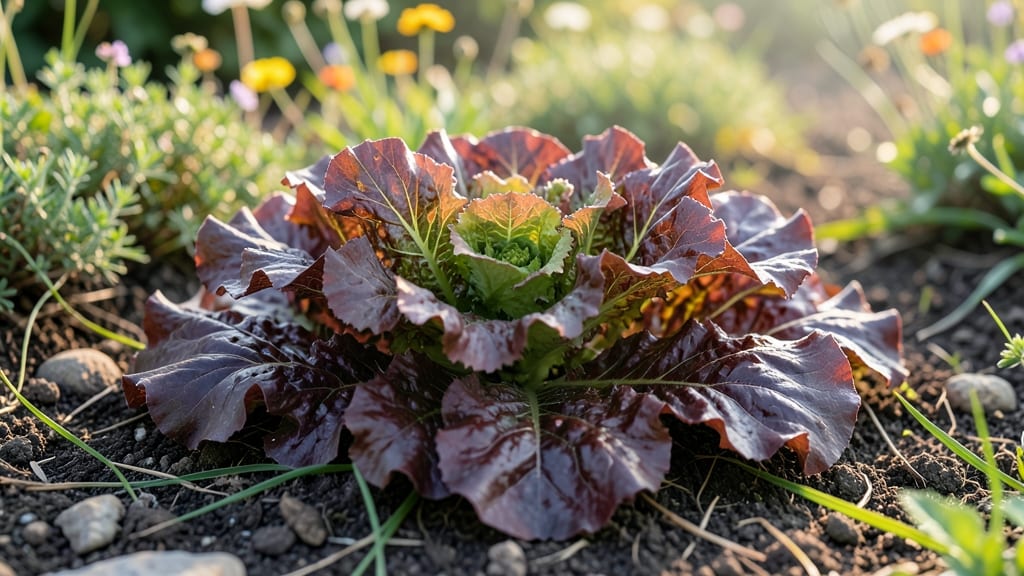
Growing leaf red lettuce turns your balcony into a vibrant green edible garden with minimal space. 🌱 I’ve grown this variety for years—it’s the one that never bolts in summer heat and keeps producing tender leaves until frost.
The deep red veins make salads look like a masterpiece, and the flavor? Crisp, slightly peppery, and way better than store-bought. You’ll need sunny spots (4-6 hours daily), well-draining soil, and containers at least 6 inches deep.
Spacing plants 6-8 inches apart prevents overcrowding, and a slightly acidic pH (6.0-7.0) keeps them thriving. Water consistently—lettuce hates soggy roots but won’t survive drought either. Harvest outer leaves first to encourage regrowth, and you’ll get weeks of harvests from a single planting.
The secret? Mulch with straw to retain moisture and keep pests at bay. Even my black thumb can’t kill this lettuce—it’s that resilient. Perfect for small spaces, windowsills, or even indoors with a grow light. Let’s get those seeds started!
📚 In This Guide
- What you need
- Instructions
- Tips and common mistakes
- Wrapping up and next steps
What you need
- ● Leaf Red Lettuce Seeds – 1 packet (approx. 50-100 seeds) or 3-5 seedlings (if buying starts). Look for heirloom or organic varieties for extra flavor!
- ● Growing Containers – 1-2 containers per plant (5-6 inches deep, with drainage holes). Options: Ceramic or plastic pots
- ● Fabric grow bags
- ○ Self-watering containers (optional but handy!)
- ● Potting Mix – 1 bag (5-10 quarts) of lightweight, well-draining mix (avoid garden soil—it compacts!). A 50/50 blend of potting soil and perlite works great.
- ● Slow-Release Fertilizer – 1 tbsp per container (look for a balanced 10-10-10 or organic options like worm castings).
- ● Trowel or small hand shovel – For planting and soil prep.
- ● Watering can or spray bottle – Fine mist setting to keep soil moist without overwatering.
- ● Drainage tray or saucer – To catch excess water and prevent root rot.
- ○ Garden twine or stakes (optional) – If growing in windy spots, use 3-inch stakes to support taller varieties.
- ● Sunlight – 4-6 hours of partial shade (direct sun can bolt lettuce in hot climates). A north-facing window or dappled shade (like under a tree) is ideal.
- ● Temperature – Cool weather (50–70°F). Avoid planting when temps exceed 80°F—lettuce bolts (goes to seed) in heat!
- ● Patience – Leaf red lettuce grows in 30-50 days to harvest, so plan ahead for a steady supply.
- ● Grow lights – For indoor growing or extending the season.
- ● Compost tea or fish emulsion – For a nutrient boost mid-growth.
- ● Row covers or shade cloth – To protect from pests or intense afternoon sun.
- ● Harvest scissors – For clean cuts without damaging the plant.
Step-by-step instructions for growing leaf red lettuce in containers
Here's how to grow vibrant, crisp red lettuce that thrives in containers—no garden required.
🪴 Step 1: Select and Prepare Your Containers
Choose containers with drainage holes that are at least 6 inches deep—shallower pots stunt root growth. I prefer 8-inch pots for each plant, as they provide enough space for strong root development without overcrowding. Clean the containers thoroughly with soapy water to remove any residue from previous plants, then rinse well. This prevents disease transfer, especially important for leafy greens.
Place a 2-inch layer of coarse gravel or perlite at the bottom of each container to improve drainage. This prevents soggy soil, which causes root rot—a common issue with lettuce. If your containers lack drainage holes, drill a few yourself to ensure excess water can escape. The goal is to mimic well-draining garden soil while keeping the roots consistently moist but never waterlogged.
🌱 Step 2: Fill With Lightweight Potting Mix
Use a high-quality seed-starting mix or a blend of 50% potting soil and 50% compost to fill your containers to within 1 inch of the rim. Avoid garden soil—it compacts in containers and can harbor pests or diseases. Gently fluff the mix with your fingers to create a loose, airy texture that encourages root penetration. Press down lightly only enough to remove air pockets; over-compacting will restrict root growth.
Water the mix thoroughly until it’s evenly moist but not saturated. You’ll know it’s ready when water drips freely from the drainage holes. Let it drain completely for 10-15 minutes before planting. This ensures your seeds start in a stable, moisture-rich environment without the risk of drowning. I like to use a spray bottle for the final misting to avoid disturbing the soil surface.
☀️ Step 3: Plant Seeds at the Right Depth and Spacing
Sow 3-4 seeds per container, spacing them 1 inch apart in a small circle near the center. Press them into the soil just ¼ inch deep—any deeper delays germination because the seedlings struggle to reach the surface. Cover lightly with a thin layer of additional soil or vermiculite. Lettuce seeds are tiny, so I use a toothpick to handle them carefully without crushing.
Mist the soil surface with water until it’s damp but not wet, then cover the container with a clear plastic dome or plastic wrap to retain moisture and warmth. Place it in a location with indirect light and a temperature of 60-65°F for germination. You’ll see sprouts in 5-10 days, but avoid removing the cover until 50% of seeds have germinated—this prevents the soil from drying out too quickly.
💧 Step 4: Provide Consistent Moisture and Light
Once seedlings emerge, remove the cover and move them to a spot with 4-6 hours of bright, indirect light daily. A south-facing window works well, but supplement with a grow light if natural light is insufficient. Lettuce grows best in cool temperatures (55-65°F)—avoid placing containers near heat sources like radiators or direct sunlight, which causes bolting (premature flowering) and bitter leaves.
Water when the top inch of soil feels dry, using room-temperature water to avoid shocking the roots. I water from the bottom by placing the container in a tray of water for 10-15 minutes, allowing the roots to absorb moisture naturally. This method reduces leaf diseases caused by overhead watering. Keep the soil consistently moist but never soggy—lettuce roots rot quickly in waterlogged conditions.
✂️ Step 5: Thin, Harvest, and Encourage Regrowth
When seedlings reach 2 inches tall, thin them to the strongest 1-2 plants per container by snipping the weaker ones at the base with clean scissors. This prevents competition for nutrients and improves air circulation, reducing disease risk. Harvest the outer leaves when they reach 3-4 inches long, cutting just above a leaf node to encourage regrowth. You’ll get multiple harvests from one plant this way.
To prolong production, harvest leaves every 2-3 weeks and fertilize lightly with a balanced liquid fertilizer (10-10-10) every 4-6 weeks. Avoid over-fertilizing—lettuce thrives in lean soil and grows best when focused on leaf production rather than excessive foliage. If the center stem bolts (sends up a tall flower stalk), remove it immediately to redirect the plant’s energy back into leaf growth.
Tips & tricks for growing vibrant container lettuce
These practical insights will help you cultivate leaf red lettuce that's as bold and crisp as it is beautiful—without the common growing headaches.
Container Selection: While 8-inch pots work perfectly, you can also use fabric grow bags or window boxes with at least 6 inches of depth. The key is ensuring proper drainage—if your containers lack holes, drill them yourself or use a cache pot with drainage underneath. I've found that terracotta pots actually help regulate soil moisture better than plastic, which can trap excess dampness and encourage root rot.
Germination Environment: The 60-65°F temperature range for germination is non-negotiable—lettuce seeds won't sprout reliably outside this window. If your home stays cooler, consider using a seedling heat mat (set to 70°F) underneath your containers. Once you see sprouts in 5-10 days, resist the urge to remove the cover too soon—wait until at least 50% of seeds have germinated to prevent the soil from drying out prematurely.
Light Management: That 4-6 hours of bright indirect light is crucial for preventing bolting, but quality matters more than quantity. If using grow lights, position them 6-12 inches above the plants and use a timer for 12-14 hours of light daily. I've noticed that fluorescent bulbs work better than LED for seedling stages, as they provide the full spectrum needed for early growth. Rotate containers weekly to ensure even light exposure all around.
Watering Wisdom: The bottom-watering technique for 10-15 minutes creates the perfect moisture balance, but timing matters. Always check the top inch of soil—if it's dry to the touch, that's your cue. Overhead watering can spread disease, but bottom watering also means you'll need to monitor more carefully. I've found that using a moisture meter (inserted 1 inch deep) takes the guesswork out of this critical step.
Pro Tips for Leaf Red Lettuce
- These practical insights will help you cultivate leaf red lettuce that's as bold and crisp as it is beautiful—without the common growing headaches.
- Container Selection: While 8-inch pots work perfectly, you can also use fabric grow bags or window boxes with at least 6 inches of depth.
- Germination Environment: The 60-65°F temperature range for germination is non-negotiable—lettuce seeds won't sprout reliably outside this window.
Frequently asked questions
Got questions about growing leaf red lettuce? You’re not alone! Here are some of the most common queries—plus quick, actionable answers to help your harvest shine.
How long does it take for leaf red lettuce to mature?
Leaf red lettuce is one of the fastest-growing greens! With ideal conditions (cool temps, consistent moisture, and full sun or partial shade), you can harvest baby leaves in 3–4 weeks. For full-sized leaves, plan for 5–6 weeks. Pro tip: Snip outer leaves first to encourage continuous growth!
Can leaf red lettuce survive hot weather?
Leaf red lettuce is a cool-season crop and bolts (goes to seed) in heat—typically above 75°F (24°C). To beat the heat, grow it in spring or fall, use shade cloth, or opt for containers you can move indoors or to a cooler spot. Try succession planting for staggered harvests!
Is leaf red lettuce better raw or cooked?
While it’s delicious raw in salads (thanks to its peppery, slightly sweet crunch), leaf red lettuce also holds up well when lightly cooked. Try it in stir-fries, soups, or sautéed dishes—just avoid overcooking to preserve its vibrant color and texture. Bonus: It’s packed with vitamin A and K!
What can I plant alongside leaf red lettuce for better growth?
Leaf red lettuce thrives with companion plants like carrots, radishes, or strawberries (they deter pests). Avoid planting near celery or parsley, as they compete for resources. For containers, pair it with bush beans or herbs like dill—they share space well and benefit each other!
Why are my leaf red lettuce leaves turning yellow or wilted?
Yellowing leaves often signal overwatering or nutrient deficiency (like nitrogen). Wilting can mean underwatering or heat stress. Check soil moisture—it should stay consistently damp but not soggy. Fix it fast: Adjust watering, add compost, and move plants to shade if temps rise. Pests like aphids can also cause wilting—spray with soapy water if needed!
Can I regrow leaf red lettuce after cutting?
Yes! Leaf red lettuce is cut-and-come-again. After harvesting outer leaves, trim just above the soil line, and new growth will sprout in 1–2 weeks. For best results, keep soil moist and fertilize lightly. Repeat this 2–3 times before the plant peters out—it’s a sustainable, low-waste win!
Wrapping up and next steps
Growing leaf red lettuce is a rewarding journey that brings vibrant color and crisp texture to your table—even in small spaces! With the right balance of sunlight, soil, and care, you’ll enjoy a steady harvest of flavorful greens.
Whether you’re a beginner or a seasoned gardener, this bold leafy green is a fantastic addition to your container garden.
Ready to dive in? Start small—plant a few seeds or seedlings today, and watch your garden transform! For extra success, experiment with companion plants or try growing other leafy greens like spinach or arugula next. Happy growing! 🌱