
Shrubs
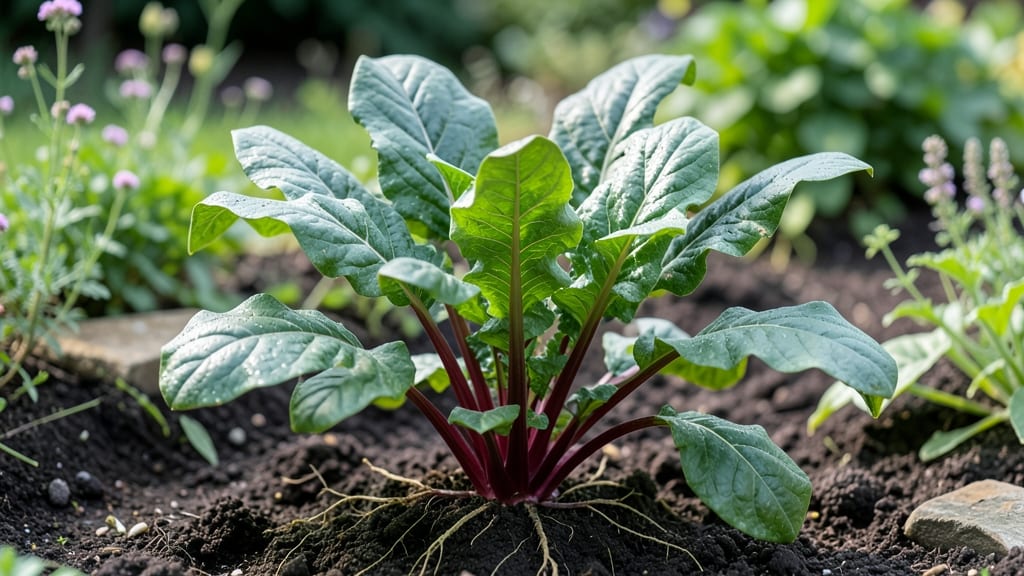
Growing leafy greens with red stems transforms your garden into a living art piece. 🌿 The vibrant contrast of deep red stems against lush green leaves isn't just stunning—it's a sign of a thriving, productive plant.
I've grown Red Malabar Spinach, Red Celery, and Red Stem Amaranth, and each brings something unique to the table (or garden bed).
These plants aren't fussy, but they do love well-draining soil rich in organic matter and a spot with morning sun and afternoon shade. Too much direct sun can scorch those gorgeous red stems, while too little light makes them stretch leggy.
Water consistently—keeping the soil evenly moist but never soggy—is key to maintaining that bold color and crisp texture.
Once established, you'll harvest tender leaves and stems within 6-8 weeks, and the plants keep producing all season. The red stems stay vibrant when you harvest regularly, and the leaves pack a mild, slightly sweet flavor perfect for salads or sautéing.
It's the kind of plant that makes neighbors stop and ask, "What's that?"
Common mistakes? Overwatering (which causes yellowing) or letting the soil dry out completely (which makes the leaves wilt). Start with 3-4 plants in a sunny spot, and you'll have a harvest that's as rewarding to grow as it is to look at.
Ready to add some bold color to your garden?
📚 In This Guide
- What you need
- Instructions
- Tips and common mistakes
- Wrapping up and next steps
What you need
- ● Red Stem Leafy Green Seeds: 10–20 seeds (e.g., Swiss chard 'Bright Lights', beet greens 'Detroit Dark Red', or celery 'Utah Red'). Choose heirloom or organic for best results!
- ● Growing Containers or Garden Bed: Containers: 6–12" deep pots (3–5 plants per 12" pot) with drainage holes.
- ● Garden Bed: Well-draining soil, 12–18" deep, in full sun to partial shade (4–6 hours of sunlight daily).
- ● High-Quality Potting Mix: 1–2 bags (sterilized, organic blend with compost). Avoid garden soil if container-growing!
- ● Slow-Release Fertilizer: 1 tbsp per plant (balanced 10-10-10 or organic options like fish emulsion).
- ● Hand Trowel or Transplant Spade (for planting/seeding).
- ● Watering Can or Hose with Adjustable Nozzle (gentle watering prevents seed washout!).
- ● Pruning Shears (for harvesting and trimming stems).
- ○ Garden Gloves (optional but recommended for handling prickly stems like Swiss chard).
- ○ pH Test Kit (optional; ideal soil pH: 6.0–7.0).
- ● Climate: Hardy to USDA Zones 2–11. Start indoors 4–6 weeks before last frost or direct-sow after soil reaches 50°F (10°C).
- ● Sunlight: Minimum 4 hours of sunlight daily (partial shade tolerated in hot climates).
- ● Watering Schedule: Keep soil consistently moist (not soggy). Drought-stressed plants lose vibrant color!
- ● Succession Planting Tip: 💡 Sow seeds every 2–3 weeks for continuous harvests.
Step-by-Step guide to cultivating striking red-stemmed leafy greens
Here's how to grow bold, vibrant red-stemmed greens that'll turn heads in your garden.
🌱 Step 1: Select and Prepare Your Variety
Choose a red-stemmed variety like Swiss chard 'Bright Lights' or celery 'Utah', which develop their signature color when exposed to sunlight. These varieties thrive in cool to moderate temperatures (55-75°F) and tolerate light frosts. Start seeds indoors 4-6 weeks before last frost or sow directly in spring and fall for best results.
Fill seed trays with sterile seed-starting mix and plant seeds ½ inch deep, spacing them 1 inch apart. Keep the soil consistently moist but not soggy—bottom-watering (placing trays in shallow water) ensures even moisture without disturbing seeds. Cover with a humidity dome or plastic wrap until germination, which typically occurs in 7-14 days depending on temperature.
☀️ Step 2: Provide Optimal Light and Nutrients
Once seedlings emerge, remove the cover and place them under bright, indirect light for the first week to prevent leggy growth. Gradually introduce 4-6 hours of direct sunlight daily as they strengthen. Red-stemmed greens develop their most vibrant color when exposed to full sun (6+ hours), so transplant outdoors or move to a sunny window once they have 3-4 true leaves.
Fertilize with a balanced, water-soluble fertilizer (10-10-10) at half-strength when seedlings are 2 inches tall. Continue feeding every 3-4 weeks during active growth. These plants are heavy feeders, so side-dress with compost mid-season to maintain rich soil. Watch for deep red stems and veins—this is your cue that they’re thriving and getting enough light.
💧 Step 3: Manage Water and Soil for Color Intensity
Keep the soil consistently moist but never waterlogged—red-stemmed greens wilt quickly in dry conditions but rot if overwatered. Water at the base of the plant in the morning to allow foliage to dry, reducing disease risk. Mulch with 2-3 inches of straw or shredded leaves to retain moisture and suppress weeds, which can compete for nutrients and dull stem color.
For the boldest red hues, ensure the soil has adequate phosphorus (the middle number in fertilizer ratios). A lack of phosphorus leads to pale stems, while excess nitrogen results in lush green leaves but muted red. Amend soil with bone meal or rock phosphate at planting if your soil tests low in phosphorus. Harvest outer leaves first to encourage continuous red-stemmed growth.
✂️ Step 4: Harvest and Maintain for Year-Round Color
Begin harvesting when plants reach 6-8 inches tall by snipping outer leaves at the base with clean scissors. This encourages bushier growth and maintains vibrant red stems. For continuous harvests, pick leaves every 1-2 weeks, leaving the center intact. In warm climates, succession plant every 2-3 weeks for a steady supply.
To extend the season, protect plants with frost blankets in fall or grow under grow lights indoors during winter. Red-stemmed greens like chard and celery are cut-and-come-again crops, meaning they regrow after harvest if given proper care. Watch for yellowing leaves—this signals overwatering or nutrient deficiency, not harvest readiness.
🌿 Step 5: Troubleshoot Common Issues
If stems lose their red color, they’re likely getting too much shade or excess nitrogen. Move plants to a sunnier spot and switch to a low-nitrogen fertilizer (like 5-10-10) to restore vibrancy. Bolting (premature flowering) occurs in heat—plant in partial shade during summer or choose heat-tolerant varieties like celery 'Tall Utah'.
Pests like aphids or slugs can damage leaves, but red stems deter many insects naturally. Handpick slugs at night or use diatomaceous earth around the base. For aphids, spray with soapy water (1 tsp mild soap per quart of water). Rotate crops annually to prevent soil-borne diseases, which can stunt growth and dull stem color.
Tips & tricks for cultivating vibrant red-stemmed greens
Here's what nobody tells you about growing these stunning plants that'll make your garden pop.
Light Exposure is Everything: The 6+ hours of full sun mentioned in Step 2 isn't just ideal—it's non-negotiable for those deep red stems. I've seen gardeners struggle with pale stems because they thought "bright indirect light" was enough. Place your plants where they'll get morning sun and at least 4 hours of afternoon light. If you're growing indoors, supplement with grow lights for 12-14 hours daily to maintain color intensity. The red pigment anthocyanin develops strongest under direct sunlight, so don't skimp on those sun hours!
Soil Chemistry Secrets: When Step 3 mentions phosphorus, I'm talking about the middle number in your 10-10-10 fertilizer. For maximum red color, aim for a soil pH between 6.0-7.0—this is the sweet spot for phosphorus uptake. Test your soil before planting, and if it's acidic, add lime to raise the pH. I've noticed that gardeners who use too much compost (which is nitrogen-rich) often get beautiful green leaves but dull stems. Balance is key—stick to that 10-10-10 ratio and side-dress with bone meal mid-season for that extra phosphorus boost.
Harvesting Technique: The 6-8 inch height recommendation in Step 4 is perfect, but here's the part nobody emphasizes: always harvest leaves from the OUTSIDE IN. This might seem obvious, but I've seen gardeners snip from the center, which can shock the plant and reduce future growth. Start with the largest, most mature outer leaves first. This encourages bushier growth and maintains those vibrant red stems longer. Think of it like trimming a hedge—you want to stimulate new growth from the base, not the center.
Season Extension Strategy: For year-round harvests as mentioned in Step 4, I've found that a combination of frost blankets and row covers works better than just frost blankets alone. The extra insulation from row covers can extend your growing season by 2-3 weeks in both spring and fall. In winter, grow lights placed 6-12 inches above plants can provide the full spectrum light needed for continued growth. Just remember to keep the lights on a timer for 12-14 hours daily to maintain that natural light cycle.
Pro Tips for Leafy Green Red Stem
- Here's what nobody tells you about growing these stunning plants that'll make your garden pop.
- Light Exposure is Everything: The 6+ hours of full sun mentioned in Step 2 isn't just ideal—it's non-negotiable for those deep red stems.
- Soil Chemistry Secrets: When Step 3 mentions phosphorus, I'm talking about the middle number in your 10-10-10 fertilizer.
Frequently asked questions
Got questions about growing leafy greens with stunning red stems?
You’re not alone! Here are the most common queries—and straightforward answers—to help you cultivate bold, vibrant plants with ease.
What are the best leafy greens with red stems for beginners?
Start with Swiss chard or beet greens—they’re hardy, fast-growing, and their striking red stems add drama to any garden. Red Malabar spinach is another great pick for tropical climates. All three thrive in partial shade and tolerate cooler temps better than lettuce!
How long does it take for red stems to develop?
Stem color intensifies as plants mature, usually within 4–6 weeks after germination. For deeper reds, grow under partial shade or in cooler weather (50–70°F). Pro tip: Harvest outer leaves first to encourage vibrant new growth!
Can I grow red-stemmed greens in hot climates?
Yes! Opt for heat-tolerant varieties like New Zealand spinach or red okra greens. Provide afternoon shade and keep soil moist (but not soggy). Mulch with straw to retain coolness—your plants will reward you with bold color even in summer!
What can I substitute if my red stems turn green?
Green stems often signal too much sun or nitrogen-heavy fertilizer. Switch to a balanced 10-10-10 fertilizer and move plants to partial shade. If the issue persists, try red-veined sorrel or amaranth—they naturally boast deeper hues!
Are red-stemmed greens safe to eat raw or cooked?
Swiss chard and beet greens shine in salads, smoothies, or sautéed dishes. The stems are edible (just chop finely) and packed with fiber, vitamin K, and antioxidants. For a sweet-tart twist, blanch stems briefly before stir-frying!
Wrapping up and next steps
Growing leafy green red stem varieties is a rewarding way to add vibrant color and nutrition to your garden year-round! With the right soil, light, and care, these striking plants thrive and deliver bold flavors and health benefits.
Whether you're a seasoned gardener or just starting, their resilience and versatility make them a must-have addition.
Ready to level up your harvest? 🌱 Start by experimenting with different varieties in your next planting season—try mixing them in containers, raised beds, or alongside other greens for a stunning visual (and tasty!) impact. Happy growing!