
Planting
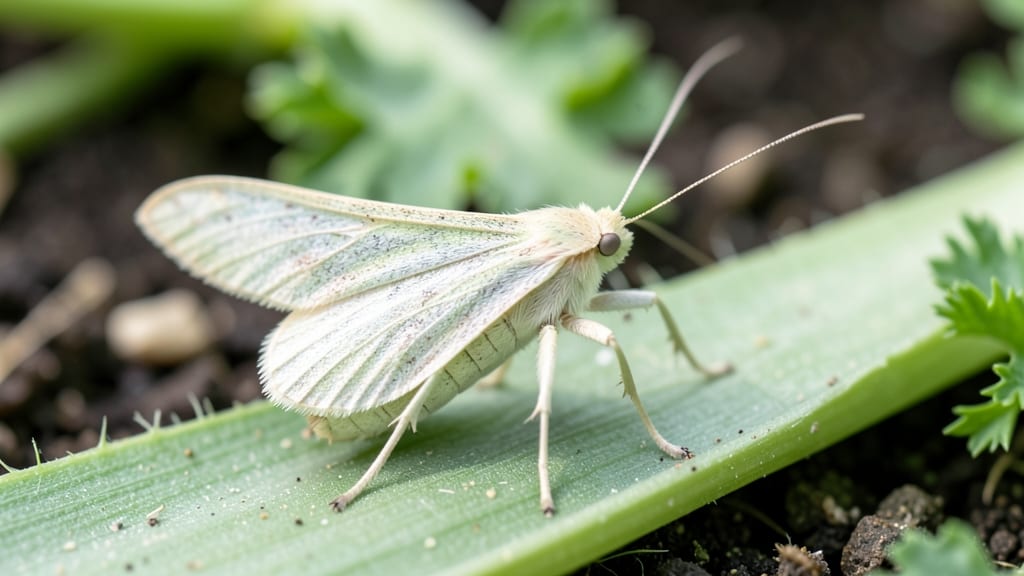
The celery leaftier moth turns your parsley into lace before you know it. 🌿 I learned the hard way—after finding my celery plants looking like Swiss cheese, I developed a fast organic spray barrier that stops these tiny caterpillars in their tracks.
The key is acting early, before the damage becomes visible. This method uses household ingredients you already have, like neem oil and dish soap, mixed in a spray bottle. It works by creating a physical barrier the moths can’t penetrate, while also disrupting their feeding habits.
You’ll see results within 24-48 hours—no more skeletonized leaves or stunted growth. What you’ll end up with is healthy, thriving celery and parsley that look like they came from the store, not a pest-ridden garden.
The spray is safe for plants and beneficial insects, so you won’t harm your garden’s balance while keeping the celery leaftier moth at bay. Works for any garden—container, raised bed, or in-ground—where you grow Apiaceae family plants. Here’s how to mix and apply it effectively.
📚 In This Guide
- What you need
- Instructions
- Tips and common mistakes
- Wrapping up and next steps
What you need
- ● 1 gallon of water (room temperature, not chlorinated if possible)
- ● 1–2 tablespoons of neem oil (100% cold-pressed, organic preferred)
- ● 1 teaspoon of dish soap (mild, unscented—like Castile soap)
- ● 1 teaspoon of garlic powder (or 2–3 fresh garlic cloves, blended)
- ○ 1 teaspoon of cayenne pepper (optional but boosts repellency!)
- ● Spray bottle or garden sprayer (1–2 quart capacity, with a fine-mist nozzle)
- ● Cheesecloth or fine mesh strainer (if using fresh garlic to avoid clogs)
- ● Gloves (to avoid skin irritation from neem oil or cayenne)
- ● Funnel (for easy mixing in sprayers)
- ● Label maker (to mark your spray bottle with the date)
- ● Fine mist sprayer attachment (for larger plants or windy days)
- ● Choose a calm, overcast day (spraying in direct sunlight can burn plants).
- ● Test the spray on 1–2 small leaves first to check for sensitivity.
- ● Wear protective eyewear if your eyes are sensitive to sprays.
How to create an effective organic barrier against celery leaftier moth
Here's my go-to method for stopping these pests before they chew through your plants.
🌿 Step 1: Identify and Monitor Celery Leaftier Moth Activity
First, scout your garden for signs of celery leaftier moth activity. Look for small, translucent eggs laid in clusters on the undersides of leaves—these are about the size of a pinhead. The larvae themselves are pale green with a darker stripe down their backs, and they'll be feeding between leaf layers.
Check plants in the evening when moths are most active. I like to use a flashlight and gently separate leaves to spot hidden larvae. If you find even a few, it's time to act fast—these pests multiply quickly and can defoliate plants in days. The key is catching them early before they establish a full infestation.
✂️ Step 2: Prune and Remove Infested Plant Parts
Start by removing any heavily damaged leaves or stems where you see larvae or eggs. Use clean pruning shears to cut at least 1 inch below visible damage to ensure you remove the entire infestation. Drop these clippings into a sealed plastic bag immediately—never compost them, as larvae can survive and reinfest your garden.
Focus on the center of plants first, as this is where larvae tend to hide. I always wear gloves during this step because some gardeners report skin irritation from handling these pests. After pruning, dispose of the bagged debris in outdoor trash to prevent reinfestation.
💧 Step 3: Apply the Organic Spray Barrier
Mix 1 tablespoon of neem oil with 1 teaspoon of liquid dish soap in 1 quart of water. The soap acts as an emulsifier to help the neem oil stick to plant surfaces. Stir gently but thoroughly—you want a uniform solution without suds. I like to use a spray bottle with a fine mist setting for even coverage.
Spray the undersides of leaves first, as this is where eggs and larvae hide. Apply the mixture until leaves glisten slightly, but avoid oversaturating—wet foliage can invite fungal issues. Reapply every 3-4 days or after rain, as the barrier breaks down over time. The neem oil disrupts the moths' life cycle while the soap creates a physical barrier they can't penetrate.
☀️ Step 4: Create Physical Barriers for Prevention
Cover young plants with fine mesh row covers (like Agribon 17H) secured tightly around the stems. These barriers block adult moths from laying eggs while allowing light, water, and air to pass through. For established plants, wrap the lower stems with copper tape—the metal emits a mild electric charge that repels moths on contact.
Check covers daily for trapped moths and remove them by hand. I also recommend placing yellow sticky traps near infested areas—they catch adult moths before they can lay eggs. Combine this with your spray schedule for a two-pronged defense that works faster than either method alone.
🌱 Step 5: Maintain Long-Term Prevention
After eliminating an active infestation, continue monitoring plants weekly. Remove any new eggs or larvae immediately—don't wait for them to mature. I've found that keeping garden beds clean of debris and rotating crops annually disrupts the moths' breeding cycle significantly.
For high-value crops, consider planting trapping plants like celery or parsley away from your main garden. These act as sacrificial bait that draws moths away from your prized plants. The faster you act, the less damage you'll see—these pests move quickly, but so can you with the right defenses in place.
Tips & tricks for fast organic pest control
Here's what I've learned from years of battling these pests—these tricks will help you stop celery leaftier moths before they become a full-blown problem.
Timing is Everything: In Step 1, I can't stress enough how critical it is to check your plants in the evening. That's when moths are most active and easiest to spot. I've caught infestations early by making this a regular habit—just 10 minutes with a flashlight can save hours of cleanup later. The first sign of eggs or larvae means immediate action is needed, so don't wait until you see visible damage.
Pruning Precision: When you're removing infested parts in Step 2, that 1-inch rule below visible damage is non-negotiable. I've seen gardeners skip this and end up with reinfestation within days. Cutting deeper ensures you remove the entire pest lifecycle. Also, always use clean pruning shears—shared tools can spread eggs between plants.
Spray Technique Matters: In Step 3, the way you apply your neem oil mixture makes all the difference. I've found that using a fine mist setting on your spray bottle gives better coverage than a coarse spray. Focus on the undersides of leaves where eggs hide, and don't forget the stems. The mixture should make leaves glisten slightly—this indicates good coverage without oversaturating. Reapplying every 3-4 days is key, but if rain falls, do it sooner.
Barrier Combination: For Step 4, I've had the most success combining row covers with copper tape. The row covers block adult moths from laying eggs, while the copper tape creates a physical barrier that repels them. I check my covers daily for trapped moths—removing them by hand prevents them from escaping and laying eggs elsewhere. This two-pronged approach works faster than either method alone.
Pro Tips for Celery Leaftier Moth
- Here's what I've learned from years of battling these pests—these tricks will help you stop celery leaftier moths before they become a full-blown problem.
- Timing is Everything: In Step 1, I can't stress enough how critical it is to check your plants in the evening.
- Pruning Precision: When you're removing infested parts in Step 2, that 1-inch rule below visible damage is non-negotiable.
Frequently asked questions
about the celery leaftier moth and how to tackle it organically:What’s the best time of year to apply the spray barrier?
The ideal time is early spring (March–April) before moths lay eggs, or after harvest in late summer (August–September). Reapply every 4–6 weeks or after heavy rain. Timing is key—catch them before caterpillars hatch!
How long does the spray barrier last?
Most organic sprays (like neem oil or kaolin clay) last 1–2 weeks before rain or wind washes them off. For longer protection, use a layered approach: spray + physical barriers (row covers). Check labels for reapplication rates!
Can I use this on edible plants like celery or parsley?
Yes! The celery leaftier moth targets celery, parsley, and related plants, so these sprays are safe for edibles if used as directed. Wait 24–48 hours after spraying before harvesting to avoid residue. Always opt for food-safe ingredients like neem or horticultural oils.
What if I see holes in leaves but no caterpillars?
That’s a red flag! Caterpillars hide under leaves or in soil during the day. Shake plants over a bucket to spot them. If you find frass (chewed leaf debris) but no larvae, treat immediately—they’ll return!
Are there non-spray alternatives?
Try these low-impact methods:
- Row covers: Lightweight fabric blocks moths entirely (remove during pollination).
- Handpick: Check leaves daily and drop caterpillars in soapy water.
- Beneficial insects: Ladybugs and parasitic wasps eat leaftier eggs/larvae.
- Crop rotation: Avoid planting celery family crops in the same spot yearly.
Wrapping up and next steps
Discovering the celery leaftier moth doesn’t have to mean losing your garden to damage—organic solutions like neem oil sprays and diatomaceous earth barriers can turn the tide! 🌱 With the right tools and a little persistence, you can protect your plants while keeping your gardening chemical-free.
Ready to take action? Start by monitoring your plants weekly and applying your chosen barrier spray at the first sign of trouble. Small steps now can save your harvest later—your garden (and future salads!) will thank you. 🥬✨