
Pests
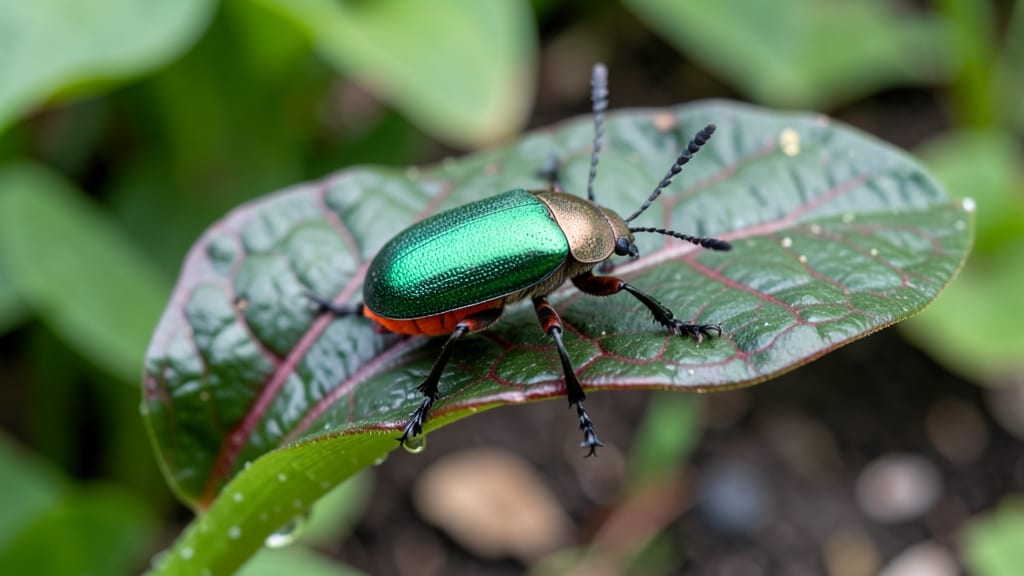
The moment you spot those bright red lily leaf beetles, your prized lilies are under siege—and lily leaf beetle control is your first line of defense. 🌿 I’ve battled these destructive pests firsthand, and neem oil isn’t just another spray—it’s the fast-acting barrier that stops them in their tracks before they skeletonize your plants.
Most gardeners reach for pesticides too late, but neem oil works within 24-48 hours when applied correctly. The key is timing: hit them in the morning when they’re sluggish from the night’s chill, and reapply after rain.
I’ve saved entire garden beds using this method, even when beetles were already chewing leaves.
By the end of the week, your lilies will look like they’ve never been touched—no more ragged foliage, no more defoliated stems. The secret? A two-step approach: spray the leaves and the soil around the base, where beetles hide when they’re not feeding.
This works for lilies, fritillaries, and even tulips. Here’s how to make it last all season long.
Root Causes Of Lily Beetle Outbreaks
The lily leaf beetle (Lilioceris lilii) isn’t just a random garden nuisance—it’s an invasive pest with specific triggers that turn your prized lilies into skeletonized, chewed-up messes.
Understanding why these beetles target your plants—and how they spread so aggressively—is the first step to stopping them. Here’s a breakdown of the key factors behind their destructive behavior.
The lily leaf beetle is originally from Europe, where it feeds on wild lilies without causing major harm. But when it hitched a ride to North America (likely in soil or plant shipments), it found no natural predators to keep its populations in check.
Without the ecological balance of its homeland, the beetles reproduce exponentially—laying up to 400 eggs per female in a single season. Their rapid spread is why they’re now a top threat to lilies, fritillaries, and other Liliaceae plants.
Lily leaf beetles have a one-plant diet: they only eat lilies (and a few close relatives like Fritillaria and Tulipa). Their larvae and adults devour leaves, flowers, and even bulbs, leaving behind a trail of black, skeletal foliage. Here’s why your lilies are so appealing:
- High nitrogen content: Lilies are nutrient-rich, making them an irresistible food source for beetle larvae.
- Soft, tender leaves: Unlike tougher plants, lily foliage is easy to chew through, accelerating damage.
- Scent-based attraction: Beetles use volatile organic compounds (VOCs) emitted by lilies to locate them—almost like a dinner bell.
Pro Tip: 🌡️ If you’ve noticed beetles clustering on your lilies, they’re not just hungry—they’re following a chemical trail straight to your plants!
The lily leaf beetle’s life cycle is heavily dependent on temperature and moisture. Here’s how weather plays a role:
| Stage | Weather Trigger | Impact |
|---|---|---|
| Egg Laying | Warm, dry spring (60–80°F) | Females lay eggs in clusters on the underside of leaves—ideal conditions speed up hatching. |
| Larval Growth | Moderate humidity, 70–85°F | Larvae thrive and molt 3–4 times before pupating. Too much rain can drown them, but drought stresses plants, making them more vulnerable. |
| Adult Emergence | Hot, sunny summer (85°F+) | Adults become active, feeding and mating. Heat waves can double their reproduction rate. |
Key Takeaway: If your area has mild winters and hot summers, you’re in the beetle’s perfect breeding zone. Cooler climates may slow them down—but they’re still a threat once temperatures rise.
Unlike some pests that rely solely on wind or wildlife, lily leaf beetles hitchhike on human activity. Here’s how:
- Plant shipments: Infested bulbs, potted lilies, or soil from nurseries can carry beetle eggs or larvae across regions.
- Gardening tools & containers: Contaminated pots, pruners, or even shoes can transport beetles to new gardens.
- Compost & mulch: Beetles hide in organic matter, emerging when conditions are right—so sterilize compost if you suspect an infestation.
- Roadside plantings: Beetles crawl onto passing cars or are blown by wind to nearby properties.
💡 Actionable Insight: If you’re buying lilies or moving plants, inspect them thoroughly—especially the undersides of leaves and soil—before bringing them home. Quarantine new plants for 2 weeks to catch early signs.
Now that you know why these beetles target your garden, the next step is preventing their next move. Stay tuned for our deep dive into neem oil barriers—a science-backed way to stop them in their tracks before they skeletonize your lilies.
Quick Fixes for Lily Leaf Beetle Damage
Now that you know what’s causing those pesky lily leaf beetles to wreak havoc on your prized plants, it’s time to take action! The good news? There are effective, eco-friendly, and practical solutions to stop these beetles in their tracks.
Below, we’ve mapped out the best fixes based on the root causes—from physical barriers to organic sprays—so you can choose what works best for your garden.
If beetles are crawling onto your plants, prevent access with these simple but powerful methods.
🔥 Install Row Covers Early
Lily leaf beetles are most active in spring and early summer.
To stop them before they lay eggs: - When to do it: Place floating row covers (fine mesh fabric) over lilies before adult beetles emerge (usually late April to early May, depending on your climate). - How to do it: Secure the covers tightly with clips or weights to prevent beetles from crawling underneath.
Leave enough space for plants to grow. - Pro tip: 💡 Remove covers during pollination if you’re growing lilies for seeds, then replace them afterward.
🍳 Trap Crops & Sacrificial Plants
Beetles love daylilies (Hemerocallis) almost as much as true lilies.
Use them as a decoy: - Plant trap crops 10–15 feet away from your prized lilies. - Check daily for beetles and drown them in soapy water (1 tbsp dish soap + 1 gallon water). - Pro tip: 🎯 Rotate trap crops yearly to keep beetles confused and reduce their numbers over time.
Neem oil isn’t just a star player—it’s your first line of defense against lily leaf beetles. But it’s not the only game-changer.
👨🍳 Homemade Neem Oil Spray (DIY Recipe)
Neem oil disrupts beetle feeding, egg-laying, and growth.
Here’s how to make it strong and effective:
- Mix: - 2 tbsp cold-pressed neem oil - 1 tsp horticultural oil (optional, for better adhesion) - 1 tsp mild liquid soap (like Castile soap) - 1 quart water
- Shake well in a spray bottle.
- Spray thoroughly on both sides of leaves, stems, and buds—especially where beetles feed.
- Reapply every 5–7 days or after rain.
✨ Pro tip: 🌡️ Apply in the evening to avoid harming beneficial insects like bees.
🔪 Pyrethrin Spray (For Severe Infestations)
If beetles are overwhelming your plants, a fast-acting pyrethrin spray (derived from chrysanthemums) can provide immediate knockdown:
- When to use: Late afternoon (to protect bees).
- How to apply: Follow label instructions—reapply every 3–5 days until beetles disappear.
- Caution: 🚨 Avoid if you have pollinators (bees, butterflies) in the area.
🥘 Kaolin Clay Barrier
This white, clay-based spray creates a physical barrier that beetles hate:
- Mix: 1–2 tbsp kaolin clay (like Surround WP) per gallon of water.
- Spray on leaves and stems.
- Effect: Beetles can’t see or feed on treated surfaces.
- Bonus: Also repels Japanese beetles and aphids!
Stopping beetles at the egg and larval stage is key to long-term control.
🔍 Handpick Eggs & Larvae
- When: Late spring to early summer (egg-laying season).
- How:
- Check undersides of leaves for orange eggs (laid in clusters).
- Scrape them off with a soft brush or fingernail into soapy water.
- Look for larvae (small, orange, slug-like creatures)—drop them in soapy water too.
- Pro tip: 💡 Do this every 2–3 days—it’s tedious but highly effective!
🌱 Plant Resistant Varieties
Some lilies are less appealing to beetles. Try:
- ‘Stargazer’ lilies (less preferred than ‘Casa Blanca’).
- Daylilies (Hemerocallis)—while not immune, they’re easier to protect than true lilies.
🌡️ Encourage Natural Predators
- Ladybugs, lacewings, and parasitic wasps eat lily leaf beetle eggs and larvae.
- How to attract them:
- Plant dill, fennel, or yarrow nearby.
- Avoid broad-spectrum pesticides that kill beneficial bugs.
If your lilies are already skeletonized and beetles are out of control:
- Prune heavily damaged leaves (but don’t compost them—bag and dispose).
- Apply a systemic insecticide (like imidacloprid) only as a last resort—it’s chemical-intensive but works fast.
- Replace severely infested plants if they’re past saving.
Final Thought: 🌟 Consistency is key! Combine barriers, sprays, and handpicking for the best results. With a little effort, your lilies will bounce back stronger—and those beetles? They won’t stand a chance.
Frequently asked questions
How soon will I see results after using neem oil?
Neem oil starts working immediately but may take 24-48 hours to show visible results. The key is consistency—reapply every 5-7 days or after rain. For severe infestations, combine it with handpicking eggs and larvae for faster control.
Can I use neem oil on flowering lilies?
Yes, but apply it in the evening to protect pollinators like bees. Avoid spraying directly on open flowers, as neem oil can harm beneficial insects. Focus on leaves and stems where beetles feed most actively.
What should I do if my lilies are already skeletonized?
Prune the damaged leaves immediately (don't compost them!) and apply a kaolin clay barrier or pyrethrin spray for fast knockdown. For long-term recovery, fertilize with balanced plant food and monitor for new beetle activity.
Will row covers work if I install them after beetles are already present?
Not effectively. Row covers must be installed before adult beetles emerge (usually late spring). If beetles are already active, combine covers with neem oil sprays and handpicking for best results.
Are there any lilies that beetles avoid completely?
No lily is completely immune, but 'Stargazer' lilies are less preferred than varieties like 'Casa Blanca'. For maximum protection, combine resistant varieties with cultural controls like neem oil and trap crops.