
Pruning
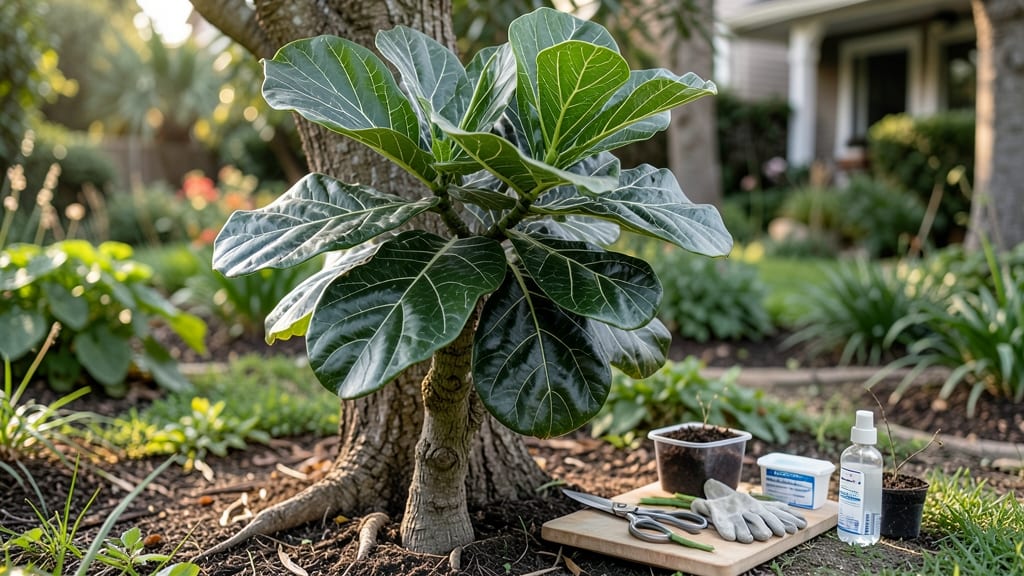
Pruning your fiddle leaf fig isn’t just about cutting back—it’s about unlocking that lush, bushier growth you’ve been waiting for. 🌿 I’ve turned my leggy, sparse fig into a full, vibrant plant just by mastering a few simple cuts at the right time. The key?
Knowing where to snip and when to stop. You’ll need sharp pruning shears (sterilized with rubbing alcohol), a clean cloth, and a little patience—this isn’t a rush job. The best time to prune is late winter or early spring, when the plant’s energy shifts from dormancy to growth.
But if you spot yellowing leaves or overcrowded stems now, don’t wait. What you’ll end up with is a fiddle leaf fig that fills out beautifully, with thicker stems and more leaves than before. The secret?
Cutting just above a leaf node (the bump where leaves grow) at a 45-degree angle—this encourages new branches to sprout from that spot. Avoid over-pruning (never cut more than 1/3 of the plant at once) and always clean your tools between cuts to prevent disease.
With the right approach, your fig will bounce back stronger than ever.
📚 In This Guide
- What you need
- Instructions
- Tips and common mistakes
- Wrapping up and next steps
What you need
- ● Sharp, clean pruning shears – A bypass pruner (5-7 inch blade) is ideal for clean cuts without crushing stems. Sterilize with rubbing alcohol before and after use!
- ● Rubbing alcohol (70% or higher) – 2-4 oz to disinfect tools and cuts, preventing bacterial/fungal infections.
- ○ Gloves (optional but recommended) – Lightweight gardening gloves to protect hands from sap and thorns.
- ● Small container or tray – To collect cuttings for propagation (if desired).
- ○ Rooting hormone (optional but helpful) – A small packet (e.g., Clonex or Rooting Gel) to boost success rates for propagated cuttings.
- ● Paper towels or clean cloth – For wiping sap or excess moisture from cuts.
- ● Horticultural sealant (e.g., Tree Seal) – A small bottle to coat larger cuts and reduce sap bleeding.
- ● Spray bottle with water – To mist cuttings or the plant post-pruning for hydration.
- ● Notebook & pen – To track pruning dates, plant responses, or cutting propagation progress.
- ● Grow lights or sunny windowsill – If propagating cuttings, a bright spot (or grow light) speeds up rooting.
Step-by-step guide to pruning fiddle leaf fig plants
Revitalize your fiddle leaf fig with these simple, science-backed pruning techniques—no green thumb required.
✂️ Step 1: Identify the Right Time to Prune
Spring is ideal for pruning, when your fiddle leaf fig enters active growth mode after winter dormancy. Look for new leaves emerging or stems elongating rapidly—these are your cues. Avoid pruning in fall or winter, when the plant conserves energy, as cuts can stress it during dormancy.
If you missed the spring window, you can still prune lightly in summer to control size or shape. Just avoid heavy pruning during flowering, as it can reduce bloom production. The key is timing: prune when the plant is energetic but not stressed.
✂️ Step 2: Gather Tools and Sanitize Everything
Use only clean, sharp pruning shears—dull tools crush stems, inviting disease. Wipe the blades with rubbing alcohol before and after pruning to prevent bacterial spread. I also keep a small spray bottle of diluted bleach (1 part bleach to 9 parts water) nearby for quick disinfection if needed.
Wear gloves to protect your hands from the plant’s mildly irritating sap. Fiddle leaf figs don’t have thorns, but their leaves can scratch easily. Gather a small container or bag for trimmings—you’ll use these for propagation later.
✂️ Step 3: Locate the Perfect Pruning Spots
Cut just above a leaf node—the bump where a leaf or branch grows out. This encourages new growth from that node. Look for areas where stems are bare or leggy, or where leaves are smaller than usual. Avoid cutting into leaf stems themselves, as this can cause sap to ooze and invite rot.
If you’re pruning to shape, step back and visualize the plant’s natural form. Fiddle leaf figs grow in a pyramidal shape, so aim to maintain that silhouette. Never remove more than 1/3 of the plant’s foliage in one session—this prevents shock.
✂️ Step 4: Make the Cuts with Precision
Angle your cut slightly downward, about ¼ inch above the node, to prevent water from pooling on the wound. This small angle also helps rainwater run off, reducing rot risk. Cut cleanly in one motion—hesitation can tear the stem and create jagged edges that heal poorly.
For thicker stems, make a small initial cut to score the underside, then complete the cut from the top. This prevents the bark from tearing. If you’re pruning to propagate, cut a 4-6 inch stem with at least 2-3 nodes for best rooting success.
🌿 Step 5: Care for the Plant After Pruning
Place your fiddle leaf fig in bright, indirect light for the first 2-3 weeks post-pruning. Avoid direct sun, which can stress new growth. Increase humidity slightly by misting leaves or placing the pot on a tray with pebbles and water—just keep the pot’s base dry.
Water only when the top 1-2 inches of soil feel dry. Pruned plants are more sensitive to overwatering as they focus energy on healing. You’ll see new growth emerging from the nodes within 4-6 weeks—this is your reward for a job well done.
Tips & tricks for pruning fiddle leaf figs
Here's what nobody tells you about keeping your fiddle leaf fig looking its best after pruning.
Timing is Everything: I can't stress this enough—spring is your golden window for pruning. That's when your fiddle leaf fig is naturally energized after winter dormancy, and it'll bounce back fastest. If you must prune outside spring, summer is your second-best option, but avoid fall and winter entirely. The plant's energy reserves are too low to handle cuts during these seasons, and you'll risk shocking it into dormancy prematurely.
Tool Prep Makes All the Difference: Don't underestimate the importance of clean, sharp tools. I've seen so many people use dull scissors or garden shears that crush stems instead of cutting cleanly. This creates jagged wounds that heal poorly and invite disease. Always disinfect your shears with rubbing alcohol before and after each use—it takes 10 seconds and prevents bacterial spread that can kill your plant. And wear gloves! That sap might not be toxic, but it's an irritant, and the last thing you want is a rash while you're trying to shape your plant.
The 1/3 Rule Saves Plants: This is non-negotiable—never remove more than one-third of your fiddle leaf fig's foliage in a single session. I learned this the hard way after over-pruning and nearly losing a prized plant. The shock can send it into survival mode, stunting new growth for months. Think of it like giving your plant a haircut—you wouldn't shave your head bald in one sitting, would you? Space out heavy pruning sessions by at least 3-4 months if needed.
Cutting Technique Prevents Rot: That slight downward angle when cutting (about ¼ inch above the node) isn't just a suggestion—it's critical. I've seen so many people make flat cuts that pool water, leading to rot. The angled cut helps water run off naturally. And for thicker stems, that two-step scoring method (initial cut on the underside, then complete from the top) prevents bark from tearing. It takes a little practice, but it makes all the difference in how cleanly your cuts heal.
Pro Tips for Prune Fiddle Leaf Fig Plant
- Here's what nobody tells you about keeping your fiddle leaf fig looking its best after pruning.
- Timing is Everything: I can't stress this enough—spring is your golden window for pruning.
- Tool Prep Makes All the Difference: Don't underestimate the importance of clean, sharp tools.
Frequently asked questions
about pruning your fiddle leaf fig plant—because even pros need a little guidance! Here are answers to the most common queries to keep your plant thriving.When is the best time to prune my fiddle leaf fig?
The ideal time is early spring (just before new growth starts) or late winter. However, you can prune lightly year-round if needed—just avoid heavy cuts during dormancy (fall/winter). Pruning encourages bushier growth and removes dead or damaged leaves.
Can I prune my fiddle leaf fig too much?
Yes! Over-pruning (cutting more than 1/3 of the plant at once) can stress your fiddle leaf fig, leading to leaf drop or stunted growth. Stick to selective trimming—focus on removing only dead, yellow, or overcrowded stems. Think of it like a haircut: better safe than sorry!
What should I do with the cuttings after pruning?
Don’t toss them! Fiddle leaf fig cuttings root easily in water or soil. Place them in a jar of water (change weekly) or moist potting mix. Keep in bright, indirect light until roots form (usually 2–4 weeks). Now you’ve got a free mini-me plant!
Why are my leaves turning yellow after pruning?
Yellow leaves post-pruning are normal if they’re old or damaged. However, if new leaves yellow or the plant droops, it may signal stress from over-pruning or underwatering. Adjust care: water when the top inch of soil is dry, and avoid drastic cuts next time.
Can I prune my fiddle leaf fig in winter?
Light pruning (like removing brown leaves) is fine in winter, but avoid heavy cuts during dormancy. Your plant conserves energy then, and big prunes can shock it. Save major shaping for spring when growth resumes. Think of it like hibernation—let your plant rest!
Wrapping up and next steps
Pruning your fiddle leaf fig doesn’t have to be intimidating—it’s all about strategic cuts and a little patience! 🌿 By following the right techniques, you’ll encourage lush growth, improve air circulation, and keep your plant thriving year-round.
Whether you’re shaping it for aesthetics or reviving its health, every snip is a step toward a happier, hardier plant.
Now that you’re armed with the know-how, grab those shears and get pruning! 🌱 If you’re feeling inspired, why not explore propagation with those cuttings? Your fiddle leaf fig—and your green thumb—will thank you!