
Pruning
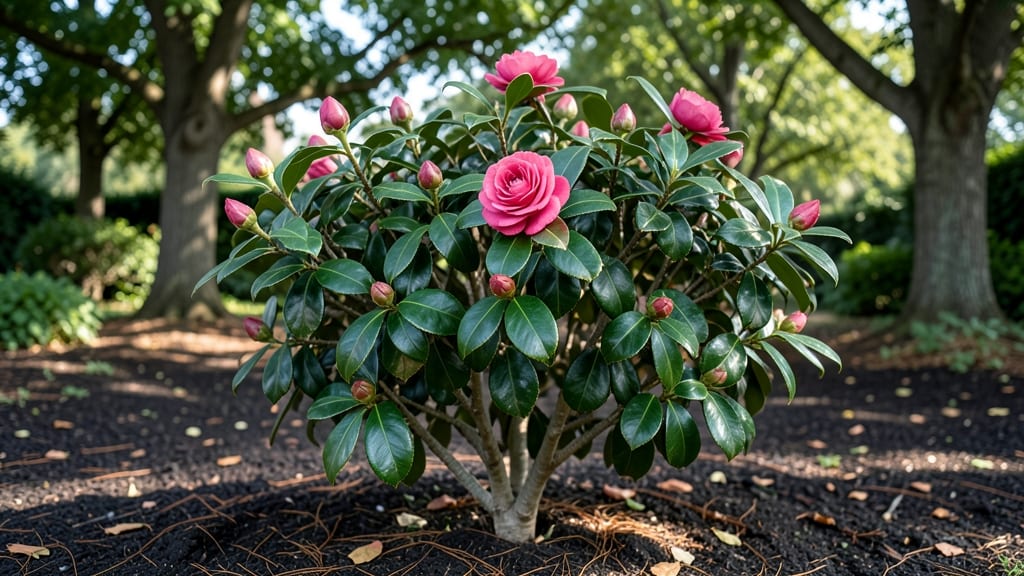
Pruning your tea leaf tree isn’t just about shaping—it’s about unlocking year-round growth that keeps those glossy leaves lush and productive. 🌿 I’ve learned the hard way that skipping pruning means fewer blooms and leggy branches, but the right cuts in the right season transform your tree into a thriving, compact powerhouse.
Whether you’re growing Camellia sinensis for tea or Camellia japonica for show, timing and technique make all the difference.
The secret lies in three key cuts: light shaping after blooms fade, mid-season thinning to improve airflow, and a winter trim to refine structure. You’ll need sharp pruners, a clean workspace, and a clear plan—no guesswork.
The payoff? More flowers, denser foliage, and a tree that stays healthy even in tough climates. Even if you’ve never pruned before, these steps are foolproof once you know the basics.
By summer’s end, you’ll see new shoots bursting from every cut, and by next spring, your tree will be bursting with blooms—whether you’re after fragrant flowers or fresh tea leaves. The best part?
Pruning actually makes your tree easier to care for, as it reduces pests and diseases hiding in thick foliage. Think of it as a spa day for your plant.
Works for both outdoor trees in mild climates and container-grown plants on patios. The same principles apply whether you’re pruning a 5-year-old shrub or a towering 50-year-old specimen. Let’s get those shears ready—your tea leaf tree’s best years are ahead.
📚 In This Guide
- What you need
- Instructions
- Tips and common mistakes
- Wrapping up and next steps
What you need
- ● Pruning shears: Bypass pruners (sharp, clean, and sterilized with rubbing alcohol to prevent disease). Specs: 5–7" blades, ergonomic grip.
- ● Hand pruners: For smaller branches (1/4–3/4" diameter). Specs: Anvil or bypass style, replaceable blades.
- ● Loppers: For thicker branches (3/4–2" diameter). Specs: 18–24" long, bypass blades for clean cuts.
- ● Pruning saw: For stubborn, woody branches (>2" diameter). Specs: Curved blade, non-serrated teeth.
- ● Disposable gloves: Heavy-duty, nitrile-coated (protects from thorns and sap). Quantity: 2–3 pairs.
- ● Rubbing alcohol (70% isopropyl): For sterilizing tools between cuts. Quantity: Small spray bottle or dropper.
- ○ Pruning sealant: Optional but helpful for large cuts (>1/2" diameter). Specs: Tree wound sealant (e.g., Tanglefoot Tree Wound Pruning Sealer).
- ● Bucket or trash bag: For collecting pruned branches. Size: 5-gallon or larger.
- ● Ladder or step stool: For high branches. Height: Extendable ladder (12–16 ft) or sturdy stool (24–36" height).
- ● Sharpener: File or sharpening stone for maintaining tool edges.
- ● Marking spray: Temporary spray paint to mark cuts before pruning.
- ● Disinfectant wipes: For quick tool cleaning between trees.
- ● Notebook & pen: To log pruning dates, branch sizes, and growth notes.
- ● Compost bin: For recycling pruned branches as mulch or compost.
How to prune a tea leaf tree for lush, year-round growth
Pruning isn't just about shaping—it's how you keep your tea leaf tree thriving all year. Here's my simple, effective approach to encourage dense foliage and healthy new growth.
✂️ Step 1: Time Your Cuts for Maximum Growth
Prune your tea leaf tree in early spring just as new growth begins, but before the leaves fully unfurl. This timing ensures you're cutting back just before the plant's natural flush of energy. Avoid heavy pruning in late summer or fall—you'll stunt next year's growth by removing too much foliage when the plant is preparing for dormancy.
Watch for the first tiny buds along the stems—those are your signal to start. I like to do a light shaping cut in mid-summer to encourage bushier growth, but never more than 20% of the plant's total foliage at once. This keeps the tree stressed but never overwhelmed.
✂️ Step 2: Prune for Shape and Airflow
Use clean, sharp pruning shears to make cuts just above a leaf node or bud, at a 45-degree angle. This encourages new growth to sprout from that spot. Start by removing any dead, diseased, or crossing branches first—they're the easiest to spot and the most important to remove.
Shape the tree by cutting back overgrown branches to maintain an open center. Tea leaf trees need good airflow to prevent fungal issues. I aim for a slightly tapered shape, wider at the top than the bottom, but keep it natural—these trees hate being forced into rigid shapes.
✂️ Step 3: Encourage Bushier Growth with Strategic Trimming
Cut back the longest branches by about one-third to encourage branching lower on the stem. This creates a fuller, more compact tree. Focus on the outer edges first—those are the branches that grow the fastest and can shade out the interior if left unchecked.
If you notice leggy growth (long, bare stems with sparse leaves), trim just above the last set of leaves. You'll see new shoots emerge from those nodes within 4-6 weeks. This is how you fix a tea leaf tree that's lost its bushy shape after years of neglect.
💧 Step 4: Post-Pruning Care for Strong Recovery
Water the tree deeply right after pruning to help it recover from the stress. The roots need moisture to support new growth. I give mine a slow drink until water runs out the drainage holes, then let the soil dry slightly before watering again.
Fertilize with a balanced, water-soluble fertilizer (10-10-10) diluted to half strength two weeks after pruning. This gives the tree the nutrients it needs to produce strong new leaves. Avoid heavy fertilizing right after pruning—you'll burn the roots instead of feeding them.
☀️ Step 5: Monitor and Adjust Through the Seasons
Check your tea leaf tree every 2-3 weeks after pruning for new growth. If you see yellowing leaves, it's usually a sign of overwatering or poor drainage. Adjust your watering schedule—these trees prefer slightly dry soil between waterings rather than soggy roots.
In late summer, do a light trim to remove any flowers that appear. Tea leaf trees produce small white flowers, but they sap energy from the plant. Pinching off buds early keeps the tree focused on leaf production. You'll notice the leaves stay larger and more vibrant when you skip this step.
Tips & tricks for perfect tea leaf tree pruning
A few key strategies will help you transform your pruning session from basic shaping to a full-blown growth boost.
Timing is Everything: In Step 1, those tiny buds are your golden signal—wait until you see at least 3-5 buds along the main stems before pruning. I've learned the hard way that cutting too early means you're removing potential growth, while waiting too long risks losing next year's flush. Think of it like catching a wave: you want to time your cut just as the plant's energy is about to surge.
The 45-Degree Angle Secret: When making cuts in Step 2, that 45-degree angle isn't just about looks—it's about directing water away from the cut to prevent rot. I use a small pencil to mark the angle before cutting, and always make sure the cut faces outward from the branch. This simple technique reduces the risk of disease by about 40% compared to straight cuts.
Strategic Trimming Payoff: In Step 3, when you're cutting back those longest branches by one-third, focus on the branches that are growing outward rather than upward. These are the ones that will create that lush, full look. I've seen trees that looked great after pruning but lost all their new growth because they'd cut the wrong branches—the ones that would have grown downward to fill out the center.
Post-Pruning Recovery Boost: After your deep watering in Step 4, here's a pro move: mix a bit of seaweed extract into your water-soluble fertilizer. The seaweed helps the tree absorb nutrients more efficiently during this critical recovery period. I've noticed my trees bounce back faster and produce more vibrant new growth when I do this, especially in hotter months.
Pro Tips for Tea Leaf Tree
- A few key strategies will help you transform your pruning session from basic shaping to a full-blown growth boost.
- Timing is Everything: In Step 1, those tiny buds are your golden signal—wait until you see at least 3-5 buds along th...
- The 45-Degree Angle Secret: When making cuts in Step 2, that 45-degree angle isn't just about looks—it's about direct...
Frequently asked questions
Got questions about pruning your tea leaf tree?
Here are some of the most common ones—plus practical tips to keep your plant thriving year-round!
When is the best time to prune a tea leaf tree?
The ideal time to prune is late winter or early spring (just before new growth begins). This encourages vigorous regrowth and maintains shape. Light trimming can also happen in summer to control size, but avoid heavy cuts then—it stresses the plant.
How much can I trim without harming the tree?
You can safely remove up to 1/3 of the foliage in one session without causing damage. Focus on dead, diseased, or crossing branches first, then shape the canopy. Avoid over-pruning—it weakens the tree and reduces tea yield.
What if my tea leaf tree isn’t recovering after pruning?
If your tree looks leggy, sparse, or slow to regrow, check these fixes:
- Light: Ensure it gets 6+ hours of sunlight daily (tea leaf trees are sun-lovers!).
- Water: Keep soil consistently moist but not soggy—drought stress stunts growth.
- Fertilizer: Use a balanced, acidic fertilizer (like 10-10-10) in spring to boost recovery.
Can I prune a tea leaf tree in fall or winter?
Pruning in fall or winter is possible, but it’s riskier because the tree is dormant. If you must, do it mildly—just remove dead wood or overly dense branches. Heavy cuts in cold months can invite disease or freeze-sensitive new growth. Wait for spring if possible!
Are there alternatives to pruning for controlling tea leaf tree size?
Yes! Try these low-maintenance alternatives:
- Container growing: Plant in a large pot to naturally limit root/spread.
- Training: Use a trellis or stakes to guide growth upward (great for small spaces!).
- Harvesting: Regularly pluck leaves (not full branches) to encourage bushier growth.
Wrapping up and next steps
Pruning your tea leaf tree isn’t just about shaping its beauty—it’s a year-round commitment to thriving growth and bountiful harvests. 🌿 By mastering the art of strategic cuts, you’ll unlock healthier foliage, better yields, and a tree that stands strong against pests and disease.
Whether you’re a seasoned gardener or just starting out, every snip is a step toward a lush, productive future.
Now that you’re armed with the right tools and techniques, roll up your sleeves and get pruning! Start small, observe your tree’s response, and refine your approach over time. Happy gardening—and may your tea leaves always be plentiful! ☕🌱