
Pruning
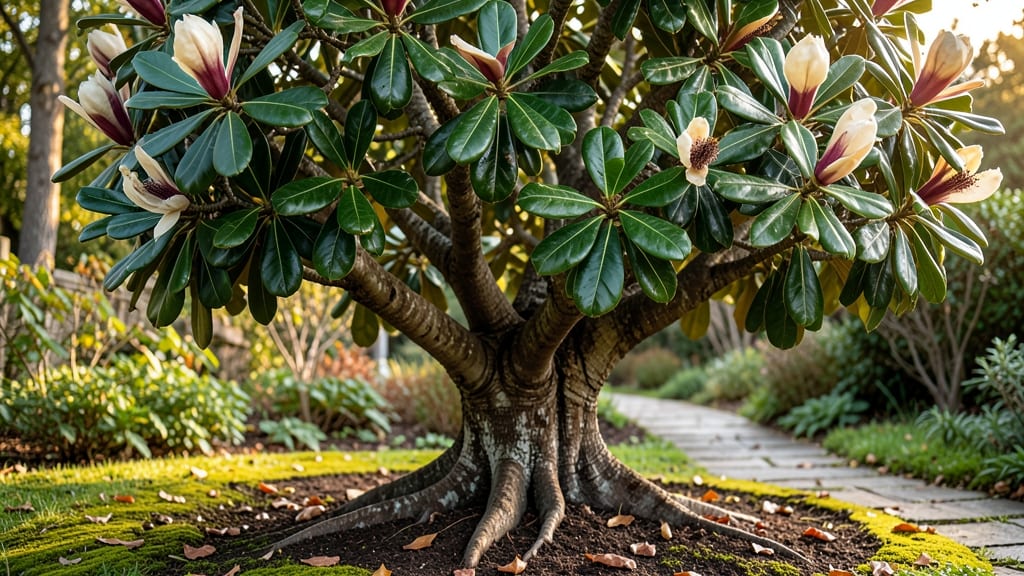
Strategic pruning turns your Japanese big leaf magnolia into a year-round showstopper. ✨ I’ve watched mine go from a scraggly mess to a lush, layered masterpiece by timing cuts right—spring, summer, and even winter have their moments.
The key isn’t just when you prune, but how you shape it to encourage that signature dense foliage and those stunning, fragrant blooms.
This magnolia thrives on patience—it grows slower than many trees, but with the right approach, you’ll see steady growth and fewer pests.
Start with sharp pruners, a clean workspace, and a plan: remove dead wood in late winter, shape in early spring, and lighten up in summer to keep air flowing. The payoff? A tree that looks intentional, not hacked.
You’ll notice new growth within weeks, with thicker branches and more blooms by next season. The foliage stays vibrant even in partial shade, and those glossy leaves make it a standout in any garden. Just avoid heavy pruning—this tree rewards gentle guidance over drastic cuts.
Works for zones 5-9, whether you’re dealing with a young sapling or an established specimen. Here’s how to keep it thriving without stressing it out.
📚 In This Guide
- What you need
- Instructions
- Tips and common mistakes
- Wrapping up and next steps
What you need
- ● Pruning shears: Sharp, bypass-style shears (4–6" blades) for clean cuts on small branches.
- ● Loppers: 8–10" loppers for thicker branches (½–1" diameter).
- ● Pruning saw: A curved-tooth saw for branches over 1.5" in diameter.
- ● Gloves: Heavy-duty gardening gloves (cut-resistant for safety).
- ● Disinfectant: 70% isopropyl alcohol or a pruning sealant (to prevent disease spread).
- ○ Extension pole: Optional but handy for high branches (10–12 ft).
- ● Timing: Prune late winter/early spring (before buds swell) or post-bloom (after June).
- ● Weather: Choose a dry, overcast day to avoid stressing the tree.
- ● Safety gear: Safety glasses (to shield from debris) and sturdy footwear.
- ● Cleanup supplies: Heavy-duty trash bags or a wheelbarrow for debris.
- ● Pruning paint (for sealing large cuts over ½").
- ● Tree wound dressing (controversial but useful for aggressive pruning).
- ● Ladder (if branches exceed 8 ft—prioritize safety!).
- ● Camera or sketchpad (to plan cuts before starting).
Step-by-Step guide to pruning Japanese big leaf magnolias
Here’s how to keep your magnolia lush and blooming through careful, seasonal cuts.
✂️ Step 1: Prune Immediately After Flowering (Late Spring)
This is the most critical time—wait until all spent blooms have fallen before cutting. I always mark the branches that bore flowers with a small piece of twine so I don’t accidentally remove next year’s buds. Use clean, sharp pruning shears to make cuts just above a bud or outward-facing leaf, angled slightly downward to prevent water pooling.
Remove only dead, crossing, or weak branches, cutting back to a strong lateral branch. Avoid heavy pruning now—Japanese big leaf magnolias set flower buds in late summer, and aggressive cuts can reduce next year’s blooms. If you’re unsure which branches to keep, snap a photo first and research online.
🌿 Step 2: Light Maintenance in Early Summer (June-July)
This is more about tidying than shaping. Look for suckers at the base (slim, fast-growing shoots) and water sprouts (thin, upright branches growing from the trunk or main limbs). These compete with the main structure for nutrients. Snip them off at the base with hand pruners—they’ll regrow if you leave even a small stub.
Check for diseased or pest-infested branches (look for holes, sawdust-like frass, or blackened leaves). Prune these out immediately, then sterilize your tools with rubbing alcohol to prevent spreading. I also thin out the innermost foliage to improve airflow—this prevents fungal issues like powdery mildew.
☀️ Step 3: Structural Pruning in Late Summer (August-September)
This is when you shape the tree for balanced growth. Focus on opening the canopy by removing branches that grow inward or rub against others. Cut back to a strong lateral branch or bud facing outward—never leave a stub. For larger branches over ½ inch thick, use loppers and make the cut just outside the branch collar.
Here’s the thing—Japanese big leaf magnolias bloom on old wood, so avoid heavy pruning now. Instead, focus on reducing branch density by up to 20% to encourage stronger growth next spring. If your tree looks top-heavy, prioritize cutting back the uppermost branches to lower the center of gravity.
⏰ Step 4: Winter Dormancy Cleanup (Late Winter)
Prune only dead or broken branches during dormancy—never remove healthy wood. This prevents stressing the tree when it’s already vulnerable. Look for branches with no leaves or split bark—these are easy targets. Cut back to a healthy bud or lateral branch, and seal larger cuts (over 1 inch thick) with pruning sealant to prevent disease entry.
I also remove any crossing branches that might have been missed earlier. These create weak points where limbs can split during storms. After pruning, rake up and dispose of all debris—this reduces overwintering pests. Avoid heavy pruning now; the tree needs all its energy to prepare for spring growth.
🌱 Step 5: Post-Pruning Care (Year-Round)
Water deeply once a week for the first 4 weeks after pruning to help the tree recover. Mulch around the base with 2-3 inches of organic mulch (like shredded bark) to retain moisture and regulate soil temperature. Avoid piling mulch against the trunk—keep it 3-4 inches away to prevent rot.
Monitor the tree for new growth in spring. If you see sprouts at the base, these are likely suckers—remove them promptly. For larger cuts, apply a balanced fertilizer in early spring to support healing. Real talk: Over-pruning is the fastest way to kill a magnolia. Stick to these steps, and your tree will reward you with vibrant blooms for decades.
Tips & tricks for pruning Japanese big leaf magnolias
Common mistakes can turn a simple pruning session into a disaster—here’s how to avoid them and keep your magnolia thriving.
Timing is Everything: The late spring pruning window (Step 1) is non-negotiable—waiting until after all blooms have fallen ensures you don’t accidentally remove next year’s flower buds. I’ve seen gardeners rush this step and end up with a tree that skips blooming entirely. Mark branches that bore flowers with twine if you’re unsure which to keep. This simple trick saved me from a major pruning mistake last year.
Tool Sharpness Matters: Dull pruning shears create jagged cuts that invite disease. I learned this the hard way after a branch I cut with old shears developed black spots within weeks. Always use clean, sharp tools—sterilize them with rubbing alcohol between cuts (Step 2 and Step 4). For larger branches (Step 3), invest in a good pair of loppers; they make clean cuts that heal faster than those made with shears.
Visual Cues for Healthy Cuts: When making cuts in Steps 1, 3, and 4, aim for a slight downward angle just above a bud or outward-facing leaf. This prevents water from pooling and causing rot. Think of it like making a tiny roof over the bud—water runs off instead of sitting. If you’re unsure where to cut, snap a photo of the branch before pruning to reference later.
Seasonal Focus Areas: Each season targets different growth issues. In early summer (Step 2), prioritize suckers and water sprouts—they’re like weeds competing for nutrients. In late summer (Step 3), focus on opening the canopy by removing crossing branches. Winter (Step 4) is for cleanup only—never remove healthy wood during dormancy. This targeted approach keeps your magnolia balanced and blooming year after year.
Pro Tips for Japanese Big Leaf Magnolia
- Common mistakes can turn a simple pruning session into a disaster—here’s how to avoid them and keep your magnolia thr...
- Timing is Everything: The late spring pruning window (Step 1) is non-negotiable—waiting until after all blooms have f...
- Tool Sharpness Matters: Dull pruning shears create jagged cuts that invite disease. I learned this the hard way after...
Frequently asked questions
Got questions about pruning your Japanese Big Leaf Magnolia? You’re not alone! Here are some of the most common concerns—and expert answers to keep your tree thriving.
When is the best time to prune a Japanese Big Leaf Magnolia?
The ideal time is late winter to early spring (before buds swell) or summer after flowering. Avoid pruning in fall—it can stimulate late growth vulnerable to frost. For minor shaping, light cuts in summer work too, but heavy pruning stresses the tree.
Can I prune my magnolia in summer?
Yes, but with caution! Light pruning to remove dead or crossing branches is safe in summer. Heavy cuts can stress the tree, especially in hot climates. If you must prune heavily, do it in early summer and water thoroughly afterward. Always sterilize tools to prevent disease.
What if my magnolia doesn’t bloom after pruning?
Don’t panic! Magnolias often take 2–3 years to rebloom after heavy pruning. Focus on healthy growth—prune to open the canopy for sunlight, which encourages future flowers. Avoid cutting back more than 1/3 of the tree in one season.
Should I remove the seed pods after flowering?
It’s optional! Leaving seed pods adds winter interest and attracts wildlife. However, if they’re unsightly or overcrowding foliage, remove them after they turn brown (they won’t harm the tree). Wear gloves—they can stain hands!
How do I prune a magnolia in rainy or humid climates?
Humidity increases disease risk, so sterilize tools with rubbing alcohol before/after cuts. Prune on dry days and avoid wet foliage. Make clean cuts at a 45-degree angle just outside the branch collar. Water deeply post-pruning to help recovery.
Pro Tip:
Use sharp, bypass pruners for clean cuts—dull tools crush branches, inviting pests. For larger branches, hire a pro if you’re unsure! Patience pays off—magnolias reward slow, strategic pruning with stunning blooms for decades.
Wrapping up and next steps
The Japanese Big Leaf Magnolia thrives with the right pruning care—whether you’re shaping its majestic branches or encouraging lush blooms. By following seasonal guidelines, using sharp tools, and avoiding common mistakes, you’ll keep this stunning tree healthy and vibrant year-round. 🌿
Ready to transform your pruning routine? Start by scheduling your next trim—spring or summer is ideal for most cuts, but don’t forget to check for dead branches in winter. Your magnolia will thank you with bold foliage and breathtaking flowers!
- Next step: Grab your pruners and assess your tree’s needs today.
- Pro tip: Snap a photo of your magnolia’s shape before pruning for reference.