
Pests and Diseases
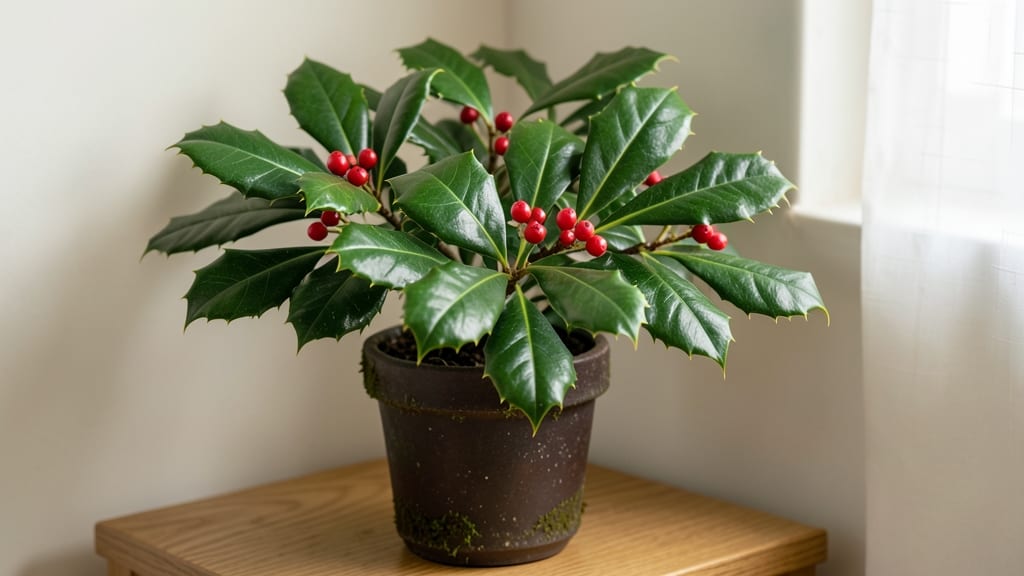
Identifying holly leaf outline damage involves spotting jagged edges or brownish discoloration along leaf margins, which typically stems from environmental stress, spider mites, or fungal infections. Always examine leaf undersides for webbing or spots to pinpoint the exact cause.
This type of damage often starts subtly but worsens quickly if left unchecked. 🌿 The irregular edges you notice aren't just cosmetic—they're a sign your holly plant is struggling to maintain healthy cell structure.
Environmental factors like sudden temperature swings or improper watering can trigger this, while pests like spider mites create tiny feeding sites that expand into larger brown patches. Fungal infections, such as anthracnose, leave behind distinct dark borders that follow leaf veins, making early detection crucial for treatment success.
For accurate diagnosis, I recommend using a handheld magnifying glass to inspect both leaf surfaces. Look for fine webbing between veins (spider mites), sticky residue (aphids), or powdery white spots (fungal spores).
Each cause requires different action—pests need targeted sprays, while fungal issues respond better to copper-based fungicides applied at the first sign of discoloration.
💡 In This Article
- Common Causes of Holly Leaf Outline Damage
- Step-by-Step Guide to Diagnosing and Treating Holly Leaf Damage
Common causes of holly leaf outline damage
The most frequent culprit behind holly leaf outline damage is environmental stress, particularly drought conditions or extreme temperature fluctuations. When holly plants experience prolonged dry spells, their leaf edges begin to dry out and develop crispy brown margins—a condition called scorch.
This happens because the plant's vascular system struggles to deliver water to the outer leaf cells quickly enough. 🌡️ Cold snaps below 25°F can also trigger similar damage, as the sudden freeze causes cellular damage along leaf margins where moisture accumulates.
Pests like spider mites and scale insects create distinctive outline damage by feeding on plant sap. Spider mites, for example, leave behind tiny yellow stippling that expands into larger brown patches along leaf edges.
Their webbing often appears first on the undersides of leaves, creating a fine white mesh that's visible with a 10x magnifying glass. Scale insects, on the other hand, produce sticky honeydew residue that hardens into brown crusts along leaf margins, making them feel rough to the touch.
Fungal infections like anthracnose and leaf spot diseases create outline damage by infecting leaf margins where moisture lingers. Anthracnose appears as dark purple or brown irregular patches that follow leaf veins, while leaf spot shows up as small circular lesions that expand outward.
These fungal spores thrive in humid conditions (above 75% humidity) and spread rapidly when leaves remain wet for more than 12 hours
Nutrient deficiencies can also cause outline damage, particularly iron chlorosis or magnesium deficiency. Iron deficiency shows as yellowing between leaf veins that progresses to brown edges, while magnesium deficiency creates interveinal browning that starts at leaf tips and margins. Soil pH below 6.0 exacerbates iron uptake issues, making holly leaves more susceptible to these deficiencies. A simple soil test can reveal if your holly needs chelated iron or Epsom salt applications. Here's how to distinguish between these causes quickly: The most critical step is examining leaf undersides with a magnifying tool—this reveals 80% of pest infestations before visible outline damage appears. Early detection means the difference between a quick spray treatment and systemic plant decline. 🌿