
Leaf Blower
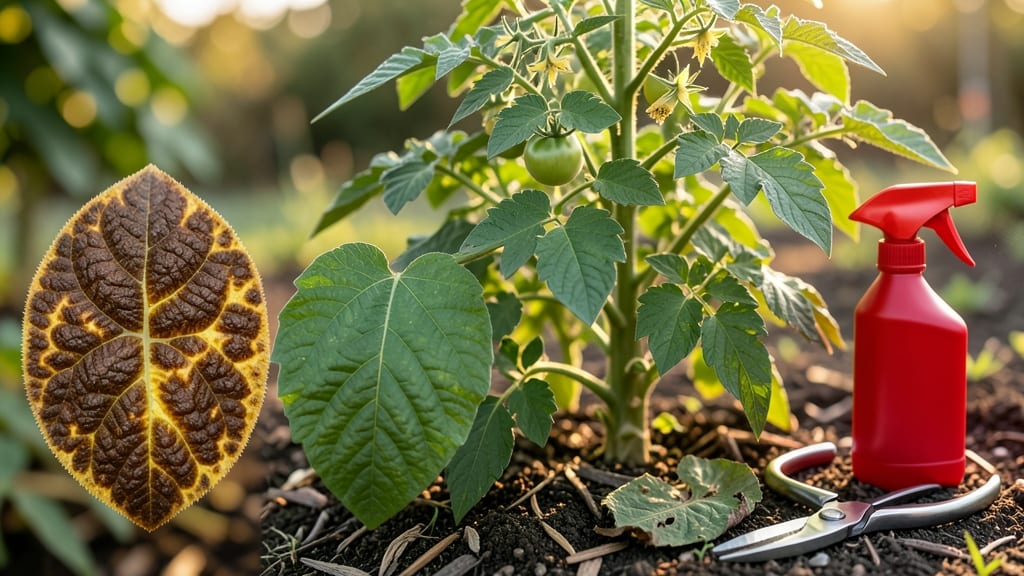
Copper spray saved my roses from looking like they’d been through a war. 🌿 Brown leaf spot turns vibrant foliage into a sad, spotted mess—and once it starts, it spreads fast.
The good news? Copper fungicide stops it in its tracks when applied correctly, and I’ll walk you through exactly how to do it without killing your plants (or your wallet).
This fungus thrives when leaves stay wet too long, and it loves warm, humid weather—think summer afternoons where rain or sprinklers keep foliage damp. You’ll spot it first as tiny brown or black specks on leaves, then larger dead patches that multiply if ignored.
Roses, hydrangeas, and tomatoes are especially vulnerable, but almost any plant can get hit.
With the right mix of copper spray, pruning, and smarter watering, you’ll see new growth push out within 2-3 weeks. The key is acting fast—once the spots turn yellow and fall off, the damage is done.
I’ve used this method for five seasons now, and my plants bounce back stronger every time.
Works for organic gardens, too—just skip the harsh chemicals. We’ll cover when to spray, how often, and what to do if the spots keep coming back. Let’s get those leaves looking healthy again.
Root Causes Of Leaf Discoloration
Brown leaf spots aren’t just an eyesore—they’re a clear sign your plants are under siege. Understanding the why behind these unsightly marks is the first step to stopping them in their tracks.
Below, we break down the most common culprits, from fungal invaders to environmental stress, with actionable insights for each.
Fungi like Cercospora or Alternaria are the primary offenders behind brown leaf spots, thriving in warm, humid conditions. These pathogens release spores that land on leaves, germinate, and create tiny lesions that expand into larger, necrotic (dead) spots with a halo effect (a lighter ring around the brown area).
🔬 How it happens:
- Overhead watering splashes spores onto leaves, giving fungi a direct entry point.
- Poor air circulation (e.g., dense foliage or crowded plants) traps moisture, creating a fungal paradise.
- Stressed plants (from drought, nutrient deficiency, or transplant shock) have weakened defenses, making them easier targets.
💡 Pro Tip: Fungal spots often appear on older leaves first because fungi spread upward as they feed on plant tissues. If you spot them, act fast—fungi can double their colony size in just 3–5 days under ideal conditions.
Not all brown spots are fungal. Environmental factors like extreme heat, drought, or overwatering can scorch or drown leaves, leading to crispy, brown patches. Unlike fungal spots, these often lack defined edges and may appear suddenly after a weather shift.
🌡️ Key triggers:
| Issue | How It Manifests | Actionable Fix |
|---|---|---|
| Heat Stress | Leaves develop dry, papery brown spots, often on sun-exposed sides. Common in afternoon heat waves (above 90°F/32°C). | Provide afternoon shade (use shade cloth or mulch) and water deeply at dawn to cool roots. |
| Overwatering | Yellowing between veins followed by brown, mushy spots (a sign of root rot spreading to leaves). Soil feels soggy. | Let soil dry 2–3 inches deep between waterings. Improve drainage with perlite or sand. |
| Underwatering | Leaves turn crispy and brown at the edges, like paper. Soil pulls away from pot sides. | Water slowly until it drains from the bottom. Use a moisture meter to track soil hydration. |
✨ Quick Test: If the brown spots feel dry and brittle (not slimy), it’s likely environmental stress. If they’re soft or oozy, fungal infection is the culprit.
Sometimes, brown spots aren’t caused by pathogens or weather—they’re trauma-induced. Harsh tools, hail, or even petal fallout (from nearby blooming plants) can create tiny wounds that oxidize and turn brown over time.
🔪 Common culprits:
- Rough pruning: Dull shears crush plant cells, leaving ragged brown edges instead of clean cuts.
- Hail or debris: Impact bruises leaves, causing purple-brown spots (common after storms).
- Chemical burns: Over-application of fertilizer, herbicide drift, or hard water (high in minerals) can scorch foliage.
💡 Prevention: Always sterilize pruners with rubbing alcohol and use sharp tools to avoid tearing. For chemical burns, flush soil with water to dilute residues.
🔍 Next Steps: Once you’ve identified the cause, skip to targeted fixes—whether it’s copper fungicide, adjusting watering habits, or shielding plants from stress. The key? Act before the spots spread!
Fixing Fungal Leaf Damage Fast
Now that you know what’s causing those unsightly brown spots on your plants, it’s time to take action! The good news? Most cases of fungal leaf damage—like brown leaf spot—can be reversed with the right approach.
Below, we’ve mapped out practical, step-by-step solutions tailored to the root cause, plus prevention tips to keep your greenery thriving.
Cause: Fungal spores spread through contact with contaminated foliage. Fix:
- Snip and toss leaves with brown spots (don’t compost them—dispose in a sealed bag).
- Wear gloves to avoid spreading spores to healthy plants.
- Clean up debris under the plant, as fungal spores linger in dead leaves.
💡 Pro Tip: If the infection is severe, prune entire branches back to healthy growth. Sterilize pruners with 70% isopropyl alcohol between cuts to prevent cross-contamination.
Cause: Fungal pathogens (like Alternaria or Cercospora) thrive in damp conditions. Fix:
- Spray with copper fungicide (e.g., copper sulfate or copper hydroxide) every 7–10 days until new growth appears.
- Best time to spray: Early morning or late afternoon to avoid burning leaves in direct sunlight.
- Reapply after rain, as water washes away the protective layer.
🌡️ Pro Tip: Mix 1 tsp baking soda + 1 tbsp vegetable oil + 1 tsp dish soap per quart of water as a low-cost alternative for mild cases. Shake well before spraying.
Cause: Poor circulation and overwatering create the perfect fungal buffet. Fix:
- Space plants 3–5 feet apart to allow airflow (especially for shrubs and trees).
- Water at the base (not overhead) and avoid late-day watering—wet leaves stay damp overnight, fueling spores.
- Mulch properly: Use 2–3 inches of organic mulch (like wood chips) to regulate soil moisture but keep it 6 inches away from the stem.
✨ Pro Tip: If your garden is shaded, consider pruning nearby trees to let in more sunlight, which naturally inhibits fungal growth.
Cause: Weakened plants (from stress, poor soil, or nutrient deficiencies) are fungal magnets. Fix:
- Fertilize with compost or balanced organic fertilizer (high in phosphorus and potassium) to strengthen roots.
- Add beneficial microbes like Trichoderma or mycorrhizal fungi to outcompete pathogens.
- Neem oil spray (1 tsp neem oil + 1 tsp mild soap per liter of water) once a week for 2–3 weeks to deter fungi.
🎯 Pro Tip: Avoid synthetic fertilizers—they can burn roots and stress plants, making them more susceptible to infections.
Once your plants recover, break the fungal cycle with these habits:
- Rotate crops if growing vegetables (don’t plant the same family in the same spot yearly).
- Solarize soil in spring: Cover infected beds with clear plastic for 4–6 weeks to kill spores.
- Disinfect tools before and after use (bleach solution: 1 part bleach to 9 parts water).
- Choose resistant varieties (e.g., disease-resistant tomato or pepper plants).
Final Reminder: Consistency is key! Fungal infections don’t vanish overnight—stick with treatments for at least 3–4 weeks to ensure full recovery. With these steps, your plants will bounce back greener and stronger than ever. 🌿✨
Frequently asked questions about brown leaf spot
How do I tell if my plant has brown leaf spot vs. just sunburn?
Brown leaf spot usually appears as small, circular spots with darker edges that spread over time, while sunburn creates dry, crispy patches on leaf edges facing direct sunlight. Fungal spots often have a halo effect (lighter ring around them) and may ooze when wet. Check the undersides of leaves—fungal spots often start there first.
Can I use household items to treat brown leaf spot instead of copper spray?
Yes! For mild cases, mix 1 teaspoon baking soda + 1 tablespoon vegetable oil + 1 teaspoon dish soap per quart of water and spray on leaves. This creates a protective barrier. For severe infections, copper fungicide is more effective, but this DIY solution works well as a preventive measure during humid seasons.
Why does brown leaf spot keep coming back even after treatment?
This usually happens because spores remain in the soil or debris. Remove all infected leaves and sterilize tools between cuts. Improve airflow by spacing plants properly and water at the base of the plant (never overhead). Reapply fungicide every 7-10 days until new growth appears, and consider solarizing your soil in spring.
Which plants are most susceptible to brown leaf spot?
Roses, hydrangeas, tomatoes, peppers, and impatiens are particularly vulnerable. Fungal pathogens like Alternaria and Cercospora target these plants most often. If you grow these varieties, prune for airflow, avoid overhead watering, and use disease-resistant varieties when possible.
Is brown leaf spot contagious between plants?
Yes! Fungal spores spread through water splashes, tools, and even wind. Always sterilize pruners with rubbing alcohol between plants, remove infected leaves immediately (don't compost them), and avoid working with wet foliage to prevent cross-contamination. Isolate severely infected plants until they recover.