
Planting
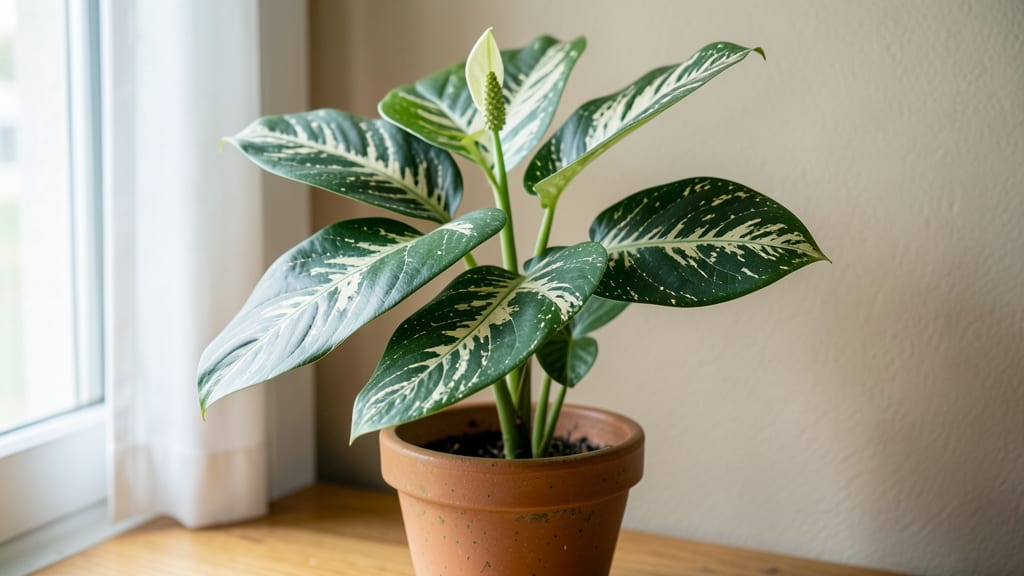
The five-leaf poison plant (Dieffenbachia) looks harmless but packs a toxic punch—its sap and leaves contain calcium oxalates that cause painful irritation. 🌿 I’ve learned the hard way that even a small bite can lead to swelling and discomfort, so knowing how to identify and handle it safely is a must for any household with pets or kids.
You’ll recognize it by its glossy, arrow-shaped leaves with white or yellow speckles, growing in clusters along thick, upright stems. The plant thrives in low light, making it a common indoor choice, but its toxicity means you need to handle it with care—especially when pruning or repotting.
If exposure happens, rinse the affected area immediately with water and avoid touching the mouth or eyes. Keep gloves on when handling, and dispose of clippings in sealed bags to prevent accidental ingestion by curious pets or children.
With the right precautions, you can keep this striking plant in your space while ensuring everyone stays safe. Here’s how to care for it properly and avoid common mistakes that lead to accidents.
📚 In This Guide
- What you need
- Instructions
- Tips and common mistakes
- Wrapping up and next steps
What you need
- ● Pruning shears or bypass pruners – Choose sharp, high-quality tools (e.g., Felco or Fiskars) to make clean cuts and avoid damaging the plant.
- ● Disposable gloves – Opt for nitrile or latex-free gloves (thick, 12+ mil) to protect against sap irritation.
- ● Rubbing alcohol (70% or higher) – A small bottle (4 oz) for sterilizing tools between cuts.
- ○ Pruning sealant (optional but recommended) – A small tube of tree wound sealant (e.g., Tanglefoot Pruning Seal) to prevent disease entry.
- ● Notebook and pen – For recording pruning notes, plant health observations, or ID details.
- ● Plant identification guidebook or app – A physical guide (e.g., National Audubon Society Field Guide) or a trusted app like iNaturalist or PictureThis.
- ● Camera or smartphone – To capture close-ups of leaves, stems, and flowers for accurate ID.
- ● Hand lens or magnifying glass – For inspecting fine details like leaf veins or hairy stems.
- ● Spray bottle with water – To mist leaves during inspection (helps highlight textures).
- ● Disposable plastic bag – For safely disposing of pruned debris or storing samples.
- ● Ladder or step stool – If your plant is tall (5+ feet), a sturdy 48-inch ladder works best.
- ● First-aid kit – In case of accidental sap exposure (include hydrocortisone cream and antihistamines).
Step-by-step guide to pruning your five leaf poison plant
Here's how to keep your plant lush and thriving with simple, effective pruning techniques.
🌿 Step 1: Identify Healthy Growth and Pruning Points
First, examine your plant for three key areas: new growth, leggy stems, and overcrowded foliage. The five leaf clusters are your target—each cluster should have 3-5 mature leaves before pruning. Look for stems that have grown 6-8 inches long with at least one set of leaves fully developed.
I always prune just above a leaf node (where leaves attach to the stem) using clean, sharp pruners. This encourages new growth from that node. Avoid cutting into woody stems—they won't regrow, and you'll weaken the plant. If you're unsure where to cut, trace the stem downward until you find a healthy leaf node with at least two leaves.
✂️ Step 2: Prune for Shape and Airflow
Start by removing any yellow or brown leaves first—they're dead weight and can attract pests. Next, trim back any stems that are growing toward the center of the plant. This opens up airflow and prevents fungal issues. I like to step back and visualize the plant's shape—aim for a balanced, bushy look rather than a top-heavy growth pattern.
For leggy stems (those stretching too far between leaves), cut them back by about one-third. This might seem drastic, but it triggers bushier growth. Watch for new shoots emerging from the leaf nodes within 2-3 weeks—that's your sign the pruning worked. If you're unsure how much to cut, err on the side of less and always leave at least one set of healthy leaves on each stem.
💧 Step 3: Encourage New Growth After Pruning
After pruning, give your plant a light fertilizer application to support new growth. I use a balanced liquid fertilizer diluted to half-strength. Water the plant thoroughly until water runs out the drainage holes—this helps the roots recover from the stress of pruning. Place the plant in bright, indirect light for the first week post-pruning to reduce shock.
You'll notice new growth starting within 10-14 days as small, bright green leaves emerge from the pruned nodes. This is your plant's way of saying "thank you" for the fresh start. During this time, avoid overwatering—let the top inch of soil dry out between waterings. Too much moisture can rot the fresh cuts and slow down regrowth.
☀️ Step 4: Maintain Through the Growing Season
Once new growth appears, gradually reintroduce your plant to its usual light conditions. Five leaf poison plants thrive in medium to bright indirect light, but they can tolerate some direct morning sun. If you notice leaves turning pale or developing brown tips, it's a sign of too much light—move the plant back a few feet.
Continue pruning every 4-6 weeks to maintain shape and encourage dense foliage. Regular pruning keeps your plant compact and prevents it from becoming top-heavy. In late winter or early spring, give your plant a harder prune to shape it for the new growing season. This is when you can be more aggressive with cuts, as the plant will bounce back quickly with the warmer weather.
Tips & tricks for pruning your five leaf poison plant
Here's what nobody tells you about keeping your plant thriving after pruning—these tricks make all the difference.
Leaf Node Location: When pruning just above a leaf node, look for the tiny bump where leaves attach to the stem. This is where new growth will emerge. I use a magnifying glass to spot these nodes on crowded plants—it's easy to miss them with the naked eye. Always leave at least two leaves at each node to ensure healthy regrowth.
Pruning Tool Maintenance: Clean your pruners with rubbing alcohol between cuts to prevent spreading disease. I sterilize them after every third plant to keep bacteria at bay. Dull blades tear stems instead of making clean cuts, which slows healing. A sharp pair of pruners makes all the difference in how quickly your plant recovers.
Seasonal Timing: Late winter or early spring is ideal for pruning because your plant will have the entire growing season to recover. If you prune in summer, new growth may struggle to establish before cooler weather arrives. I schedule my pruning right after the last frost date in my area for best results.
Light Adjustment: After pruning, move your plant to bright, indirect light for the first week to reduce stress. Direct sunlight can scorch fresh cuts, while too little light slows recovery. I position mine near an east-facing window where it gets gentle morning light—perfect for the first week of healing.
Pro Tips for Five Leaf Poison Plant
- Here's what nobody tells you about keeping your plant thriving after pruning—these tricks make all the difference.
- Leaf Node Location: When pruning just above a leaf node, look for the tiny bump where leaves attach to the stem.
- Pruning Tool Maintenance: Clean your pruners with rubbing alcohol between cuts to prevent spreading disease.
Frequently asked questions
Got questions about the Five Leaf Poison Plant? You’re not alone!
Here are some of the most common queries—plus clear, practical answers to keep your plant thriving (and your hands safe).
Is the Five Leaf Poison Plant really toxic?
The Five Leaf Poison Plant (also called Pothos or Devil’s Ivy) contains calcium oxalate crystals, which can irritate skin, mouths, and throats if ingested. Pets and kids are especially at risk—keep it out of reach! Symptoms include drooling, swelling, or mild stomach upset. Always wear gloves when pruning.
When is the best time to prune?
Prune your Five Leaf Poison Plant anytime it’s actively growing (spring to early fall). Focus on removing yellow or leggy stems to encourage bushier growth. Pro tip: Snip just above a leaf node (where leaves grow) for faster regrowth. Avoid heavy pruning in winter unless necessary—it’s the plant’s resting phase!
Can I propagate my Five Leaf Poison Plant from cuttings?
Here’s how:
- Take a 4–6 inch cutting with at least 2–3 leaves.
- Place it in water or moist soil (water rooting works fastest!).
- Keep it in bright, indirect light and change the water every 3–5 days.
- Roots should appear in 2–4 weeks—then transplant!
Why are my leaves turning yellow or brown?
Yellow leaves? Usually a sign of overwatering or poor drainage. Brown edges or crispy leaves? Underwatering or low humidity are likely culprits. Check the soil—it should be slightly moist but not soggy. Move your plant to brighter (but indirect) light if growth slows. Pest check: Inspect the undersides of leaves for spider mites or mealybugs.
Are there non-toxic alternatives to Five Leaf Poison Plant?
Yes! If you’re worried about toxicity, try these pet-friendly, low-maintenance plants:
- Spider Plant – Hardy and safe for cats/dogs.
- Parlor Palm – Thrives in low light.
- Peperomia – Varieties like Obtusifolia are non-toxic.
- Boston Fern – Great for humidity-loving spaces.
Wrapping up and next steps
Understanding the five-leaf poison plant (Ricinus communis)—from its striking foliage to proper pruning techniques—empowers you to cultivate this bold beauty safely and confidently. Whether you’re trimming for aesthetics, managing growth, or ensuring safety, the key is knowledge and consistency. 🌿
Ready to give your plant the care it deserves? Start small: assess its needs, gather your tools, and take it one prune at a time. With patience, your five-leaf friend will thrive—and so will your green thumb! 🌱